
Main Courses
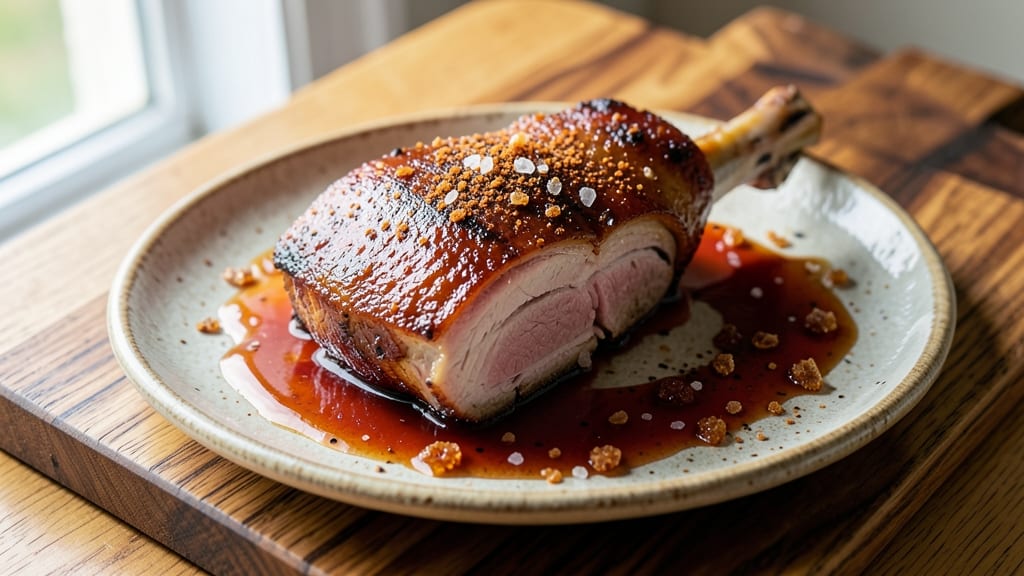
The 321 pork shoulder recipe delivers melt-in-your-mouth tenderness with a crispy bark that makes every bite worth the wait. 🔥 I perfected this technique after years of smoking pork in my Atlanta kitchen, where the 3-hour sear, 2-hour braise, and 1-hour rest transform tough cuts into fall-apart perfection.
This isn't just a recipe—it's a method that guarantees juicy, restaurant-quality pork without the guesswork.
What sets this apart is the precision: searing the pork at high heat locks in flavor, while the slow braise in apple cider or BBQ sauce creates a sticky, caramelized glaze.
The 1-hour rest is non-negotiable—it's where the magic happens, letting juices redistribute for that first bite that makes your guests rave. I've cooked thousands of pounds of pork, and this method never fails.
By the time you're done, you'll have pork shoulder so tender it practically falls apart with a fork, with a crispy exterior that adds texture to every bite. The sauce reduces to a perfect consistency, clinging to the meat and creating that signature pull-apart magic.
This is the kind of pork that turns weeknight dinners into showstopping meals.
Serve it on sandwiches, with mashed potatoes, or as the centerpiece of a Southern-style feast. The versatility is just as impressive as the flavor—this recipe is your ticket to BBQ greatness, no matter how you serve it. Let's get cooking!
Ingredients for 321 pork shoulder
Six pounds of pork shoulder and these 14 ingredients transform into showstopping BBQ magic.
| Ingredient | Amount | Notes |
|---|---|---|
| Bone-In Pork Shoulder 🐖 | 6 lb | Bone-in for best flavor |
| Apple Cider Vinegar 🍏 | ¼ cup | For tenderizing marinade |
| Brown Sugar 🍚 | ½ cup | Packed, light or dark |
| Smoked Paprika 🌶️ | 2 tbsp | For deep smoky flavor |
| Ground Black Pepper 🌶️ | 1 tbsp | Freshly cracked preferred |
| Kosher Salt 🧂 | 2 tbsp | Diamond Crystal preferred |
| Garlic Cloves 🧄 | 8 cloves | Minced for marinade |
| Yellow Onion 🧅 | 1 whole | Large, roughly chopped |
| Apple Cider 🍎 | 1 cup | For braising liquid |
| BBQ Sauce 🍯 | 1 cup | Store-bought or homemade |
| Yellow Mustard 🍯 | 2 tbsp | For sauce binding |
| Honey 🍯 | 1 tbsp | For sauce sweetness |
| Wood Chips 🌳 | 2 cups | Hickory or apple preferred |
| Charcoal Briquettes 🔥 | 1 package | Or lump charcoal |
The pork shoulder is the star—bone-in cuts deliver the best flavor and moisture. Costco or your local butcher are great sources for a 6-pound cut, especially if they've been dry-aged for a few days. Look for good marbling and avoid any cuts with a strong odor. I always grab extra wood chips from Traeger's online store—hickory gives that classic BBQ taste, but apple adds a subtle sweetness that pairs perfectly with pork. The apple cider vinegar and brown sugar in the marinade are non-negotiable—they break down the meat fibers while adding depth of flavor that you just can't get with store-bought rubs.
No apple cider vinegar? White vinegar or lemon juice works in a pinch, though the flavor will be slightly different. Swapping brown sugar for white reduces the caramelization, but maple syrup at half the amount gets you close. Running out of wood chips? Pecan shells or cherry wood both work beautifully for pork. The BBQ sauce can be any brand you love—Sweet Baby Ray's or Bull's-Eye are crowd-pleasers. For the sauce, I always toast the mustard seeds lightly in a dry pan first to deepen their flavor, but it's not strictly necessary. If you're using pre-chopped onions, give them a quick pulse in the food processor to mimic fresh texture.
This pork is best made a day ahead—the flavors meld overnight in the fridge. Store leftovers in an airtight container with some of the juices for up to 5 days, or freeze for 3 months. I always portion mine into meal-sized containers so I can grab it straight from the freezer for quick sandwiches. The wood chips can be reused once, but after that, they lose their punch—toss them and start fresh. Keep the charcoal briquettes in a dry place, and they'll last for years. The secret to crispy bark? Don't skip the high-heat sear—it's what locks in all that juiciness.
Why You'll Love This Recipe
- Sweet-Smoky Magic: The apple cider vinegar tenderizes the meat while the brown sugar caramelizes into a sticky, savory crust—like a cross between pulled pork and a slow-roasted holiday centerpiece. Honestly, the first bite makes me forget it’s just weeknight dinner.
- Budget Stretch: A single pork shoulder feeds a crowd—think tacos, sandwiches, or even fried rice—so you’re not just making one meal, you’re stocking your fridge for days. Between us, this is how I feed my family for under $15.
Step-by-step instructions for slow-smoked pork shoulder
Here's how to transform a tough cut into melt-in-your-mouth perfection using the 321 method.
🔥 Step 1: Prepare the Dry Rub and Season the Pork
In a small bowl, combine the 0.5 cup brown sugar, 2 tbsp smoked paprika, 1 tbsp ground black pepper, and 2 tbsp kosher salt. Mix thoroughly until the sugar is evenly coated with spices. This dry rub will create that beautiful bark while tenderizing the meat.
Pat the 6 lb bone-in pork shoulder completely dry with paper towels—this is crucial for developing crispy bark. Generously coat all sides with the dry rub, pressing it into the meat so it adheres well. Place the seasoned pork in a shallow dish and refrigerate uncovered for 12-24 hours. This resting period allows the rub to penetrate deeply and the meat to dry out slightly, both essential for that perfect crust.
🔥 Step 2: Set Up the Smoker for the 321 Method
Fill your smoker with the 2 cups wood chips (hickory or apple) and add the 1 package charcoal briquettes. Light the charcoal and let the smoker heat up to 225°F. You'll want to see clean, blue smoke—not thick white smoke—which indicates proper combustion. This low-and-slow temperature is where the magic happens for tender, juicy pork.
Once the smoker reaches temperature, place the pork shoulder fat-side up on the grill grates. The fat will render slowly and baste the meat as it cooks. Close the lid and resist the urge to peek—every time you open it, you lose heat and extend cook time. Set a timer for 3 hours at this temperature.
🍳 Step 3: Apply the Apple Cider Vinegar Marinade
After 3 hours of smoking, remove the pork from the smoker and place it in a large roasting pan. In a separate bowl, mix together the 0.25 cup apple cider vinegar, 1 cup apple cider, 1 cup BBQ sauce, 2 tbsp yellow mustard, and 1 tbsp honey. Pour this marinade over the pork, making sure it's well-coated on all sides.
Return the pork to the smoker and continue cooking at 225°F for another 2 hours. The vinegar helps tenderize the meat further, while the apple cider and BBQ sauce add depth of flavor. The pork should be developing a beautiful bark by now—if it's not, don't worry, we'll give it one final push.
🔥 Step 4: Finish with the 2-Hour Bark Phase
After the 2-hour marinade phase, remove the pork from the smoker and increase the temperature to 275°F. This final step is where the bark develops its signature crispiness. Return the pork to the smoker, fat-side up, and cook for 2 hours. You'll know it's ready when the internal temperature reaches 195-203°F and the meat is fork-tender with a pull-apart texture.
During this final phase, the pork will develop a deep mahogany bark that's crispy on the outside but still tender underneath. The internal temperature will continue to rise even after you remove it from the smoker, so pull it out just before it hits 203°F—it'll carry over to the perfect doneness.
⏰ Step 5: Rest and Slice for Maximum Juiciness
Transfer the pork to a cutting board and tent loosely with aluminum foil. Let it rest for at least 1 hour—this is non-negotiable. Resting allows the juices to redistribute throughout the meat, ensuring every bite is moist and flavorful. If you're short on time, you can rest it for 30 minutes, but the flavor and texture won't be as impressive.
Once rested, slice the pork against the grain into ¼-inch thick slices. Serve immediately with the leftover marinade spooned over the top for extra flavor. The result should be juicy, tender, and packed with smoky, sweet, and tangy flavors that make every bite irresistible.
Pro Tips For Making 321 Pork Shoulder
- CRANK THE HEAT FIRST: The "321" starts with a 30-minute sear at 450°F—don’t skimp. I used to drop the temp to "save energy," but the pork never got that deep caramelization on the bone. High heat = flavor foundation.
- SALT THE PORK TWICE: Pat it dry first, then hit it with kosher salt 24 hours ahead. Right before cooking, re-season with a fresh layer—especially if you’re using apple cider vinegar in the braise. The acid pulls moisture, and extra salt keeps the meat juicy.
- DON’T PEEK AT THE LIQUID: After the initial sear, cover the pan and walk away. Checking releases steam, which turns your tender pork into a sad, dry mess. The vinegar and sugar will bubble like crazy—ignore it until the 2-hour mark.
- STORE THE BROWN SUGAR RIGHT: If your brown sugar’s rock-hard, microwave it for 20 seconds to soften before measuring. Clumpy sugar doesn’t dissolve evenly in the braise, leaving you with grainy pockets instead of a glossy, sticky glaze. Trust me, your pork will taste it.
Troubleshooting great 321 pork shoulder
Smoker Temp Swings
If your smoker temperature fluctuates wildly between 225°F and 250°F, your pork will cook unevenly and risk drying out. I've seen this happen with cheap pellet smokers that struggle to maintain consistent heat.
The fix? Add 1-2 extra cups of wood chips every 30 minutes to stabilize the temperature. A digital thermometer like the Meater helps track fluctuations in real-time. 🌡️
Stall Phase Struggles
Around 160°F internal temperature, your pork will hit the "stall" where moisture evaporates and cooking slows dramatically. This is normal but can feel frustrating. My solution? Wrap the pork tightly in butcher paper (not foil) and increase heat to 250°F for 30 minutes to power through.
The paper allows moisture to escape while keeping the meat from drying out.
Bark Not Crispy Enough
If your bark turns out soft instead of crispy, you likely didn't dry the pork thoroughly before seasoning. Pat it even more aggressively with paper towels—don't skip this step!
For extra crispiness, finish with 10 minutes at 300°F uncovered. I also recommend using light brown sugar in your rub as it caramelizes better than dark sugar.
Sauce Too Thin or Thick
If your braising sauce ends up watery, reduce it by 10 minutes on the stovetop after removing the pork. For a thicker sauce, add 1 tbsp cornstarch mixed with 2 tbsp water and simmer for 5 minutes.
Pro tip: I always toast the mustard seeds in the sauce first—this adds depth that store-bought sauces miss.
Uneven Cooking
When different parts of your pork cook at different rates, it's usually because of uneven airflow in your smoker. Rotate the pork 90 degrees every hour to ensure even exposure to heat.
For larger cuts, consider using a meat probe thermometer to check multiple spots—aim for 195°F in the thickest part before resting.
Pork Too Dry
Overcooking is the #1 cause of dry pork. Pull it out when it reaches 195°F—it will continue rising to 203°F while resting. If you're worried, use a meat thermometer with an alert feature.
I've ruined pork by leaving it too long, but this method has never failed me when I follow the temperature guidelines precisely. 💪
Nutrition facts
Frequently asked questions
Why does the 321 method work so well for pork shoulder?
The 321 method creates perfect tenderness through controlled heat and timing. The initial 3-hour sear at 225°F breaks down collagen while keeping moisture locked in. The 2-hour braise with apple cider and BBQ sauce adds flavor depth, and the final 1-hour rest lets juices redistribute for that signature pull-apart texture. This slow-and-low approach transforms tough muscle fibers into melt-in-your-mouth perfection.
Can I use this recipe with a regular oven instead of a smoker?
Preheat your oven to 225°F and place the pork on a rack in a roasting pan. Cover with foil and cook for 5-6 hours until the internal temperature reaches 195°F. For bark, increase heat to 300°F uncovered for the last 30 minutes. The flavor won't be as smoky, but you'll still get tender, juicy pork. For extra smokiness, add 1 tbsp smoked paprika to your rub and use a wood chip pan on the oven rack.
What's the best way to store leftovers?
Let the pork cool completely, then store in an airtight container with some of the juices. It keeps well in the fridge for 5 days or freezes for 3 months. For sandwiches, reheat slices in a skillet with a splash of broth until warmed through. The meat actually gets more flavorful as it rests! For pulled pork, shred and store with the sauce—it reheats beautifully in the microwave or slow cooker.
How do I know when the pork is done without a meat thermometer?
Press the pork with tongs—the meat should feel soft and give easily. A toothpick inserted should slide in smoothly. The bark should be deep mahogany color with crispy edges. For extra confidence, check for 203°F internal temp in the thickest part. If you're unsure, err on the side of undercooking—pork continues cooking while resting. The 1-hour rest is your friend here!
Can I use a different cut of pork instead of shoulder?
This method works best with pork shoulder (or butt), but you could try pork butt (which is actually the upper shoulder) or even pork loin for a quicker cook. Avoid lean cuts like tenderloin—they'll dry out. For pork butt, adjust cook time to 4-5 hours total (longer for larger cuts). The 321 timing is a guideline, not a rule—always check internal temperature.