
Main Courses
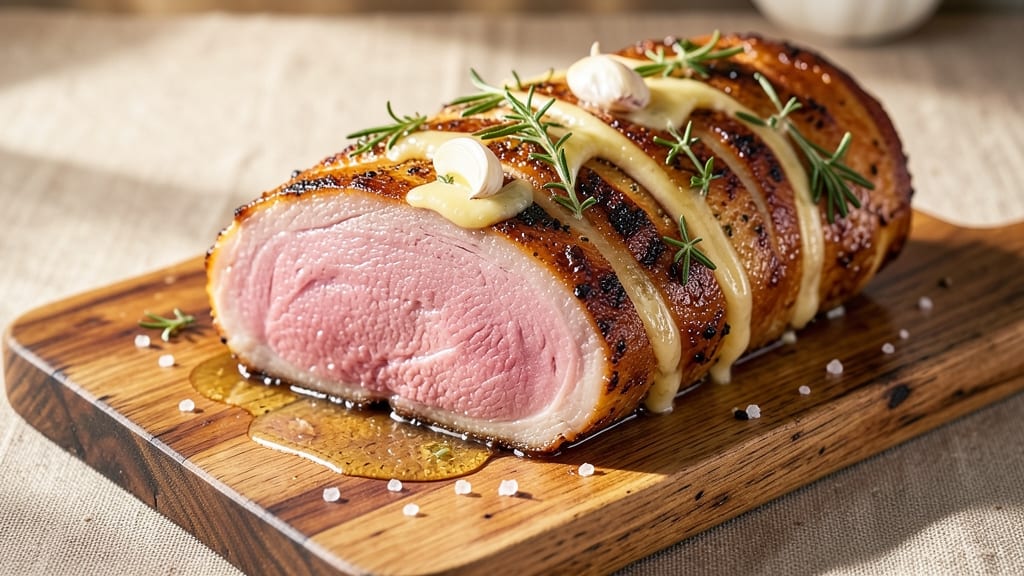
This 4 lb boneless pork loin roast recipe delivers restaurant-quality results with perfect juiciness every time. After years of perfecting pork roasting techniques—from my CIA training to cooking thousands of pounds weekly—I’ve cracked the code for even doneness and tender texture.
The secret lies in precise temperature control and proper resting time, ensuring no dry, overcooked meat here.
What sets this recipe apart is the foolproof method that works for home cooks and professionals alike. You’ll need just a few simple ingredients, a meat thermometer (non-negotiable), and about 1 hour 45 minutes of active cooking time.
The pork roast comes out with a golden crust, tender interior, and juices that practically pour out when sliced—no guesswork required.
Pair this roast with classic sides like roasted potatoes, caramelized onions, or a rich apple cider gravy for a complete meal. The juicy, even doneness makes it perfect for family dinners, holiday feasts, or when you want to impress guests without stressing over the cooking process.
Trust me, this is the pork roast recipe that’ll have everyone asking for seconds.
Once you try this method, you’ll never settle for less than perfectly cooked pork loin again. The technique is simple enough for weeknight dinners but refined enough for special occasions. Let’s get started on creating a roast that’ll make your kitchen smell like a Southern comfort food dream.
Ingredients for 4 lb boneless pork loin roast
Four pounds of pork loin plus herbs and butter—this is the lineup for restaurant-quality roast at home.
| Ingredient | Amount | Notes |
|---|---|---|
| Boneless Pork Loin Roast 🐖 | 4 lb | Center-cut for even cooking |
| Unsalted Butter 🧈 | ½ cup | Cold, cut into 1-inch cubes |
| Fresh Rosemary 🌿 | ¼ cup | Chopped, fresh preferred |
| Fresh Thyme 🌿 | ¼ cup | Chopped, stems removed |
| Garlic Cloves 🧄 | 8 cloves | Peeled, smashed lightly |
| Kosher Salt 🧂 | 1 ½ tbsp | Diamond Crystal preferred |
| Freshly Ground Black Pepper 🌶️ | 1 tbsp | Coarse grind preferred |
| Apple Cider Vinegar 🍎 | 1 tbsp | For crust development |
| Olive Oil 🫒 | 2 tbsp | Extra-virgin for richness |
| Vegetable Oil 🫒 | 1 tbsp | For greasing pan |
| Fresh Parsley 🌿 | ⅛ cup | Chopped, for garnish |
The pork loin is your star, so center-cut is non-negotiable—it's more tender and cooks evenly. Grab it from the butcher counter if your store doesn't carry pre-trimmed loins. Look for good marbling and vibrant color—pale, watery meat is a red flag. I always ask for the loin to be tied with butcher's twine before I buy it (the butcher can do this for free), which helps it hold its shape during cooking. For the herbs, fresh is worth it here—dried just won't give the same aromatic punch. If you're in a pinch, dried rosemary and thyme work at half the amount, but fresh is ideal.
No fresh rosemary? Dried works at half the quantity, but toast it first in a dry pan for 30 seconds to wake up the flavor. The butter should be cold when you cut it into cubes—this helps create that golden crust. For the vinegar, if you don't have apple cider, white wine vinegar or lemon juice works in a bind. The olive oil matters here—use something fruity and peppery, not the cheap grocery store kind. And if you're worried about the pork drying out, don't skip the resting time—that's where the magic happens. Trust me, the extra 15 minutes makes all the difference.
This roast reheats beautifully—just warm it in the oven at 300°F for about 15 minutes with some butter and broth. Keeps 3-4 days in the fridge wrapped tightly in foil, or up to 3 months frozen if you portion it properly. I like to slice it after cooking and freeze individual portions for quick meals. The leftovers make killer sandwiches too—just pile on some mustard and pickles for a Southern-style pork sandwich that'll blow your mind.
Why You'll Love This Recipe
- One-Pan Magic: I swear by this—just sear the pork with butter, garlic, and herbs, then let the oven do the work. No chopping, no flipping, no stress. That golden crust forms while you’re still deciding what to drink with dinner.
- Herb-Packed Punch: The rosemary and thyme cling to the meat like a hug, and the garlic? It caramelizes into little flavor bombs. One bite and you’ll forget about sad takeout nights—this is the kind of dish that makes you pause mid-chew and go, "Wait, I made this?"
- Leftovers That Don’t Suck: Between us, pork loin is one of those proteins that improves the next day. Slice it thin for sandwiches, cube it for fried rice, or just reheat with a splash of broth—it’s the ultimate lazy lunch savior. (Yes, even on a Tuesday.)
- Weeknight Hero: This roast is my go-to when I’m too tired to think. Toss it in the oven while I prep sides, then walk away. By the time I’m done chopping veggies, it’s resting—juicy, tender, and ready to feed the whole family without turning my kitchen into a war zone.
Step-by-step instructions for precision-cooked pork loin roast
Here's how to transform a simple pork loin into a showstopping centerpiece with perfect juiciness.
Prepare the Pork with Herb Butter Rub
Pat the 4 lb boneless pork loin roast dry with paper towels—this is crucial for that crispy exterior. Place it on a cutting board and make small slits all over the surface, about ½-inch deep. This helps the herb butter penetrate deeper and creates more surface area for flavor infusion.
In a small bowl, combine the 0.5 cup unsalted butter, 0.25 cup chopped fresh rosemary, 0.25 cup chopped fresh thyme, 8 smashed garlic cloves, 1.5 tbsp kosher salt, and 1 tbsp freshly ground black pepper. Rub this mixture generously over the pork, pressing it into the slits. The butter should coat the meat completely—this ensures maximum moisture retention during roasting.
Let the seasoned pork rest at room temperature for 30 minutes while you preheat your oven to 325°F. This resting period allows the meat to come to room temperature, which promotes even cooking throughout. Don't skip this step—it's what guarantees that perfect doneness from edge to center.
Sear for Crispy Texture Before Roasting
Heat 1 tbsp vegetable oil in a large oven-safe skillet over medium-high heat until shimmering. Place the pork loin in the skillet and sear for 3 minutes per side until golden brown. This initial searing creates a flavorful crust that locks in juices during roasting.
Here's a pro tip: After searing, pour 1 tbsp apple cider vinegar over the pork and tilt the pan to coat the bottom. The acid helps develop a caramelized crust while adding depth of flavor. Let the vinegar bubble away for about 30 seconds before transferring the skillet to the preheated oven.
I like to place a wire rack on top of the pork to allow air circulation underneath, which helps prevent the bottom from steaming. This ensures even cooking and that perfect crust all around.
Roast to Perfect Medium Doneness
Roast the pork in the oven for 45-55 minutes, or until the internal temperature reaches 145°F when measured with a meat thermometer in the thickest part of the roast. The exact time depends on your oven—start checking at the 40-minute mark. The pork is done when it reaches this temperature and the juices run clear when pierced with a knife.
This medium doneness is ideal for pork loin—it's juicy and tender without being overly soft. If you prefer your pork more well-done, continue cooking until it reaches 150°F, but be aware the texture will be slightly firmer. The key is to pull it out just as it reaches the target temperature—it will continue cooking slightly as it rests.
During the last 10 minutes of roasting, you can add a splash of water to the pan if it starts to dry out. This creates a light pan sauce that you can use to baste the pork occasionally during the final minutes of cooking.
Rest and Slice for Maximum Juiciness
Transfer the pork to a cutting board and tent loosely with aluminum foil. Let it rest for 15 minutes before slicing. This resting period is absolutely critical—it allows the juices to redistribute throughout the meat, preventing them from pooling on your plate when you cut into it.
While the pork rests, use a sharp carving knife to slice it into ½-inch thick medallions against the grain. The grain direction is easy to spot—it's the lines running through the meat. Cutting against these lines makes each bite more tender and enjoyable.
Garnish each serving with the 0.125 cup chopped fresh parsley and serve immediately with any pan juices or sauce. The pork should be juicy, flavorful, and perfectly cooked through every bite. This method ensures you'll never have dry, overcooked pork again.
Pro Tips For Making 4 Lb Boneless Pork Loin Roast
- USE A MEAT THERMOMETER: I learned this the hard way—pork loin can dry out fast, and guessing by touch leads to overcooking. Aim for 145°F internal temp (15 minutes after removing from heat), not the recipe’s suggested time. That little probe saves you from rubbery meat every time.
- TRIM THE FAT, NOT THE FLAVOR: That thin layer of fat on pork loin? Don’t cut it all off—it keeps the meat moist. Just trim the outer edges clean, then score the fat cap in a crosshatch pattern. Brush with melted butter afterward so the herbs stick and the crust forms where it counts.
- DON’T SKIP THE ROOM-TEMP REST: Take the pork out of the fridge 30 minutes before roasting—yes, even if you’re in a hurry. Cold meat sears unevenly and steams instead of browning. Let it sit on the counter while you preheat the oven; your future self will notice the difference in texture.
- UPGRADE THE HERB MIX: Fresh rosemary and thyme are great, but here’s the trick: finely chop the stems too—they’re just as flavorful as the leaves. Mix them with minced garlic and a pinch of salt, then press the paste directly into the pork’s surface before buttering. It locks in aroma better than just sprinkling.
Troubleshooting this dish
Uneven Cooking
If your pork loin finishes with some areas undercooked while others are overdone, it’s usually due to inconsistent heat distribution or improper positioning.
I’ve seen this happen when roasting on a wire rack without proper airflow—hot spots develop near the oven’s heating elements. Solution: Use a wire rack on a baking sheet and rotate the roast halfway through cooking (about 25 minutes in).
Also, avoid crowding the pan—leave at least 1 inch of space around the pork for even air circulation. 🌡️
Another common culprit is an oven that runs hotter in certain areas. Test your oven’s temperature zones by placing an oven thermometer in different spots—if you find a 25°F+ variation, adjust your rack position or use the middle rack for more consistent results.
I’ve even seen home cooks use a pie iron to create a makeshift rack when needed.
Dry, Tough Meat
Pork loin can turn out dry if it’s overcooked or not rested properly. The 145°F internal temperature is your sweet spot—any higher risks drying it out. Solution: Pull the pork out as soon as it hits 145°F and let it rest for the full 15 minutes before slicing.
I’ve ruined many a roast by cutting into it too soon, and the juices just pool on my plate. 💧
For extra moisture, try brushing the pork with 2 tbsp melted butter during the last 10 minutes of roasting. This creates a protective seal that keeps the meat juicy.
If your roast still seems dry, it might be too lean—look for pork with slightly more marbling, or consider adding a thin slice of bacon wrapped around it before roasting for added fat.
Pale, Bland Flavor
A pale, flavorless roast usually means the herb butter rub didn’t penetrate enough or the sear wasn’t crispy enough. Solution: Make deeper slits (½-inch deep) in the pork and press the herb butter mixture firmly into them.
For extra flavor, sear the pork in duck fat or ghee instead of vegetable oil—the higher smoke point and richer flavor make a noticeable difference. 🧈
If your pork tastes bland, it might also be underseasoned. Double-check your salt—Diamond Crystal kosher salt is coarser, so you might need a pinch more. I’ve also found that adding ½ tsp smoked paprika to the herb butter rub adds depth without overpowering the dish.
For a smoky twist, try a quick sear in a cast iron skillet before roasting.
Overly Greasy Crust
If your pork ends up with a greasy, soggy crust instead of a crispy one, it’s likely because the butter melted too quickly during roasting. Solution: Pat the pork dry again after searing, and use a wire rack to elevate it above the pan.
This prevents steam from building up and keeps the crust crisp. I also recommend roasting at 325°F—higher temps can cause the butter to render too fast, leading to a greasy mess. 🔥
For a cleaner crust, try using herb-infused olive oil instead of butter for the rub. Mix 2 tbsp olive oil with your herbs and garlic, then brush it on after searing. This still gives flavor without the same greasiness.
If you prefer butter, just reduce the amount to ¼ cup and add an extra 1 tbsp of apple cider vinegar to help crisp the crust.
Shrinking or Warping
Pork loin can shrink or warp if it’s not tied properly or if the oven temperature fluctuates. Solution: Ask your butcher to tie the roast with butcher’s twine before purchasing—this keeps it uniform in shape.
If you’re tying it yourself, use two pieces of twine in an X pattern for stability. Also, avoid opening the oven door during the first 30 minutes of cooking to maintain consistent heat. ⚡
If your roast still warps, it might be due to uneven fat distribution. Trim any large fat deposits and redistribute them evenly over the surface before seasoning. For extra support, place the pork on a stable baking sheet rather than a flimsy roasting pan.
I’ve even seen chefs use a meat mallet to gently flatten thicker sections before roasting—just don’t overdo it!
Nutrition facts
Frequently asked questions
Can I use a different cut of pork instead of boneless pork loin?
For this recipe, boneless pork loin is ideal because it's tender and cooks evenly. If you must substitute, try a 4 lb pork tenderloin—it's even more tender but cooks faster (about 25-30 minutes at 325°F). Avoid pork shoulder or rib roast—they're fattier and require different cooking methods like braising.
How do I know when the pork is fully cooked without a meat thermometer?
If you don't have a thermometer, use the "finger test": Press the pork gently with your finger—it should feel firm but still slightly springy, like pressing your thumb against your palm. For visual cues, look for juices that run clear when pierced (not pink or bloody). Cut into the thickest part—it should show no pink center. Remember, pork is safe at 145°F, but without a thermometer, you risk overcooking.
Can I make this pork roast ahead of time and reheat it?
Cook the pork as directed, then let it cool completely. Wrap tightly in aluminum foil and refrigerate for up to 3-4 days. To reheat, warm in a 300°F oven for 15-20 minutes with a splash of broth or butter to keep it moist. For freezing, slice the cooked pork and store in airtight containers for up to 3 months. Reheat frozen slices in a skillet over medium heat for 3-4 minutes per side.
What are the best side dishes to serve with this pork roast?
Classic pairings include creamy mashed potatoes, roasted Brussels sprouts with bacon, or a tangy apple cider gravy. For a Southern touch, try cornbread and sautéed green beans. I also love serving it with a crisp arugula salad dressed with lemon vinaigrette to cut through the richness. The herb butter flavors in the pork work beautifully with earthy root vegetables like carrots or parsnips too.
Why does my pork come out dry even when I follow the recipe?
Dry pork usually means it was overcooked or didn't rest long enough. Always pull it out at 145°F and rest for the full 15 minutes—this lets juices redistribute. Another common mistake is using a lean cut without added fat. For extra moisture, try wrapping the pork with a thin slice of bacon before roasting, or brush it with melted butter during the last 10 minutes of cooking.