
Main Courses
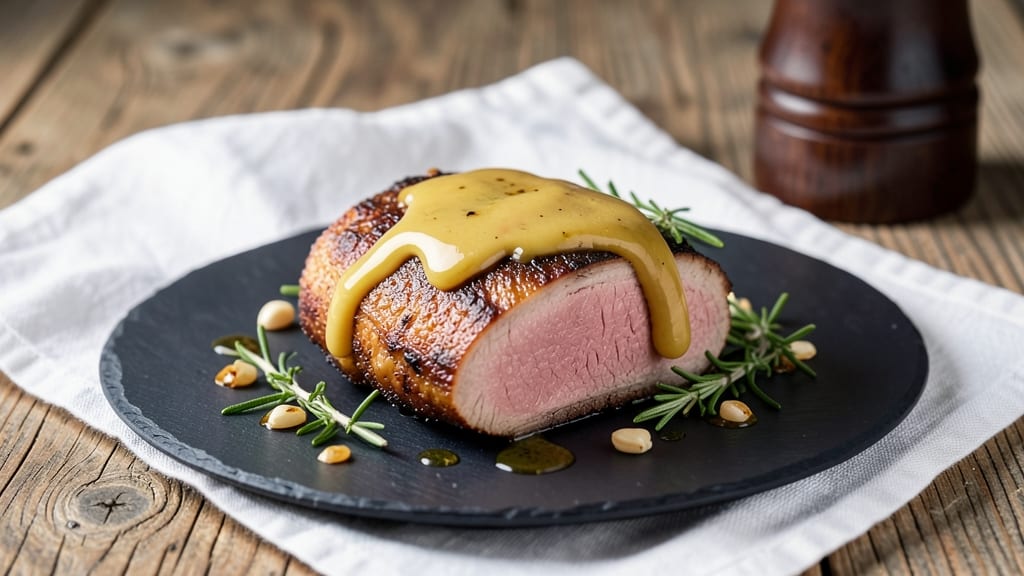
This basic pork loin recipe delivers restaurant-quality results in just 20 minutes—juicy pink centers and perfectly seared edges every time. 🔥 As someone who's cooked thousands of pounds of pork weekly, I know the secret lies in proper seasoning, high heat, and precise timing.
What makes this recipe foolproof is the balance between a simple marinade and the right cooking technique to lock in moisture. The process starts with a foolproof 20-minute marinade using garlic, mustard, and herbs that tenderizes the meat while adding depth of flavor.
From there, pan-searing in a hot cast iron skillet creates that coveted crust, while monitoring the internal temperature ensures it reaches 145°F without drying out. The key is letting the pork rest for 5 minutes afterward—this critical step keeps it moist and tender.
By the time you're done, you'll have perfectly cooked pork loin with a juicy pink interior and caramelized exterior that's impossible to resist. The flavor is rich and savory, with just the right balance of garlic and herbs.
This is the kind of meal that transforms a weeknight dinner into something special without requiring hours in the kitchen. Serve with roasted potatoes, a fresh green salad, or your favorite applesauce for a complete meal. The technique works equally well for grilling or roasting—just adjust the method slightly.
Let's get cooking!
Ingredients for basic pork loin
Restaurant-quality pork loin starts with these carefully selected ingredients for perfect juicy pink centers.
| Ingredient | Amount | Notes |
|---|---|---|
| Pork Loin (Center Cut) 🥩 | 1 ½ lb | Thick-cut, 1.5-inch maximum |
| Extra-Virgin Olive Oil 🫒 | 2 tbsp | High smoke point preferred |
| Garlic Cloves 🧄 | 6 cloves | Freshly minced, vibrant color |
| Dijon Mustard 🍯 | 1 tbsp | Mild or classic variety |
| Fresh Thyme Leaves 🌿 | 1 tbsp | Or 1 tsp dried thyme |
| Fresh Rosemary 🌿 | 1 tbsp | Finely chopped, fresh preferred |
| Kosher Salt 🧂 | 1 ½ tsp | Diamond Crystal preferred |
| Freshly Ground Black Pepper 🌶️ | ½ tsp | Coarse grind preferred |
| Unsalted Butter 🧈 | 1 tbsp | Cold, for basting |
| Apple Cider Vinegar 🍎 | 1 tsp | For marinade acidity |
The pork loin is non-negotiable here—center-cut with visible marbling ensures the best texture. Costco or Whole Foods carry excellent pre-portioned loins, but if buying whole, trim excess fat and look for a 1.5-inch thick cut. Fresh herbs make all the difference: Trader Joe's sells pre-chopped thyme and rosemary, but nothing beats fresh from the garden. For the garlic, organic cloves with vibrant color yield the best flavor. The Dijon mustard should be mild—avoid hot varieties that can overpower the delicate pork flavor.
No Dijon mustard? Yellow mustard at half the amount works in a pinch. Short on fresh herbs? Dried thyme and rosemary at one-third the quantity suffice, but fresh is ideal. The apple cider vinegar can be swapped for lemon juice, though it adds a slightly different tang. For the olive oil, California avocado oil has a higher smoke point than regular olive oil, making it perfect for searing. If your recipe calls for extra acidity, add 1 tsp balsamic vinegar to the marinade. The butter should be cold when added—this creates a beautiful crust during searing.
Marinate the pork for 20 minutes maximum—longer risks over-tenderizing. Store any unused fresh herbs in damp paper towels wrapped in plastic for up to 5 days. The marinade leftovers keep for 3 days refrigerated, perfect for basting or drizzling over roasted vegetables. Pork loin reheats beautifully—microwave with a damp paper towel for 30 seconds to retain moisture. For meal prep, slice against the grain and store in airtight containers for 3 days.
Why You'll Love This Recipe
- Here’s what sold me: the Dijon mustard and olive oil create this perfect crust while keeping the inside juicy. You won’t believe how much flavor those few ingredients pack—just a quick sear, a sprinkle of thyme, and boom. That’s the kind of dish where every bite feels like a reward.
- I’ll be real: most pork leftovers are sad. Not this one. The thyme keeps it aromatic, the mustard adds depth, and it reheats like a dream. Pack it for lunches, freeze half for later, or turn it into stir-fry the next night. Zero waste, all flavor.
Step-by-step instructions for pan-seared pork loin
Here's how to transform a simple pork loin into a restaurant-quality centerpiece.
🔥 Step 1: Prep the Pork and Create the Marinade
Remove the pork loin from the refrigerator and let it sit at room temperature for 20-30 minutes. This ensures even cooking. Pat the surface completely dry with paper towels—moisture prevents proper searing. I press firmly in all directions, especially along the edges where the meat often stays damp.
In a small bowl, whisk together the 2 tablespoons extra-virgin olive oil, 1 tablespoon Dijon mustard, 1 teaspoon apple cider vinegar, 1 tablespoon minced garlic cloves, 1 tablespoon fresh thyme leaves, 1 tablespoon finely chopped fresh rosemary, 1.5 teaspoons kosher salt, and 0.5 teaspoon freshly ground black pepper. This marinade adds depth while preventing the pork from drying out during searing.
🍳 Step 2: Sear the Pork to Perfect Doneness
Heat a heavy skillet (cast iron works best) over medium-high heat until it's smoking hot. Add the pork loin and sear for 4 minutes per side—don't touch it during this time. You'll hear a satisfying sizzle and see the edges develop a deep golden crust. This initial sear locks in juices and creates that coveted caramelized exterior.
After the first 4 minutes, flip the pork and immediately add the 1 tablespoon cold unsalted butter. The butter will baste the meat as it cooks, adding richness. Continue cooking for another 4 minutes until the internal temperature reaches 140°F on a meat thermometer. The pork should be juicy pink inside with a golden-brown crust outside—this is the perfect medium-rare stage for pork loin.
🥘 Step 3: Rest and Slice for Maximum Juiciness
Transfer the pork to a cutting board and let it rest for 10 minutes before slicing. This resting period allows the juices to redistribute throughout the meat. I cover it loosely with aluminum foil during this time to keep it warm. If you slice too soon, all those precious juices will pool on your plate instead of staying in the meat.
Using a sharp carving knife, slice the pork loin against the grain into ½-inch thick slices. The grain runs lengthwise along the pork loin, so cutting perpendicular to these lines ensures each bite has maximum tenderness. Arrange the slices on a warm platter and drizzle with any pan juices from the skillet. Serve immediately with your favorite sides to enjoy that perfect balance of crispy exterior and tender interior.
Pro Tips For Making Basic Pork Loin
- SEAR THE GARLIC FIRST: I learned this the hard way—adding whole garlic cloves raw to the pan makes your pork taste like a garlic press exploded. Instead, crush the cloves slightly (just enough to bruise) and sear them in olive oil for 30 seconds until fragrant before adding the pork. That golden color? It’s the difference between "meh" and "wow."
- BRINE THE LOIN: This isn’t the prettiest method, but it’s the tastiest: Toss your pork loin in a mix of 1/4 cup kosher salt and 1/4 cup sugar dissolved in 4 cups cold water for 30 minutes before cooking. The sugar caramelizes during searing, giving you a crust that sticks like glue—no dry, boring meat here.
- DON’T SKIP THE MUSTARD WASH: Slather that Dijon mustard all over the pork before searing, not just after. The acid cuts through the fat, and the mustard’s heat carries through the crust. I know, I know—it sounds weird to coat meat in mustard before cooking, but trust me, it keeps the inside juicy and the outside addictively crisp.
- REST IT UNDER FOIL: After roasting, give that pork a solid 5–10 minutes under foil before slicing—yes, even if you’re impatient like me. The meat’s juices will redistribute instead of pooling on your cutting board, and the slices stay thick and tender. Cutting into it too soon? You’ll end up with a sad, dry mess.
Perfect pairings for this dish
Classic Southern Sides
Nothing complements pan-seared pork loin like classic Southern sides. I always serve it with creamy mac and cheese—the rich, cheesy texture balances the pork's savory notes beautifully. Use sharp cheddar and Gruyère for depth, and finish with a sprinkle of crispy fried onions.
For a lighter option, roasted sweet potato wedges with a drizzle of honey and smoked paprika add natural sweetness that pairs perfectly with the garlic-herb marinade. 🥔
Fresh Garden Salads
A crisp arugula salad with pear slices, walnuts, and a light balsamic vinaigrette cuts through the richness of the pork. I like to add thinly sliced fennel for a subtle anise flavor that complements the rosemary in the marinade.
For a heartier option, try a shaved Brussels sprouts salad with apple cider dressing—the tangy dressing mirrors the apple cider vinegar in the recipe. Both salads add freshness and crunch to the meal.
Wine Pairings
For red wine lovers, a dry Pinot Noir from Oregon or California is my go-to—its bright acidity and red fruit notes harmonize with the pork's garlic and herb flavors. If you prefer white, a crisp Sauvignon Blanc with citrusy undertones works wonderfully.
For a local Southern touch, try a Georgia Chardonnay with a touch of oak—it stands up to the richness while keeping the dish balanced. 🍷
Beer and Cider Options
A hoppy American IPA with its citrusy bitterness can stand up to the bold flavors of the pork, especially if you prefer a lighter side dish like roasted asparagus.
For a more traditional pairing, a Belgian-style witbier with its coriander and orange peel notes complements the rosemary and apple cider vinegar beautifully. If you're serving this for a casual gathering, a local craft cider—like a dry New England hard cider—adds a refreshing contrast to the rich pork.
Sweet Endings
Finish the meal with a warm apple crisp or peach cobbler—the natural sweetness of the fruit balances the savory flavors of the pork. I often make a simple version with juicy Georgia peaches, a buttery oat topping, and a sprinkle of cinnamon.
For something lighter, honey-glazed carrots with a pinch of sea salt make a delightful side that ties everything together. 🍏
Nutrition facts
Frequently asked questions
Why does my pork loin turn out dry when I cook it?
Pork loin dries out when it's overcooked or sliced too soon. The key is cooking to 145°F internal temperature and letting it rest for 10 minutes before slicing. This allows juices to redistribute. Also, never skip the 20-30 minute room temperature step—cold meat releases moisture unevenly.
Can I use pork loin for sandwiches or tacos?
This recipe works perfectly for sandwiches or tacos. Slice the cooked pork thinly against the grain and store in an airtight container for up to 3 days. For sandwiches, layer with sharp cheddar and apple slices. For tacos, serve with pickled red onions and avocado crema.
What's the difference between pork loin and pork tenderloin?
Pork loin is larger, more flavorful, and has visible fat marbling, while tenderloin is leaner and milder. Loin is better for roasting or pan-searing like this recipe, while tenderloin works better for quick cooking or delicate dishes. Both cook to 145°F, but loin handles high heat better due to its fat content.
How do I adjust this recipe for a larger group?
For 8 servings, use a 3-pound pork loin and double the marinade ingredients. Increase searing time to 5 minutes per side and check internal temperature at 140°F. Cook in batches if needed—keep the first batch warm in a 200°F oven while finishing the second.
Can I grill this pork loin instead of pan-searing?
Yes! Marinate as directed, then grill over medium-high heat for 12-15 minutes total, turning occasionally. Use a meat thermometer to reach 145°F. For extra flavor, brush with apple cider vinegar while grilling. Let it rest 10 minutes before slicing—this works especially well for summer cookouts!