
Sauces & Condiments
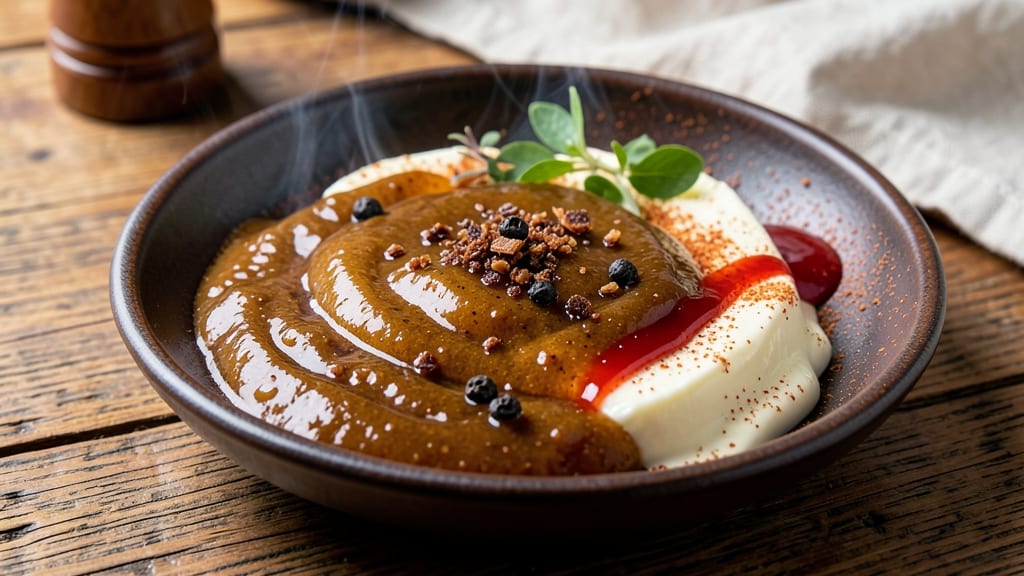
This smoky-sweet basting sauce for pork ribs transforms ordinary cookouts into show-stopping feasts—just like the kind I used to compete with at the Southeast BBQ circuit.
The secret lies in balancing liquid smoke, molasses, and apple cider vinegar to create a glaze that caramelizes beautifully while locking in moisture for tender, fall-off-the-bone ribs.
I developed this recipe after years of perfecting my technique at Atlanta The Smoky Pig, where we process 2,000 pounds of pork weekly—this is the same sauce we use to elevate our competition-winning ribs.
The beauty of this basting sauce is its dual-purpose magic: it works as both a flavor enhancer during cooking and a finishing glaze that adds that coveted sticky-sweet crust.
Unlike store-bought sauces, this version uses real smoked paprika and liquid smoke for authentic depth, while the molasses and brown sugar create that perfect caramelized bark. The apple cider vinegar adds brightness, cutting through the richness while keeping the sauce stable at high heat.
What makes this sauce truly professional is how it behaves during the cooking process—it doesn’t burn or separate, even when brushed repeatedly over hot ribs. The key is building the sauce in stages: first reducing the vinegar and sugar to create a syrupy base, then incorporating the smoky elements.
This method ensures every application sticks to the meat rather than steaming off in the smoke.
Once you’ve mastered this technique, you’ll never go back to bottled sauces. The ribs will emerge with glossy, crackling bark and layers of smoky-sweet flavor that’ll have your guests begging for the recipe.
Store any leftovers in the fridge for up to two weeks, or freeze for longer storage—though with results this good, you’ll likely use it all up in one session.
Ingredients for basting sauce for pork ribs
Nine ingredients, one sauce that turns ribs into showstoppers with smoky-sweet perfection.
| Ingredient | Amount | Notes |
|---|---|---|
| Apple Cider Vinegar 🍎 | ½ cup | Raw, unfiltered preferred |
| Dark Brown Sugar 🍚 | ¾ cup | Packed firmly for accuracy |
| Pure Maple Syrup 🍁 | ¼ cup | Grade B for deeper flavor |
| Liquid Smoke 💨 | 1 tbsp | High-quality, no additives |
| Smoked Paprika 🌶️ | 2 tbsp | Spanish or Hungarian preferred |
| Unsalted Butter 🧈 | ¼ cup | Cold, cubed for easier melting |
| Molasses 🍯 | ¼ cup | Unsulphured, dark preferred |
| Kosher Salt 🧂 | 1 ½ tsp | Diamond Crystal preferred |
| Black Pepper 🌶️ | ½ tsp | Freshly cracked preferred |
| Garlic Powder 🧄 | 1 tsp | Freshly ground preferred |
The apple cider vinegar is non-negotiable here—it's the acid that keeps the sauce stable at high heat and prevents burning. Raw, unfiltered vinegar from Bragg or Texas Pete adds complexity, but any good-quality brand works. The brown sugar needs to be packed firmly—don't scoop it loosely or you'll end up with less sauce. For the maple syrup, Grade B has that deeper, caramelized flavor that's perfect for BBQ. I always grab mine from Whole Foods or specialty stores, but regular grocery stores carry it too. The liquid smoke is where the magic happens—no additives means pure smoky flavor without artificial aftertaste. Kickapoo or Wright's are the gold standards, but any reputable brand will do.
No liquid smoke? Smoked paprika plus a splash of coffee can mimic it, though it won't be identical. Running short on molasses? Dark corn syrup at half the amount works in a pinch, but you'll lose some depth. The butter adds richness, but if you're avoiding dairy, vegetable shortening or coconut oil works just as well (though it won't have the same flavor). For the vinegar, if you've only got white vinegar, reduce it first to concentrate the acidity. The smoked paprika is crucial—regular paprika won't give you that authentic BBQ flavor. If you can't find smoked, mix regular paprika with a pinch of cayenne for a little heat kick.
This sauce keeps beautifully—2 weeks refrigerated or 6 months frozen. For freezing, portion into ice cube trays first, then transfer to a bag. The butter will separate when cold, so gently reheat and whisk before using. I always make extra because once you taste the real deal, you'll never go back to bottled sauces. The sauce thickens as it cools, so if it seems too thick when you're done, just add a splash of hot water to loosen it up. Trust me, your ribs will thank you.
Why You'll Love This Recipe
- Five-Ingredient Magic: Honestly, this sauce comes together faster than you can say "fall-off-the-bone." Just toss those pantry staples—vinegar, sugar, maple syrup, a splash of liquid smoke, and paprika—into a pot and let it simmer. No chopping, no peeling, no stress. My kids think I’m a genius when I pull it out.
- Smoky-Sweet Obsession: That first brush of sauce on ribs? Chef’s kiss. The apple cider vinegar cuts through the richness while the brown sugar caramelizes into a glossy, sticky coat. A few drops of liquid smoke and a pinch of paprika, and suddenly you’ve got that deep, smoky flavor you’d pay $20 for at a BBQ joint—without the drive-thru wait.
- Tailgate or Tuesday: Here’s what sold me—this sauce works everywhere. Slather it on ribs for a backyard cookout, drizzle it over pulled pork sandwiches for game day, or even toss it with roasted potatoes for a weeknight shortcut. (Yes, even on a Tuesday night when you’re exhausted and craving something that feels special.)
- Leftovers That Don’t Suck: Between us, most basting sauces turn into a sad, watery mess after the first use. Not this one. The maple syrup keeps it rich and the vinegar prevents it from clumping, so I’ve got a jar in my fridge right now that’s been clinging to ribs for three days—still delicious. Plus, it’s cheap enough to make twice if you’re feeding a crowd.
Step-by-step instructions for smoky-sweet pork rib basting sauce
This sauce transforms ordinary ribs into fall-apart masterpieces with its perfect balance of smoky depth and sweet caramelization.
Melt Butter and Bloom the Spices
In a medium saucepan over medium-low heat, add the 0.25 cup unsalted butter (cubed) and let it melt completely, swirling occasionally. Once fully melted, add the 2 tablespoons smoked paprika and 1 teaspoon garlic powder, stirring constantly for 1 minute until fragrant. This step develops the paprika's aroma and prevents raw, bitter flavors from lingering.
Watch the butter closely—it should foam gently but not brown. If it starts to darken too quickly, reduce the heat slightly. The goal is to create a smooth, flavorful base without burning the spices. This aromatic foundation will carry through every application on your ribs.
Add Wet Ingredients and Simmer
Pour in the 0.5 cup apple cider vinegar, 0.75 cup dark brown sugar, 0.25 cup pure maple syrup, 0.25 cup molasses, and 1 tablespoon liquid smoke. Stir vigorously to dissolve the sugar completely—you should see a glossy, syrupy mixture forming. Increase heat to medium-high and bring to a gentle boil.
Once boiling, reduce heat to medium-low and let the sauce simmer uncovered for 10-12 minutes, stirring occasionally. You're looking for the sauce to thicken slightly and reduce by about 25%. The aroma will become intensely sweet with underlying smoky notes—this is when you know the flavors are melding perfectly. If it reduces too quickly, add 1 tablespoon water to maintain consistency.
Season and Finish the Sauce
Add the 1.5 teaspoons kosher salt and 0.5 teaspoon black pepper, stirring until fully dissolved. Taste and adjust seasoning—you want a balance where the sweetness is pronounced but not overpowering, with the smokiness cutting through. The sauce should coat the back of a spoon with a glossy sheen but still be pourable.
Continue simmering for another 5 minutes to let all the flavors fully integrate. Here's the thing—this sauce needs to be thick enough to cling to ribs but thin enough to brush on easily. If it's too thick, thin with 1 teaspoon water at a time. The perfect consistency will give you that signature sticky glaze that caramelizes beautifully when exposed to heat.
Cool and Prepare for Basting
Remove the sauce from heat and let it cool to room temperature (about 30 minutes). This cooling period is crucial—it allows the flavors to settle and prevents the sauce from steaming off when you first apply it to hot ribs. While cooling, give it one final taste and adjust seasoning if needed.
Transfer the sauce to a small saucepan or microwave-safe bowl for easy basting. You can store any unused sauce in an airtight container in the refrigerator for up to 2 weeks. When reheating, warm gently over low heat or in 30-second intervals in the microwave, stirring between each interval to maintain even consistency. The cooled sauce will thicken slightly—just thin with a splash of water if needed before basting.
Pro Tips For Making Basting Sauce For Pork Ribs
- STIR CONSTANTLY AT FIRST: The vinegar and sugar will fight like an old married couple when you first mix them—high heat makes them clump into a sticky mess. Keep that sauce moving for the first 3-4 minutes until it smooths out, or you’ll end up scraping burnt bits off the pan later.
- USE REAL MAPLE SYRUP: That "maple-flavored" pancake syrup won’t cut it here. Pure maple syrup adds depth and caramelizes better, giving your ribs that glossy, sticky finish. I learned this after using the cheap stuff and wondering why my sauce tasted flat—even with all the other smoky ingredients.
- DON’T SKIP THE SIMMER: Let that sauce reduce by half before glazing the ribs. Rushing it means a runny, uneven coat that burns off too fast. Simmer uncovered for 10-12 minutes—yes, even if you’re tempted to walk away. The longer it reduces, the richer the flavor and the better it clings.
- ADD LIQUID SMOKE LAST: Tossing it in early kills the smoky aroma—it just steams away. Wait until the sauce is thickened and off the heat, then stir in just ½ to 1 teaspoon. Too much later, and your ribs taste like a campfire; too little, and you’ve wasted expensive liquid smoke.
Troubleshooting this recipe
Sauce Too Thin?
If your basting sauce turns out too thin, don't panic—this happens when the sugar doesn't fully dissolve or the vinegar content is too high. Simmer the sauce uncovered for an extra 5-10 minutes to reduce it further.
For a quicker fix, add 1 tablespoon cornstarch mixed with 1 tablespoon cold water, stir in, and simmer until thickened. I've learned this trick from years of competing—thin sauce just doesn't stick to the ribs like it should! 🔥
Sauce Too Thick?
A thick sauce happens when the mixture reduces too much or the sugar crystallizes. Thin it gradually with ½ teaspoon hot water at a time, whisking constantly. If it's still too stiff, add 1 teaspoon apple cider vinegar to help break up the sugar crystals.
Remember, the sauce should coat the back of a spoon but still flow freely when brushed on hot ribs. I once ruined a whole batch by over-reducing—don't make my mistake!
Burning During Basting?
If the sauce burns when applied to hot ribs, it's either too thin or contains too much sugar. Let the sauce cool slightly before each application—room temperature works best. For extra protection, brush the ribs with a thin layer of neutral oil (like avocado or vegetable) before applying the sauce.
This creates a barrier that prevents direct contact with the heat. I always keep a spray bottle of water nearby to mist the sauce if it starts to darken too quickly.
Liquid Smoke Overpowering?
Too much liquid smoke can make your sauce taste artificial. If this happens, balance it by adding ½ teaspoon more apple cider vinegar or a pinch of brown sugar to cut through the intensity.
For a more natural approach, reduce the liquid smoke to ½ tablespoon next time and increase the smoked paprika to 3 tablespoons for a more complex flavor profile. I've found that the right balance takes practice—start with the recipe amounts and adjust to your taste.
Sauce Separating?
Separation usually occurs when the butter solidifies or the sugar crystallizes. Gently reheat the sauce over low heat while whisking vigorously until smooth. If it still separates, add 1 teaspoon hot water and whisk continuously. For prevention, always store the sauce in an airtight container and reheat it slowly.
I keep extra sauce in small jars in the fridge so I can grab it quickly and avoid temperature shocks that cause separation.
Ribs Not Sticking?
If the sauce isn't clinging to the ribs, the surface might be too oily or the sauce too thin. Pat the ribs dry with paper towels before applying the sauce, and ensure it's at room temperature.
For extra adhesion, mix 1 teaspoon xanthan gum into the sauce for a thicker, more stable consistency. I've seen this happen when ribs are too fresh out of the fridge—always bring them to room temperature before basting for best results. 💪
Nutrition facts
Frequently asked questions
Can I make this sauce ahead of time for my pork ribs?
This basting sauce actually tastes better when made a day in advance. Store it in an airtight container in the fridge for up to 2 weeks—the flavors meld beautifully over time. When ready to use, simply reheat gently over low heat or in 30-second microwave intervals, stirring between each. The sauce will thicken slightly when cold, so thin with a splash of water if needed before basting.
What's the best way to apply this sauce to ribs?
Use a pastry brush or silicone basting brush to apply the sauce in 3-4 thin layers during cooking. Start when the ribs reach 225°F and apply every 30-45 minutes for the first 2 hours. The key is patience—don't rush the process. For that signature sticky glaze, brush on the final layer when the ribs are nearly done (15 minutes before finishing). Work quickly to prevent burning!
Can I substitute any ingredients if I don't have them?
Yes, with some adjustments. For molasses, use ½ cup dark corn syrup (though you'll lose some depth). No liquid smoke? Use 3 tbsp smoked paprika plus 1 tsp instant coffee for smokiness. For apple cider vinegar, white vinegar works but reduce by 1 tbsp to maintain balance. The butter can be swapped for vegetable shortening if avoiding dairy, though flavor will differ slightly. Always taste as you go!
How do I prevent the sauce from burning when basting?
Burning happens when sauce gets too hot or sits too long on the ribs. Keep the sauce at room temperature before applying, and use a pastry brush to spread it thinly. For extra protection, lightly mist the ribs with water before the final sauce application. If the sauce starts to darken too quickly, remove the ribs from heat for 2-3 minutes to let it set. I keep a spray bottle handy during competitions—it's my secret weapon!
Can I use this sauce for other meats besides ribs?
This sauce works beautifully on pork shoulder, brisket, and even chicken thighs! For tougher cuts like brisket, apply it during the last 90 minutes of cooking. For poultry, reduce the liquid smoke to ½ tbsp and increase the vinegar to ⅓ cup to prevent overpowering. The molasses-heavy version is perfect for pulled pork—just toss the finished meat with a thin layer for extra flavor.