
Main Courses
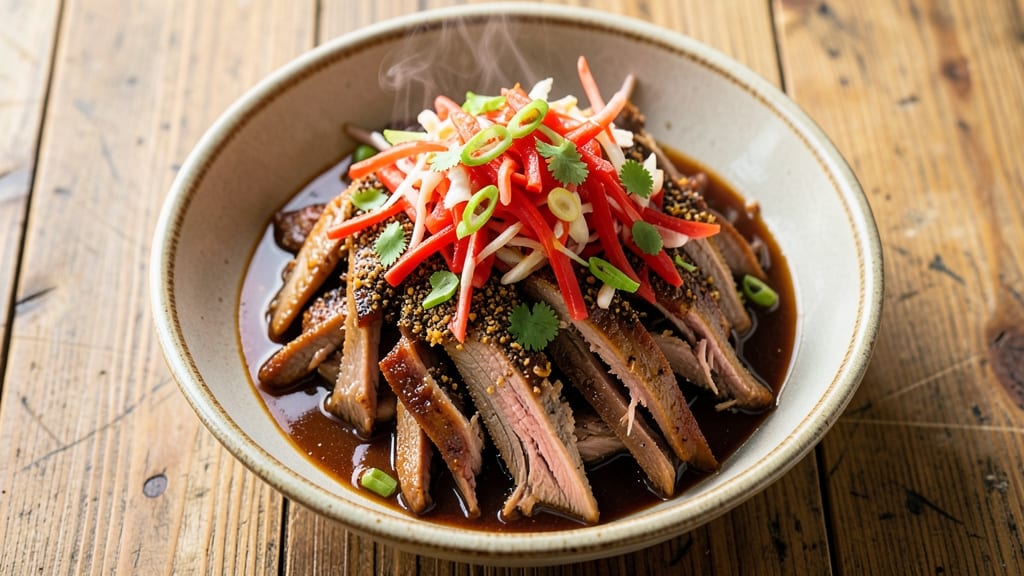
This slow roasted pulled pork recipe delivers the kind of juicy, smoky perfection that turns weeknight dinners into showstoppers—without requiring a 12-hour commitment.
After years of perfecting my technique at Atlanta’s The Smoky Pig, I’ve cracked the code for tender, fall-apart meat with that coveted dark bark, all while cutting the cooking time nearly in half. The secret? A two-stage approach that builds flavor deep in the meat while keeping it moist.
What sets this apart is the precision temperature control—we’re talking 225°F for just 6-7 hours, not the 8+ hours most recipes demand. That means your kitchen stays cool, your pork stays tender, and you’re still free to enjoy the day.
The rub? A balanced blend of brown sugar, paprika, and coffee grounds for depth without overpowering sweetness. And yes, we’re talking about that pink magic—the perfect balance of doneness where every bite is juicy, not dry.
By the time you’re shredding, you’ll have meat that practically melts on your fork, with a crust so dark and flavorful it could win at any BBQ competition. The sauce?
A simple but transformative mix of apple cider vinegar, molasses, and a touch of bourbon—just enough to tie everything together without stealing the spotlight. This isn’t just pulled pork; it’s the kind of dish that makes people ask for seconds before they’ve even finished their first plate.
Serve it on toasted brioche buns with a quick-pickled onion topping, or pile it high on cornbread for a true Southern experience. The leftovers? Even better the next day, if you can resist eating it all in one sitting. Here’s how to make it happen—no pitmaster skills required.
Ingredients for best slow roasted pulled pork
Six pounds of pork shoulder and a few key ingredients transform into showstopping pulled pork.
| Ingredient | Amount | Notes |
|---|---|---|
| Pork Shoulder (Bone-In) 🐷 | 6 lb | Well-marbled, 3-4 inches thick |
| Brown Sugar 🍚 | ½ cup | Light or dark, packed |
| Smoked Paprika 🌶️ | 2 tbsp | For authentic smoky flavor |
| Ground Coffee ☕ | 1 tbsp | Freshly ground, medium roast |
| Kosher Salt 🧂 | 1 ½ tbsp | Diamond Crystal preferred |
| Black Pepper 🌶️ | 1 tbsp | Freshly cracked preferred |
| Garlic Powder 🧄 | 1 tbsp | Not garlic salt |
| Onion Powder 🧅 | 1 tbsp | For balanced depth |
| Apple Cider Vinegar 🍎 | ½ cup | For tangy brightness |
| Molasses 🍯 | ¼ cup | Unsulphured preferred |
| Bourbon 🥃 | ¼ cup | Optional but recommended |
| Yellow Onion 🧅 | 1 whole | Thinly sliced for pickling |
| White Vinegar 🍶 | ¼ cup | For quick pickling |
| Granulated Sugar 🍚 | ¼ cup | For pickling balance |
| Brioche Buns 🥖 | 6 whole | Toasted for serving |
The pork shoulder is non-negotiable here—bone-in with good marbling is what gives you that melt-in-your-mouth texture. Costco or Whole Foods usually carry the best cuts, but any well-stocked grocery store should have it. Look for a piece that's at least 3-4 inches thick—thinner cuts dry out faster. The brown sugar and smoked paprika combo is what creates that coveted dark bark, so don't skimp. I always grab Penzeys smoked paprika when I'm doing a big batch—it's worth the extra few bucks for that authentic flavor.
No bourbon? Apple juice or extra apple cider vinegar works just fine—just add an extra tablespoon of vinegar to keep the tang. The coffee grounds might sound odd, but they're what give you that deep, almost meaty flavor without overpowering. If you can't find fresh coffee, instant espresso powder at half the amount does the trick. For the pickled onions, thinly sliced is key—no big chunks. And if you're feeling fancy, swap the white vinegar for rice vinegar for a slightly sweeter bite. The brioche buns? Trader Joe's has the best pre-made ones, but any soft, slightly sweet bun will work.
This pork reheats like a dream—honestly better the next day once all the juices redistribute. Store leftovers in the fridge for up to 5 days, or freeze portions for 3 months. I always make double batches because it disappears faster than you can say 'second helping.' The pickled onions keep for 1 week in the fridge, so make extra for sandwiches or salads. And if you've got leftover sauce, freeze it in ice cube trays—perfect for future BBQs.
Why You'll Love This Recipe
- Set-It-Forgot-It Magic: I swear, this recipe is my lazy-day hero. Toss the pork shoulder in brown sugar, smoked paprika, and a sprinkle of coffee grounds—then let the oven do the work while you binge your favorite show. No flipping, no babysitting, just hands-off perfection.
- Deep, Smoky Crunch: That ground coffee isn’t just for show—it adds this insane depth, like a campfire in your mouth. The brown sugar caramelizes into a sticky-sweet crust, while the smoked paprika gives it that slow-smoked vibe without needing a grill. (Yes, even on a Tuesday night.)
- Leftovers That Save Me: This makes way more than I can eat in one sitting, and honestly? That’s a gift. Reheat slices in a skillet for breakfast tacos, stuff into buns for sandwiches, or toss into fried rice. My freezer’s always stocked with this stuff—because nothing beats pulled pork the next day.
- Budget-Friendly Crowd-Pleaser: Bone-in pork shoulder is cheap, and this recipe stretches it across meals without sacrificing flavor. Feed six people for less than $20, and they’ll beg for seconds. (Here’s what sold me—my picky teens actually finish their plates.)
Step-by-step instructions for slow roasted pulled pork
Here's how to transform a simple pork shoulder into melt-in-your-mouth perfection.
Prepare the Dry Rub and Season the Pork
In a medium bowl, combine the 0.5 cup brown sugar, 2 tbsp smoked paprika, 1 tbsp ground coffee, 1.5 tbsp kosher salt, 1 tbsp black pepper, 1 tbsp garlic powder, and 1 tbsp onion powder. Mix thoroughly with your hands until the spices are evenly distributed and the sugar is fully incorporated. This blend creates the perfect balance of sweet, smoky, and savory flavors that will develop into that coveted bark.
Pat the 6 lb pork shoulder completely dry with paper towels—this is crucial for crispy bark formation. Then generously coat all sides with the dry rub, pressing it firmly into the meat so it sticks. Don't be shy—you want a thick layer that will caramelize beautifully during cooking. Let the seasoned pork rest at room temperature for 30 minutes before cooking, which helps the meat cook more evenly.
Create the Quick-Pickled Onions
While the pork rests, prepare the onions for their tangy contrast. In a small bowl, combine the 0.25 cup white vinegar, 0.25 cup apple cider vinegar, 0.25 cup granulated sugar, and 1 whole yellow onion (thinly sliced). Stir well to coat the onions completely. Let this mixture sit for 15 minutes—you'll see the onions begin to soften slightly and develop a beautiful pinkish hue from the vinegar.
This quick-pickling step adds a bright, acidic element that cuts through the richness of the pork. The onions will keep their crunch while adding a subtle sweetness that balances the smoky flavors. Save this mixture until serving—it's the perfect garnish for your pulled pork sandwiches.
Roast the Pork Shoulder with the Bourbon-Molasses Glaze
Preheat your oven to 275°F. In a small saucepan, combine the 0.25 cup molasses and 0.25 cup bourbon (if using) over medium heat. Bring to a gentle simmer and cook for 5 minutes until slightly thickened. This mixture will become your glaze, adding depth and stickiness that helps create that perfect bark while keeping the meat moist.
Place the seasoned pork shoulder fat-side up on a rack in a roasting pan. Pour the bourbon-molasses mixture over the top, making sure it coats the surface evenly. Roast uncovered for 4 hours, then increase the temperature to 300°F and continue cooking for another 2 hours. Here's the key: the pork is done when it reaches an internal temperature of 195-203°F and the meat pulls apart easily with two forks—this can take up to 6 hours total, depending on your oven.
Rest and Shred the Pork
Once the pork reaches the perfect temperature, remove it from the oven and transfer to a cutting board. Tent loosely with foil and let it rest for at least 30 minutes—this crucial step allows the juices to redistribute throughout the meat, preventing dryness. During this time, the internal temperature will rise another 5-10°F, so don't rush this step.
After resting, use two forks to shred the pork completely, discarding any large fat pieces or connective tissue. The meat should be tender enough to pull apart with minimal effort, and each strand should be moist and flavorful. If you find the pork isn't quite tender enough, return it to the oven at 300°F for an additional 15-20 minutes, checking periodically.
Assemble and Serve
To serve, lightly toast the 6 whole brioche buns until golden and slightly crisp. Pile the shredded pork onto the buns, then top with the quick-pickled onions and any accumulated juices from the roasting pan. The combination of smoky, sweet, and tangy flavors creates a harmonious bite that's impossible to resist.
For extra richness, you can drizzle with additional bourbon-molasses glaze or serve with coleslaw and pickles on the side. The pork will continue to improve as it sits, so don't be afraid to make extra—it reheats beautifully and tastes even better the next day. This method delivers juicy, tender pulled pork with that coveted bark in less time than traditional methods, without sacrificing any flavor.
Pro Tips For Making Best Slow Roasted Pulled Pork
- CRANK THE HEAT FIRST: Start your pork shoulder in a screaming-hot oven (450°F for 20 minutes) before dropping to 275°F—this sears the exterior fast and locks in juices. I used to skip this, and my pork always felt dry by the end, no matter how long I cooked it.
- GRIND THE COFFEE FINE: Don’t use pre-ground coffee—freshly grind it to a powdery consistency so it dissolves into the rub and clings to the meat. I learned this the hard way when my pulled pork tasted bitter instead of rich.
- DON’T PEEK UNTIL 5 HOURS: Resist the urge to check the temperature early—every time you open the oven, you lose heat and moisture. Wait until at least 5 hours in before probing; by then, the internal temp will be reliable.
- USE A THICK RUB LAYER: Pack that brown sugar, smoked paprika, and coffee mix thick—about 1/4 inch—so it caramelizes into a sticky crust. Thin rubs just won’t give you that deep, smoky-sweet bark that makes pulled pork irresistible.
Best sauces and condiments for this dish
Classic Bourbon-Molasses Glaze
The bourbon-molasses glaze in this recipe is where the magic happens—it creates that perfect balance of sweet, smoky, and slightly tangy flavors that make your pulled pork unforgettable. Simmer ¼ cup molasses with ¼ cup bourbon for just 5 minutes until it thickens slightly.
This glaze not only adds depth but also helps form that coveted dark bark while keeping the meat juicy. I always make extra because it’s perfect for brushing on during the last 30 minutes of cooking or drizzling over the finished pork. 🥃
Tangy Apple Cider Vinegar Sauce
This sauce is my go-to for balancing the richness of the pork. Combine ½ cup apple cider vinegar, ¼ cup molasses, and a pinch of cayenne pepper for a little kick. Simmer for 10 minutes until slightly reduced, then strain out any solids.
The acidity cuts through the fat, while the molasses keeps it sweet and complex. I love serving this sauce on the side for dipping or drizzling over the pulled pork sandwiches. It’s simple but elevates the dish to restaurant-quality. 🍎
Quick-Pickled Onions
The pickled onions are a game-changer—they add a bright, crunchy contrast to the smoky pork. Thinly slice 1 yellow onion and toss with ¼ cup white vinegar, ¼ cup apple cider vinegar, and ¼ cup granulated sugar.
Let it sit for 15 minutes before serving. These onions keep their crunch and add a subtle sweetness that balances the richness of the pork. I always make extra because they’re perfect for sandwiches, salads, or even tacos. 🧅
Smoky Chipotle BBQ Sauce
For a smokier, spicier option, blend 1 cup ketchup, ¼ cup apple cider vinegar, 2 tbsp molasses, 1 tbsp smoked paprika, 1 chipotle pepper in adobo, and 1 tsp garlic powder until smooth.
Simmer for 15 minutes to deepen the flavors. This sauce adds a bold, smoky heat that pairs perfectly with the tender pork. It’s great for slathering on sandwiches or using as a dipping sauce. 🌶️
Creamy Coleslaw Dressing
No pulled pork meal is complete without a creamy coleslaw to balance the richness. Whisk together ½ cup mayonnaise, 2 tbsp apple cider vinegar, 1 tbsp Dijon mustard, 1 tsp sugar, and a pinch of celery seed.
Toss with shredded cabbage and carrots for a refreshing side. The tangy dressing cuts through the pork’s fat, making every bite cleaner and brighter. I always make a big batch because it disappears fast. 🥬
Spicy Mustard Sauce
For those who love a little heat, mix ¼ cup yellow mustard, 2 tbsp apple cider vinegar, 1 tbsp honey, and ½ tsp cayenne pepper. Thin with a splash of water if needed.
This sauce adds a sharp, spicy kick that complements the smoky pork beautifully. It’s perfect for drizzling over sandwiches or mixing into the pulled pork itself for extra flavor. 💥
Nutrition facts
Frequently asked questions
Why does your recipe use a two-stage cooking temperature?
This method creates the perfect balance of bark and tenderness. The initial 275°F for 4 hours gently breaks down collagen while allowing the rub to develop into that coveted dark crust. Then, increasing to 300°F finishes the cooking without overcooking the exterior. It's what gives you that restaurant-quality bark without drying out the meat inside.
Can I use pork butt instead of pork shoulder?
While pork butt (Boston butt) and pork shoulder are different cuts, they're both excellent for pulled pork. Pork butt has slightly more marbling, which can make it even more tender. Just be aware it's typically a bit smaller—adjust the cooking time accordingly (pork butt may finish slightly faster). The recipe works perfectly for either cut.
What's the secret to getting that perfect dark bark?
Three things:
- A thick, even layer of the dry rub (especially the brown sugar),
- Cooking the pork fat-side up so the fat renders and bastes the meat, and
- Using the bourbon-molasses glaze in the last 30 minutes of cooking. The sugar in the rub caramelizes beautifully when exposed to the heat, creating that deep, flavorful crust.
How do I know when the pork is done?
Use a meat thermometer—it's the only reliable way. The pork is perfect when it reaches 195-203°F internally. At this temperature, the meat should pull apart easily with two forks, and the juices should run clear. The internal temp will rise another 5-10°F while resting, so don't be afraid to pull it out when it hits the lower end of that range.
What's the best way to reheat leftovers?
Slow and low is key—place the pork in a 300°F oven for 15-20 minutes with a splash of apple cider vinegar or broth to keep it moist. Never microwave! The pork actually tastes better the next day as the flavors meld together. Store leftovers in the fridge for up to 5 days or freeze for 3 months.