
Main Courses
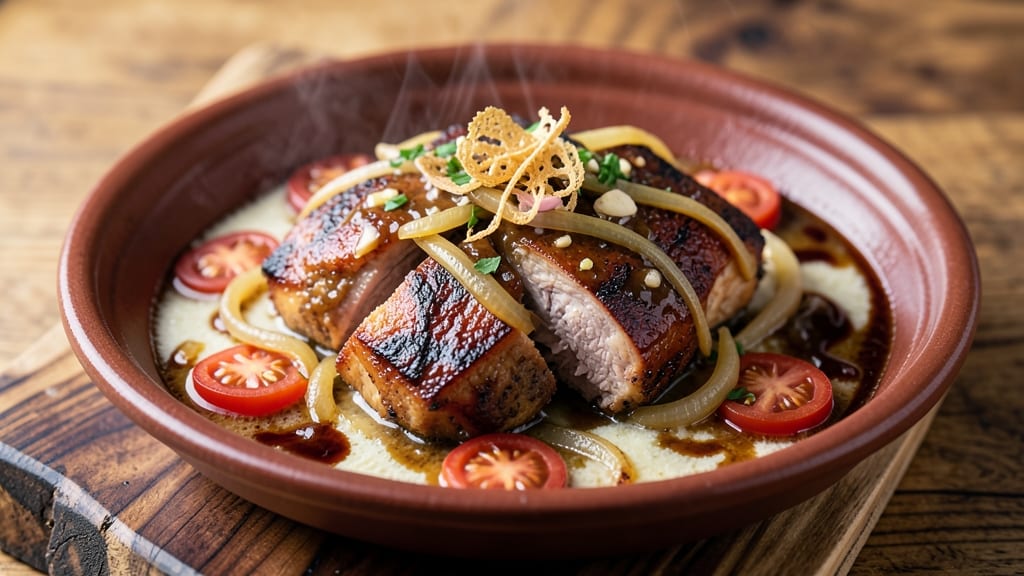
This Batangas pork afritada recipe brings the rich, tangy-sweet flavors of the Philippines straight to your kitchen—where crispy pork edges meet a velvety coconut-tamarind sauce.
I first tasted this dish in a small family-run carinderia in Batangas, where the secret was slow-braising pork until it fell apart, then finishing it with a quick sear for that signature crisp.
The tamarind adds a bright, almost citrusy tang that cuts through the richness, while coconut milk keeps the sauce luxuriously thick.
The magic happens in the two-stage cooking process: first, the pork marinates in a blend of garlic, ginger, and vinegar to tenderize, then it braises until fork-tender before getting that crispy finish.
Batangas-style afritada often includes local vegetables like patola (squash) or squash blossoms, but even with just potatoes and carrots, the dish delivers deep, caramelized flavors. This isn’t your average pork stew—it’s a celebration of texture and balance, where every bite offers a contrast of crispy, tender, and saucy.
What makes this recipe special is how it transforms simple ingredients into something extraordinary. The pork develops a crispy, caramelized crust while staying juicy inside, and the sauce clings to it like a silky blanket.
Serve it over steamed rice to soak up every last drop of that tangy, coconut-rich sauce, or with crusty bread for dipping. The aroma alone—garlicky, slightly sweet, with a hint of tamarind—will have your whole house gathering around the table.
Once you try this version, you’ll understand why Batangas afritada stands apart from other Filipino braises. The key is patience: letting the pork cook low and slow, then finishing with a quick sear to lock in those flavors.
It’s the kind of dish that tastes even better the next day, making it perfect for meal prep or a Sunday supper that feels like a restaurant experience. Let’s get cooking—your taste buds are about to thank you.
Ingredients for batangas pork afritada
Sixteen ingredients transform into a restaurant-worthy Filipino braise with crispy edges and velvety sauce.
| Ingredient | Amount | Notes |
|---|---|---|
| Pork Shoulder 🥩 | 3 lb | Bone-in for flavor, cut into 2-inch chunks |
| Coconut Milk 🥥 | 1 can | Full-fat, 13.5 oz can, unsweetened |
| Tamarind Paste 🍈 | ½ cup | Thick, unsweetened, or substitute 3 tbsp tamarind pulp |
| Yellow Onions 🧅 | 2 whole | Medium, thinly sliced |
| Garlic Cloves 🧄 | 8 cloves | Minced, or 2 tsp garlic powder if no fresh |
| Fresh Ginger 🌿 | 2 tbsp | Finely grated, or 1 tsp ground ginger |
| Canola Oil 🫒 | ¼ cup | For searing pork, high smoke point |
| White Vinegar 💧 | ½ cup | Distilled, not apple cider |
| Sugar 🍚 | 2 tbsp | White granulated, or brown sugar |
| Salt 🧂 | 1 ½ tsp | Diamond Crystal preferred |
| Black Peppercorns 🌶️ | ½ tsp | Freshly cracked, or ground |
| Bay Leaves 🍃 | 2 whole | Dried, or 1 fresh bay leaf |
| Russet Potatoes 🥔 | 2 lb | Cut into 1-inch chunks, peeled or unpeeled |
| Carrots 🥕 | 1 ½ lb | Whole, cut into thick slices |
The pork shoulder is non-negotiable here—bone-in for maximum flavor, but ask the butcher to cut it into 2-inch chunks for even cooking. Trader Joe's or Filipino markets carry excellent cuts, but any grocery store's pork shoulder works. Look for good marbling—it ensures juicy results. For the tamarind, Filipino stores sell paste in small jars, but Asian grocery chains often carry it too. If you can't find paste, tamarind pulp blocks (soaked and strained) work perfectly—just measure carefully. The coconut milk? Full-fat only—this sauce needs richness, and anything less will feel thin.
No tamarind? Lime juice plus 1 tbsp brown sugar mimics the tang-sweet balance, though it won't be identical. Fresh ginger is ideal, but ground ginger at half the amount saves time (though texture suffers slightly). For the potatoes and carrots, Russets and rainbow carrots hold up best during braising—avoid waxy potatoes like reds. The vinegar in the marinade tenderizes the pork, so don't skip it. If you're short on time, marinate the pork overnight, but even 30 minutes helps. The bay leaves add depth—remove them before serving, unless you're a fan of chewy texture.
This dish tastes even better the next day as flavors meld. Store leftovers in the fridge for 4-5 days, or freeze for 3 months—the sauce thickens beautifully when reheated. For meal prep, portion into containers with a little sauce poured over the pork to keep it moist. The crispy edges? Sear the pork again briefly when reheating to restore that golden crust. And if you've got extra sauce, freeze it separately—it's perfect for rice bowls or dumplings later.
Why You'll Love This Recipe
- One-Pot Magic: I swear by this recipe—just brown the pork, toss in the onions and garlic, then let the tamarind and coconut milk work their magic. No extra pans, no fuss, and honestly, that’s all you need for something this good.
- Tamarind Tang Explosion: Between us, the tamarind paste is the star here. It cuts through the richness of the pork and coconut milk, giving you that perfect balance of sweet, sour, and savory. My kids fight over the last bite, and I don’t blame them.
- Weeknight Workhorse: This dish is my secret weapon for busy nights. Simmer it while you prep sides, and by the time rice is ready, so is the pork. (Yes, even on a Tuesday night.) It’s also the go-to for potlucks—always a crowd-pleaser.
- Budget-Friendly Feast: Pork shoulder is cheap, and a little goes a long way. Stretch it over rice for two meals, or freeze leftovers for lazy days. I’ll be real: my wallet and my taste buds both win here.
Step-by-step instructions for Batangas pork afritada
Here's how to create this rich, tangy braise with perfectly crispy pork edges and tender vegetables.
Sear the Pork Shoulder for Deep Flavor
Heat the 0.25 cup canola oil in a large Dutch oven over medium-high heat until shimmering. Pat the 3 lb pork shoulder dry with paper towels - this ensures maximum browning. Working in batches if needed, sear the pork chunks until they develop a deep golden crust on all sides, about 4-5 minutes per side. The pork should release easily from the pan when ready.
As the pork browns, you'll notice the fat rendering out and sizzling - this is where all the rich flavor develops. Don't rush this step; proper searing creates that essential crispy edge we're after. Remove the pork to a plate and set aside, leaving all the browned bits in the pot - they'll form the flavor base for our sauce.
Build the Tangy Tamarind-Coconut Base
In the same Dutch oven, reduce heat to medium and add the 2 whole yellow onions. Cook for 5-6 minutes until softened and translucent. Add the 8 cloves garlic cloves and 2 tbsp fresh ginger, cooking for another 1-2 minutes until fragrant - you should smell that garlic releasing its sweet aroma.
Stir in the 0.5 cup tamarind paste, 0.5 cup white vinegar, and 2 tbsp sugar, scraping up any browned bits from the bottom. Let this mixture simmer for 3-4 minutes until slightly thickened. Here's the thing - the tamarind should dissolve completely, creating a glossy, slightly sticky paste that forms the backbone of our sauce.
Develop the Rich Coconut Sauce
Pour in the 1 can coconut milk and stir well to combine. Add the 1.5 tsp salt, 0.5 tsp black peppercorns, and 2 whole bay leaves, then return the pork shoulder to the pot. The liquid should come about halfway up the pork chunks. Bring everything to a gentle simmer, then reduce heat to low and cover with a tight-fitting lid.
Let the pork braise for 1 hour, turning occasionally. The key here is patience - we want the pork to become fork-tender while maintaining those crispy edges. After the initial hour, check the pork - it should be easily pierced with a fork but still slightly firm in the center. If it's not quite there, continue cooking another 30 minutes until tender.
Add Vegetables and Finish the Braise
Add the 2 lb russet potatoes and 1.5 lb carrots to the pot, giving everything a gentle stir. The vegetables should be partially submerged in the sauce. Return to a simmer and cook uncovered for 20-25 minutes, stirring occasionally, until the potatoes are tender and the carrots can be easily pierced with a fork.
Here's where the magic happens - as the liquid reduces, it'll thicken slightly, creating that perfect sauce consistency. The vegetables should absorb the rich, tangy flavors while remaining tender. Taste and adjust seasoning if needed, adding a splash more vinegar if you want more tang or a bit more sugar if you prefer it sweeter.
Rest and Serve with Crispy Edges
Remove the bay leaves and let the afritada rest for 10-15 minutes before serving. This resting period allows the juices to redistribute throughout the pork, ensuring every bite is moist and flavorful. The crispy edges on the pork should remain intact - if they've softened, don't worry, they'll still be delicious.
Serve the pork afritada hot, spooning the rich sauce over each portion. The combination of tender pork, sweet potatoes, and slightly sweet carrots in that tangy coconut-tamarind sauce is what makes this dish so special. The crispy edges on the pork add that perfect textural contrast that makes each bite unforgettable.
Pro Tips For Making Batangas Pork Afritada
- Sear the Pork Hard: Crank that stove to medium-high and walk away for 5 minutes—you want deep brown crusts, not just pink spots. I learned this the hard way when my first batch tasted like it was simmered in water instead of rich, caramelized flavor.
- Blend Your Tamarind: Skip the pre-made paste and dissolve 2 tablespoons of tamarind pulp in ½ cup hot water, then strain out the fibers. The smooth, filtered version cuts through the coconut milk’s richness without making your sauce gritty.
- Don’t Rush the Coconut Milk: After adding the coconut milk, let it come to a gentle simmer—no rolling boil—and stir often for 10 minutes. I used to speed this up, but the milk separates into a greasy mess if you’re impatient.
- Save the Onion Water: When sautéing onions, add a splash of water to deglaze the pan halfway through. That browned bit clinging to the bottom? It’s pure flavor—scrape it in and let it cook down into the sauce.
Troubleshooting this recipe
Pork Too Tough
If your pork ends up tough instead of tender, it likely didn’t cook long enough or started too cold. I’ve found that bone-in pork shoulder needs at least 1.5 hours of braising at 300°F to break down collagen properly.
Always start with room-temperature pork—taking it out of the fridge 1 hour before cooking makes a difference. For extra insurance, add 1 tbsp soy sauce to the marinade to help tenderize. 💪
Sauce Too Thin
A watery sauce usually means too much liquid or not enough reduction time. The tamarind-coconut base should thicken naturally as it simmers. If yours is thin, uncover the pot and cook for another 10-15 minutes on medium heat, stirring occasionally.
For an instant fix, mix 1 tbsp cornstarch with 2 tbsp water, stir into the sauce, and simmer until thickened. I’ve also seen success using 1 tbsp tomato paste to stabilize the texture.
Vegetables Overcooked
Potatoes and carrots can turn mushy if left too long in the braising liquid. Add them only after the pork has reached 190°F internal temperature—this ensures they cook just long enough to soften without disintegrating.
For extra control, parboil them for 5 minutes before adding to the pot. If they’re already too soft, try serving them separately or adding fresh steamed green beans as a garnish to balance the dish. 🥕
Lacking Tangy Flavor
The tamarind is the star of this dish, so if it’s missing that signature tang, check your measurements. ½ cup tamarind paste should be enough, but if you used a substitute like lime juice, you might need more acidity.
Add 1 extra tbsp vinegar or a splash of calamansi juice (if available) to brighten the sauce. For depth, a pinch of ground annatto (achuete) can add that signature Filipino color and earthy note.
Crispy Edges Lost
Those precious crispy edges happen during the final sear, so if they’re missing, it’s likely because the pork rested too long uncovered or wasn’t hot enough when served. To fix this, reheat the pork in a skillet over high heat for 2-3 minutes until golden again.
For future attempts, keep the lid on while resting to preserve heat, and serve immediately after removing from the oven. 🔥
Nutrition facts
Frequently asked questions
What makes Batangas pork afritada different from regular Filipino afritada?
Batangas-style afritada stands out for its crispy pork edges and a more pronounced tamarind-coconut balance. Unlike other versions, it often includes local vegetables like patola (squash) or squash blossoms, and the cooking process emphasizes a two-stage braise—first tenderizing the pork, then finishing with a quick sear for that signature texture. The sauce is also slightly sweeter, with more sugar to complement the tangy tamarind.
Can I substitute tamarind paste if I can't find it?
Yes! For ½ cup tamarind paste, use 3 tbsp tamarind pulp blocks (soaked and strained) or mix ¼ cup lime juice with 1 tbsp brown sugar. The lime substitute won't be identical, but it'll add the tangy brightness. For extra depth, a pinch of ground annatto (achuete) can mimic the traditional color and earthy notes.
How do I achieve crispy edges on the pork?
The secret is searing the pork first (until golden brown) and then finishing with a quick high-heat sear before serving. Pat the pork dry before searing, and don't overcrowd the pan. After braising, let it rest covered for 10-15 minutes—this keeps the edges crispy while the meat stays juicy. If they soften, reheat the pork in a skillet for 2-3 minutes until golden again.
Can I make this dish in a slow cooker?
Sear the pork first (as directed), then transfer everything to the slow cooker and cook on low for 6-7 hours or high for 3-4 hours. Add the vegetables in the last 30 minutes to prevent overcooking. The sauce may thicken more in a slow cooker, so adjust with a splash of water or coconut milk if needed. The crispy edges will be softer, but the flavors will be just as rich.
What sides pair best with Batangas pork afritada?
This dish is traditionally served with steamed white rice, which soaks up the tangy sauce beautifully. For extra texture, try crusty bread or garlic fried rice. To balance the richness, add a fresh green salad with a light vinaigrette or steamed greens like bok choy. The crispy edges and creamy sauce make it a hearty main, so lighter sides work best.