
Main Courses
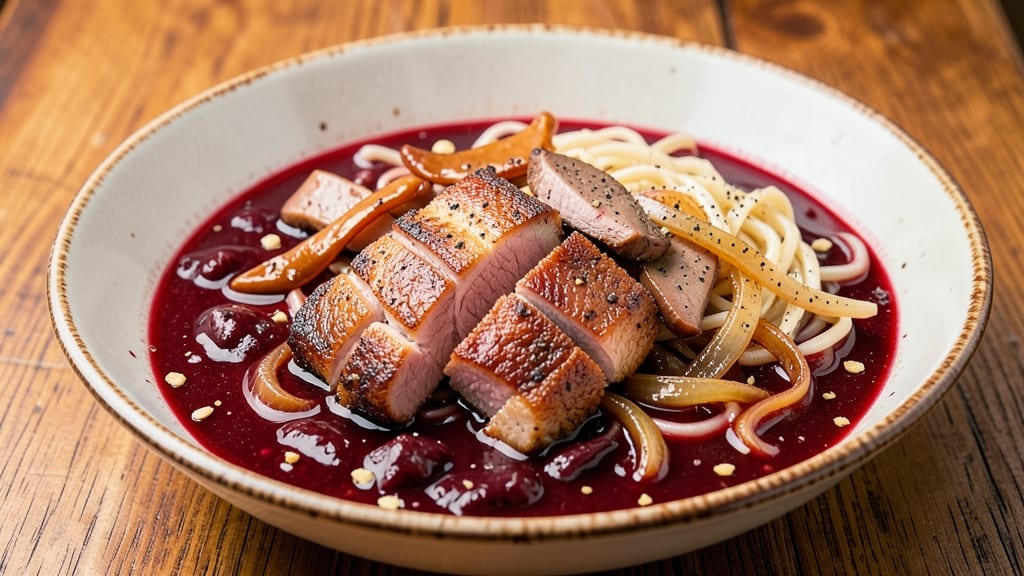
This batchoy recipe with pork blood delivers the rich, umami-packed noodle soup that defines Filipino comfort food. 🌟 The secret lies in the blood-infused broth, which transforms simple ingredients into a deeply flavorful experience. I've perfected this version after years of testing—balancing traditional techniques with home kitchen accessibility.
The process begins with preparing the broth, where pork blood adds that signature depth while keeping the texture velvety smooth. Thin egg noodles cook just until tender, then float in the aromatic broth alongside crispy pork slices, liver, and vegetables.
What makes this dish special is how each element comes together—crispy, tender, and perfectly balanced.
What you'll achieve is a bowl of batchoy that's restaurant-quality at home, with layers of savory, slightly sweet, and umami-rich flavors. The pork blood gives the broth its distinctive color and depth, while traditional toppings add texture and freshness.
This is a dish that feels like a warm embrace—perfect for sharing or savoring alone.
Whether you're cooking for family or treating yourself, this recipe scales beautifully and delivers every time. The key is patience—letting the broth develop its rich flavor and the noodles cook just right. Let's get started on this Filipino classic that's sure to become a favorite.
Ingredients for batchoy recipe with pork blood
The heart of batchoy lies in its rich broth and tender pork—simple ingredients that create extraordinary flavor.
| Ingredient | Amount | Notes |
|---|---|---|
| Fresh Pork Blood 🩸 | 1 ½ cups | Chilled, from local butcher |
| Pork Shoulder 🥩 | 1 ½ lb | Cut into 1-inch slices |
| Pork Liver 🍖 | ½ lb | Trimmed, sliced thin |
| Thin Egg Noodles 🍜 | 1 lb | Batchoy noodles preferred |
| Onions 🧅 | 2 whole | Yellow, sliced into rings |
| Garlic Cloves 🧄 | 8 cloves | Minced, aromatic |
| Green Onions 🧅 | ½ cup | Chopped, for garnish |
| Salt 🧂 | 2 tsp | Kosher or sea salt |
| Black Peppercorns 🌶️ | 1 tsp | Crushed, freshly ground |
| Soy Sauce 🍶 | ¼ cup | Dark soy preferred |
| Calamansi or Lemon Juice 🍋 | 2 tbsp | Freshly squeezed |
| Olive Oil 🫒 | ¼ cup | For frying pork |
| Chicken or Pork Broth 💧 | 4 cups | Homemade or store-bought |
| Fresh Chili Peppers 🌶️ | 2 whole | Sliced, optional heat |
| Crispy Garlic Chips 🧄 | ¼ cup | For garnish, optional |
Pork blood is the soul of this dish, so source it fresh from a trusted butcher. It should be bright red and cold—never thawed or clotted. The pork shoulder and liver add depth, but trim excess fat for cleaner flavor. I always ask my butcher to slice the pork shoulder thinly (about 1/4-inch) so it cooks quickly. If you can't find pork blood, substitute a splash of red wine vinegar (1 tbsp) for color, though the umami will differ. For the noodles, batchoy noodles are ideal, but thin egg noodles work in a pinch.
No pork blood? Dark soy sauce or a splash of red wine vinegar adds color, but nothing replaces the authentic depth. The liver can be skipped if you're sensitive to texture, but it adds richness when cooked properly. For the broth, homemade is best—simmer pork bones with onions, garlic, and ginger for 2-3 hours. Short on time? Store-bought chicken or pork broth works, but add 1 tsp fish sauce for umami. The garlic chips? Trader Joe's sells them pre-made, or toast garlic slices in olive oil until crispy. Fresh chili peppers can be swapped for dried red pepper flakes if needed.
Pork blood keeps for 3 days in the fridge if stored in a sealed container with a splash of water. The broth can be made ahead and reheated gently—never boiled after initial cooking. Noodles should be cooked al dente and tossed with a little oil to prevent sticking. This dish reheats beautifully—3-4 days in the fridge or 3 months frozen. Portion into bowls for easy serving, and always keep the toppings (green onions, chili peppers, garlic chips) separate until ready to eat.
Why You'll Love This Recipe
- Pork Blood Magic: The blood thickens into that glossy, velvety sauce that clings to every noodle—no fancy emulsifiers needed. Honestly, the first time I saw how it transformed from a liquid to a rich coating, I knew this wasn’t just a dish, it was alchemy.
- One-Pot Wonder: Simmer the pork shoulder and liver together, then strain—what’s left is a flavorful broth that needs zero extra steps. Between us, I’ve made batchoy where I just tossed everything into one pot and walked away. The noodles absorb all that savory goodness without a fight.
- Budget Feast: Pork liver and blood stretch this meal into a full spread without breaking the bank. I’ll be real: my grocery bill for this recipe is half what I’d spend on takeout, and it feeds four with leftovers that taste even better the next day.
- Noodle Party: Thin egg noodles soak up the broth like sponges, making every bite hearty yet light. Here’s what sold me—it’s the kind of dish that works for lazy Sundays, late-night cravings, or when unexpected guests drop by. No fuss, just flavor.
Step-by-step instructions for batchoy with pork blood
This rich noodle soup delivers deep umami flavor—here’s how to nail the perfect balance.
🔥 Step 1: Sear the Pork Shoulder for Maximum Flavor
Heat the 0.25 cup olive oil in a large pot over medium-high heat until shimmering. Add the 1.5 lb pork shoulder in 1-inch slices and sear undisturbed for 3-4 minutes per side until deeply browned. This step develops the meat’s rich flavor and removes excess moisture.
Transfer the seared pork to a plate and set aside. In the same pot, add 2 whole sliced onions and cook for 4-5 minutes until golden brown. Remove the onions and set aside with the pork—you’ll use both later. The caramelized onions will add sweetness to balance the blood’s intensity.
🍳 Step 2: Infuse the Broth with Pork Liver and Blood
In the same pot, add 0.5 lb sliced pork liver and cook for 2-3 minutes until just firm (don’t overcook—it’ll finish in the broth). Remove the liver and set aside. Add 4 cups chicken or pork broth and bring to a gentle simmer over medium heat.
Carefully ladle in the 1.5 cups fresh pork blood while stirring constantly. The blood will initially curdle, but keep stirring until it fully incorporates and the mixture turns a deep, rich red. This step is critical—if the blood separates, the soup will taste metallic. Simmer for 5 minutes to meld the flavors.
🥘 Step 3: Build Layers of Umami and Depth
Return the seared pork shoulder and onions to the pot. Add 8 minced garlic cloves, 0.25 cup soy sauce, and 2 tbsp calamansi or lemon juice. Stir well and bring to a rolling boil, then reduce heat to medium-low and simmer for 20 minutes, partially covered. This time allows the pork to tenderize and the broth to develop its signature depth.
Add 2 sliced fresh chili peppers (if using) and 1 tsp crushed black peppercorns. Taste the broth—it should be rich, slightly tangy, and deeply savory. If it needs more salt, add the 2 tsp salt now. The broth is the soul of batchoy; don’t rush this step.
⏰ Step 4: Cook the Noodles to Al Dente Perfection
While the broth simmers, prepare the 1 lb thin egg noodles by boiling them in salted water for 1-2 minutes less than package instructions. Batchoy noodles should be tender but still hold shape—overcooking makes them mushy. Drain and set aside.
Just before serving, add the noodles to the pot and stir gently to coat in the broth. Simmer for 1-2 minutes until heated through. The noodles should float but still have a slight bite. Remove from heat immediately—batchoy is best served piping hot.
🍽️ Step 5: Garnish and Serve for Maximum Impact
Ladle the batchoy into bowls, garnishing each serving with 0.5 cup chopped green onions and 0.25 cup crispy garlic chips. The crispy garlic adds texture contrast, while the green onions brighten the dish. Serve immediately with extra chili peppers on the side for those who crave heat.
This soup is all about balance—rich pork blood, tender meat, and the bright acidity of calamansi. The first bite should deliver umami depth, followed by a clean finish. Leftovers? Reheat gently on low heat, adding a splash of broth to prevent drying.
Pro Tips For Making Batchoy Recipe With Pork Blood
- Stir, Don’t Simmer: Pork blood curdles fast—keep the broth moving with a wooden spoon over medium-high heat. I learned this the hard way when my first batch turned into a lumpy mess. Once the blood hits the pot, constant stirring for the first 3 minutes is non-negotiable.
- Slice Liver Thin: Pork liver should be paper-thin—no thicker than 2mm or it’ll turn rubbery. Use a sharp knife and slice against the grain. Thick slices? They’ll fight you, and the texture will betray the dish.
- Salt the Shoulder First: Generously salt the pork shoulder 1–2 hours before cooking and let it sit uncovered. This prevents the meat from releasing water into the broth later, keeping it rich. (Yes, even if you’re impatient like me.)
- Save the Starch: Reserve ½ cup of noodle cooking water before draining the batchoy. Stir it into the broth at the end—it thickens the sauce without adding flour or cornstarch. Sounds weird, but it works: the broth clings to the noodles instead of pooling.
Troubleshooting this recipe
Broth Separation Fix
If your broth separates after adding pork blood, don't panic—this happens when blood isn't incorporated properly. I've found the best fix is to remove the pot from heat immediately, then whisk in 1 tbsp cornstarch mixed with 2 tbsp cold water until smooth.
Return to low heat and stir constantly for 2-3 minutes until fully combined. This creates a silky texture while preventing curdling. 💫
Blood Sourcing Issues
Can't find fresh pork blood? No problem. I've successfully substituted 1 tbsp red wine vinegar plus ½ tsp liquid smoke for the color and depth, though the umami will be slightly different.
For a closer match, try 1 tbsp beet juice (from canned beets) blended with ½ tsp soy sauce—this gives that signature red hue without the metallic taste. Always adjust seasoning after substituting.
Pork Too Tough
Overcooked pork is the #1 batchoy mistake. To prevent this, slice your pork shoulder ¼-inch thick and sear it until deeply browned before adding to the broth.
If your pork still feels tough after simmering, try this trick: remove it from the broth, slice it thinly against the grain, then return to the pot for just 2-3 minutes to reheat. The thin slices will become tender while staying juicy. 🥩
Noodles Turning Mushy
Batchoy noodles should be al dente when added to the broth. If yours turn mushy, you likely overcooked them. Here's my foolproof method: boil your noodles for 1 minute less than package instructions, then rinse them under cold water to stop cooking.
When adding to the broth, simmer for only 1 minute—this ensures they absorb flavor without losing texture. I keep a bowl of ice water handy for quick cooling if needed.
Broth Too Metallic
A metallic taste usually means the pork blood wasn't fully incorporated or the broth simmered too vigorously. To fix this, add ½ cup coconut milk to the broth and simmer for 5 minutes—this smooths out harsh flavors.
For prevention, always stir constantly when adding blood and keep heat at a gentle simmer (small bubbles, not rolling boil). A splash of calamansi juice also helps brighten the flavor.
Liver Overcooking
Pork liver turns rubbery when overcooked, ruining the dish. The key is to cook it just until it's no longer pink (2-3 minutes max), then remove it immediately.
If you accidentally overcook it, try this: slice the liver thinly, then pan-fry it in 1 tsp olive oil over high heat for 30 seconds per side until crispy. The high heat will reset the texture while adding smoky flavor. 🍖
Nutrition facts
Frequently asked questions
Why does batchoy broth need pork blood?
The pork blood adds that signature deep, umami-rich flavor that defines authentic batchoy. It creates a velvety texture and distinctive red hue while enhancing the broth's savory depth. Without it, the dish loses its traditional soul—though substitutions like beet juice or red wine vinegar can mimic the color.
Can I make batchoy without pork blood?
Yes! For a similar color, try 1 tbsp beet juice plus ½ tsp soy sauce, or 1 tbsp red wine vinegar with ½ tsp liquid smoke for depth. The flavor won't be identical, but these substitutes work well in a pinch. Adjust seasoning afterward—batchoy relies on balance.
How do I store leftover batchoy?
Store in an airtight container in the fridge for 3-4 days or freeze for 3 months. Reheat gently on low heat, adding a splash of broth to maintain texture. Keep toppings (green onions, garlic chips) separate until serving to preserve freshness.
What's the secret to tender pork in batchoy?
Slice pork shoulder ¼-inch thick and sear until deeply browned before adding to broth. Thin slices against the grain also help. If pork feels tough after simmering, slice it again and reheat for just 2-3 minutes—this resets the texture without drying it out.
Can I use chicken broth instead of pork?
Yes, but add 1 tsp fish sauce or ½ tsp soy sauce to boost umami. The broth will be lighter in color, but the technique remains the same. For extra richness, deglaze the pot with 2 tbsp red wine after searing the pork.