
Main Courses
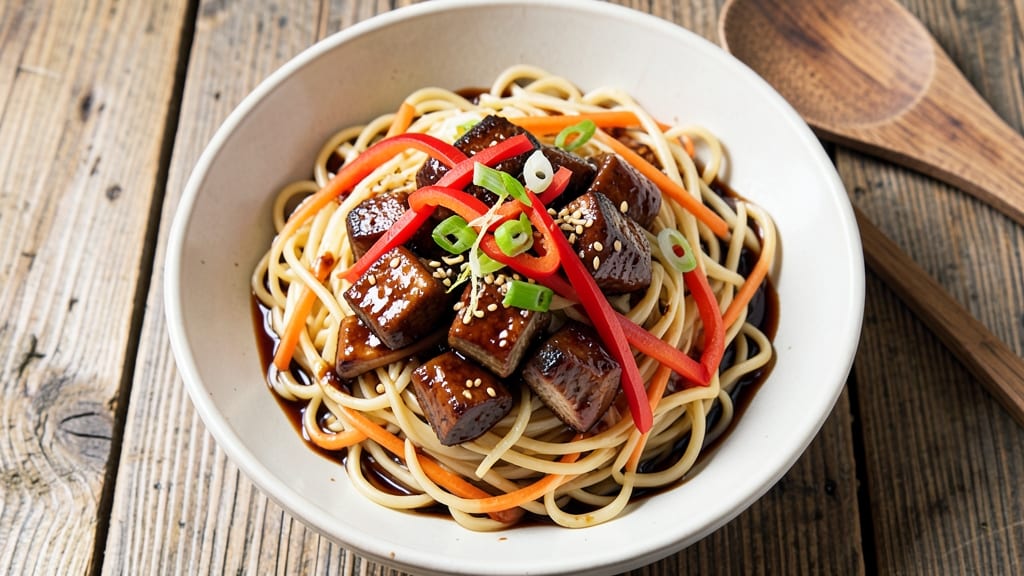
This BBQ pork lo mein recipe transforms classic stir-fry into a smoky-sweet masterpiece with crispy edges and tender noodles—exactly what I’ve been perfecting after years of balancing wok heat and BBQ intensity. The secret lies in marinating the pork with a blend of sweet and spicy BBQ flavors, then searing it until caramelized before tossing with fresh veggies and chewy noodles. It’s the kind of dish that delivers restaurant-quality results at home, with that perfect contrast of crispy pork and silky sauce.
What sets this recipe apart is the crispy texture—achieved by high-heat stir-frying and a quick sear—paired with a rich, tangy BBQ sauce that coats every bite.
I’ve simplified the technique for home cooks while keeping the authenticity: wok hei (breath of the wok) ensures aromatic steam, and fresh ginger and garlic add depth. The vegetables stay crisp-tender, and the noodles absorb just enough sauce to be flavorful without being soggy.
By the time you’re done, you’ll have a dish that’s bold enough for a weeknight dinner but impressive enough for guests—golden-brown pork, vibrant veggies, and noodles tossed in a glossy BBQ sauce that’s sticky-sweet with just the right kick.
The aroma alone will have everyone gathering around the table, and the first bite delivers that perfect balance of smoky, sweet, and savory.
Serve it with extra sesame seeds and sliced green onions for freshness, or drizzle with a little chili oil for heat. This recipe is foolproof, but the key to success is keeping everything moving in the wok—no crowding, no overcooking. Let’s get cooking!
Ingredients for bbq pork lo mein
These 15 ingredients deliver restaurant-quality BBQ pork lo mein with crispy edges and smoky-sweet balance.
| Ingredient | Amount | Notes |
|---|---|---|
| Pork Shoulder 🐷 | 1 ½ lb | Cut into 1-inch cubes, boneless |
| Lo Mein Noodles 🍜 | 12 oz | Fresh or dried, uncooked |
| Red Bell Pepper 🌶️ | 1 whole | Sliced into thin strips |
| Carrot 🥕 | 2 whole | Julienned or matchstick cut |
| Green Onion 🧅 | 2 whole | Sliced into 1-inch pieces |
| Garlic Cloves 🧄 | 6 cloves | Minced for marinade and stir-fry |
| Fresh Ginger 🌿 | 2 tbsp | Grated, peeled |
| Sesame Oil 🫒 | 1 tbsp | For aroma, not cooking |
| Soy Sauce 🥄 | ½ cup | Light or regular |
| Honey 🍯 | ¼ cup | For sweetness balance |
| Rice Vinegar 🍶 | 2 tbsp | White or seasoned |
| Sriracha Sauce 🌶️ | 1 tbsp | Adjust for spice level |
| Vegetable Oil 🫒 | 3 tbsp | High smoke point for stir-fry |
| Sesame Seeds 🌱 | 1 tbsp | Toasted for garnish |
| Salt 🧂 | 1 tsp | Kosher or sea salt |
The pork shoulder is non-negotiable—its fat content ensures juicy, caramelized edges. Ask your butcher to cut it into 1-inch cubes for even cooking. Look for well-marbled cuts at Whole Foods or Costco, where the quality is consistently better. Fresh lo mein noodles (like King Noodle brand) hold up better to stir-frying than dried, but either works. For the BBQ sauce base, Honey Tree honey adds depth, while Kikkoman soy sauce keeps it authentic—don't substitute with low-sodium unless you double the amount.
No sesame oil? Toasted peanut oil works in a pinch, though the flavor will differ slightly. Short on ginger? Substitute with 1 tbsp more garlic, but the ginger's warmth is key for balancing the smokiness. The bell pepper and carrot can be swapped for snow peas or bok choy if you prefer. For extra crispiness, pat the pork dry with paper towels before searing—this makes all the difference. If your stir-fry pan isn't wide enough, use a wok or large skillet—crowding steams the pork instead of crisping it.
Marinate the pork for at least 30 minutes (overnight is ideal) to maximize flavor penetration. The cooked noodles reheat beautifully—toss them with a splash of water and a pinch of oil to prevent sticking. Store leftovers in an airtight container for up to 3 days in the fridge, or freeze for 2 months. Double the batch and freeze half for lazy weeknights—just thaw and reheat with a splash of water.
Why You'll Love This Recipe
- One-Pot Magic: I swear by this recipe when I’m too tired to wash a million bowls—just toss everything in one skillet, stir, and walk away. The pork shoulder stays tender while the noodles soak up that smoky BBQ sauce, and the veggies? They practically cook themselves.
- Smoky Sweet Crunch: That caramelized pork shoulder with its sticky-sweet glaze? It’s the star. The red bell pepper adds a bright, crisp bite, and the green onions finish it with a fresh zing—like a hug for your taste buds. Honestly, I’ve never met BBQ sauce that doesn’t make everything better.
- Lunchbox Hero: Between us, this is my go-to for meal prep. Toss leftover portions into containers with a sprinkle of sesame seeds, and it’s a grab-and-go lunch that still tastes like you slaved over it. My kids actually ask for leftovers—rare, I know.
- Budget Stretch: Pork shoulder is cheap, noodles are cheap, and a single jar of BBQ sauce stretches across two meals. I’ll be real: this recipe saved me from takeout more times than I can count. Plus, the veggies add bulk without breaking the bank. Win.
Step-by-step instructions for smoky-sweet BBQ pork lo mein
Transform tender pork shoulder into crispy-edged lo mein with this balanced stir-fry technique.
Marinate and Parboil the Pork Shoulder
Cut the 1.5 lb pork shoulder into 1-inch cubes and place them in a mixing bowl. Combine 0.5 cup soy sauce, 0.25 cup honey, 2 tbsp rice vinegar, 1 tbsp sriracha sauce, and 2 tbsp grated fresh ginger in a separate bowl. Pour the marinade over the pork and toss to coat evenly. Let it marinate for at least 30 minutes (or up to 2 hours in the fridge for deeper flavor).
After marinating, heat a large pot of water to a boil and add the pork cubes. Parboil for 10-12 minutes until the pork is 50% cooked—it should be tender but still hold its shape when pierced with a fork. Drain and set aside. This step ensures the pork finishes cooking perfectly in the stir-fry without drying out.
Prepare the Vegetable Medley
Slice the 1 whole red bell pepper into thin strips and julienne the 2 whole carrots into matchstick cuts. Cut the 2 whole green onions into 1-inch pieces, reserving the tops for garnish. In a separate bowl, combine the prepared vegetables with 6 minced garlic cloves and toss lightly. This keeps them fresh until stir-frying.
Heat 3 tbsp vegetable oil in a large wok or skillet over medium-high heat. Add the vegetables in batches, stirring constantly for 3-4 minutes until they soften but remain crisp. Remove them from the pan and set aside. The vegetables should retain their vibrant color and slight crunch—this ensures they don’t turn mushy in the final dish.
Stir-Fry the Pork to Crispy Perfection
Return the wok to medium-high heat and add the parboiled pork shoulder. Stir-fry for 4-5 minutes, letting the pork sear and develop a golden-brown crust on the edges. This is where the crispy texture comes from—don’t rush this step. If the pork releases easily from the pan, it’s ready. If it sticks, add a splash of water and scrape up the browned bits for extra flavor.
Once the pork is crispy, return the vegetables to the wok and stir-fry together for 2 more minutes. The residual heat will finish cooking the pork while keeping the vegetables tender-crisp. Season with 1 tsp salt and adjust to taste. The pork should be fully cooked, with a caramelized exterior and juicy interior.
Cook the Noodles and Combine
Cook the 12 oz lo mein noodles according to package instructions until al dente—they should still have a slight bite. Drain and rinse briefly under cold water to stop the cooking process and remove excess starch. Toss the noodles with 1 tbsp sesame oil to prevent sticking and add a nutty aroma.
Combine the cooked noodles with the pork and vegetable mixture in the wok. Stir-fry for 1-2 minutes to meld the flavors and ensure everything is evenly coated. The noodles should absorb the smoky-sweet sauce while remaining tender. If the dish looks dry, add 1-2 tablespoons of water to loosen the sauce slightly.
Finish and Garnish
Remove the wok from heat and drizzle with 1 tbsp sesame oil for added depth. Stir in the reserved green onion tops and 1 tbsp toasted sesame seeds for texture and visual appeal. Taste and adjust seasoning—add a splash of rice vinegar or soy sauce if needed to balance sweetness and acidity.
Serve immediately while the noodles are hot and the pork retains its crispy edges. The dish should be vibrant, with a caramelized glaze on the pork, tender-crisp vegetables, and perfectly cooked noodles. Garnish with extra sesame seeds and green onions for freshness. This lo mein delivers a perfect harmony of smoky, sweet, and savory flavors in every bite.
Pro Tips For Making Bbq Pork Lo Mein
- CUT PORK SLICE-WISE: Thin pork shoulder against the grain into ¼-inch strips—thicker pieces stay chewy, and no one wants that in lo mein. Use a sharp knife or your trusty cleaver; this isn’t the time for a butter knife.
- BLANCH VEGETABLES FIRST: Toss red bell pepper, carrot, and green onion in boiling water for 30 seconds before stir-frying. They’ll soften faster, stay vibrant, and release less mess when you toss them in the wok later—no more chasing rogue pepper shards.
- DON’T OVERSTIR-FRY THE NOODLES: Lo mein noodles cook in seconds—2-3 minutes max over high heat with a splash of water. I’ve seen people turn them into paste; keep them al dente, or they’ll turn mushy and lose that satisfying chew.
- USE LEFTOVER BBQ SAUCE: Skip the store-bought bottled sauce—it’s too sweet and thin. Simmer pork shoulder in a mix of hoisin, soy sauce, and a splash of rice vinegar until it’s sticky and glossy. The flavor’s richer, and you’ll use less of it.
Make-ahead tips for this bbq pork lo mein
Marinate Ahead
The pork marinade can be prepped 1-2 days in advance—I often do this on Sunday for Wednesday dinners. Store the marinade in a glass container in the fridge, and add the pork cubes just 30 minutes before cooking to prevent over-marinating, which can make the meat mushy.
This is especially helpful if you're hosting guests or just want to streamline your cooking process. 💡
Prep Vegetables
Chop all your vegetables the night before and store them in a sealed container with a paper towel to absorb moisture. This keeps them crisp and ready for quick stir-frying.
I like to portion the veggies into individual bags so I can grab and toss them directly into the wok without extra prep. 🥕
Parboil Pork
Parboil the pork cubes 1 day ahead and store them in the fridge in their cooking liquid. When you're ready to stir-fry, simply drain and pat them dry. This step ensures the pork finishes cooking perfectly without drying out during the final sear.
I’ve found that pre-cooked pork reheats beautifully in the wok, maintaining that juicy texture. 🐷
Noodle Prep
Cook the noodles 1 day ahead and store them in an airtight container with a splash of water and a pinch of oil to prevent sticking. When reheating, toss them with a little hot water to revive their texture before adding them to the wok.
This makes the final assembly a breeze—just toss everything together and serve. 🍜
Sauce Prep
Mix the BBQ sauce ingredients 24 hours in advance and store it in a small jar in the fridge. This allows the flavors to meld beautifully, giving your lo mein that deep, smoky-sweet taste.
When stir-frying, you can either toss the pork in the sauce during marinating or drizzle it over the finished dish for extra shine. 🍯
Freezer-Friendly
Assemble the entire dish 1 day before serving and store it in the freezer in a heavy-duty freezer bag. When ready to serve, thaw it in the fridge overnight, then reheat in the wok with a splash of water to restore that crispy texture.
This is a lifesaver for busy weeknights—just pull it out, reheat, and serve. ❄️
Nutrition facts
Frequently asked questions
Can I use chicken or shrimp instead of pork?
For chicken, use 1.5 lb boneless thighs (cut into 1-inch pieces) and marinate for 20 minutes (chicken cooks faster). For shrimp, peel and devein 20 large shrimp, marinate for just 10 minutes (they cook in 2 minutes), and add them last to avoid overcooking. The BBQ sauce works beautifully with all three proteins—just adjust cooking times.
How do I get the noodles crispy like in restaurants?
Fresh lo mein noodles should be al dente (still firm to bite) when cooked. After draining, rinse briefly in cold water, then toss immediately with 1 tbsp sesame oil to prevent sticking. For extra crunch, par-cook the noodles 80% done (1 minute less than package time), then finish stir-frying them in the wok with everything else. The residual heat will crisp the edges.
Can I make this dish in a regular skillet?
Yes, but use a 12-inch nonstick or cast-iron skillet (woks are ideal for high heat). Cook in 2 batches if needed: stir-fry half the pork/veggies, remove, then cook the rest. Avoid overcrowding—the goal is crispy edges, not steamed pork. A tong or spatula helps keep everything moving.
What if I don’t have sriracha?
Substitute with 1 tsp cayenne pepper + 1 tsp honey for heat, or skip it entirely for a milder sauce. For smokiness, add ½ tsp smoked paprika to the marinade. The BBQ flavor will still shine—just adjust sweetness with extra honey if needed.
How do I fix mushy noodles?
If your noodles turn mushy, it’s likely from overcooking or too much sauce. Next time, undercook them by 1 minute and finish in the wok. For a quick fix, stir in 1 tbsp cornstarch mixed with 2 tbsp water to thicken the sauce, or add ½ cup extra veggies (like bell peppers) to bulk it up.