
Main Courses
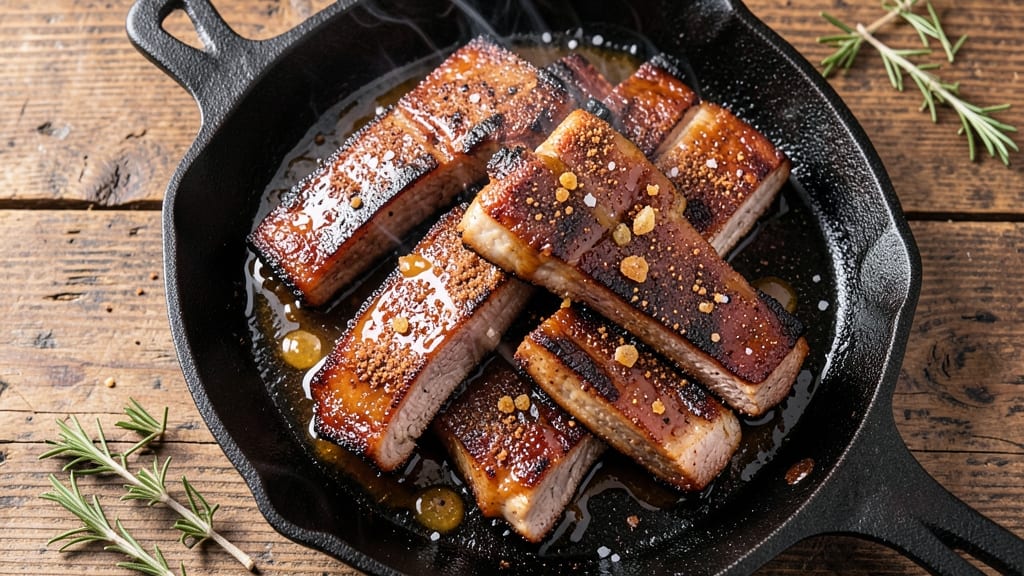
This BBQ pork ribs recipe transforms your smoker into a precision tool for restaurant-quality ribs with crispy bark and juicy cores. As a pitmaster who grew up on slow-cooked ribs, I've perfected the three-zone heat method that creates perfect bark without drying out the meat—no guesswork, just science-backed technique. The secret lies in temperature control and wood choice, which we'll cover step by step.
What makes these ribs truly special is the combination of a dry rub that develops deep flavor during the smoke, and the 3-2-1 method that ensures tender meat with that coveted snap. We'll use hickory wood for its classic BBQ flavor profile, but you can adjust based on your preference.
The key is maintaining a consistent 225°F temperature throughout the cook, which transforms tough pork into melt-in-your-mouth perfection.
By the time you're done, you'll have ribs that are crispy on the outside with a beautiful mahogany bark, while the meat inside is so tender it falls off the bone. The three-zone heat method ensures even cooking and perfect bark development, giving you restaurant-quality results at home.
This isn't just another BBQ recipe—it's a method that will elevate your smoking game forever.
These ribs pair beautifully with classic sides like creamy coleslaw and buttery cornbread, completing the perfect BBQ spread. The technique we'll use ensures you'll get consistent results every time, whether you're cooking for a crowd or treating yourself to a special meal.
Let's get started with the ingredients and techniques that will make your ribs the talk of any gathering.
Ingredients for bbq pork ribs recipe smoker
These ingredients transform tough pork into melt-in-your-mouth masterpieces with crispy bark and juicy cores.
| Ingredient | Amount | Notes |
|---|---|---|
| Pork Baby Back Ribs 🥓 | 4 lb | Bone-in, meaty sections preferred |
| Yellow Mustard 🍯 | ¼ cup | For binder application |
| Brown Sugar 🍬 | ½ cup | Light or dark variety |
| Smoked Paprika 🌶️ | ¼ cup | For deep smoky flavor |
| Kosher Salt 🧂 | ¼ cup | Diamond Crystal preferred |
| Ground Black Pepper 🌶️ | 1 tbsp | Freshly ground for best flavor |
| Garlic Powder 🧄 | 1 tbsp | Not garlic salt |
| Onion Powder 🧅 | 1 tbsp | For balanced seasoning |
| Cayenne Pepper 🔥 | 1 tsp | Adjust for heat preference |
| Hickory Wood Chips 🌳 | 2 packages | For classic BBQ flavor |
| Apple Cider Vinegar 🍎 | ¼ cup | For tenderizing soak |
| Apple Juice 🍏 | 1 cup | For moisture during smoke |
| Butter 🧈 | ½ cup | Unsalted, for basting |
| Fresh Rosemary 🌿 | ¼ cup | Finely chopped, for aroma |
The ribs are the star—bone-in baby backs (not spare ribs) give you that perfect meat-to-bone ratio. Look for packer ribs from Costco or your local butcher if you want the best quality. Freshness matters: aim for ribs that smell clean and have a vibrant pink color. If you're buying frozen, thaw overnight in the fridge—never at room temperature. The hickory wood chips should be 100% natural (no additives), and brands like Traeger or Cook's are reliable. For the dry rub, smoked paprika is non-negotiable—it's what gives those ribs that authentic BBQ flavor. I like to toast my spices in a dry pan for 30 seconds to deepen their flavor before mixing.
No hickory wood? Cherry or pecan chips work beautifully for a sweeter profile. Running short on apple juice? Ginger ale or unsweetened iced tea add moisture without overpowering. The apple cider vinegar soak is key for tenderizing—don't skip it! For the mustard binder, Dijon-style works too, but regular yellow mustard keeps things simple. If you're sensitive to heat, reduce the cayenne to ½ tsp or swap for red pepper flakes. The rosemary can be dried (use ⅓ the amount), but fresh gives that bright aroma that makes everything sing. Pro tip: Toast your wood chips in a smoker box for 5 minutes before adding to the fire—it prevents flare-ups and maximizes flavor.
Prep the ribs the night before: trim excess fat (leave some for flavor) and soak in the vinegar-apple juice mix for 2-4 hours. Store them wrapped in plastic in the fridge. The dry rub keeps for 2 weeks in an airtight container. For leftovers (if there are any!), ribs reheat best in a 350°F oven for 15 minutes with a splash of apple juice. Freeze cooked ribs for up to 3 months—they're perfect for quick weeknight meals. I like to wrap individual ribs in foil and freeze them separately so I can pull out just what I need.
Why You'll Love This Recipe
- Minimal Prep Required: I swear, the hardest part is deciding whether to trim the fat—then I just rub on that smoky paprika mix and let the smoker do the work. No chopping, no peeling, just a quick coat of mustard and brown sugar before the magic happens.
- Sweet-Smoky Magic: That caramelized crust from the brown sugar and smoked paprika? It’s dangerously good—tender meat underneath with a sticky, slightly crispy exterior that disappears faster than my willpower on a Sunday afternoon.
- Tailgate or Tuesday: Serve these with buns for a crowd or pile them on a plate for a solo feast. Honestly, they’re just as happy wrapped in foil for a picnic as they are on a smoker rack—my daughter even sneaks bites straight from the tray.
- Leftovers That Don’t Suck: The ribs stay juicy for days, so I make a double batch. Shred the extras for tacos, sandwiches, or even a lazy breakfast hash—none of that sad, dry second-day rib horror. (Yes, even on a Tuesday night.)
Step-by-step instructions for smoked pork ribs
Master the three-zone heat method for ribs with perfect bark and tender meat.
Prepare the Ribs with Dry Rub and Vinegar Soak
In a large bowl, combine the 0.5 cup brown sugar, 0.25 cup smoked paprika, 0.25 cup kosher salt, 1 tablespoon ground black pepper, 1 tablespoon garlic powder, 1 tablespoon onion powder, and 1 teaspoon cayenne pepper. Mix thoroughly until evenly distributed—this is your dry rub. Pat the 4 lb pork baby back ribs completely dry with paper towels, then generously coat all surfaces with the dry rub, pressing it into the meat so it adheres well.
In a separate container, whisk together the 0.25 cup apple cider vinegar and 1 cup apple juice to create a tenderizing soak. Place the rubbed ribs in a resealable plastic bag, pour the vinegar mixture over them, and seal tightly. Refrigerate for 4-6 hours or overnight. This soak not only tenderizes the meat but also enhances the bark formation during smoking. The acid in the vinegar helps break down tough muscle fibers while the apple juice adds moisture that won't dry out the ribs during the long cook.
Set Up the Three-Zone Smoker
Prepare your smoker by creating three distinct temperature zones: a hot zone around 350°F, a medium zone at 250°F, and a cool zone near 200°F. Place the 2 packages hickory wood chips in the smoker and let it preheat for 30 minutes until you see a steady stream of blue smoke—this indicates the wood is burning properly without excessive white smoke, which would mean it's producing too much moisture.
Position the ribs on the smoker grates in the medium zone (250°F). The three-zone method allows you to move the ribs between zones as needed: the hot zone for bark development, the medium zone for steady cooking, and the cool zone for resting or finishing. This flexibility is key to achieving both crispy bark and juicy meat. Keep the smoker lid closed as much as possible to maintain temperature stability—every time you open it, you lose 15-20 minutes of cook time and introduce cold air that can disrupt the smoking process.
Smoke the Ribs with Strategic Zone Management
Smoke the ribs in the medium zone (250°F) for 4-5 hours, or until the internal temperature reaches 180°F. This is where the magic happens—the ribs slowly cook through while the dry rub forms a crusty bark. Every hour, move the ribs to the hot zone (350°F) for 15-20 minutes to accelerate bark formation. You'll notice the edges darken and develop a glossy sheen—this is your crispy bark developing.
Once the ribs hit 180°F, transfer them to the cool zone (200°F) and wrap them tightly in heavy-duty aluminum foil with 0.5 cup butter and 0.25 cup finely chopped fresh rosemary. The butter bastes the ribs as they cook, adding moisture and flavor, while the rosemary infuses a fragrant aroma. Return the wrapped ribs to the smoker and cook for another 1-2 hours, or until the internal temperature reaches 203°F—this is the "probe-tender" stage where the meat is so tender it falls apart with minimal resistance.
Rest and Serve for Maximum Juiciness
Remove the ribs from the smoker and let them rest on a cutting board for 15-20 minutes. Tent loosely with foil to retain heat but allow steam to escape. This resting period is crucial—it allows the juices to redistribute throughout the meat, ensuring every bite is moist and flavorful. If you skip this step, the ribs will lose precious juices when you slice into them, leaving you with dry, tough meat.
Unwrap the ribs and brush any remaining basting butter over the top. Slice between the bones to separate the individual ribs, then serve immediately. The bark should be deep mahogany and crispy, while the meat should be tender enough to pull apart with a fork. Pair with classic BBQ sides like coleslaw or cornbread to complete the meal. The three-zone method ensures you get the best of both worlds: a crispy, caramelized exterior and a juicy, fall-apart interior that melts in your mouth.
Pro Tips For Making Bbq Pork Ribs Recipe Smoker
- Trim the Fat First: Baby back ribs have that gorgeous fat cap—don’t peel it off. Instead, score it in a crosshatch pattern with a sharp knife. This lets the rub stick better and keeps the meat tender while the fat renders slowly into crispy, flavorful bits (yes, even if it looks messy).
- Spritz Like a Pro: Skip the foil tent for the first half of cook time. Every 45 minutes, hit the ribs with a spray bottle of apple cider vinegar and water (50/50). The acid tenderizes the collagen and prevents a dry bark—no soggy ribs, just sticky-sweet perfection.
- Don’t Rush the Bark: I used to crank the smoker to 300°F and wonder why my ribs never got that deep, caramelized crust. Start at 250°F for the first 3 hours, even if it feels slow. The low-and-slow phase builds flavor; the bark comes later when you bump it to 275°F for the final hour.
- Mix the Rub Wet: Brown sugar and smoked paprika clump like glue when dry. Mix yours with 1 tablespoon of yellow mustard per cup of rub—it binds everything together and sticks to the ribs like glue. No wasted seasoning sliding off the meat.
Perfect pairings for these flavors
Classic BBQ Sides
Start with creamy coleslaw—my go-to pairing. Use a mix of shredded cabbage and carrots with a dressing of mayonnaise, apple cider vinegar, and a touch of honey.
The tangy crunch cuts through the rich, smoky ribs beautifully. For a Southern touch, add crispy fried onions on top right before serving. 🥬
Buttery cornbread is another must-have. I love a simple recipe with cornmeal, flour, eggs, and a splash of milk, baked until golden. The slight sweetness balances the smoky, savory ribs perfectly. Serve warm with a pat of cold butter melting on top.
Drink Pairings
A light, crisp lager like Peroni or Bud Light is ideal—it cleanses your palate between bites. For something stronger, a bourbon cocktail (like an Old Fashioned) complements the ribs' depth.
I also love a sparkling apple cider for a non-alcoholic option, especially if you're serving kids or guests who prefer it. 🍺
For a refreshing twist, try sweet tea—the Southern staple that enhances the smoky flavors. If you're feeling fancy, a dry Riesling from Germany adds a bright acidity that pairs surprisingly well with the richness of the ribs.
Extra Sauce Options
While the ribs are delicious on their own, a smoky BBQ sauce takes them over the top. I recommend a vinegar-based sauce with tomato, molasses, and a hint of cayenne for heat. Brush it on lightly during the last 30 minutes of smoking for maximum flavor. 🌶️
For a tangy kick, whip up a quick pickle relish with dill pickles, red onion, and a splash of hot sauce. The acidity and crunch make every bite of rib even more satisfying. Serve it in small bowls for guests to add as they please.
Garnish Like a Pro
Finish your plate with fresh cilantro or parsley for a pop of color and freshness. A sprinkle of crushed red pepper flakes adds just the right amount of heat.
For a showstopper, drizzle with honey or brown sugar glaze right before serving—it caramelizes instantly and adds a sweet contrast to the smoky ribs. ✨
Nutrition facts
Frequently asked questions
What's the difference between baby back ribs and spare ribs?
Baby back ribs come from the top of the ribcage and have a higher meat-to-bone ratio, making them more tender and flavorful. They're smaller and more expensive but perfect for your smoker. Spare ribs come from the belly area, have more fat and connective tissue, and require longer cooking times. For this recipe, we use baby backs because they deliver that melt-in-your-mouth texture with less effort.
How do I know when my ribs are done?
Use a meat thermometer to check the internal temperature. For perfect tenderness, aim for 203°F in the thickest part of the meat—this is the "probe-tender" stage where the meat falls apart easily. The bark should be deep mahogany and slightly crispy. Never rely on cook time alone, as different smokers and rib sizes vary.
Can I use a charcoal smoker instead of a pellet smoker?
The three-zone method works perfectly with charcoal smokers. Create your zones by adjusting the heat source placement: place hot coals in one area (350°F), medium heat in the center (250°F), and minimal coals in the cool zone (200°F). Just monitor the heat more frequently since charcoal fluctuates more than pellet smokers.
Why did my ribs turn out sticky instead of crispy? Sticky ribs usually happen when the rub doesn't dry properly or when there's too much moisture during cooking.
How far in advance can I prepare the dry rub?
You can make the dry rub up to 2 weeks ahead of time and store it in an airtight container. The spices will keep their flavor, though the brown sugar may harden slightly. For best results, let the rub sit at room temperature for 10 minutes before applying to help it adhere better to the ribs.