
Sauces & Condiments
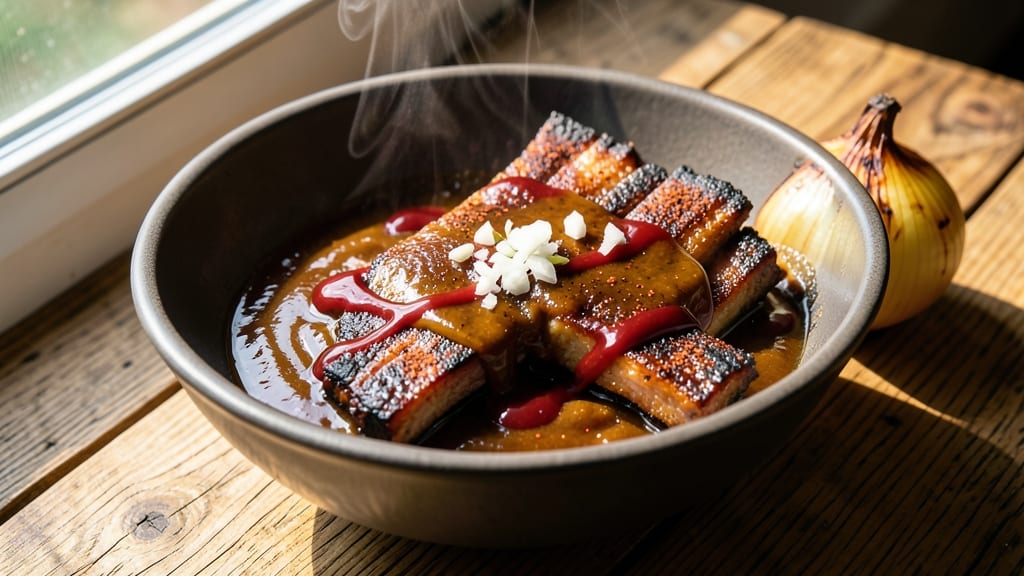
This BBQ pork spare ribs sauce recipe unlocks the perfect balance of deep umami and bright tang that transforms tough spare ribs into melt-in-your-mouth perfection. 🔥 The tamarind adds that signature tangy brightness found in award-winning competition sauces, while smoked paprika and molasses create layers of complexity that stand up to hours of slow cooking.
What sets this sauce apart is the careful balance of sweet, tangy, and smoky flavors—no single element overpowers the others. The base builds gradually through simmering, allowing each ingredient to develop its own character before coming together in a glossy, clingy finish that caramelizes beautifully on ribs.
This isn't just another store-bought sauce substitute; it's a sauce designed to complement the natural richness of pork.
The result is a sauce that's rich enough to stand alone but bright enough to cut through fatty meat. It develops even better after 24 hours, letting the flavors meld completely.
Whether you're smoking ribs low and slow or finishing them on the grill, this sauce delivers that restaurant-quality glaze that makes every bite unforgettable.
Best of all, it keeps well in the refrigerator for up to 2 weeks or can be frozen for 3 months—perfect for batch cooking when you know you'll be spending time over the grill.
The secret lies in the tamarind paste and the molasses-to-vinegar ratio, which creates that perfect balance of sweet and tangy that defines great BBQ sauce.
Ingredients for bbq pork spare ribs sauce
Nine ingredients. One sauce. The perfect tangy-sweet-smoky blend for ribs that'll make you forget store-bought.
| Ingredient | Amount | Notes |
|---|---|---|
| Tamarind Paste 🍯 | ½ cup | High-quality, unsweetened preferred |
| Molasses 🍯 | ½ cup | Unsulphured for best flavor |
| Apple Cider Vinegar 🍎 | ½ cup | Raw, unfiltered preferred |
| Smoked Paprika 🌶️ | 2 tbsp | High-quality, not smoked paprika blend |
| Brown Sugar 🍚 | ½ cup | Light or dark, packed |
| Yellow Onion 🧅 | 1 whole | Medium-sized, yellow preferred |
| Garlic Cloves 🧄 | 4 cloves | Fresh, peeled, minced |
| Ketchup 🍅 | ½ cup | Heinz preferred, no sugar added |
| Black Peppercorns 🌶️ | 1 tsp | Freshly cracked, coarse |
| Ground Black Pepper 🌶️ | ½ tsp | Freshly ground preferred |
Tamarind is the game-changer here—look for paste at Asian markets or online if your grocery store doesn't carry it. Trader Joe's usually has it, but if you can't find it, lime juice plus 1 tbsp sugar is a decent swap. The molasses should be thick and dark—Goya or Brer Rabbit brands are my go-tos. For smoked paprika, Penzeys or the bulk bins at Whole Foods make a difference in flavor depth. The onion and garlic are your aromatics—don't skip the mincing, it builds flavor as it cooks.
No tamarind? Double the vinegar and add 1 tbsp lemon juice for brightness. Ketchup hater? Substitute with tomato paste plus 1 tbsp vinegar. Want more heat? Add cayenne or crushed red pepper flakes to taste. The brown sugar can be swapped for maple syrup or agave if you're avoiding refined sugar. For a deeper smoky flavor, add 1 tsp liquid smoke (but don't overdo it—it's potent!). The black peppercorns are non-negotiable though—freshly cracked adds complexity that ground pepper can't match.
This sauce only gets better with time—make it a day ahead if you can. Keeps in the fridge for 2 weeks in an airtight container, or freeze for 3 months in ice cube trays for single-use portions. The longer it sits, the more the flavors meld together. I always make double batches—one for ribs, one for burgers or grilled chicken. Thickens as it cools, so add a splash of water if it gets too stiff before using.
Why You'll Love This Recipe
- Five-Ingredient Magic: I swear, this sauce comes together with just a saucepan and 10 minutes of stirring. No fancy techniques—just tamarind paste for that tangy depth and molasses to caramelize into something rich.
- Smoky-Sweet Obsession: That smoked paprika and brown sugar combo? It’s the kind of flavor you’ll lick the spoon for—sticky, slightly spicy, with a vinegar kick that cuts through the richness.
- Tailgate to Tuesday: Slather it on ribs for a cookout, drizzle it over baked beans for a weeknight meal, or even toss it with roasted potatoes. It’s my go-to when I don’t want to think too hard about dinner.
- Leftovers That Don’t Suck: This sauce thickens beautifully when reheated—perfect for batching. Store it in the fridge for up to a week, and it’s still better than takeout. (Yes, even on a Tuesday night.)
Step-by-step instructions for BBQ pork spare ribs sauce
This sauce delivers bold umami depth with tangy brightness—perfect for glazing ribs or dipping. Let's make it together!
🍳 Step 1: Sauté Aromatics Until Fragrant
Heat a medium saucepan over medium heat and add 1 whole Yellow Onion, sliced into thin half-moons. Let it cook for 5-6 minutes until the edges turn golden and translucent. Here's the thing—don't rush this step. You want those onions to caramelize just a bit for deeper flavor.
Add the 4 cloves Garlic Cloves, minced, and the 1 tsp Black Peppercorns (coarsely cracked). Cook for another 1-2 minutes until the garlic is lightly golden and the peppercorns are sizzling. You'll smell that aromatic punch building—this is your flavor foundation. Remove from heat immediately to prevent burning.
🍳 Step 2: Build the Sauce Base
Return the pan to medium heat and stir in the 0.5 cup Tamarind Paste, 0.5 cup Molasses, and 0.5 cup Apple Cider Vinegar. Let the mixture bubble gently for 3-4 minutes until it thickens slightly. You're looking for a syrupy consistency here—this is where the tamarind's tangy brightness starts to shine.
Add the 2 tbsp Smoked Paprika and 0.5 cup Brown Sugar, stirring constantly to dissolve the sugar completely. The mixture should darken and thicken further. This is your umami bomb—where the molasses and tamarind create that signature BBQ depth. If it gets too thick, add 1-2 tablespoons water to loosen it slightly.
🍳 Step 3: Simmer and Thicken
Pour in the 0.5 cup Ketchup and bring the sauce to a gentle simmer. Let it cook uncovered for 10-12 minutes, stirring occasionally, until it reduces by about one-third and coats the back of a spoon. You'll notice the sauce darkening and developing a glossy sheen—this is when it starts to come together.
Here's where it gets fun—taste and adjust seasoning. Add 0.5 tsp Ground Black Pepper and a pinch of salt if needed. The sauce should balance sweet, tangy, and smoky flavors. If it's too thick, add more water 1 tablespoon at a time. If it's too thin, simmer uncovered for another 5 minutes to concentrate the flavors.
⏰ Step 4: Finish and Rest
Once the sauce reaches your desired consistency, remove it from heat and let it cool for 5 minutes. This resting period allows the flavors to meld completely. The sauce will thicken slightly as it cools—this is normal and actually improves the texture.
Strain the sauce through a fine-mesh sieve to remove any peppercorns or onion bits if you prefer a smooth finish. Transfer to a clean jar and let it sit at room temperature for at least 1 hour before using. This resting time is crucial—it lets the tamarind's acidity mellow and the flavors develop fully. Trust me, your ribs will thank you!
Pro Tips For Making Bbq Pork Spare Ribs Sauce
- Simmer Low and Slow: This sauce isn’t a race—drop the heat to a bare simmer (think tiny bubbles, not a rolling boil) once everything’s combined. I used to rush it, and the vinegar would turn harsh instead of mellowing into that tangy backbone. Give it 20-30 minutes uncovered so flavors meld without burning.
- Dissolve Tamarind First: Skip the clumpy mess by whisking the tamarind paste into warm water (about ¼ cup) before adding it to the pot. I learned this the hard way—lumps in your sauce mean uneven sourness. If you’re using block tamarind, grate it fine first; it’s worth the effort.
- Balance the Sweet and Sour: Taste as you go, but don’t just chase sweetness—adjust the apple cider vinegar after the sugar’s dissolved. The molasses and brown sugar will caramelize, so you’ll need less sugar later. I now add vinegar in 1-tbsp increments until the tang cuts through the richness.
- Toast the Smoked Paprika: Dry-toast the smoked paprika in a small pan for 30 seconds until fragrant—it deepens the smoky flavor without bitterness. Sounds weird, but it works: the heat releases oils that cling better to the ribs. Just don’t walk away; it burns faster than you’d think.
Common mistakes when making perfect results
Overcooking the Sauce
I've seen this happen more times than I can count—sauce that's been simmered too long turns bitter and loses its bright tang. The tamarind and vinegar are delicate; once they burn, there's no fixing it.
Keep an eye on the sauce after adding ketchup and remove it from heat the moment it reaches gentle simmer—not a rolling boil. The ideal texture should be glossy and coat the back of a spoon without being gluey. 🔥
Skipping the Resting Time
This is a rookie mistake that ruins the sauce's depth. The tamarind needs time to mellow out its acidity, and the flavors need to marry. If you use it immediately after cooking, it'll taste sharp and underdeveloped.
I always let mine sit for at least 1 hour before glazing ribs. Pro tip: Make the sauce the night before—it develops even better overnight.
Using Low-Quality Ingredients
Cheap molasses or store-brand tamarind paste will make your sauce taste flat and one-dimensional. Invest in unsulphured molasses like Goya or Brer Rabbit, and high-quality tamarind paste from Asian markets.
The difference in flavor depth is night and day. I've tasted sauces made with both, and the premium ingredients always win. Your ribs deserve the best.
Ignoring the Tamarind
Tamarind is the soul of this sauce—without it, you're missing that signature tangy brightness. If you substitute it with lemon juice or vinegar, you'll lose the complex depth that makes this sauce special. When I first started making BBQ sauce, I skipped tamarind because it was hard to find.
Now, I forage for it at farmers markets or order it online. It's worth the hunt for that authentic BBQ flavor.
Not Adjusting Seasoning
Every batch of sauce is different, so tasting and adjusting is non-negotiable. After simmering, always check the balance of sweet, tangy, and smoky flavors. If it's too sweet, add more vinegar or tamarind.
If it's too tangy, balance it with a touch of brown sugar. I keep a small bowl of water nearby to thin the sauce if needed—it's all about finding that perfect harmony. 💡
Burning the Aromatics
Overcooking the onions and garlic turns them bitter, which ruins the entire sauce. Once they're golden and fragrant, remove them from heat immediately. I've seen people let the garlic burn because they got distracted—don't be that person!
The aromatics are the flavor foundation, so treat them with care. A quick taste test here will save your sauce later.
Nutrition facts
Frequently asked questions
Can I use this sauce on other meats besides pork spare ribs?
This sauce works beautifully on chicken, beef brisket, and even grilled vegetables. The tamarind and molasses balance makes it versatile enough for pulled pork sandwiches or as a marinade for grilled fish. Just adjust cooking times—meats like chicken need less time to absorb the sauce than ribs.
How do I know when the sauce is ready to use?
The sauce is ready when it coats the back of a spoon smoothly and has reduced by about one-third. It should be glossy, not sticky, and have a thick but pourable consistency. If it's too thick, add water 1 tablespoon at a time while reheating. The sauce will thicken further as it cools.
Can I make this sauce without tamarind?
Yes, but you'll lose that signature tangy brightness. Double the apple cider vinegar and add 1 tablespoon lemon juice for brightness. For depth, add 1/2 teaspoon ground coriander to mimic tamarind's complexity. The sauce will still be delicious, just with a slightly different flavor profile.
How should I store leftover sauce?
Transfer the sauce to an airtight container and refrigerate for up to 2 weeks. For longer storage, freeze in ice cube trays for single-use portions (up to 3 months). Thaw overnight in the fridge before using. The sauce actually improves with time as flavors meld!
Why does my sauce taste bitter?
Overcooking or burning the aromatics (onions/garlic) causes bitterness. Keep heat at medium-low and remove from heat immediately when garlic turns golden. If already bitter, balance it with 1/2 teaspoon more brown sugar or a splash of vinegar to cut through the harshness.