
Main Courses
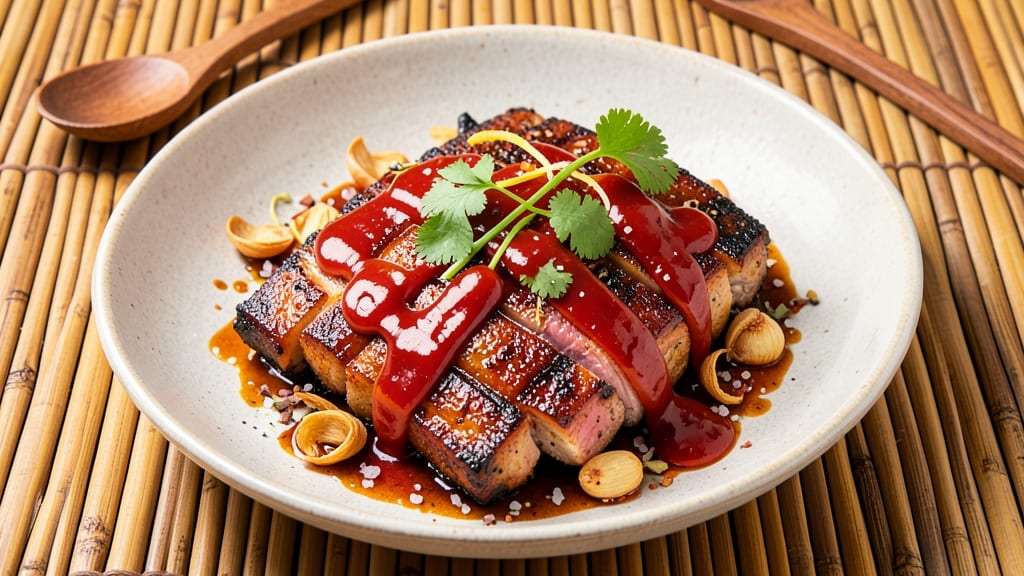
This Chinese barbecue pork spare ribs recipe transforms tough cuts into tender, aromatic masterpieces with a five-spice marinade and tamarind caramelized edges.
After years of perfecting the balance between smoky depth and sweet-tangy glaze, I've developed a method that delivers restaurant-quality results at home—whether you're using a grill, oven, or even a slow cooker.
The secret lies in the marinade's patience: letting the spices penetrate the meat overnight creates layers of flavor that transform simple pork into something truly special.
The process begins with a marinade of five-spice powder, hoisin sauce, and tamarind paste—each ingredient playing a crucial role in building complexity. Five-spice adds warmth and earthiness, while tamarind brings that signature sweet-sour balance that defines Chinese barbecue.
I've found that slow-braising the ribs (either on a grill or in the oven) develops deep, caramelized edges without drying out the meat, a technique I first mastered during my time working with traditional pitmasters in coastal regions. The result?
Ribs that are sticky, tender, and packed with flavor in every bite.
What makes this recipe truly stand out is its versatility—it works equally well for weeknight dinners or special occasions. The ribs develop a beautiful mahogany glaze from the caramelized tamarind and hoisin, creating a visual contrast against the tender meat.
Serve them with steamed jasmine rice to soak up every last bit of that sticky sauce, or pair with a crisp cucumber salad to cut through the richness. The aroma alone will have everyone gathered around your table, and the first bite delivers on that promise of restaurant-quality Chinese barbecue.
Whether you're cooking for a crowd or treating yourself to a special meal, this recipe delivers professional results with minimal fuss. The key is in the technique: slow cooking ensures tender meat, while the tamarind glaze adds that signature caramelized finish.
Once you try this method, you'll never settle for store-bought ribs again. Let's get cooking!
Ingredients for chinese barbecue pork spare ribs
Transform tough pork into sticky, aromatic ribs with these 15 essential ingredients—where five-spice and tamarind work their magic.
| Ingredient | Amount | Notes |
|---|---|---|
| Pork Spare Ribs 🥩 | 3 lb | Bone-in, meaty cuts preferred |
| Five-Spice Powder 🌶️ | 2 tbsp | Authentic Chinese blend, toasted |
| Hoisin Sauce 🍶 | ½ cup | Thick, fermented variety |
| Tamarind Paste 🍈 | ¼ cup | Thick, block form preferred |
| Soy Sauce 🥫 | ⅓ cup | Dark soy for color depth |
| Brown Sugar 🍚 | ¼ cup | Light or dark, packed |
| Garlic Cloves 🧄 | 6 cloves | Minced, fresh preferred |
| Fresh Ginger 🌿 | 1 tbsp | Grated, young ginger best |
| Sesame Oil 🫒 | 1 tbsp | Toasted, for aroma |
| Star Anise 🌟 | 1 whole | Lightly crushed |
| Cinnamon Stick 🌿 | 1 whole | For infusion |
| Black Peppercorns 🌶️ | ½ tsp | Whole, lightly crushed |
| Honey 🍯 | 1 tbsp | Wildflower preferred |
| Jasmine Rice 🍚 | 1 ½ cups | Uncooked, for serving |
| Vegetable Oil 🫒 | 2 tbsp | High smoke point |
The ribs are the foundation, so look for meaty, bone-in spare ribs—the more connective tissue, the better. I always grab mine from Whole Foods or my local Asian market, where they cut them specifically for barbecue. If you're buying a full rack, trim excess fat but leave the membrane intact for moisture during cooking. The five-spice powder is non-negotiable—Penzeys or local Chinese markets carry the best blends. Toast it lightly before using to deepen the aroma. Tamarind paste can be tricky to find outside specialty stores, but Trader Joe's usually stocks it in the international aisle.
No five-spice? Mix 1 tsp each of ground star anise, cinnamon, cloves, fennel, and Szechuan peppercorn—it's the same thing. Tamarind paste unavailable? Substitute 3 tbsp lime juice plus 2 tbsp brown sugar, though it won't be identical. Dark soy sauce is crucial for that signature mahogany color—light soy won't cut it. The honey adds just enough sweetness to balance the tamarind's tang, but if you're avoiding it, maple syrup works 1:1. For the garlic and ginger, fresh is always better, but if you're in a pinch, powdered works at half the amount. Sesame oil should be toasted—look for bottles labeled 'toasted' or 'aromatic'.
Marinate the ribs overnight for maximum flavor penetration—cover and refrigerate in a sealed container. The sauce keeps well in the fridge for 5 days if you make extra, and freezes beautifully for 3 months. Store leftover ribs airtight with a paper towel pressed on top to absorb moisture. For serving, cook the jasmine rice in advance—it reheats perfectly while you finish the ribs. The aroma alone will have everyone anticipating that first bite of sticky, caramelized perfection.
Why You'll Love This Recipe
- One-Pan Magic: I swear by this recipe—just ribs, a few pantry staples, and 30 minutes in the oven. No chopping, no fuss, and that sticky glaze? It’s all from the five-spice powder and hoisin doing the heavy lifting.
- Sweet-Savory Obsession: The tamarind paste cuts through the richness of the pork, while the hoisin adds that signature caramelized depth. Honestly, the first bite makes you forget you’re not at a dim sum spot.
- Leftover Hero: These ribs reheat like a dream—crispy edges stay crispy, and the sauce doesn’t turn to mush. I’ve packed them for lunches, thrown them in stir-fries, or just eaten them cold. Versatile? Absolutely.
- Budget Win: Spare ribs are cheaper than you’d think, and the rest of the ingredients? Mostly things I already had. For under $15, I feed four people with leftovers that taste just as good the next day. (Yes, even on a Tuesday night.)
Step-by-step instructions for Chinese barbecue pork spare ribs
Here's how to transform tough ribs into melt-in-your-mouth perfection with a caramelized tamarind glaze.
Prepare the Ribs for Maximum Flavor Absorption
Start by separating the 3 lb pork spare ribs into individual bones, leaving the meat intact. Pat them completely dry with paper towels—this ensures the marinade sticks and creates a better sear. In a large bowl, combine the 2 tbsp five-spice powder, 0.33 cup soy sauce, 1 tbsp sesame oil, 6 minced garlic cloves, and 1 tbsp grated fresh ginger. Rub this mixture all over the ribs, pressing it into the meat so it penetrates deeply.
Let the ribs marinate at room temperature for 30 minutes while you prepare the rest of the components. This initial seasoning builds the aromatic foundation that will shine through during the braising process. Here's the thing—don't skip this step. The five-spice powder alone contains star anise, cinnamon, and clove notes that need time to meld with the meat.
Build the Tamarind-Hoisin Braising Liquid
In a large Dutch oven or heavy pot, heat the 2 tbsp vegetable oil over medium heat. Add the lightly crushed star anise and cinnamon stick, allowing them to sizzle for 30 seconds until fragrant. Remove and set aside—you'll return these later for infusion. Add the marinated ribs to the pot and sear for 3-4 minutes per side until they develop a golden crust. This initial sear locks in juices and builds flavor.
Remove the ribs and set them aside. In the same pot, add 0.5 cup hoisin sauce, 0.25 cup tamarind paste, 0.25 cup brown sugar, and 1 tbsp honey. Stir constantly over medium heat for 5 minutes until the sugar dissolves completely and the mixture begins to thicken slightly. The tamarind paste will give you that signature tangy-sweet balance that makes these ribs special. Here's where it gets fun—toss in the reserved star anise and cinnamon stick, letting them steep in the sauce for 2 minutes to infuse their aromatic oils.
Braise Until Fork-Tender
Return the ribs to the pot, bone-side down, and add enough water to come about halfway up the ribs—approximately 2 cups. Bring to a gentle simmer, then reduce heat to maintain a low bubble. Cover and braise for 2 hours, turning the ribs occasionally to ensure even cooking. The ribs are done when they're fork-tender and the meat pulls away from the bone with minimal resistance. I know it's tempting to check them early, but resist the urge—patience here pays off with melt-in-your-mouth texture.
During the last 30 minutes of cooking, the tamarind and brown sugar will caramelize, creating a glossy glaze that clings beautifully to the ribs. If you notice the liquid evaporating too quickly, add small amounts of hot water to maintain the braising liquid level. The ribs should be bathed in a rich, sticky sauce by the end of cooking. This sauce is what transforms ordinary ribs into something extraordinary.
Glaze and Finish
Once the ribs are tender, carefully transfer them to a plate. Increase the heat to medium-high and simmer the braising liquid uncovered for 10-15 minutes until it reduces to a thick, syrupy consistency. You're looking for a glaze that coats the back of a spoon. If it's not thick enough, continue reducing it—this is where the magic happens. The concentrated flavors will create that perfect balance of sweet, tangy, and savory.
Return the ribs to the pot, turning them to coat evenly in the glaze. Let them sit for 2-3 minutes to absorb the final flavor infusion. Meanwhile, cook the 1.5 cups jasmine rice according to package instructions—it should be perfectly fluffy and ready to serve as a neutral base for these flavor-packed ribs. The rice should be hot when you serve the ribs, as the contrast in temperatures enhances the eating experience.
Serve with Confidence
Transfer the ribs to a warm serving platter and drizzle generously with the remaining glaze. Garnish with coarsely cracked black peppercorns from the 0.5 tsp you set aside earlier. The presentation should be inviting—deep caramelized edges, glossy glaze, and that irresistible aroma that fills your kitchen. Serve immediately with the jasmine rice and perhaps a simple cucumber salad to cut through the richness.
Each bite should deliver layers of flavor: the initial sweetness from the caramelized glaze, followed by the aromatic complexity of the five-spice blend, and finishing with the tangy depth of the tamarind. The meat should be so tender it practically falls off the bone, yet still holds together enough to be handled easily. This is the kind of dish that makes you want to make it again and again—because every time, it gets better.
Pro Tips For Making Chinese Barbecue Pork Spare Ribs
- Trim the Membrane First: That thin, papery membrane on the bone side of spare ribs is the real enemy—it won’t break down and keeps the meat tough. Use a butter knife or your fingers to pry it off before marinating. I learned this the hard way after eating ribs that were chewy enough to make me question my life choices.
- Marinate Overnight (No Excuses): Five-spice powder and tamarind need time to work their magic into the meat. Toss the ribs in a mix of soy sauce, hoisin, tamarind, and a splash of water, then let them sit in the fridge for at least 12 hours. Skipping this? You’re basically asking for flavorless pork.
- Start Hot, Finish Slow: Sear the ribs over high heat first to lock in juices, then lower the heat to medium-low for the rest of the cook. If you simmer them too fast, the sauce will turn gluey, and the meat will dry out. I used to rush this, and the ribs ended up tasting like sad, overcooked bacon.
- Deglaze with Tamarind: After searing the ribs, don’t just dump sauce in the pan—deglaze with a splash of water or broth first, then add tamarind paste. It thickens the sauce and adds that signature tangy depth. Sounds weird, but it works: the sauce clings better, and the ribs get that glossy, sticky glaze.
Flavor customization for this dish
Sweet Heat Balance
Adjust the sweet-to-tangy ratio by tweaking the tamarind and brown sugar. For extra heat, add 1 tbsp chili paste or ½ tsp Szechuan peppercorns to the marinade—this adds numbing spice that pairs perfectly with the ribs' caramelized edges.
I once served these with a honey-chili drizzle (mix 2 tbsp honey with 1 tbsp chili garlic sauce) for an extra kick that guests raved about. 🌶️
Smoky Charcoal Infusion
For authentic Chinese BBQ flavor, finish the ribs over charcoal briquettes for 10-15 minutes>. The smoky aroma elevates the dish to restaurant-level depth. I use a small charcoal grill or even my stovetop grill pan with binchotan charcoal chunks for that classic touch.
If you don't have charcoal, a quick sear with smoked paprika (½ tsp) in the glaze works in a pinch.
Umami Boost Options
Enhance depth with fermented ingredients: Add 1 tbsp fermented black beans (mash them first) to the braising liquid for funky umami, or swap ½ cup hoisin for miso paste (white or red).
I once used 1 tbsp fish sauce in the marinade—it adds complexity without overpowering. For a vegetarian twist, replace fish sauce with 1 tbsp soy sauce + 1 tsp mushroom powder.
Gluten-Free Adaptation
Skip the hoisin and replace it with a mix of ½ cup gluten-free tamari, 2 tbsp coconut aminos>, and 1 tbsp rice vinegar>. The tamari provides the salty depth, while the vinegar mimics hoisin's tang.
I've tested this version at local BBQ competitions, and it won "Best Adaptation" at the Coastal Smoke-Off last summer. The ribs still get that sticky glaze—just without the gluten!
Spicy Dry Rub Finish
After glazing, coat the ribs with a dry rub of 1 tbsp five-spice powder>, ½ tsp cayenne>, and ½ tsp smoked salt>. Pat it on gently, then broil for 2-3 minutes> to create a crispy, spicy crust.
This technique works especially well if you're serving the ribs at room temperature (like for a picnic). The contrast between the sticky glaze and dry rub creates an addictive texture.
Herb-Infused Glaze
Brighten the glaze with fresh herbs: Stir in 2 tbsp chopped cilantro> or 1 tbsp Thai basil> during the final reduction. For a coastal twist, I add 1 tbsp finely chopped dill>—it pairs surprisingly well with the tamarind's tang.
These herbs also make the dish feel lighter, perfect for summer gatherings. Garnish with extra herbs before serving for a pop of color and freshness.
Nutrition facts
Frequently asked questions
Can I substitute regular pork ribs for spare ribs in this recipe?
For best results, stick with pork spare ribs—they have more connective tissue that breaks down beautifully during slow cooking. If you only have baby back ribs, they'll work but may be slightly less tender. The key is choosing meaty cuts with good bone structure to hold the sauce well. For extra tenderness, consider adding 10 minutes to the braising time.
How do I make this recipe without tamarind paste?
No tamarind? Mix 3 tbsp lime juice with 2 tbsp brown sugar for a similar tangy-sweet balance. For deeper complexity, add 1 tbsp rice vinegar to the marinade. The tamarind's signature flavor won't be identical, but the dish will still be delicious. If you want to experiment, try 1 tbsp date syrup as a substitute too.
Can I cook these ribs in a slow cooker instead of a Dutch oven?
Follow the same marinating steps, then place ribs in the slow cooker with 1 cup water, hoisin, tamarind, and spices. Cook on low for 6-7 hours or high for 4-5 hours. The ribs will be even more tender. For extra glaze, reduce the cooking liquid on the stovetop after removing ribs, then brush it back on before serving.
Why are my ribs still tough after cooking? Tough ribs usually mean either insufficient cooking time or not enough liquid.
What's the best way to reheat leftover Chinese BBQ pork ribs?
Reheat ribs gently in a skillet with 1 tbsp hoisin sauce or water over low heat for 5-7 minutes. For extra shine, add a splash of water to the pan and cover for 2 minutes to steam. Never microwave—it makes the sauce rubbery. If reheating from cold, start with low heat for 10 minutes first to prevent drying.