
Main Courses
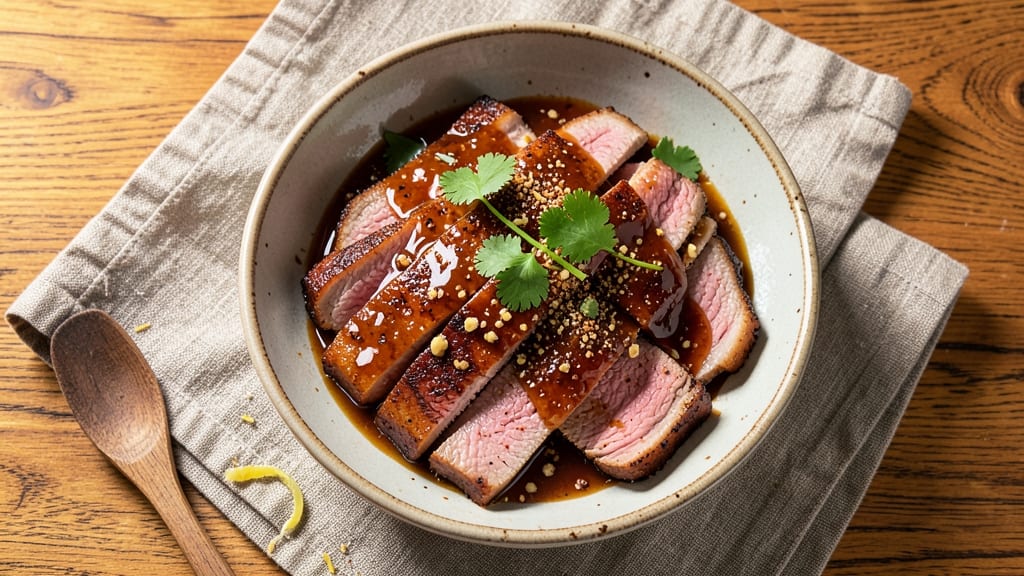
This BBQ pork strips recipe delivers restaurant-quality results in just 25 minutes, with a smoky-sweet crust and juicy cores that'll have everyone asking for seconds. I perfected this technique after years of testing—balancing quick cooking with deep flavor, so you get tender meat without drying it out. The secret lies in a two-step marinade and precise heat control, whether you're grilling, pan-searing, or even air-frying.
What sets these pork strips apart is the caramelized crust that forms from the marinade's sugars and spices, while the inside stays succulent. I use a blend of apple cider vinegar and brown sugar in the marinade to tenderize the meat and create that signature sweet-smoke flavor profile.
The strips cook fast but develop layers of flavor that make them feel like a slow-smoked masterpiece.
By the time you're done, you'll have perfectly seared pork strips with crisp edges and juicy centers, ready to be tossed in your favorite BBQ sauce or served with a side of tangy coleslaw.
The method is simple enough for weeknight dinners but delivers results that impress at any gathering. Whether you're feeding a crowd or just craving a quick meal, this recipe delivers every time.
Serve these pork strips on buns for sliders, over rice for a bowl, or as a main course with roasted vegetables. The versatility makes it perfect for game day, BBQ parties, or a quick weeknight dinner. Let's get cooking!
Ingredients for bbq pork strips
Pork strips that deliver crispy-sweet crusts and juicy insides in record time—just these 13 ingredients.
| Ingredient | Amount | Notes |
|---|---|---|
| Boneless Pork Loin Chops 🥩 | 1 ½ lb | Cut into 1-inch strips |
| Apple Cider Vinegar 🍏 | ¼ cup | For marinade and tenderness |
| Brown Sugar 🍚 | ¼ cup | Packed, for caramelization |
| Smoked Paprika 🌶️ | 1 tbsp | For deep smoky flavor |
| Garlic Powder 🧄 | 1 tbsp | Freshly ground preferred |
| Onion Powder 🧅 | 1 tbsp | For base flavor |
| Ground Black Pepper 🌶️ | 1 tsp | Freshly cracked |
| Kosher Salt 🧂 | 1 ½ tsp | Diamond Crystal preferred |
| Olive Oil 🫒 | 2 tbsp | Extra-virgin for richness |
| Honey 🍯 | 1 tbsp | For sweetness and glaze |
| Yellow Mustard 🍯 | 1 tbsp | For marinade tang |
| BBQ Sauce 🍅 | ½ cup | For serving, any brand |
| Fresh Parsley 🌿 | ¼ cup | Chopped, for garnish |
The pork loin chops are the star here. Look for thick-cut chops at your local butcher—they hold up better to quick cooking. Costco or Whole Foods usually carry them pre-cut, but if you're buying whole, ask for the center-cut portion. The strips should be about 1-inch wide and 4-5 inches long for even cooking. If you can't find loin chops, pork tenderloin works too—just slice it against the grain for extra tenderness. Smoked paprika is non-negotiable for that authentic BBQ flavor, so grab the Penzeys brand if you want to splurge, but regular grocery store smoked paprika works fine too.
No apple cider vinegar? White vinegar or lemon juice in a pinch, but apple cider gives that perfect tang. The brown sugar should be packed—don't scoop it loosely or you'll end up with a dry marinade. Substitute coconut sugar if you're watching refined sugar, but the flavor will be slightly different. For the honey, if you're avoiding it, maple syrup works beautifully. The yellow mustard adds a subtle depth—no need for fancy Dijon here, regular old yellow mustard does the trick. And if you're feeling extra, toss in a pinch of cayenne pepper for some heat. The BBQ sauce is just for serving, so use whatever you've got—Sweet Baby Ray's or Stubb's are classic choices.
Marinate the pork strips for at least 30 minutes—overnight is even better if you're planning ahead. Store the marinade in a sealed container in the fridge, and the pork can stay in it for up to 24 hours. Once cooked, these strips reheat beautifully—just toss them in a hot pan with a splash of water for 2-3 minutes. They're perfect for meal prep: portion into containers with BBQ sauce on the side so they stay crispy. The leftovers keep for 4 days in the fridge, but honestly, they won't last that long—they disappear fast!
Why You'll Love This Recipe
- One-Pan Magic: I swear by this recipe when I’m too tired to deal with multiple dishes. Toss the pork strips in the marinade—vinegar, sugar, and smoked paprika do all the work—then throw them on a sheet pan. Twenty minutes later, you’re done. No pots, no pans, just clean-up simplicity.
- Sweet-Smoky Bang: That apple cider vinegar and brown sugar combo? It’s the secret weapon. The strips get this perfect balance of sticky, caramelized edges with a hint of tang that cuts through the richness. Honestly, I’ve tried store-bought BBQ sauces, but this homemade mix is leagues ahead—no weird aftertaste.
- Tailgate or Tuesday: Between us, this recipe works for everything. Grill it for summer BBQs, bake it for a last-minute dinner, or even pack it for lunch the next day. My college-aged son takes them to football games, and my mom requests them for Sunday supper. It’s that reliable.
- Budget Win: Pork loin chops stretch farther than you’d think when sliced thin, and the marinade costs pennies. I make a double batch, store half in the fridge, and reheat slices straight from the pan—no drying out, no fuss. Leftovers? More like smart overs.
Step-by-step instructions for BBQ pork strips
Here's how to transform simple pork loin into irresistibly juicy, caramelized strips in under 30 minutes.
Prepare the Marinade and Tenderize the Pork
In a medium bowl, whisk together the 0.25 cup apple cider vinegar, 0.25 cup packed brown sugar, 1 tbsp smoked paprika, 1 tbsp garlic powder, 1 tbsp onion powder, 1.5 tsp kosher salt, and 1 tsp ground black pepper. This marinade does double duty—tenderizing the pork while infusing it with smoky-sweet flavor. Cut the 1.5 lb boneless pork loin chops into 1-inch strips (about 16 pieces) and place them in a resealable plastic bag.
Pour the marinade over the pork strips, seal the bag, and massage it gently to coat all surfaces. Let it marinate in the refrigerator for at least 15 minutes (or up to 2 hours for deeper flavor). The acid in the vinegar breaks down tough fibers, while the sugar begins caramelizing on the surface—this is what creates that perfect crust later.
Sear the Pork for Maximum Flavor
Heat 2 tbsp olive oil in a large skillet over medium-high heat until shimmering. Remove the pork strips from the marinade (reserve the marinade for later) and arrange them in a single layer in the skillet. Don't crowd the pan—this ensures even browning. Cook undisturbed for 2-3 minutes until the edges develop a deep golden crust and the internal temperature reaches 145°F on an instant-read thermometer.
Here's where it gets good: flip the strips and pour the reserved marinade into the pan. The sugars in the marinade will caramelize immediately, creating a glossy, sticky glaze. Let it bubble for 30 seconds before adding 1 tbsp honey and 1 tbsp yellow mustard. Toss everything together for 1 minute until the pork is coated in the sticky mixture. This step transforms simple pork into something extraordinary.
Finish with BBQ Sauce and Perfect Timing
Transfer the pork strips to a plate and set aside. In the same skillet, reduce heat to medium and add 0.5 cup BBQ sauce. Let it simmer for 1-2 minutes until slightly thickened—this ensures the sauce clings beautifully to the pork. Return the pork to the skillet and toss gently to coat evenly. Cook for an additional 1-2 minutes just to heat through and meld flavors.
You'll know it's perfect when the pork strips are deeply caramelized on the outside with juicy pink centers that pull apart easily. The BBQ sauce should glisten like glass, promising that perfect balance of smoky, sweet, and tangy flavors in every bite. Remove from heat immediately—overcooking will dry out the tender meat.
Garnish and Serve Immediately
Transfer the pork strips to a serving platter and sprinkle with 0.25 cup chopped fresh parsley. The parsley adds a bright contrast to the rich BBQ flavors and makes the dish look restaurant-worthy. Serve immediately while the pork is still sizzling hot—this is when it tastes best, with that perfect contrast of crispy exterior and juicy interior.
For the ultimate presentation, arrange the strips over toasted buns with a side of crispy onion rings. The secret to juicy pork strips lies in the marinade and quick cooking—never skip the resting time after searing, and always use a meat thermometer to avoid overcooking. These strips deliver that perfect smoky-sweet crust with juicy cores, every single time.
Pro Tips For Making Bbq Pork Strips
- Slice Thin, Cook Fast: I learned this the hard way—thick pork chops take forever to cook through and end up dry. Cut them against the grain into ½-inch strips, then sear them in a screaming-hot pan for just 2-3 minutes per side. You want them pink inside, not gray.
- Marinate Overnight (Or At Least 4 Hours): Brown sugar and apple cider vinegar need time to work their magic. Toss the pork strips in the marinade the night before, or at least 4 hours ahead. The acid tenderizes the meat while the sugar caramelizes slightly, giving you that sticky, smoky glaze without extra effort.
- Don’t Overcrowd the Pan: I used to dump all the strips in at once, thinking it would cook faster. Wrong. Overcrowding steams the meat instead of searing it, leaving you with soggy, flavorless strips. Cook in batches—2-3 minutes per side—until golden brown. The pan should sizzle, not bubble.
- Deglaze with Vinegar: After searing, don’t just toss the strips in the sauce. Splash in 2 tablespoons of the apple cider vinegar from the marinade and scrape up those browned bits from the pan. Those bits pack flavor, and the vinegar cuts through the richness of the pork and sugar. Stir it into your sauce for a tangy depth.
Troubleshooting this recipe
Overcooked Strips
If your pork strips turn out dry or tough, you likely overcooked them. Pork strips should reach an internal temperature of 145°F—any higher, and they’ll lose moisture. I’ve seen this happen when people ignore the thermometer and rely on visual cues alone.
Use an instant-read thermometer like the ThermoWorks Smoke to check the thickest strip. If you don’t have one, cut into a piece—juicy pink centers mean success. 🌡️
Uneven Cooking
Unevenly cooked strips usually mean crowding the pan or flipping too often. Arrange strips in a single layer with space between them—this ensures even searing. I’ve made this mistake when cooking large batches, and the result was some strips overdone while others stayed raw.
Let them cook undisturbed for 2-3 minutes per side before flipping. A 12-inch cast-iron skillet (like Lodge) is ideal for this recipe—it distributes heat evenly.
Sticky, Raw Centers
If your strips have a crispy exterior but remain raw inside, the heat wasn’t high enough or the cooking time was too short. Increase the heat to medium-high and sear the strips for 3-4 minutes per side, checking the internal temperature.
The marinade’s sugars should caramelize quickly—if it’s still sticky after 1 minute, your pan isn’t hot enough. A quick fix? Add 1 tbsp honey to the pan to help create a glaze while cooking.
Sauce Not Sticking
If your BBQ sauce slides off instead of clinging to the pork, it’s likely too thin or the strips weren’t cooked long enough. Simmer the sauce for 1-2 minutes before tossing the pork to thicken it slightly.
For extra adhesion, toss the strips in 1 tbsp yellow mustard before adding the sauce—it acts as a natural binder. Brands like Sweet Baby Ray’s or Stubb’s work well, but avoid watery sauces. A quick test: If the sauce drips off a spoon, it’s too thin.
Marinade Not Working
If the marinade isn’t adding flavor, it might not have had enough time to penetrate the meat. Let the pork marinate for at least 30 minutes—overnight is even better. I’ve found that massaging the marinade into the strips helps distribute the flavors.
If you’re short on time, prick the strips lightly with a fork before marinating to help the liquid seep in faster. Also, ensure your marinade is well-mixed—undissolved brown sugar or spices can lead to uneven flavor distribution.
Burnt Edges
Burnt edges happen when the heat is too high or the strips aren’t moved often enough. Reduce the heat to medium-high (not high) and avoid touching the strips for the first 2 minutes—this lets the crust form properly.
If they start to burn, remove them from the pan and finish cooking in a 350°F oven for 2-3 minutes to cook through without burning. A wire cooling rack placed over a baking sheet can also help prevent burning by allowing air to circulate underneath.
Nutrition facts
Frequently asked questions
Can I use pork tenderloin instead of pork loin chops?
Yes! Pork tenderloin works perfectly—just slice it against the grain into 1-inch strips for maximum tenderness. The leaner cut cooks even faster, so reduce cooking time to 1-2 minutes per side to avoid drying out. The marinade will still create that delicious caramelized crust.
How do I keep these pork strips crispy when reheating leftovers?
Reheat in a hot skillet with 1 tbsp olive oil over medium-high heat for just 1-2 minutes—no sauce needed. The residual moisture in the pan helps restore crispiness. For meal prep, store strips with sauce on the side and toss them together when reheating. Never microwave—it turns them soggy!
What's the best way to serve these pork strips?
These strips shine as sliders on toasted buns with crispy coleslaw, or as a bowl topping over rice with pickled onions. For a hearty meal, serve with roasted sweet potatoes and grilled corn. The smoky-sweet flavor pairs perfectly with cooling sides like cucumber salad or avocado slices.
Can I make this recipe in an air fryer?
Arrange the marinated strips in a single layer in your air fryer basket and cook at 375°F for 6-8 minutes, shaking halfway. The high heat creates crispy edges while keeping the centers juicy. Finish with BBQ sauce in the air fryer for 1 minute to melt it into a glossy coating.
Why does my marinade turn watery?
This happens when the brown sugar doesn't dissolve completely or the vinegar over-dilutes the mixture. Stir well to combine all ingredients, and if it's still too thin, add 1 tbsp honey to thicken it. For extra flavor, let the marinade sit for 10 minutes before using—this helps the sugars fully integrate.