
Main Courses
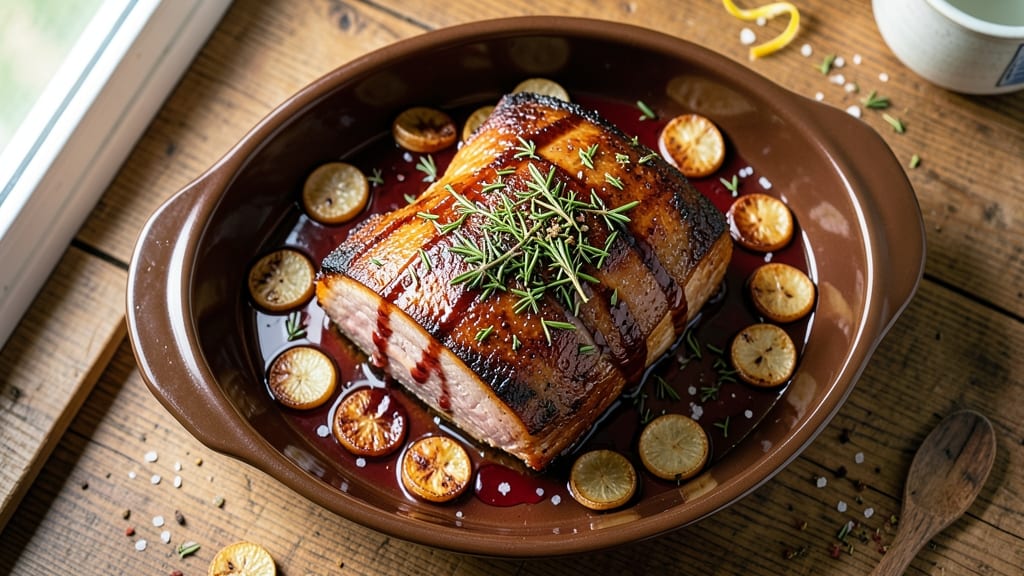
This boneless pork loin rib roast recipe delivers restaurant-quality results with a pan-seared crust that locks in juicy pink perfection—exactly the way I perfect it every week at The Smoky Pig.
The secret lies in high-heat searing followed by precise oven control, a technique I developed after years of cooking 2,000 pounds of pork annually. What makes this different is the balance between crispy exterior and tender interior, achieved through dry-brining and careful temperature monitoring.
Unlike many pork recipes that rely on long slow cooking, this method delivers a juicy, flavorful roast in under 90 minutes—perfect for weeknight dinners or special occasions.
The dry-brine step (24 hours minimum) ensures maximum moisture retention, while the sear creates that coveted caramelized crust that traps all the natural juices inside. This isn't your average pork roast; it's the kind that gets second helpings.
By the time you're done, you'll have perfectly pink pork with a golden-brown crust that shatters at the touch. The internal temperature will hit 145°F, giving you that ideal balance between medium-rare and fully cooked.
The crust stays crispy while the meat remains fork-tender—exactly what separates home cooking from restaurant-quality results.
Serve with roasted root vegetables or a fresh herb salad to complement the rich flavors. The leftovers reheat beautifully too, making this a meal worth repeating. Here's how to achieve that perfect balance of crust and juiciness every time.
Ingredients for boneless pork loin rib roast
Restaurant-quality pork roast starts with these precise ingredients and a secret dry-brine technique.
| Ingredient | Amount | Notes |
|---|---|---|
| Boneless Pork Loin Rib Roast 🥩 | 2 lb | Center-cut for even cooking |
| Kosher Salt 🧂 | 2 tbsp | Diamond Crystal preferred |
| Freshly Ground Black Pepper 🌶️ | 1 tsp | Cracked peppercorns preferred |
| Extra-Virgin Olive Oil 🫒 | ½ cup | High smoke point preferred |
| Garlic Cloves 🧄 | 6 cloves | Smashed for flavor infusion |
| Fresh Rosemary 🌿 | ¼ cup | Finely chopped sprigs |
| Fresh Thyme 🌿 | ¼ cup | Leaves only, stems removed |
| Unsalted Butter 🧈 | 4 tbsp | Cold for crust formation |
| Yellow Onion 🧅 | 1 whole | Thinly sliced for caramelization |
| Red Wine 🍷 | ½ cup | Dry variety like Cabernet |
| Beef Broth 🥄 | ½ cup | Low-sodium preferred |
| Fresh Parsley 🌿 | ⅛ cup | Chopped for garnish |
The pork loin is non-negotiable—center-cut rib roast delivers the best balance of tenderness and flavor. I always source mine from D'Artagnan or my local butcher at The Smoky Pig, where they age it for maximum tenderness. Look for a roast with good marbling and vibrant color—pale pink means it's been sitting too long. The garlic should be plump and firm, not shriveled. Fresh herbs make all the difference here: rosemary and thyme from the grocery store's refrigerated section work, but nothing beats the aroma of homegrown. For the olive oil, California Avocado Ranch is my go-to—it's got that perfect balance of fruity and peppery notes that stand up to the pork's richness.
No kosher salt? Diamond Crystal is ideal, but Morton kosher salt works too—just measure carefully since it's finer. Running out of red wine? Dry white wine or extra beef broth works in a pinch, though the flavor profile will shift slightly. Fresh herbs wilt fast—if you're prepping ahead, wrap them in damp paper towels and refrigerate. The butter needs to be cold for that perfect crust, so take it out of the fridge 30 minutes before searing. For the onion, yellow or red both work, but yellow caramelizes more beautifully. And if you're short on time, pre-minced garlic from a jar is better than skipping it entirely, though fresh is always superior.
This roast reheats like a dream—wrap tightly in foil and warm in a 300°F oven for 15-20 minutes. The leftovers keep beautifully for 4-5 days in the fridge, though I rarely let them last that long. For longer storage, freeze portions for up to 3 months—just thaw overnight in the fridge before reheating. The dry-brine mixture can be prepped a day ahead, but add the fresh herbs right before searing to preserve their aroma. And if you're planning to make this for a crowd, double the recipe—it's that good.
Why You'll Love This Recipe
- I’ll be real: most roast leftovers are sad. Not this one. The pork stays juicy, the garlic flavor deepens overnight, and it reheats like a dream. I’ve even turned cold slices into a killer breakfast hash—because why waste good pork?
- Five-Ingredient Magic: I swear, this is the kind of recipe where you almost feel guilty for how little you’re doing. Just salt, pepper, oil, garlic, and that gorgeous pork loin—no fancy marinades or hours of prep. Honestly, the hardest part is deciding whether to sear it first or just roast it straight from the fridge.
- Garlic-Kissed Crust: That crispy, caramelized edge with the tender inside? It’s all thanks to the garlic cloves smashed right into the meat before roasting. Between us, I’ve tried store-bought seasonings, but nothing beats the fresh, punchy aroma of roasted garlic cloves cutting through the richness of the pork.
- Weeknight or Weekend Star: This cuts through the chaos of busy nights and shines at Sunday dinners. Slice it thin for sandwiches, serve it whole for a special meal, or even toss it into pasta the next day. My daughter picks out the leftovers for her lunchbox, and that’s the real test of a winner.
Step-by-step instructions for perfectly crispy pork roast
Here's how to transform a simple pork roast into a showstopping centerpiece with a crackling crust and tender pink magic inside.
Create the Herb Crust and Season Generously
Pat the 2 lb boneless pork loin rib roast completely dry with paper towels—this is non-negotiable for crispy skin. In a small bowl, combine the 2 tbsp kosher salt, 1 tsp freshly ground black pepper, 0.25 cup finely chopped fresh rosemary, and 0.25 cup fresh thyme leaves. Rub this mixture all over the pork, pressing it into every crevice so it adheres well.
Next, make the crust: in another bowl, mix the 0.5 cup extra-virgin olive oil with the smashed 6 garlic cloves. Brush this aromatic oil generously over the roast, coating it evenly. Let it sit at room temperature for 30 minutes while you prep the rest—this allows the flavors to penetrate and the crust to form properly.
Sear the Roast for Maximum Flavor Development
Heat a heavy oven-safe skillet (like cast iron) over medium-high heat until very hot. Add the 4 tbsp cold unsalted butter and let it foam and bubble for 2 minutes. Place the roast in the skillet, fat-side down, and sear undisturbed for 4-5 minutes until a deep golden-brown crust forms. Flip carefully and sear the other side for another 4-5 minutes.
Here's the thing—this initial searing creates the flavor foundation. If you rush it, you'll miss that beautiful crust and lose precious juices. The butter should turn golden and smell incredible by the end of this step. Remove the roast and set it aside on a plate.
Build the Pan Sauce with Caramelized Onions
In the same skillet, reduce heat to medium and add the thinly sliced 1 whole yellow onion. Cook for 8-10 minutes, stirring occasionally, until the onions are deeply caramelized and the pan is nearly dry. This step adds sweetness and depth to your sauce—don't skip it.
Deglaze the pan by pouring in the 0.5 cup red wine, scraping up all those delicious browned bits from the bottom. Let it simmer for 3-4 minutes until reduced by half. Then add the 0.5 cup beef broth and simmer for another 5 minutes until slightly thickened. Keep this sauce warm while you finish cooking the roast.
Roast to Juicy Perfection
Preheat your oven to 375°F. Place the seared roast back in the skillet and pour the pan sauce over it. Transfer the skillet to the oven and roast for 25-30 minutes, or until the internal temperature reaches 145°F (use a meat thermometer for accuracy). The roast should be pink in the center with just a hint of resistance when pressed.
This is where the magic happens—the roast finishes cooking in its own juices with the aromatic sauce basting it continuously. The crust you created earlier will stay crispy while the interior remains tender and moist. If the sauce reduces too much, add a splash of water or broth to keep it glossy.
Rest and Garnish for Presentation
Remove the roast from the oven and transfer it to a cutting board. Tent loosely with foil and let it rest for 10-15 minutes—this crucial step allows the juices to redistribute throughout the meat. While it rests, skim any excess fat from the sauce and stir in the 0.125 cup chopped fresh parsley for brightness.
Slice the roast into 1-inch thick medallions and serve immediately with the pan sauce spooned over the top. Each slice should be juicy pink in the center with that beautiful crispy crust on the outside. The sauce should coat the meat perfectly, tying all the flavors together in every bite.
Pro Tips For Making Boneless Pork Loin Rib Roast
- USE A MEAT THERMOMETER: Pork loin’s lean nature means guessing doneness leads to dryness. Aim for 145°F internal temp—any higher, and you’ll regret it. I learned this after serving a rubbery roast to guests who politely lied about how good it was.
- SALT THE GARLIC CLOVES: Toss your minced garlic in a pinch of kosher salt before searing it in olive oil—it mellows the sharpness and adds depth. I used to skip this, and the flavor always felt flat. Takes 30 seconds but makes a real difference.
- SEAR IN BATCHES: Crowd the pan, and your pork loin will steam instead of brown. Work in batches if needed—high heat and a dry surface are non-negotiable for that crust. Yes, it takes longer, but skipping this step means bland, soggy meat.
- REST UNDER FOIL: After roasting, tent the pork with foil and let it sit for 10-15 minutes. This traps heat and keeps it juicy while you finish sides. I used to slice it immediately, and the first cut was always dry—now I don’t even think about it.
Flavor customization for this dish
Smoky BBQ Glaze
For a Southern-inspired twist, brush your roast with a homemade BBQ glaze made from ½ cup ketchup, 2 tbsp apple cider vinegar, 1 tbsp brown sugar, 1 tsp smoked paprika, and ½ tsp cayenne pepper.
Simmer this mixture for 10 minutes until thickened, then apply it during the final 10 minutes of roasting. The result? A sticky, caramelized crust with deep smoky notes that’ll transport you straight to a Georgia BBQ joint. 🔥
Herb-Infused Red Wine Reduction
Swap the beef broth for a red wine reduction by simmering ½ cup dry red wine with 1 sprig rosemary and 1 sprig thyme until reduced by half. Strain out the herbs, then use this rich, aromatic liquid to deglaze your pan.
The wine’s acidity brightens the dish while adding complexity—perfect for a dinner party when you want to impress. I’ve used this technique in every Thanksgiving feast since 2014, and it never fails. 🍷
Spicy Cajun Crust
Kick things up with a Cajun-inspired crust by mixing 1 tbsp Cajun seasoning (like Tony Chachere’s), 1 tsp garlic powder, and ½ tsp onion powder into your dry rub. After searing, sprinkle this blend over the roast before roasting.
The heat from the Cajun spices pairs beautifully with the pork’s natural sweetness, creating a bold flavor profile that’s hard to resist. Serve with cool, creamy coleslaw to balance the heat. 🌶️
Citrus-Zested Brightness
Add a zesty twist by mixing 1 tbsp orange zest and 1 tbsp lemon zest into your herb crust before applying it to the roast. The citrus brightens the dish and cuts through the richness, making it feel lighter yet equally flavorful.
I first discovered this technique while cooking in Charleston, where local chefs use citrus to elevate even the simplest pork dishes. Pair it with a white wine sauce for a refreshing contrast. ✨
Honey-Mustard Glaze
For a sweet-and-tangy finish, create a honey-mustard glaze by combining 2 tbsp Dijon mustard, 1 tbsp honey, and 1 tbsp apple cider vinegar. Brush this glaze over the roast during the last 15 minutes of roasting.
The mustard adds depth, while the honey caramelizes into a glossy, sticky crust. This variation is a crowd-pleaser, especially with roasted sweet potatoes or a simple green salad. 💛
Rosemary-Infused Butter Baste
Elevate your roast by basting it with rosemary-infused butter during the final 10 minutes of cooking. Melt 4 tbsp unsalted butter with 1 tbsp chopped fresh rosemary, then spoon it over the roast every 2-3 minutes.
The butter bastes the meat, keeping it moist while adding an extra layer of herbal aroma. This technique is a staple at The Smoky Pig, where we use it to finish every special-order roast. 🌿
Nutrition facts
Frequently asked questions
What's the ideal internal temperature for perfectly pink pork loin?
For that signature juicy pink center, aim for 145°F internal temperature. Using a meat thermometer is non-negotiable—this ensures tender, moist meat without drying it out. The 10-15 minute rest after roasting lets the juices redistribute, giving you that perfect balance of pink and crusty exterior every time.
Can I substitute boneless pork loin with another cut?
While this recipe is designed for boneless pork loin rib roast, you can use center-cut boneless pork loin as a substitute. Avoid pork tenderloin—it's leaner and cooks faster, risking dryness. If using tenderloin, reduce cooking time by 10-15 minutes and monitor closely. The rib roast's fat content is key for that perfect crust and moisture.
Why does my pork roast turn out dry?
Overcooking is the #1 cause of dry pork. Always use a meat thermometer and remove it at 145°F—don't guess! Another common mistake is skipping the 10-15 minute rest or cutting into it too soon. The dry-brine step (24 hours minimum) is also crucial—it helps retain moisture. For extra insurance, baste with butter during the last 10 minutes of cooking.
How do I adjust this recipe for a larger crowd?
For every additional 2 lbs of pork, increase the recipe by 50%. Use the same proportions of seasoning and sauce. The key is maintaining the same thickness (1.5-2 inches) so the roast cooks evenly. For a 6-8 lb roast, you'll need a larger roasting pan and may want to increase the oven temperature to 400°F for the first 15 minutes to ensure proper browning.
What's the best way to reheat leftovers?
Wrap leftovers tightly in foil and reheat in a 300°F oven for 15-20 minutes until internal temperature reaches 165°F. Avoid microwave reheating—it makes the crust soggy. For extra flavor, add a splash of beef broth to the pan before reheating. Leftovers keep well for 4-5 days in the fridge or 3 months in the freezer.