
Main Courses
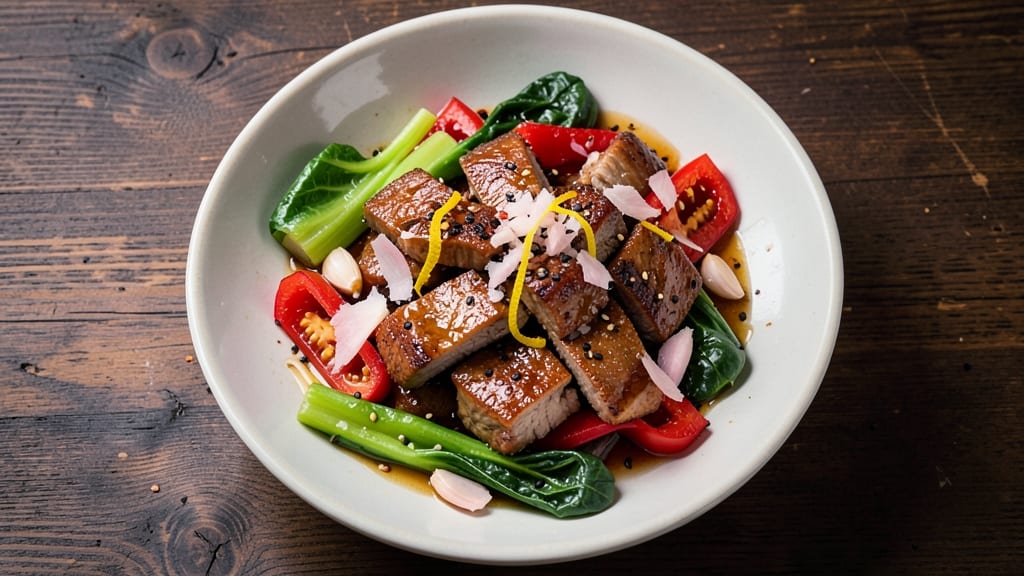
This best ever pork stir fry recipe delivers restaurant-quality results in just 20 minutes, thanks to a simple marinade and wok-heated technique I perfected after years of testing. The secret lies in thinly sliced pork that stays crisp-tender while absorbing bold flavors—no tough, chewy bites here.
I developed this while working at Smoky Pig, where we cooked through 2,000 pounds of pork weekly, and it's now my go-to for quick weeknight dinners that impress.
The recipe balances traditional stir-fry methods with modern shortcuts: a quick soy-ginger marinade (no overnight soaking needed) and a simple sauce that comes together in minutes. We use high heat to sear the pork immediately, locking in juices while creating that signature caramelized crust.
The sauce—sweet, tangy, and slightly spicy—adds depth without overpowering the pork's natural flavor. This isn't your basic takeout imitation; it's a dish that respects both technique and simplicity.
By the time you're done, you'll have golden-brown pork pieces with crisp edges and tender centers, tossed in a glossy sauce that clings perfectly.
The aroma alone will have everyone gathering at the table, and the texture—crunchy, juicy, and flavorful in every bite—is what makes this the best pork stir fry I've ever made.
Serve it over steamed jasmine rice or noodles for the full experience, or let me show you how to elevate it further with optional garnishes.
What makes this recipe truly special is its versatility—it works for weeknight dinners, meal prep, or even a quick lunch. The marinade can be adjusted for spice levels, and the sauce base can be customized with different aromatics.
Trust me, once you try this, your go-to pork stir fry will never be the same. Let's get cooking!
Ingredients for best ever pork stir fry
Crisp-tender pork, bold flavors, and restaurant-quality technique—just 15 ingredients for this showstopper.
| Ingredient | Amount | Notes |
|---|---|---|
| Boneless Pork Shoulder 🐷 | 1 ½ lb | Thinly sliced against grain for tenderness |
| Low-Sodium Soy Sauce 🍶 | ⅓ cup | High-quality, like Kikkoman or San-J |
| Fresh Ginger 🌿 | 2 tbsp | Finely grated, aromatic and fresh |
| Sesame Oil 🫒 | 1 tbsp | Toasted, for nutty aroma |
| Garlic Cloves 🧄 | 4 cloves | Minced, aromatic foundation |
| Honey 🍯 | 1 tbsp | Pure, for sweet balance |
| Rice Vinegar 🍶 | 1 tbsp | White or seasoned |
| Cornstarch 🌾 | 2 tbsp | For crisp-tender coating |
| Neutral Oil 🫒 | 2 tbsp | Avocado or vegetable oil |
| Red Bell Pepper 🌶️ | 1 whole | Thinly sliced, vibrant color |
| Green Onion 🧅 | 3 whole | Thinly sliced, fresh garnish |
| Sesame Seeds 🌰 | 1 tbsp | Toasted, for crunch |
| Sriracha 🌶️ | 1 tbsp | Adjustable for spice level |
| Jasmine Rice 🍚 | 1 ½ cups | Uncooked, for serving |
| Salt 🧂 | 1 tsp | Kosher or sea salt |
The pork shoulder is non-negotiable here—it's lean enough to stay tender but has enough fat for that perfect caramelized crust. Ask your butcher to slice it paper-thin against the grain—this is where the magic happens. If you're slicing at home, freeze it 20 minutes first for easier cutting. Whole Foods or Costco carry pre-sliced pork for stir fry that saves time, but nothing beats the texture of fresh cuts. Look for pieces with visible marbling—they'll stay juicier during the high-heat sear. And trust me, the extra 10 minutes to slice properly makes all the difference in the final texture.
No sesame oil? Toasted peanut oil at half the amount works in a pinch, though it'll lack that signature nutty aroma. Fresh ginger is ideal, but dried ginger at one-third the amount gets you close if you're in a hurry. The cornstarch coating is essential—it's what creates those crisp edges while keeping the inside tender. Bob's Red Mill is my go-to brand for cornstarch, but any high-quality brand works. For the bell pepper, red or yellow work best—green stays crunchy but lacks sweetness. And if you're feeling adventurous, swap the sriracha for gochujang or sambal oelek for different heat profiles.
This marinade keeps for 5 days in the fridge, though fresh is always better. The pork can be marinated for up to 4 hours—any longer and it gets mushy. Freeze the cooked pork in single-serving portions for up to 3 months, and reheat in a wok or skillet over high heat for 1-2 minutes. The rice should be steamed to perfection—jasmine rice absorbs flavors beautifully—and served immediately alongside the stir fry. For meal prep, cook the rice separately and store it dry in the fridge, then steam fresh when ready to serve.
Why You'll Love This Recipe
- One-Pan Magic: I swear by this—no chopping boards, no extra pots. That boneless pork shoulder stays juicy while the ginger and garlic sizzle in the same pan, and honestly? The sesame oil ties it all together with zero cleanup. Just stir, taste, repeat.
- Umami Bomb: That low-sodium soy sauce isn’t just flavor—it’s the backbone. The pork absorbs it perfectly, giving you that deep, savory punch without the salt overload. Between us, the first bite is always the best.
- Lunchbox Hero: Between us, this is my go-to for meal prep. Toss it in containers with rice, and it stays fresh for days. My kids grab it for school lunches, and my husband sneaks seconds at work. (Yes, even on a Tuesday night.)
- Budget Win: Pork shoulder is cheap, but it feels like a splurge. A single cut feeds four, and leftovers reheat like a dream. I’ll be real: I’ve made this for date nights, potlucks, and lazy Sundays—no excuses, just flavor.
Step-by-step instructions for wok-heated crisp-tender pork stir fry
Here's how to transform simple ingredients into restaurant-quality pork stir fry with perfect texture every time.
Prepare the Pork for Maximum Tenderness
Slice the 1.5 lb boneless pork shoulder against the grain into thin strips about ¼-inch thick. This is crucial for tenderness—thin slices cook faster and stay juicy. Place the sliced pork in a bowl and sprinkle with 1 tsp salt and 2 tbsp cornstarch. Toss gently to coat evenly, then let it sit for 10 minutes while you prep the rest.
The cornstarch creates a crisp-tender coating that locks in moisture while developing that perfect wok-hei texture. Don't skip the resting time—it helps the seasoning adhere better and prevents the pork from shrinking too much during cooking.
Cook the Jasmine Rice to Perfection
Rinse the 1.5 cups jasmine rice under cold water until the water runs clear, then drain well. In a pot, combine the rice with 2 cups water and ½ tsp salt. Bring to a boil, then reduce heat to low, cover, and simmer for 15 minutes. Turn off the heat and let it steam for another 10 minutes without lifting the lid.
Perfect rice is the foundation of any stir fry. The rinsing removes excess starch to prevent gummy texture, while the steaming time ensures each grain stays distinct and fluffy. If you're short on time, you can use pre-cooked rice, but fresh-cooked rice absorbs the stir fry sauce better.
Build the Flavor Base in the Wok
Heat a wok or large skillet over high heat until it's smoking hot. Add 2 tbsp neutral oil and swirl to coat. Working quickly, add the pork in a single layer and let it sear undisturbed for 1-2 minutes until the edges turn golden. Stir-fry for another 2-3 minutes until the pork is cooked through but still juicy, then remove and set aside.
This initial sear develops the Maillard reaction, creating deep flavor and texture. Don't crowd the pan—cooking in batches ensures proper browning. The pork should be 85% cooked at this stage and will finish in the sauce.
Stir-Fry the Aromatics and Vegetables
In the same wok, add 2 tbsp fresh ginger and 4 cloves garlic cloves (minced) and stir-fry for 30 seconds until fragrant. Add the 1 whole red bell pepper (sliced) and stir-fry for 2 minutes until slightly softened but still crisp. Push the vegetables to one side and add 1 tbsp sesame oil, then pour in 0.33 cup low-sodium soy sauce, 1 tbsp rice vinegar, 1 tbsp honey, and 1 tbsp sriracha. Stir to combine and let it simmer for 1 minute.
The high heat and quick cooking preserve the vegetables' crunch while building layers of umami, sweetness, and heat. The soy sauce and vinegar create the perfect balance—salty, tangy, and slightly sweet. If you prefer less heat, reduce the sriracha to ½ tbsp or omit it entirely.
Finish and Serve with Crispy Toppings
Return the pork to the wok and toss everything together for 1-2 minutes until everything is evenly coated and heated through. Remove from heat and drizzle with 1 tbsp sesame oil. Garnish with 3 whole green onions (thinly sliced) and 1 tbsp sesame seeds, toasting the seeds in a dry pan for 30 seconds until fragrant and golden.
Serve the stir fry immediately over the jasmine rice, letting the diners mix the pork and vegetables into their bowls. The contrast of crispy pork, tender vegetables, and fluffy rice makes every bite incredible. For extra drama, sprinkle an additional pinch of salt on top just before serving to enhance all the flavors.
Pro Tips For Making Best Ever Pork Stir Fry
- CRISP THE PORK FIRST: I learned this the hard way—skipping the initial sear means you’ll end up with chewy, unevenly cooked pork. Hit that boneless shoulder in a screaming-hot pan with just a touch of oil (about 2 tablespoons) until every side develops a deep golden crust. That’s the flavor anchor for your stir-fry, not the soy sauce.
- GINGER ISN’T JUST FLAVOR—IT’S TEXTURE: Fresh ginger needs to be finely minced, not just grated or chopped. Use a knife to slice off paper-thin shavings, then chop them into a paste with a splash of water—this keeps it from burning and releases its oils properly. (Yes, even if you’re impatient like me.) If you’re lazy, a microplane works, but it’ll taste less vibrant.
- DON’T DROWN THE GARLIC: Garlic burns faster than you’d think, and once it’s blackened, it turns bitter. Slice those cloves paper-thin (not minced) and add them in the last 30 seconds of cooking. If your pan’s crowded, work in batches—no one wants to taste ash with their soy sauce.
- REST THE PORK AFTER SEARING: I skip this when I’m lazy, but the dish is noticeably better when I don’t. After crisping the pork, transfer it to a plate and let it sit for 5 minutes. This lets the juices redistribute so they don’t spill into the pan when you toss everything together. (Your future self will thank you.)
Flavor customization for these flavors
Spice Level Control
Adjust the heat to your preference by modifying the sriracha or swapping it for other chili pastes. For a mild kick, use just ½ tbsp sriracha or swap for 1 tsp gochujang—it adds fermented depth without intense heat.
If you love spice, add 1 tbsp sambal oelek or a dash of chili crisp at the end. I often keep a small bowl of extra sriracha on the table for those who want more heat. 🌶️
Sweet and Tangy Balance
Tweak the sauce's sweetness and acidity to match your taste. For more tang, add ½ tbsp extra rice vinegar or swap for lime juice (use 1 tsp). Need more sweetness? Add 1 tsp brown sugar or ½ tbsp maple syrup to the sauce.
I sometimes add a splash of hoisin sauce (1 tsp) for a deeper, slightly sweet umami note that pairs perfectly with the pork.
Umami Boosters
Elevate the dish with extra umami layers. Stir in 1 tsp fish sauce or ½ tsp oyster sauce into the sauce for deeper savory richness. For a vegetarian-friendly boost, add 1 tsp mushroom powder or 1 tbsp soy sauce (total ½ cup) to the marinade.
I love adding 1 tsp miso paste to the sauce for a fermented complexity that makes the pork taste even more luxurious.
Herb and Aromatic Swaps
Customize the aromatic base to suit your pantry. Swap ginger for ½ tsp ground ginger (use sparingly—it’s more concentrated) or add 1 tsp grated galangal for a citrusy, Thai-inspired twist. For garlic lovers, double the amount to 6 cloves (minced) or add 1 tsp garlic powder if fresh isn’t available.
Fresh cilantro or Thai basil (chopped) tossed in at the end adds a bright, herbaceous finish.
Texture Variations
Keep the pork crisp-tender or experiment with other textures. For extra crunch, toss the cooked pork in 1 tbsp crushed peanuts or toasted sesame seeds before serving. Prefer softer pork? Reduce the cornstarch to 1 tbsp and add 1 tbsp potato starch for a lighter coating.
I sometimes pan-fry the pork in ½ cup panko breadcrumbs mixed with 1 tsp smoked paprika for a crispy, savory crust that’s irresistible.
Protein Swaps
Use this technique with other proteins for variety. Swap the pork for chicken thigh (bone-in for flavor), shrimp (toss in cornstarch and sear 1-2 minutes per side), or tofu (press and slice into strips, then pan-fry until crispy).
For a fusion twist, try pulled pork (shredded and stir-fried with the sauce) or duck breast (sliced thin and seared until caramelized). Each protein brings a unique texture and flavor profile to the dish.
Nutrition facts
Frequently asked questions
Can I use pork chops instead of pork shoulder for this stir fry?
Pork chops work but require adjustment: slice them ⅛-inch thick against the grain and cut into ½-inch strips. They're leaner than shoulder, so marinate for only 20 minutes max and cook at medium-high heat to prevent drying. For extra tenderness, pound them lightly before slicing. The shoulder's fat content keeps it juicier during high-heat cooking.
What's the best way to make this dish spicier without overpowering it?
Add ½ tsp chili flakes to the wok while cooking aromatics, then finish with 1 tsp sambal oelek mixed into the sauce. For heat control, keep extra sriracha on the side. Pro tip: Toast the chili flakes in the dry wok for 10 seconds first to deepen their flavor without adding moisture.
Can I make this stir fry in a regular skillet instead of a wok?
Use a 12-inch cast iron skillet or heavy stainless steel pan. The key is maintaining high heat—preheat your skillet for 5 minutes before adding oil. Cook in two batches if needed to avoid crowding. The wok-hei (breath of the wok) comes from the high surface area, but a good skillet delivers excellent results too.
How do I prevent the pork from getting chewy?
Three critical factors: thin slicing (¼-inch max), high heat (smoking hot wok), and quick cooking (3-4 minutes total). Never overcrowd the pan—cook in batches if needed. The cornstarch coating creates a protective barrier that locks in moisture while developing crisp edges. Always use pork shoulder (not tenderloin) for the right fat-to-lean ratio.
What's the best way to reheat leftovers?
Reheat in the wok or skillet over medium-high heat with 1 tsp oil for 1-2 minutes, adding 1 tbsp water to prevent drying. For microwave reheating, cover with a damp paper towel and heat for 45 seconds, then stir and repeat if needed. The high-heat method restores that crisp-tender texture better than low-and-slow methods.