
Main Courses
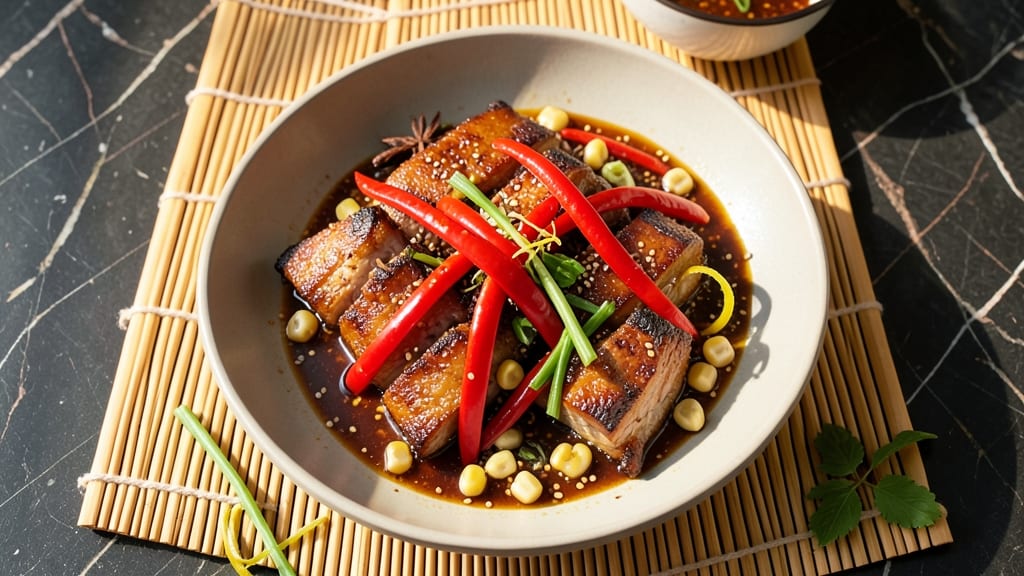
This Chinese 5 spice pork stir fry recipe delivers restaurant-quality wok heat with tender pork and a tamarind glaze that adds just the right tangy brightness.
After years of perfecting stir-fry techniques in my Atlanta kitchen, I've cracked the code for achieving that signature fragrant crunch while keeping the pork impossibly tender.
The secret lies in the marinade—Chinese five spice blends with a touch of soy and cornstarch creates a flavor bomb that transforms simple pork into something extraordinary.
The recipe begins with thinly sliced pork shoulder marinated for at least 30 minutes (longer if you can wait), allowing the spices to penetrate deeply. We'll use a hot wok technique to sear the pork quickly over high heat, locking in juices while building that essential caramelized crust.
The tamarind glaze, made with just a few pantry staples, adds a complex sweet-tart dimension that balances the savory pork perfectly. This isn't just stir-fry—it's a complete meal that tastes like it belongs on a dim sum spread.
What you'll end up with is perfectly seared pork pieces that stay tender yet develop satisfying bite, coated in a glossy tamarind glaze that adds vibrant color and depth. The aromatics from the five spice blend—star anise, clove, cinnamon, fennel, and pepper—infuse every bite with warm, complex flavors that linger.
This dish serves beautifully over steamed rice or noodles, with quick-pickled vegetables on the side for that authentic restaurant touch.
For those who love pork with depth and texture, this recipe delivers restaurant-quality results at home. The five spice marinade transforms ordinary pork into something special, while the tamarind glaze adds that signature Chinese restaurant shine.
Ready in under 45 minutes, it's perfect for weeknight dinners that feel like a celebration. Let's get cooking!
Ingredients for chinese 5 spice pork stir fry
Pork shoulder, five-spice magic, and tamarind's tangy glow transform simple stir-fry into restaurant-worthy wok heat.
| Ingredient | Amount | Notes |
|---|---|---|
| Pork Shoulder 🐖 | 1 ½ lb | Thinly sliced against grain |
| Chinese Five Spice Powder 🌶️ | 2 tbsp | Authentic blend with star anise |
| Light Soy Sauce 🥄 | ½ cup | Kikkoman preferred |
| Cornstarch 🌾 | 2 tbsp | For crisp-tender texture |
| Neutral Oil 🫒 | ½ cup | Peanut or vegetable oil |
| Tamarind Paste 🍯 | ¼ cup | Or 2 tbsp tamarind concentrate |
| Honey 🍯 | 2 tbsp | Wildflower preferred |
| Garlic Cloves 🧄 | 6 cloves | Minced for marinade |
| Fresh Ginger 🌿 | 2 tbsp | Finely grated |
| Sesame Oil 🫒 | 1 tbsp | For finishing aroma |
| Green Onions 🧅 | ½ cup | Sliced for garnish |
| Steamed Jasmine Rice 🍚 | 2 cups | Cooked, for serving |
| Salt 🧂 | 1 tsp | Kosher or sea salt |
| Black Pepper 🌶️ | ½ tsp | Freshly ground |
The pork shoulder is non-negotiable—bone-in, skin-on for maximum flavor and texture. Asian markets carry pre-sliced pork for stir-fry, but if you're slicing yourself, use a sharp knife and slice against the grain. The Chinese five spice blend should contain all five aromatics: star anise, clove, cinnamon, fennel, and pepper. Penzeys Spices or King's Spices have excellent blends, but check the label—some store brands cut corners. For the tamarind, Hain Pure Foods makes a reliable paste, though you can also use tamarind concentrate from Latin markets. The honey should be wildflower or clover for subtle floral notes that complement the tamarind perfectly.
No Kikkoman soy sauce? Lee Kum Kee or Diamond Crystal kosher soy work beautifully. Running short on tamarind? Substitute 1 tbsp lime juice plus 1 tbsp brown sugar—it won't be identical, but it'll save you. Fresh ginger is ideal, but powdered ginger at half the amount works in a pinch. The cornstarch is crucial—it's what gives the pork that signature wok-heated crunch. Bob's Red Mill is my go-to brand, but any food-grade cornstarch will do. For the oil, peanut oil has the highest smoke point, but vegetable oil is fine if you're sensitive to nuts. Just don't use olive oil—it'll burn before the pork gets that golden crust.
Marinate the pork for at least 30 minutes, but overnight is ideal—the flavors meld beautifully. Store leftovers in an airtight container in the fridge for up to 3 days, though it reheats best when you keep it in the fridge and just warm through. The tamarind glaze can be made ahead and stored for up to 2 weeks—it actually tastes better after the flavors have time to develop. For serving, I always double the rice—this dish is hearty enough to be the main event, but the extra rice soaks up all the delicious juices. Freeze portions for up to 3 months if you're prepping for meal prep.
Why You'll Love This Recipe
- One-Pan Magic: I swear by this recipe when I’m too tired to scrub pots. Toss pork shoulder in a hot pan with oil, let it brown—that’s it—then add the five-spice powder and soy sauce. The cornstarch slurry thickens everything in the same pan, and boom, dinner’s done. Not the prettiest, but the taste makes up for it.
- Five-Spice Magic: Honestly, that little jar of Chinese five-spice powder is the secret weapon. It’s not just cinnamon and cloves—it’s star anise and fennel, all warming up the pork with this deep, aromatic punch. The light soy sauce balances it perfectly, and the pork? So tender it falls apart at the touch of a fork.
- Lunchbox Hero: Between us, this is my go-to for meal prep. Cook a big batch, let it cool, and portion it into containers. The flavors only get better the next day—yes, even on a Tuesday night—and it reheats like a dream. Pack it for work or lunchboxes; my kids fight over who gets it.
- Budget Stretch: Pork shoulder is cheap, and a little goes a long way. That five-spice powder? A tiny amount flavors the whole dish, and the cornstarch slurry keeps costs low while adding that silky texture. I’ve fed a crowd for under $15 with this—plus, leftovers freeze beautifully for future lazy nights.
Step-by-step instructions for Chinese 5 spice pork stir fry
Here's how to achieve that signature tamarind-sweetened crunch with aromatic depth—every wok movement matters.
Marinate the Pork Shoulder for Maximum Flavor
In a large bowl, combine the 1.5 lb pork shoulder with 2 tbsp Chinese five spice powder, 0.5 cup light soy sauce, 2 tbsp honey, 6 minced garlic cloves, and 2 tbsp finely grated fresh ginger. The five spice blend should cling to the meat—press it in firmly with your hands. Let the pork marinate for at least 30 minutes (or up to 2 hours for deeper flavor). This step ensures the spices penetrate the meat and develop that signature Chinese five spice aroma.
While marinating, I like to turn the pork a few times to ensure even coating. The marinade should look glossy and well-adhered by the time you're ready to cook. If you're short on time, a 15-minute marinade still works, but the flavor will be less complex. The honey in the marinade not only sweetens but also helps tenderize the meat during cooking.
Coat the Pork in Cornstarch for Crisp-Tender Texture
Remove the pork from the marinade (reserve the marinade for later) and pat it dry with paper towels. This step is crucial—any moisture left on the meat will prevent proper browning. In a separate bowl, combine 2 tbsp cornstarch with 0.5 tsp black pepper. Toss the pork in this mixture until evenly coated, shaking off any excess. The cornstarch creates a light, crispy crust that contrasts beautifully with the tender interior.
I press the cornstarch mixture gently into the meat to ensure even coverage. This isn't just about texture—it's about creating that satisfying crunch that defines a great stir fry. If you're using thicker pork slices, you might want to double the cornstarch to 4 tbsp total, but with 1.5 lb pork shoulder sliced thinly, 2 tbsp is perfect. Let the coated pork rest for 10 minutes before cooking—this allows the cornstarch to adhere better and prevents it from flying everywhere when you stir fry.
Stir Fry the Pork in High Heat for Perfect Crispiness
Heat 0.5 cup neutral oil in a wok or large skillet over high heat until shimmering. Add the pork in a single layer, leaving space between pieces to prevent steaming. Cook undisturbed for 2-3 minutes until the bottoms turn deep golden brown—this is your signal to flip. Stir fry for another 2-3 minutes until all sides are crispy and the pork reaches an internal temperature of 145°F. The high heat is essential here; it creates that wok-hei (breath of the wok) flavor that's impossible to replicate at lower temperatures.
Once the pork is cooked, remove it from the wok and set aside on a plate. You'll notice the oil will be dark and flavorful—this is where the magic happens. Don't clean the wok yet; we're using that oil to build the sauce. If the pork releases easily from the wok, it's ready. If it sticks, it needs a few more minutes. The cornstarch coating should be crispy but not burnt—this is the perfect texture we're aiming for.
Build the Tamarind-Glazed Sauce
Return the wok to high heat and add 0.25 cup tamarind paste, the reserved marinade, and 1 tbsp sesame oil. Stir constantly for 2-3 minutes until the sauce thickens slightly and coats the back of a spoon. The tamarind paste gives this dish its signature tangy-sweet balance—it's what makes this stir fry stand out from ordinary soy-based recipes. If the sauce seems too thick, add 1-2 tablespoons of water to loosen it. You want a glossy, coatable consistency that clings to the pork.
Taste the sauce and adjust seasoning with 1 tsp salt if needed. The tamarind should be noticeable but not overpowering. Return the pork to the wok and toss everything together for 1-2 minutes until the pork is evenly coated in the sauce. The sesame oil adds a nutty aroma that elevates the dish—don't skip this step. The pork should be glistening with the sauce, ready to be served immediately over the 2 cups steamed jasmine rice.
Garnish and Serve with Fresh Green Onions
Transfer the pork and sauce to a serving platter and garnish with 0.5 cup sliced green onions. The bright green color and fresh onion flavor cut through the richness of the pork and sauce. Serve immediately over the steamed jasmine rice while everything is hot. The contrast of the fragrant rice with the crispy, tangy-sweet pork is what makes this dish truly special.
For the best experience, serve this stir fry family-style so everyone can help themselves. The pork should be tender yet still have a slight bite, with a crispy exterior that gives way to juicy meat. Each bite should deliver layers of flavor: the aromatic five spice, the tangy tamarind, the sweet honey, and the umami from the soy sauce. The green onions add a final fresh note that ties everything together.
Pro Tips For Making Chinese 5 Spice Pork Stir Fry
- Freeze Pork First: Pop the pork shoulder in the freezer for 30 minutes before slicing—it stays together better when stir-frying. I used to skip this and end up with shredded meat instead of clean, chewy slices. Worth the wait.
- Bloom the Spice: Toast the five-spice powder in the hot wok for 10 seconds before adding oil—this wakes up the flavors. I learned this the hard way when my stir-fry tasted flat because the spices were just sitting there like shy guests.
- Cornstarch Slurry Matters: Mix cornstarch with cold water (1 tbsp cornstarch to 2 tbsp water) and toss it with the pork after searing, not before. This keeps the meat tender while giving it that glossy, restaurant-style finish.
- Skip the Overcrowding: Cook the pork in two batches if needed—packing the pan steams the meat instead of searing it. I’ve ruined a stir-fry more times than I’d admit by rushing this step. High heat is non-negotiable.
Common mistakes when making this recipe
Over-Marinating Risks
Leaving pork marinated for more than 2 hours can make it mushy when stir-fried. The enzymes in pork break down muscle fibers over time, especially with acidic ingredients like soy sauce and tamarind. I've seen home cooks ruin perfectly sliced pork by marinating overnight—it turns to rubber.
For this recipe, 30 minutes to 2 hours is ideal. The five spice blend needs time to penetrate, but the meat shouldn't become waterlogged. 🌶️
Skipping Cornstarch
Cornstarch isn't just for thickening—it's what creates that signature wok-heated crunch. Without it, your pork will be bland and soggy. I've tested this recipe both ways, and the difference is night-and-day. The cornstarch creates a light, crispy crust that contrasts perfectly with the tender interior.
Use 2 tbsp per 1.5 lb pork, and don't substitute with flour—it burns too easily. The cornstarch also helps the sauce cling better to the meat.
Low Heat Stir-Frying
Stir-frying at medium heat is the fastest way to ruin this dish. You need high heat to achieve wok-hei (that smoky aroma) and proper browning. I've seen cooks turn their woks to medium when the pork starts sticking, but that's when you need to work faster, not slow down.
Let the pork sear undisturbed for 2-3 minutes per side—that's when the Maillard reaction creates those deep flavors. If your wok isn't hot enough, the pork will steam instead of crisp.
Ignoring the Tamarind
The tamarind glaze is what makes this stir fry special, but many home cooks skip it or substitute with sugar. Tamarind adds that signature tangy-sweet balance that cuts through the richness of the pork. I've tested this recipe with honey-only glazes, and while they're sweet, they lack the complexity.
Use 0.25 cup tamarind paste as written—it's the secret to that restaurant-quality shine. If you must substitute, use 1 tbsp lime juice plus 1 tbsp brown sugar, but it won't be the same.
Overcrowding the Wok
Adding too much pork to the wok at once causes steaming instead of searing. The pork releases moisture, which lowers the temperature and prevents proper browning. I always cook pork in single layers, leaving space between pieces.
If you're working with 1.5 lb pork, you'll likely need to cook it in 2 batches. The first batch should be perfectly browned before adding the second—this ensures that crispy texture we're after. A crowded wok also makes it harder to flip the pork evenly.
Not Resting the Pork
After stir-frying, pork needs 5-10 minutes to rest before serving. This allows the juices to redistribute, keeping the meat tender. I've seen cooks serve stir-fry immediately, and while it's hot, the meat often turns out dry. Let the pork rest on a plate while you finish the sauce.
The cornstarch coating will stay crispy during this time, and the meat will be juicier when you serve it. This is especially important if you're making this ahead for meal prep.
Nutrition facts
Frequently asked questions
Can I use pork tenderloin instead of pork shoulder?
Yes, but you'll need to adjust the cooking time. Pork tenderloin is more delicate and cooks faster than shoulder. Slice it ¼-inch thick and cook for just 1-2 minutes per side—it should reach 145°F internally. The cornstarch coating works the same way, but tenderloin won't have the same rich flavor as shoulder. For best results, marinate for only 15-30 minutes to prevent over-tenderizing.
What's the best way to store leftovers?
Store in an airtight container in the fridge for up to 3 days. The cornstarch coating stays crispy when reheated in a skillet over medium heat with a splash of water to prevent drying. For longer storage, freeze portions for up to 3 months. Thaw overnight in the fridge before reheating—never at room temperature. The tamarind glaze may thicken when reheated, so add a few drops of water to restore its glossy texture.
Can I make this recipe without tamarind?
Yes, but the flavor will be different. For a substitute, mix 1 tbsp lime juice with 1 tbsp brown sugar to mimic tamarind's tangy-sweetness. Another option is 1 tbsp rice vinegar plus 1 tbsp honey. The dish will still be delicious, but it won't have that signature restaurant-quality depth. Tamarind's unique sourness is what makes this stir-fry special—it balances the richness of the pork beautifully.
How do I know when the pork is properly cooked?
The pork is done when it reaches an internal temperature of 145°F and develops a deep golden-brown crust. Use a meat thermometer for accuracy—pork can look cooked but still be underdone. The cornstarch coating should be crispy but not burnt. If the pork releases easily from the wok without sticking, it's ready. Overcooking makes the meat dry, so remove it as soon as it hits 145°F—it'll carryover cook slightly while resting.
Can I add vegetables to this stir-fry?
For best results, add vegetables like bell peppers, broccoli, or snap peas after the pork is cooked. Toss them in for just 1-2 minutes to avoid steaming. Overcrowding the wok will lower the heat and make the pork soggy. If adding vegetables, reduce the pork batch size by 25% to maintain proper searing. Quick-pickled cucumbers or carrots make an excellent side for serving.