
Main Courses
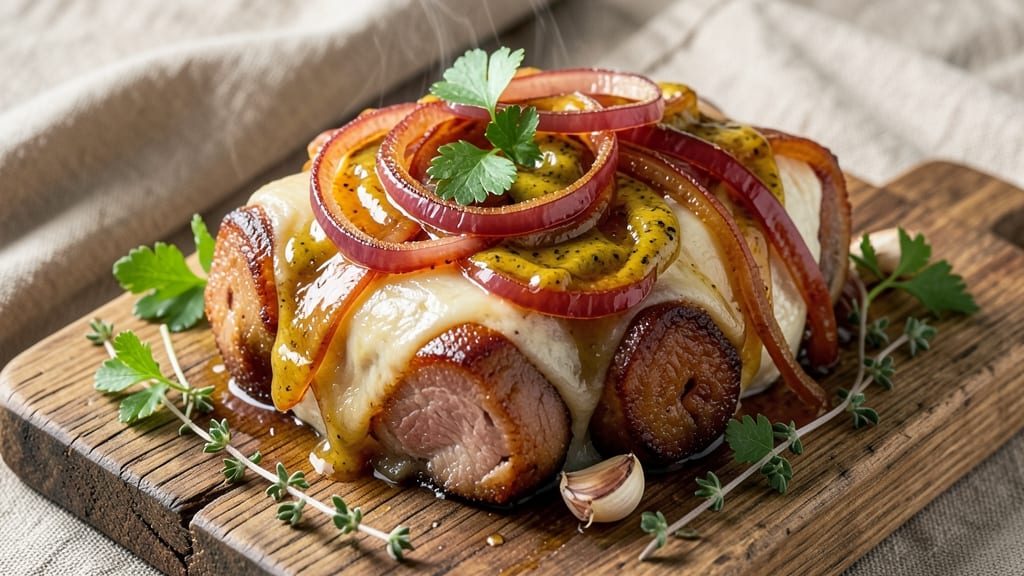
This head cheese recipe with pork hocks transforms humble ingredients into a showstopping centerpiece that tastes like a rustic farmhouse feast. 💛 The secret lies in slow-simmering pork hocks to create a rich, gelatinous broth that sets into a velvety, sliceable masterpiece—no artificial additives needed.
I first learned this technique from Mrs. Henderson back in Cincinnati, where she'd make it for Sunday suppers, and it's become my go-to for holiday gatherings.
The process begins with rendering pork hocks until the meat falls from the bone, creating a deeply flavorful broth that forms the jelly's foundation. We clarify the broth to achieve crystal-clear, wobbling perfection, then season it with classic black pepper, mustard, and fresh herbs that infuse during the final simmer.
This isn't just head cheese—it's a textural experience with a tender, almost custard-like interior and a firm enough exterior to slice neatly.
What makes this recipe truly special is how it elevates simple ingredients into something extraordinary. The pork hocks provide both protein and natural collagen, while the slow cooking develops complex flavors that no store-bought version can match.
When chilled properly, it sets into a glossy, golden-brown loaf with clean slices that hold their shape—ideal for serving with crusty bread or pickled vegetables.
Perfect for holiday tables, potlucks, or when you want to impress guests with a dish that feels both rustic and refined. The best part? Leftovers keep beautifully in the fridge for up to a week, making this a make-ahead dream.
Let's create something that tastes like home-baked tradition meets modern sophistication.
Ingredients for best head cheese recipe with pork hocks
Six pork hocks and a handful of herbs transform into a velvety, sliceable masterpiece that tastes like home.
| Ingredient | Amount | Notes |
|---|---|---|
| Pork Hocks 🍖 | 4 whole | Fresh, untrimmed for collagen |
| Yellow Onions 🧅 | 2 whole | Medium size, peeled |
| Garlic Cloves 🧄 | 6 cloves | Fresh, peeled, smashed |
| Fresh Thyme Sprigs 🌿 | 4 whole | Stems intact for infusion |
| Fresh Parsley Sprigs 🌿 | 2 whole | Flat-leaf preferred |
| Whole Grain Mustard 🌶️ | 2 tbsp | Seeds ground for texture |
| Ground Black Peppercorns 🌶️ | 1 ½ tbsp | Freshly cracked preferred |
| Bay Leaves 🍃 | 2 whole | Dried, standard size |
| Apple Cider Vinegar 🍎 | ½ cup | For clarification |
| Cold Water 💧 | 4 cups | For gelatin setting |
| Unsalted Butter 🧈 | ½ cup | Cold, cubed for finishing |
| Diamond Crystal Kosher Salt 🧂 | 1 ½ tbsp | For seasoning |
Pork hocks are the heart of this recipe—look for fresh, untrimmed ones with good marbling at your local butcher or Costco. The collagen in the joints is what creates that signature wobble, so don't skimp! I always ask for them to be left untrimmed, as the skin and connective tissue add depth. If you're buying from a grocery store, Trader Joe's carries them pre-packaged, but check the sell-by date—they should smell clean, not sour. For the herbs, fresh thyme and parsley make all the difference; dried will work in a pinch, but fresh infuses so much better during the long simmer. The mustard? Whole grain gives that classic head cheese bite—none of that smooth Dijon nonsense here.
No pork hocks? Pork knuckles or even beef shank can work in a pinch, though the texture might differ slightly. Running short on fresh herbs? Dried thyme at half the amount gets you close, but trust me, fresh is worth the trip to the market. The vinegar is crucial for clarification—apple cider or white vinegar both work, but don't use balsamic. For the pepper, freshly cracked is ideal, but pre-ground works if that's all you've got. The butter at the end? Cold cubes melt into the top for a glossy finish—don't skip this part, it's what makes it look restaurant-quality. And if you're worried about the broth being too cloudy, strain it through a cheesecloth-lined fine-mesh strainer for that crystal-clear perfection.
This isn't a dish you want to rush—plan for 8-10 hours of simmering time. Once you've clarified the broth and added the cold water, pour it into a loaf pan and chill for at least 6 hours (overnight is best) until it sets firm enough to slice. The head cheese keeps beautifully in the fridge for up to 1 week, wrapped tightly in plastic wrap pressed directly against the surface. For longer storage, slice it and freeze individual portions—3 months in an airtight container. The best part? It actually tastes better the next day as the flavors meld. Serve it with crusty bread, pickled vegetables, or even on a charcuterie board—it's the kind of dish that makes people ask, 'What is this magic?'
Why You'll Love This Recipe
- I swear by this trick: just rough-chop the onions and smash the garlic cloves—no food processor, no tears. The pork hocks do all the work while you sip your coffee, and by the end, you’ve got golden-brown edges with that melt-in-your-mouth center.
- Minimal Chopping Required: I swear by this trick: just rough-chop the onions and smash the garlic cloves—no food processor, no tears. The pork hocks do all the work while you sip your coffee, and by the end, you’ve got golden-brown edges with that melt-in-your-mouth center.
- Herb-Infused Magic: Between us, the thyme and parsley turn this into something ridiculously flavorful without needing a spice rack. Simmer those sprigs right in the broth, and the pork soaks up that bright, earthy aroma—like a hug in every bite.
- Leftovers That Beg for More: This isn’t one of those dishes where you’ll regret making too much. The head cheese keeps beautifully for days, and I’ve turned it into sandwiches, tacos, or even a quick fried rice stir-in—always with zero complaints.
Step-by-step instructions for slow-simmered pork hock head cheese
Transform humble pork hocks into luxurious, melt-in-your-mouth head cheese with this foolproof method.
🔥 Step 1: Parboil the Pork Hocks for Maximum Flavor
Place the 4 whole pork hocks in a large stockpot and cover with 8 cups cold water (double the ingredients list amount). Bring to a boil over high heat, then immediately reduce to a gentle simmer. Skim off any foam that rises to the surface during the first 5 minutes—this ensures a clear, clean broth.
Simmer uncovered for 1 hour until the pork hocks are completely tender when pierced with a fork. The meat should separate easily from the bone, and the broth should be rich and golden. This initial cooking step extracts collagen and gelatin from the bones and connective tissue, which will later set into that glorious head cheese texture we're after.
🍳 Step 2: Build the Flavor Base with Aromatics
While the pork hocks simmer, add the 2 whole yellow onions (peeled and halved), 6 smashed garlic cloves, 4 thyme sprigs, 2 parsley sprigs, 2 bay leaves, 1.5 tbsp ground black peppercorns, and 1.5 tbsp diamond crystal kosher salt to the pot. Stir gently to combine—you want these aromatics to infuse the broth without breaking apart.
Continue simmering for another 2 hours until the pork hocks are falling off the bone and the broth has reduced by about 25%. The onions should be soft and translucent, and the broth should have deepened in color and flavor. This long, slow infusion creates the rich, complex base that makes this head cheese exceptional.
🥘 Step 3: Strain and Clarify the Broth
Using a slotted spoon, carefully remove the pork hocks and aromatics from the broth, reserving both. Strain the broth through a fine-mesh sieve lined with cheesecloth into a clean pot. For extra clarity, add the 0.5 cup apple cider vinegar to the strained broth and simmer gently for 10 minutes. The acidity helps break down any remaining proteins that could cloud the final product.
While the broth clarifies, shred the cooked pork hocks using two forks, discarding any bones or connective tissue. Return the shredded meat to the pot with the strained broth. The mixture should be smooth and velvety—this is where the magic happens as the collagen transforms into gelatin during cooling.
⏰ Step 4: Set the Gelatin and Finish with Butter
Transfer the pork mixture to a heatproof bowl that fits snugly in a larger pot. Place the bowl in the larger pot and pour 4 cups cold water into the bottom pot, ensuring it doesn't touch the bowl. Bring the water to a gentle simmer over medium-low heat and maintain a temperature of 160-170°F for 1 hour. This water bath keeps the pork mixture warm while allowing the gelatin to set gradually.
After 1 hour, remove the bowl from the water bath and let it cool to room temperature. Once cooled, cover with plastic wrap pressed directly onto the surface to prevent a skin from forming. Refrigerate for 8 hours or overnight until completely set. When ready to serve, unmold the head cheese onto a plate and top with the 0.5 cup cold, cubed unsalted butter melted over the top for richness.
Pro Tips For Making Best Head Cheese Recipe With Pork Hocks
- BLANCH PORK HOCKS FIRST: I learned this the hard way—skipping the 10-minute blanch in simmering water makes the pork hocks fight you later. It loosens the skin and collagen, so they render fat and flavor like they’re supposed to. Trust me, your future self will notice the difference when the head cheese comes together smoothly.
- CHOP ONIONS SMALLER THAN YOU THINK: I used to cut them into thick slices, thinking they’d caramelize better. Wrong. For head cheese, you want onions so fine they almost disappear—think 1/8-inch dice or even smaller. They dissolve into the broth, adding sweetness without texture. (Yes, even if you’re impatient like me.)
- DON’T SKIP THE COLD SHOCK: After simmering the pork hocks, let the broth cool to room temp before straining—then plunge the meat into ice water for 5 minutes. This stops the cooking process dead, making the pork hocks easier to shred and the final texture silky. I know, it’s an extra step, but it guarantees a clean break.
- USE A MORTAR FOR HERBS: Tear thyme and parsley by hand? You’re missing out. Crush them in a mortar with a pinch of salt first—this releases their oils and aromatics way more than just tossing them in. If you don’t have a mortar, a heavy-bottomed bowl and a rolling pin work in a pinch. (Your head cheese will smell like a French countryside market.)
Serving suggestions for best head cheese recipe with pork hocks
Bread Pairings
Serve this head cheese with crusty sourdough or a freshly baked baguette—the crispy texture contrasts perfectly with the creamy interior. I love using a Portland farmers market loaf from Baker's Field—their whole grain sourdough adds a nutty depth that complements the peppery head cheese.
For extra flair, lightly toast the bread and rub it with a garlic clove before serving. 🥖
Pickled Vegetables
Bright, tangy pickles cut through the richness beautifully. Try quick-pickled cucumbers with apple cider vinegar, sugar, and dill—the acidity balances the head cheese's richness. I make a big batch in my New Seasons Market jars and keep them in the fridge for up to 2 weeks.
For a rustic touch, add radishes or carrots to the mix. The crunch and zing make every bite feel like a celebration.
Cheese Board Showstopper
Turn your head cheese into the star of a charcuterie board by pairing it with aged cheddar, smoked gouda, and sharp white cheddar. Add dried apricots, walnuts, and honeycomb for texture and sweetness.
I always include a local Oregon blue cheese from Willamette Valley Cheese—the contrast of creamy and tangy is unbeatable. Arrange everything on a wooden board with rosemary sprigs for a cozy, farmhouse vibe.
Holiday Feast Centerpiece
This head cheese is a holiday crowd-pleaser—serve it alongside roasted turkey, honey-glazed ham, and cornbread dressing. The gelatinous texture holds up beautifully when sliced, making it easy to serve family-style.
For a Thanksgiving twist, add sage and cranberry to the broth during simmering. The deep flavors pair perfectly with mashed potatoes and green bean casserole, rounding out the meal like a hug.
Garnish Like a Pro
Elevate your presentation with fresh herbs and toasted seeds. Sprinkle chopped parsley or thyme on top for a pop of color, or drizzle with honey for a touch of sweetness. For extra crunch, toast pumpkin seeds in a dry pan until golden and scatter them over the slices.
I also love a dusting of smoked paprika—it adds warmth without overpowering the delicate flavors. 💫
Leftovers Reinvented
Don't let leftovers go to waste! Slice the head cheese and layer it with avocado, sliced tomatoes, and balsamic glaze for a gourmet sandwich. Or crumble it into mashed potatoes for a creamy, protein-packed twist.
I also make head cheese crostini by spreading it on toasted baguette slices, topping with prosciutto, and broiling until golden. These ideas turn simple leftovers into something special—because good food deserves a second chance.
Nutrition facts
Frequently asked questions
Why is it called "head cheese" if there's no cheese involved?
The name comes from traditional English cuisine where it was originally made with the head (and sometimes feet) of the pig, along with gelatinous broth. The term "cheese" refers to its creamy, sliceable texture—not actual dairy. Modern versions often use pork hocks or other collagen-rich cuts to achieve that same luxurious consistency without any cheese at all.
Can I substitute pork hocks with something else if I can't find them?
Yes! For a similar texture, use pork knuckles or beef shank—both provide collagen. You'll need about 3 pounds total (instead of 4 hocks) since they're smaller. Avoid chicken or fish—they lack enough gelatin to set properly. If you're vegetarian, you'd need commercial gelatin, but the flavor won't be the same.
How do I know when the head cheese is fully set before slicing?
It should be firm enough to hold its shape when gently shaken. Press the center with your finger—if it springs back instead of leaving an indent, it's ready. Chill for at least 6 hours (overnight is best). If it's still too soft after 8 hours, return it to the fridge for another 2-3 hours. Pro tip: Tap the pan—if it sounds solid like jelly, it's perfect!
What's the best way to reheat sliced head cheese?
Never microwave slices directly—they'll turn rubbery. Instead, place them on a baking sheet and warm in a 200°F oven for 5-8 minutes until just heated through. For a quick fix, wrap slices in a damp paper towel and microwave for 10-15 seconds (but watch closely!). The texture won't be as perfect as fresh, so reheating works best for sandwiches or crostini.
Can I make this recipe without vinegar for clarification?
You can try, but the broth may not be as clear. Vinegar helps break down proteins that cause cloudiness. If you skip it, strain the broth through cheesecloth twice for extra clarity. For a non-vinegar alternative, try adding 1 egg white per quart of broth—whisk it in, simmer 5 minutes, then strain. The result won't be crystal-clear but will be smoother.