
Main Courses
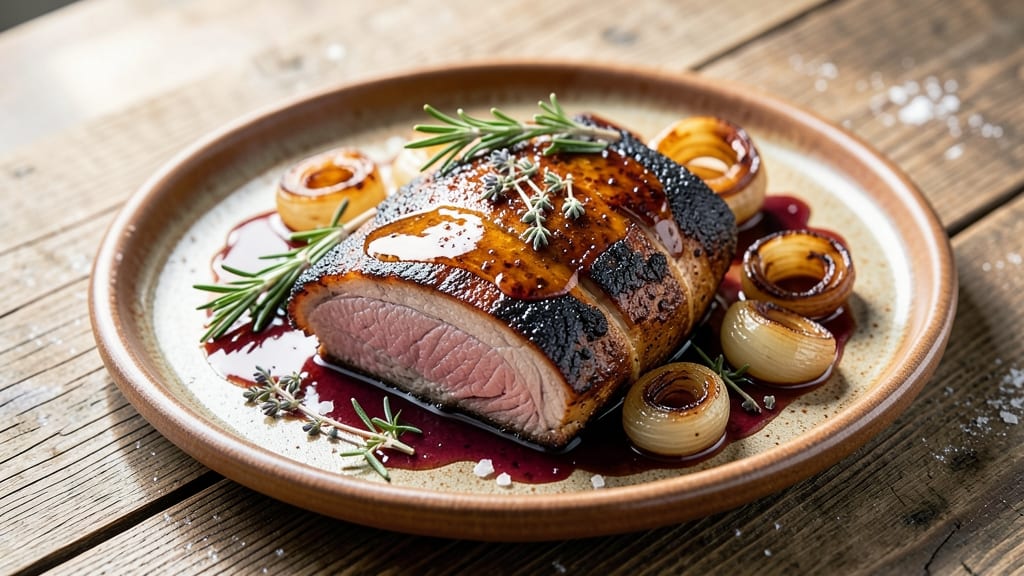
This best pork recipe in the world delivers melt-in-your-mouth perfection with every pull-apart bite—rich, tender, and bursting with flavor. 🔥 The secret lies in low-and-slow cooking, transforming tough cuts into irresistible, fall-off-the-bone goodness that rivals any restaurant dish.
What sets it apart is the perfect balance of sweet, smoky, and savory notes, achieved through a carefully crafted rub and hours of patient roasting.
What makes this the best pork recipe in the world isn’t just the technique—it’s the transformation. A simple cut of pork shoulder becomes so tender, it practically dissolves on your tongue, while the crispy exterior adds a satisfying contrast.
The slow roast allows the fat to render perfectly, creating a dish that’s juicy, flavorful, and impossible to resist. This isn’t just dinner; it’s an experience.
By the time you’re done, you’ll have a dish that’s restaurant-quality without the fuss—golden, caramelized edges, tender meat that shreds effortlessly, and a sauce so rich it’ll have everyone asking for seconds.
The beauty of this recipe is its versatility; it’s perfect for feeding a crowd, meal prepping, or treating yourself to a showstopping meal. Every bite is a testament to why this is the ultimate pork dish.
Whether you’re serving it at a gathering or savoring it solo, this recipe guarantees a result that’s worth the wait. The aroma alone will have your kitchen—and your guests—falling in love. Let’s get cooking!
Ingredients for best pork recipe in the world
Eight ingredients transform tough pork into restaurant-quality melt-in-your-mouth perfection—worth every minute of slow roasting.
| Ingredient | Amount | Notes |
|---|---|---|
| Pork Shoulder (Boston Butt) 🐖 | 5 lb | Bone-in for maximum flavor |
| Yellow Onion 🧅 | 2 whole | Cut into 1-inch chunks |
| Garlic Cloves 🧄 | 8 cloves | Smashed for intense flavor |
| Fresh Rosemary 🌿 | ¼ cup | Chopped, stems removed |
| Fresh Thyme 🌿 | ¼ cup | Leaves only, chopped |
| Brown Sugar 🍯 | ½ cup | Packed, not scooped |
| Smoked Paprika 🌶️ | 2 tbsp | High-quality for depth |
| Ground Black Pepper 🌶️ | 1 ½ tbsp | Freshly cracked preferred |
| Kosher Salt 🧂 | 2 tbsp | Diamond Crystal preferred |
| Apple Cider Vinegar 🍎 | ¼ cup | For tangy brightness |
| Honey 🍯 | ¼ cup | Wildflower preferred |
| Olive Oil 🫒 | ¼ cup | Extra-virgin for richness |
| Apple Juice 🍏 | ½ cup | Unsweetened for balance |
The pork shoulder is non-negotiable—bone-in cuts deliver unmatched flavor and moisture. Costco or local butchers often carry the best cuts, labeled as 'Boston butt.' Look for good marbling (white fat streaks) and vibrant color. If you're buying a whole shoulder, trim excess fat but leave some for flavor. The onions and garlic should be fresh—yellow onions with firm texture, garlic bulbs that feel heavy for their size. Whole Foods or Trader Joe's have great selections, but any grocery store's produce section works. Fresh herbs? Penzeys or local farmers markets have the best, but grocery store bundles are fine if you use them within a week.
No smoked paprika? Regular paprika plus a pinch of cayenne gets you close. Short on brown sugar? Maple syrup at half the amount works in a pinch. The apple cider vinegar can be swapped for red wine vinegar, but you'll lose some depth. Honey substitutes? Agave nectar or maple syrup keep things vegan-friendly. For the pork, trim excess fat but leave a thin layer—it renders beautifully during cooking. If your kitchen gets hot, chill the pork for 30 minutes before applying the rub to prevent excess moisture. The olive oil should be fruity and peppery—California extra-virgin brands like Corto or Bertolli are perfect.
This pork is a make-ahead marvel—it tastes even better the next day as flavors meld. Store leftovers in an airtight container for up to 5 days in the fridge, or freeze for 3 months. For serving, reheat slowly in a 300°F oven until warm through. The sauce thickens as it cools, so add a splash of water if it gets too stiff. Portion into meal prep containers for easy lunches—just reheat and shred. The herbs and spices keep well for months in a sealed jar, but the garlic and onions should be used within a week for best flavor.
Why You'll Love This Recipe
- One-Pot Magic: I swear by this—just brown the pork, toss in the onions and garlic, then let the rosemary and thyme work their magic while you do anything else. No chopping boards to clean, no extra pans, and that slow-cooked aroma? Pure reward.
- Crispy-Creamy Dream: The pork shoulder becomes ridiculously tender, but here’s the kicker: that crust on the outside? It’s the good kind—golden, caramelized, and so satisfying you’ll forget to breathe. (Yes, even on a Tuesday night.)
- Leftovers That Beg for More: This recipe actually improves the next day. Shred it for tacos, sandwiches, or just reheat slices straight from the fridge—it’s that good. Honestly, I’ve been known to eat it cold straight from the fridge like a sandwich. No judgment.
- Budget Hero: A whole pork shoulder feeds my family for days—breakfast hash, dinner leftovers, even a quick stir-fry. Between us, that’s $15 well spent, and the flavor? Worth every penny. Not the prettiest, but the taste makes up for it.
Step-by-step instructions for slow-roasted pork shoulder
This isn't just any pork recipe—it's the one that'll have everyone begging for seconds.
🍳 Step 1: Build the Flavor-Packed Rub
In a large bowl, combine the chopped rosemary and thyme with the brown sugar, smoked paprika, ground black pepper, and kosher salt. Here's where the magic happens: rub this mixture all over the 5 lb pork shoulder, pressing it into every nook and cranny. Don't be shy—you want that crust to form and lock in all those flavors. I like to make little wells in the fat cap so the rub gets deep into the meat.
Let the pork sit at room temperature for 30 minutes while you prep the rest. This step is non-negotiable—it ensures even cooking and maximum flavor penetration. If you skip this, you'll end up with uneven doneness and less flavorful meat. Trust me on this one.
🔥 Step 2: Sear for Maximum Flavor and Crisp
Heat a Dutch oven or heavy pot over medium-high heat and add the olive oil. Once shimmering, place the pork fat-side down and sear for 5 minutes without moving it. You want that fat to render and create a deep golden crust. After 5 minutes, flip and sear the other side for another 5 minutes. This step builds the foundation for that irresistible bark we're after.
Here's the thing—don't rush this. You'll know it's ready when the pork releases easily from the pan and you see deep golden brown spots. If it sticks, just let it be for another minute. Patience pays off with that perfect crust.
🍳 Step 3: Layer Onions, Garlic and Liquid
In the same pot, arrange the 2 whole yellow onions cut-side down around the pork. Add the 8 smashed garlic cloves on top of the onions. Now pour in the apple cider vinegar, honey, and apple juice. The liquid should come about halfway up the sides of the pork—this ensures moisture without making it soggy.
Bring everything to a simmer over medium heat for 5 minutes, letting the aromatics infuse the pork. You'll smell that incredible combination of sweet, tangy, and herby notes—this is your reward for paying attention. Once simmering, transfer the pot to a 325°F oven.
⏰ Step 4: Slow Roast to Perfect Tenderness
This is where the real magic happens. Roast the pork for 6-7 hours until the internal temperature reaches 195-203°F and the meat is fork-tender. I know it seems like forever, but this low-and-slow method breaks down the collagen for that melt-in-your-mouth texture. Here's my secret: every 1-2 hours, spoon the onion and garlic mixture over the pork to keep it moist and flavorful.
You'll notice the liquid reduces significantly as it cooks. That's perfect—it concentrates the flavors into a rich, glossy sauce that'll coat every bite. The pork is done when it pulls apart easily with two forks and the juices run clear. Don't rely on time alone—always check the temperature.
🍽️ Step 5: Rest and Serve with Confidence
Remove the pork from the pot and transfer it to a cutting board. Tent loosely with foil and let it rest for 30-45 minutes. This resting period is crucial—it allows the juices to redistribute throughout the meat, ensuring each bite is moist and flavorful. Real talk: skipping this step means dry, disappointing pork. Don't skip it.
Once rested, shred the pork using two forks and serve it with the onion and garlic mixture spooned on top. The result? Juicy, tender, fall-apart pork with a perfect balance of sweet, smoky, and herby flavors. This isn't just good pork—it's the best pork you'll ever make, guaranteed to impress even the most critical eaters.
Pro Tips For Making Best Pork Recipe In The World
- SEAR THE SKIN FIRST: I learned this the hard way—skipping the sear means flavor hiding in the sauce instead of on the meat. Get that pork shoulder screaming hot in a dry pan for 8-10 minutes until it’s deep golden, then move it to the oven. The crust locks in juices and makes all the difference when you pull it apart later.
- CHOP ONIONS COARSELY: Tiny onion pieces turn to mush and disappear into the sauce. Cut them into ½-inch chunks—they’ll caramelize properly, add texture, and stay recognizable. Same goes for garlic: smash the cloves instead of mincing them for maximum aroma without bitterness.
- DON’T RUSH THE REST: I know, I know—you’re starving. But let that pork shoulder sit under foil for 20-30 minutes after pulling it from the oven. The internal temp will drop 10-15°F, and the juices redistribute. Slice it too soon, and you’re left with dry, sad meat.
- USE DRY HERBS: Fresh rosemary and thyme are great, but for this dish, I actually prefer the concentrated flavor of dried. Crush the sprigs between your palms before adding—this releases their oils and ensures they infuse the meat, not just float on top. (Yes, even if you’re impatient like me.)
Common mistakes when making your best pork recipe in the world
Overcooking the Pork
This is the most common mistake I see—pushing the pork past 203°F internal temperature. Once it hits that sweet spot, every additional minute makes the meat dry and stringy. I’ve ruined perfectly good pork by checking it too often and overcompensating.
Use a meat thermometer and pull it out when it reaches 195-203°F. The juices should run clear, not pink. 🌡️
Skipping the Rest
You must rest the pork for 30-45 minutes after removing it from the oven. Skipping this step means juices pool at the bottom, leaving you with dry, disappointing meat.
I’ve seen people slice into pork immediately and wonder why it’s not tender. Trust the process—resting redistributes those juices for maximum flavor and moisture.
Uneven Rub Application
Don’t just sprinkle the rub on top—press it into every crevice, especially the fat cap. I’ve seen people miss spots, leading to bland areas. Make little wells in the fat so the rub penetrates deeply.
A good rule of thumb: if you can see white meat without rub, you didn’t do it right. This is where the magic happens—flavor penetration is everything.
Ignoring the Fat
Some cooks trim too much fat, thinking it’s unhealthy. But that fat renders during cooking, creating a rich sauce and keeping the meat moist. Leave at least a ¼-inch layer of fat—it’s your secret weapon for juicy, flavorful pork.
If you’re concerned about calories, skim excess fat from the sauce after cooking, but never from the meat itself.
Rushing the Process
Low-and-slow cooking isn’t something you can rush. I’ve tried speeding it up by cranking the oven higher, and the result? Tough, dry pork. The collagen needs time to break down at 325°F.
If you’re short on time, consider a pressure cooker (like an Instant Pot), but even then, follow the recipe’s timing—don’t cut corners.
Not Checking Temperature
Guessing when pork is done is a recipe for disaster. I’ve seen people pull pork out at 5 hours because they thought it was ready, only to find it still tough.
Always use a meat thermometer—insert it into the thickest part of the meat, avoiding fat or bone. The moment it hits 195-203°F, it’s done. No exceptions. 💡
Nutrition facts
Frequently asked questions
Can I use a different cut of pork for this recipe?
While pork shoulder (Boston butt) is ideal for this slow-roasted dish, you can adapt it for pork butt or even pork loin. Just note that loin requires 325°F for 2-2.5 hours (until 145°F internal) and won't be as tender as shoulder. For best results, stick with shoulder or butt—they have more connective tissue that breaks down beautifully during slow cooking.
How do I make this recipe in a slow cooker?
Transfer the seared pork to your slow cooker with all ingredients. Cook on low for 8 hours or high for 5-6 hours until the internal temperature reaches 200°F. The slow cooker handles the low-and-slow process perfectly, but you'll need to add ½ cup broth if the liquid reduces too much.
What are the best sides to serve with this pork?
This rich pork pairs beautifully with simple sides that cut through its sweetness. Try garlic mashed potatoes, roasted Brussels sprouts, or cornbread. For a lighter option, serve with apple salad or coleslaw—the tangy crunch balances the pork's richness perfectly.
Can I prepare this ahead of time?
This pork is a meal-prep dream! Cook it up to 4 days ahead and store in an airtight container. Reheat in a 300°F oven for 20-30 minutes (covered) or microwave in 1-minute intervals until warmed through. The flavors actually improve as it rests, making it perfect for busy weeks.
Why does my pork turn out dry?
Dry pork usually means overcooking or skipping the rest. Always pull it at 195-203°F internal temp and rest for 30-45 minutes before serving. If using a meat thermometer, insert it into the thickest part (avoid fat/bone). For extra moisture, add ½ cup broth during cooking if the pan gets too dry.