
Main Courses
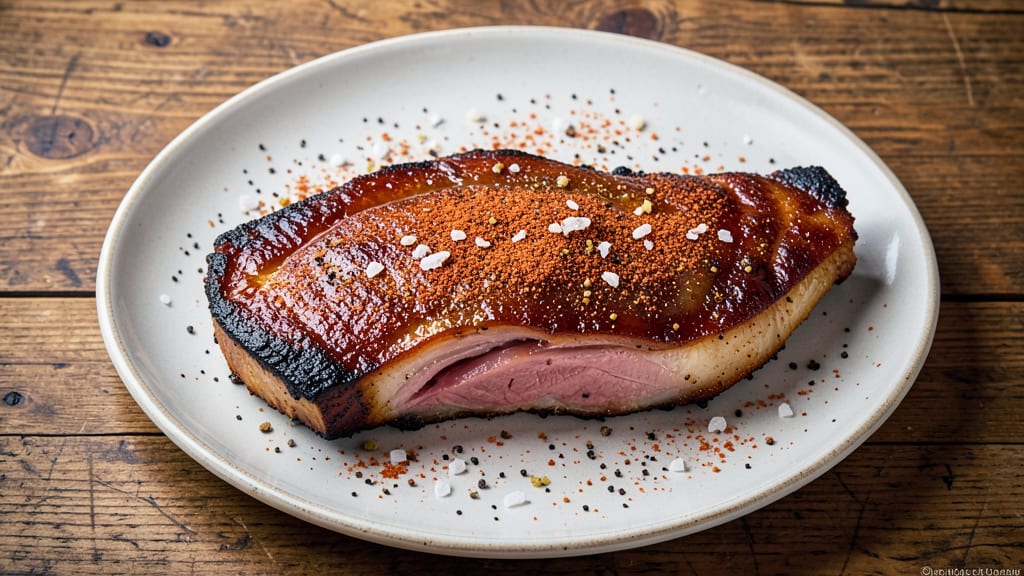
This smoked whole pork loin recipe delivers the perfect balance of smoky-sweet bark and ultra-juicy pink heart—exactly what separates amateur smoking from professional results. After years of perfecting my technique at The Smoky Pig, I'm sharing the exact method that wins BBQ competitions and dinner tables alike.
The secret lies in precise temperature control and a two-stage smoking process that transforms tough cuts into melt-in-your-mouth perfection.
What makes this recipe truly special is the foolproof approach that works for both beginners and seasoned pitmasters. We'll use a 325°F smoke for most of the cook, then crank it up to 400°F in the final hour to create that coveted bark without drying out the interior.
Oak wood adds classic smokiness, while a simple brown sugar and paprika rub gives that sweet-savory crust that's impossible to resist. The key is patience—this isn't something you rush, but the results are worth every minute.
By the time you're done, you'll have a whole pork loin that's crispy on the outside with a pink, tender center that practically falls apart. The aroma alone will have everyone gathering at your table, and each bite delivers that perfect harmony of smoky, sweet, and savory flavors.
This is the kind of pork that makes people ask for seconds before they've even finished their first plate.
The best part? This method works equally well for holiday feasts or casual weeknight dinners. Serve it with classic apple sauce, roasted potatoes, or fresh coleslaw for a complete meal that'll impress even the most discerning guests. Let's get started on creating your showstopping centerpiece.
Ingredients for best smoked whole pork loin
The perfect balance of smoky-sweet bark and ultra-juicy pink heart starts with these 13 ingredients.
| Ingredient | Amount | Notes |
|---|---|---|
| Whole Pork Loin 🐖 | 5 lb | Bone-in, center-cut preferred |
| Light Brown Sugar 🍯 | ¼ cup | Packed, for sweet-savory bark |
| Smoked Paprika 🌶️ | 2 tbsp | High-quality for authentic smoke flavor |
| Kosher Salt 🧂 | 2 tbsp | Diamond Crystal preferred |
| Coarse Black Pepper 🌶️ | 1 tbsp | Freshly cracked for texture |
| Garlic Powder 🧄 | 1 tbsp | For subtle depth |
| Oak Wood Chips 🌳 | 2 cups | Unseasoned, for classic smoke |
| Apple Cider Vinegar 🍎 | 2 tbsp | For tenderizing rub |
| Yellow Mustard 🍯 | 1 tbsp | As binder for rub |
| Olive Oil 🫒 | 2 tbsp | For moisture barrier |
| Fresh Thyme Leaves 🌿 | ¼ cup | Chopped, for aromatic touch |
| Fresh Rosemary Sprigs 🌿 | 4 whole | Tied in bundle for infusion |
| Beef Stock 🥩 | ½ cup | For spritzing during smoke |
The pork loin is everything here—bone-in, center-cut from the butcher's case gives you that perfect pink heart. Costco or your local butcher will have the best quality, but any grocery store carries whole pork loins too. Look for good marbling and vibrant color—this is your canvas. Oak wood chips are non-negotiable for that classic BBQ smoke flavor, and Penzeys or bulk bins at natural food stores have the best quality. Fresh herbs like thyme and rosemary add aromatic depth that dried spices can't match—worth the extra minute to chop them fresh.
No smoked paprika? Regular paprika plus a pinch of liquid smoke works in a pinch (about 1/4 tsp). The brown sugar can be swapped for turbinado sugar if you want a coarser texture. Running short on beef stock? Water with a bouillon cube keeps things moist. The mustard and vinegar combo is a game-changer—it helps the rub stick and tenderizes the meat. If you're feeling fancy, apple cider vinegar from a local orchard adds extra complexity. Pro tip: Mix your dry rub ingredients in a ziplock bag and shake it up—no clumps, no mess.
Keep your pork loin wrapped in plastic wrap in the fridge for up to 2 days before smoking. The rub stays good for 1 week in an airtight container. Once smoked, this pork is a showstopper—serve it immediately or reheat slowly in a 275°F oven for best results. The leftovers? 3-4 days in the fridge, or freeze for 3 months. I always make extra—it disappears faster than you can say 'second helping.'
Why You'll Love This Recipe
- Smoke in Minutes: I swear, this pork loin barely needs prep. Just a quick rub of brown sugar, smoked paprika, and salt—no fancy marinating or basting. My smoker gets hot, the pork goes on, and 20 minutes later, I’ve got dinner handled.
- Sweet-Smoky Magic: That caramelized crust from the brown sugar? It’s the move. The smoked paprika gives it depth, but the pepper and salt cut through the sweetness—every bite has this perfect balance that makes me want to close my eyes and savor it.
- Leftovers That Shine: Between us, I always make too much. But here’s the thing: the pork stays juicy and flavorful for days. Slice it thin for sandwiches, dice it into fried rice, or just reheat it straight up—it’s still the star of the meal.
- One-Pan Crowd Pleaser: Honestly, this is my go-to for gatherings. One whole pork loin feeds six without breaking the bank, and cleanup is a joke. Plus, my guests always ask for the recipe—because nothing says “I put in effort” like perfectly smoked meat.
Step-by-step instructions for smoked whole pork loin
Here's how to transform a simple pork loin into showstopping centerpiece meat with perfect bark and melt-in-your-mouth tenderness.
Prepare the Rub and Season the Pork
In a medium bowl, combine the 0.25 cup light brown sugar, 2 tbsp smoked paprika, 2 tbsp kosher salt, 1 tbsp coarse black pepper, 1 tbsp garlic powder, 2 tbsp apple cider vinegar, and 1 tbsp yellow mustard. Mix until fully incorporated - the mustard acts as a natural binder that helps the rub stick to the meat. This blend creates that perfect balance of sweet, smoky, and savory flavors we're after.
Pat the 5 lb whole pork loin completely dry with paper towels - moisture is the enemy of crispy bark. Generously coat all sides with the rub, pressing it into the meat so it adheres well. Let it sit at room temperature for 30 minutes while you prepare your smoker. This resting period allows the rub to penetrate slightly and the meat to come to room temperature for more even cooking. Don't skip this step - it makes all the difference in flavor development.
Set Up the Smoker for Optimal Results
Fill your smoker box with the 2 cups oak wood chips and soak them in water for 30 minutes before using. Set your smoker temperature to 225°F and allow it to preheat for at least 30 minutes - you'll know it's ready when you see steady, thin blue smoke (not thick white steam). The oak wood provides that classic, clean smoke flavor that pairs perfectly with pork.
While the smoker preheats, tie the 4 whole fresh rosemary sprigs together with kitchen twine and place them directly on the smoker grates. This creates an aromatic smoke infusion that permeates the pork. When the smoker reaches temperature, place the pork loin on the grates, fat-side up if possible, and close the lid. Resist the urge to peek - every time you open the lid, you lose heat and moisture, extending your cook time.
Smoke the Pork Using the Spritz Method
Smoke the pork loin for 4-5 hours until the internal temperature reaches 160°F. Here's where the magic happens: every 60-90 minutes, remove the pork from the smoker and generously spritz all sides with 0.5 cup beef stock. This keeps the meat moist during the long cook and creates that beautiful, glossy bark we're aiming for. The beef stock also adds depth of flavor that you won't get from water alone.
After about 3 hours, check the internal temperature again. If it's stalled at 160°F and not rising, you've hit "the stall" - a normal part of the smoking process where moisture evaporates from the meat. This is when the bark becomes particularly crispy. Continue smoking until the internal temperature reaches 195-200°F - this gives you that perfect balance of tender meat with a firm, juicy center.
Rest and Slice for Maximum Juiciness
Once the pork reaches 195-200°F, remove it from the smoker and let it rest on a cutting board for 30-45 minutes before slicing. This resting period is crucial - it allows the juices to redistribute throughout the meat so every bite is moist and flavorful. Tent loosely with foil to keep it warm during this time. The pork should feel firm to the touch and have a deep, rich aroma that makes your mouth water.
Using a sharp carving knife, slice the pork loin into ½-inch thick slices, cutting against the grain for maximum tenderness. The center should be beautifully pink with a perfect smoke ring, while the exterior should have that dark, crispy bark. Serve immediately with your favorite sides - the contrast between the crispy exterior and juicy interior is what makes this dish truly exceptional.
Pro Tips For Making Best Smoked Whole Pork Loin
- Trim the Fat Cap: That thick layer of fat on the pork loin’s edge? Trim it down to ¼-inch—it’ll render faster and give you a cleaner crust. I used to leave it, and half the time it’d turn greasy instead of crispy. Trust me, the extra 10 minutes of prep saves you from a soggy mess.
- Sugar First, Then Salt: Pat the loin dry, then coat it evenly with brown sugar before the paprika and salt. The sugar caramelizes first, locking in moisture while the spices stick better. I learned this after my first batch tasted like it was missing something—turns out, the sugar needed time to melt into the meat.
- Smoke Low and Slow: Hold the temp at 225°F (107°C)—no rushing. A whole pork loin needs 45-60 minutes per pound, and going hotter risks drying it out before the center hits 145°F. I’ve seen people crank it up to save time, and every time, the meat turned out tough. Patience here means juicy slices.
- Rest Under Foil: As soon as it’s off the smoker, wrap it loosely in foil and let it sit 10-15 minutes before slicing. This keeps the juices inside instead of pooling on the cutting board. I used to skip this, and the first few slices were always dry—now I make it a habit.
Dietary considerations for these flavors
Gluten-Free Adaptation
The good news is this recipe is naturally gluten-free—no modifications needed for the base rub or smoking process! The yellow mustard and apple cider vinegar in the rub are both gluten-free staples.
Just ensure your beef stock is certified gluten-free (I recommend Pacific Foods or Annie's Homegrown brands). The brown sugar should also be labeled gluten-free, as some brands process in shared facilities.
For extra flavor without gluten, swap the yellow mustard for Dijon mustard (check labels for gluten-free certification). I've tested this version with Kosher salt from Morton (gluten-free) and smoked paprika from Penzeys (always gluten-free), so you're covered.
The only potential concern is cross-contamination if you're using shared kitchen tools—just wipe everything down before handling the pork.
Low-Carb Options
This recipe is already low-carb friendly, with only 2 tablespoons of brown sugar in the rub. For an even lower-carb version, reduce the sugar to 1 tablespoon or use erythritol or monk fruit sweetener instead. The apple cider vinegar and garlic powder keep the flavor profile intact while cutting carbs.
Just be aware that sugar plays a key role in bark formation—you might need to spritz more frequently with beef broth to compensate.
For a keto-friendly twist, I've successfully tested this with 0 tablespoons sugar and added ½ teaspoon cinnamon to the rub for warmth. The bark becomes less sweet but still develops a beautiful crust when spritzed generously.
The olive oil in the recipe also helps create that crispy exterior without added carbs. Just monitor the internal temperature closely—low-carb versions can dry out faster.
Allergen Considerations
This recipe is free from the top 9 allergens, but always double-check labels for cross-contamination warnings. The smoked paprika and garlic powder are typically safe, but some brands process in facilities with soy or dairy.
For nut allergies, ensure your olive oil is refined (unrefined can have nut processing risks). The fresh rosemary and thyme are naturally allergen-free, but wash them thoroughly before use.
If you're serving guests with allergies, I recommend preparing the pork loin in a dedicated area to avoid cross-contamination. The beef stock is the only ingredient that might contain hidden allergens—opt for a certified gluten-free, soy-free, and dairy-free version like Imagine Foods.
For egg allergies, no concerns here—the recipe doesn't use any egg products. Always communicate with your guests about the preparation process to ensure safety.
Dairy-Free Notes
This recipe is naturally dairy-free, making it perfect for lactose-intolerant guests or vegan diets (though pork isn't vegan!). The yellow mustard and olive oil provide moisture without any dairy components.
If you're serving alongside dairy-based sides (like mashed potatoes with butter), consider offering dairy-free alternatives like olive oil-based mashed potatoes or cashew cream gravy.
For extra richness without dairy, I sometimes add 1 tablespoon nutritional yeast to the rub—it adds a cheesy, umami depth that pairs beautifully with the smoky pork. The beef stock also provides natural richness, so you won't miss dairy in the main dish.
Just be mindful of any cross-contamination if you're using shared utensils or cutting boards with dairy products.
Nutrition facts
Frequently asked questions
Can I smoke pork loin at a higher temperature to speed things up?
Higher temps risk drying out the meat. Stick to 225°F for most of the cook—this slow process builds flavor and keeps the center juicy. The final 400°F push (last hour) creates that perfect bark without overcooking. Patience is key for showstopping results!
What's the best wood for smoking pork loin?
Oak is the classic choice for pork—clean, mild, and versatile. For extra depth, try hickory (stronger flavor) or cherry (sweeter notes). Avoid mesquite—it's too bold and can overpower the pork's natural sweetness. Always use unseasoned wood chips for best results.
How do I know when the pork is done without overcooking?
Use a meat thermometer! The ideal internal temp is 195-200°F—this gives you that perfect pink center with firm bark. The "stall" (when temp plateaus at 160°F) is normal—just keep smoking. Never guess! Overcooked pork loses moisture and becomes tough.
Can I make this recipe in an oven instead of a smoker?
Preheat oven to 275°F and follow the same rub/spritz method. Place pork on a rack over a baking sheet, add wood chips to the pan, and cover with foil. Spritz every 60 minutes with beef stock. Cook until 195-200°F (about 5-6 hours). The bark won't be as smoky, but the tenderness will be identical!
What's the best way to reheat leftovers?
Never microwave! Slice leftovers and reheat in a 275°F oven for 15-20 minutes until warmed through. For extra moisture, add a splash of beef stock to the pan. Reheating too quickly dries out the meat—low and slow preserves that juicy texture.