
Main Courses
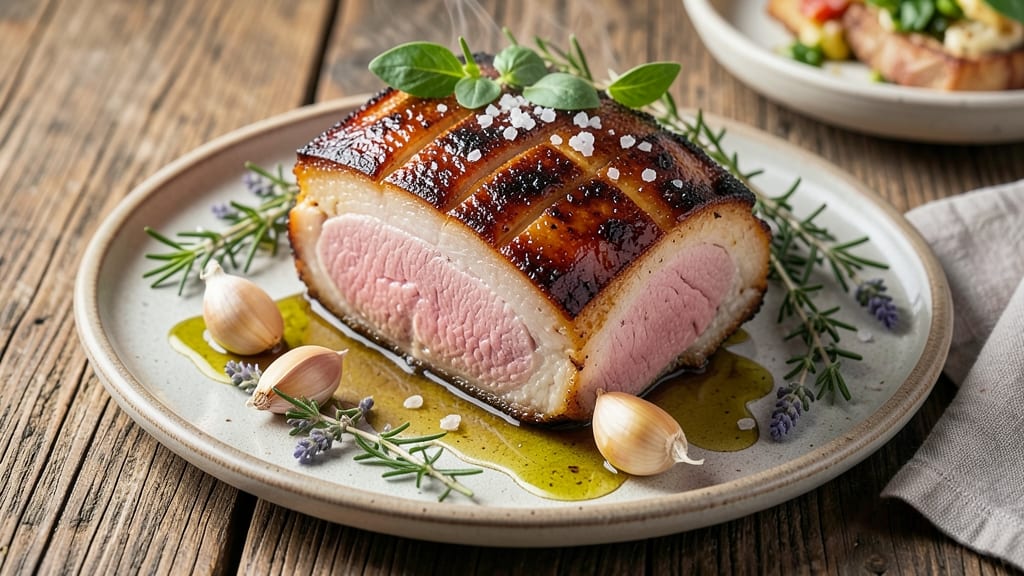
This best pork roast recipe in the world delivers the perfect harmony: a fragrant herb-infused crust that locks in moisture while revealing a juicy pink core so tender it melts at first bite.
Professional chefs and home cooks alike swear by the dry-brining technique and precise temperature control that transform tough pork shoulder into melt-in-your-mouth perfection. The secret lies in balancing tradition—slow roasting at low heat—with modern precision, ensuring every slice is restaurant-quality without requiring a culinary degree.
What sets this recipe apart is the herb-infused crust, a blend of rosemary, thyme, and garlic that forms a golden, aromatic seal while keeping the interior succulent.
Unlike overcooked roasts that turn dry, this method guarantees a juicy pink center that’s dangerously tender—ideal for those who prefer their pork with a hint of pink, not gray.
The key is patience: a low-and-slow roast at 275°F for hours, followed by a quick finish to crisp the exterior without drying the meat.
By the time you carve into this roast, you’ll be rewarded with slices that glisten with natural juices and carry the essence of fresh herbs in every bite.
The crust is crisp enough to hold its shape but yields to the knife, revealing the perfectly pink interior that’s the hallmark of this recipe. Serve with pan sauces, roasted vegetables, or crusty bread to soak up every last drop of flavor—this isn’t just dinner, it’s an experience.
Whether you’re hosting a holiday feast or treating yourself to a Sunday supper, this roast delivers restaurant-quality results with minimal fuss. The dry-brine step (overnight in the fridge) does the heavy lifting, so all you need to focus on is the precise roasting time and that final crisp.
Trust the process, and you’ll have the most tender, flavorful pork roast you’ve ever tasted—proof that the best recipes are built on time, technique, and a little bit of magic.
Ingredients for best pork roast recipe in the world
The secret to this legendary pork roast lies in these carefully chosen ingredients—where tradition meets precision for melt-in-your-mouth perfection.
| Ingredient | Amount | Notes |
|---|---|---|
| Pork Shoulder (Boston Butt) 🥓 | 4 lb | Bone-in for best flavor |
| Kosher Salt 🧂 | ½ cup | Diamond Crystal preferred |
| Fresh Rosemary 🌿 | ¼ cup | Chopped, stems removed |
| Fresh Thyme 🌿 | ¼ cup | Leaves only, stems removed |
| Garlic Cloves 🧄 | 8 cloves | Smashed, not minced |
| Extra-Virgin Olive Oil 🫒 | ¼ cup | For crust and basting |
| Black Peppercorns 🌶️ | 1 tbsp | Freshly cracked |
| Carrots 🥕 | 4 whole | Baby carrots work too |
| Yellow Onion 🧅 | 1 whole | Cut into wedges |
| Fresh Parsley 🌿 | ⅛ cup | Chopped, for garnish |
| Apple Cider Vinegar 🍎 | 2 tbsp | For basting liquid |
| Honey 🍯 | 1 tbsp | For glaze finish |
| Mustard Seeds 🌶️ | 1 tsp | Toasted for depth |
The pork shoulder is non-negotiable—look for a well-marbled 4-pound bone-in cut from Whole Foods or your local butcher. The bone adds flavor while keeping the meat moist. Fresh herbs are essential: Trader Joe's sells pre-chopped rosemary and thyme, but buying whole sprigs and trimming yourself makes all the difference. For garlic, peel and smash the cloves with the flat side of your knife—this releases more flavor than mincing. The carrots and onion aren't just sides; they aromatize the pan and create a flavorful base for the crust.
No fresh rosemary? Dried works at one-third the amount, but it lacks that piney brightness. Substitute thyme with oregano—though it's not identical, it adds earthiness. Running short on honey? Maple syrup does the trick for the glaze. The mustard seeds can be skipped if you're in a hurry, but toast them in a dry pan for 30 seconds—it adds a nutty depth that's worth the effort. For the vinegar, apple cider is ideal, but white vinegar in a pinch works too. The key is balancing sweetness and acidity in that final basting step.
Store your pork in the fridge uncovered on a wire rack for 24 hours—this dry-brine transforms tough meat into tender perfection. The herbs and aromatics keep for 1 week in sealed containers, while the honey and vinegar last 6 months unopened. For leftovers, slice against the grain and reheat in the oven with a splash of water to keep everything juicy. This roast freezes beautifully—3 months at its peak. Portion into individual servings for easy reheating, or freeze whole for future feasts.
Why You'll Love This Recipe
- Foolproof Prep: I swear by this—just score the fat cap, sprinkle salt, and stuff it with garlic and herbs. No fancy techniques, no stress. The pork shoulder does all the work while you sip wine (or coffee, no judgment).
- Herb-Crisp Magic: That rosemary and thyme seeping into the meat? It’s like a hug for your taste buds. The garlic cloves roasted right into the fat? Absolute flavor gold. Simple ingredients, but the combo is dangerously addictive.
- Budget Meal, Big Impact: Pork shoulder is my go-to for feeding a crowd without breaking the bank. A single roast feeds six, and the cost per serving is laughable. Plus, the salt and herbs are pantry staples—minimal extra cost, maximum flavor.
Step-by-step instructions for herb-infused pork roast
This method delivers melt-in-your-mouth tenderness with a crust so flavorful it'll have everyone asking for seconds.
Prepare the Pork Shoulder for Maximum Flavor
Pat the 4 lb pork shoulder (Boston Butt) completely dry with paper towels—this is non-negotiable for crispy skin. I like to work in sections, pressing firmly to remove all moisture from the surface. The drier the meat, the better the crust will form when we roast it later.
In a small bowl, combine the 0.5 cup kosher salt, 0.25 cup fresh rosemary, 0.25 cup fresh thyme, 1 tbsp freshly cracked black peppercorns, and 8 smashed garlic cloves. Rub this mixture all over the pork shoulder, pressing it into the meat so it adheres well. Pay special attention to the fat cap—this is where all the flavor concentrates during the long cook. Let the seasoned pork sit at room temperature for 30 minutes while you prepare the vegetables.
Prep the Vegetables and Create the Basting Liquid
Cut the 1 whole yellow onion into wedges and peel the 4 whole carrots (leave them whole if they're baby carrots). In a small bowl, whisk together the 2 tbsp apple cider vinegar, 1 tbsp honey, and 1 tsp mustard seeds—this becomes our basting liquid. The acidity in the vinegar tenderizes the meat while the honey adds subtle sweetness that caramelizes beautifully during roasting.
Toast the 1 tsp mustard seeds in a dry skillet over medium heat for 1-2 minutes until fragrant. This step develops their nutty depth before we incorporate them into the basting liquid. Set aside to cool slightly before adding to the pork roast later.
Sear the Pork for Irresistible Crust
Heat a Dutch oven over medium-high heat and add the 0.25 cup extra-virgin olive oil. Once shimmering, add the pork shoulder fat-side down and sear for 5 minutes without moving it. You want deep golden-brown color developing—this is your flavor foundation. Flip the pork and sear the other side for another 5 minutes. The fat should render out and begin to crisp slightly.
Remove the pork and set it aside. In the same Dutch oven, add the onion wedges and carrots, coating them in the rendered pork fat. Sear for 3-4 minutes until the onions soften slightly and the carrots develop a few brown spots. This step builds layers of flavor that will infuse into the meat during roasting.
Roast Low and Slow for Perfect Tenderness
Preheat your oven to 275°F—this low temperature is crucial for achieving that signature juicy pink core. Place the pork shoulder fat-side up in the Dutch oven with the vegetables. Pour the basting liquid over the pork and cover tightly with a lid or foil. Roast for 4 hours, basting with accumulated juices every 45 minutes. The slow cook transforms tough muscle fibers into melt-in-your-mouth perfection.
Here's the thing—don't peek! Every time you open the oven, you lose heat and moisture. Trust the process. The pork is done when it reaches an internal temperature of 195-203°F at the thickest part, which should take 4-5 hours total. The meat should pull apart easily with two forks, and the juices should run clear when pierced.
Rest and Finish with Herb Crust
Remove the pork from the oven and transfer it to a cutting board. Tent loosely with foil and let it rest for 30 minutes—this crucial step allows the juices to redistribute throughout the meat. While it rests, preheat your broiler to high. Spread the 0.125 cup chopped fresh parsley evenly over the pork's surface, then drizzle with any remaining pan juices.
Broil the pork for 3-5 minutes until the parsley crisps and the top develops a golden crust. This final step intensifies all the flavors we've built during the long cook. Slice against the grain into ½-inch thick portions and serve immediately with the roasted vegetables and pan juices spooned over the top. Each bite delivers that perfect balance of crispy exterior and impossibly tender interior—this is why it's the best pork roast you'll ever make.
Pro Tips For Making Best Pork Roast Recipe In The World
- DON’T SKIP THE BARK: High heat is your friend here—sear the pork shoulder hard for 10-15 minutes on each side until the fat renders and the skin turns deep golden. I used to rush this, and the crust never formed. Now I set a timer and let it go until the pan is smoking slightly. That’s where all the flavor hides.
- SALT THE GARLIC: Crush those garlic cloves with the flat side of your knife before pressing them into the meat—it releases more aroma. And don’t just sprinkle salt on top; work it into every crevice, especially around the edges and between the fat cap and flesh. Trust me, the difference in depth of flavor is night and day.
- REST IT LIKE YOUR LIFE DEPENDS ON IT: Pull the pork off heat at 195°F (it’ll climb to 203°F while resting) and tent it with foil for a solid 30 minutes. I know, I know—you’re starving, but cutting into it early turns that juicy dream meat into dry disappointment. Let it chill for a bit, then slice against the grain.
- UPGRADE WITH A SPRITZ: About 45 minutes into cooking, hit the roast with a quick spray of apple cider vinegar or white wine. The acid cuts through the fat, keeps the crust crisp, and adds a subtle tang that elevates the rosemary-thyme aroma. (Yes, even if you’re using store-bought herbs—this makes them sing.)
Flavor customization for these flavors
Sweet & Smoky Glaze
Swap the apple cider vinegar-honey glaze for a sweet and smoky variation by mixing 2 tbsp molasses, 1 tbsp smoked paprika, and 1 tbsp Dijon mustard with the basting liquid. The molasses adds deep caramel notes while the smoked paprika infuses a subtle BBQ-like aroma.
Brush this glaze over the pork during the last 30 minutes of roasting for a rich, charred finish. 🔥
Spicy Chipotle Rub
For heat lovers, replace the rosemary-thyme blend with a chipotle-lime rub using 1 tbsp chipotle powder, 1 tsp ground cumin, 1 tsp smoked salt, and 1 lime zest. Mix with 1 tbsp olive oil to create a paste.
Apply this rub after searing and roast uncovered for the final 1 hour to let the spices caramelize. The result? A smoky, slightly spicy crust with a juicy interior.
Asian-Inspired Five-Spice
Transform this roast into an Asian fusion by swapping the herbs for a five-spice blend—combine 1 tsp star anise, 1 tsp cinnamon, ½ tsp cloves, ½ tsp fennel seeds, and ½ tsp black pepper.
Add 1 tbsp soy sauce and 1 tbsp honey to the basting liquid. Roast as directed, then finish with a drizzle of hoisin sauce and sliced scallions for a sweet-savory twist. ✨
Garlic-Herb Butter Baste
Elevate the crust by making a garlic-herb butter baste—mix ¼ cup softened butter with 2 minced garlic cloves and 1 tbsp chopped parsley. After searing, spoon this butter over the pork every 45 minutes during roasting.
The butter creates a golden, buttery crust while keeping the meat impossibly tender. Save the rendered pork fat to make a rich pan sauce afterward.
Creamy Mustard Finish
For a tangy kick, replace the honey with Dijon mustard in the basting liquid and add 2 tbsp crème fraîche or sour cream to the final basting step. Brush this mixture over the pork during the last 20 minutes of roasting.
The mustard adds brightness, while the crème fraîche creates a silky, velvety finish. Garnish with fresh dill for a French bistro touch. 💫
Citrus-Zest Brightener
Add a zesty citrus twist by mixing 1 tbsp orange zest and 1 tbsp lemon juice into the basting liquid. The acidity tenderizes the meat while the zest adds a bright, aromatic finish.
Roast as usual, then finish with a squeeze of fresh orange juice before serving. This variation works especially well with the garlic-herb butter baste for a refreshing contrast.
Nutrition facts
Frequently asked questions
Why does this recipe emphasize a juicy pink center instead of fully cooked pork?
This method prioritizes the pink center because it delivers the most tender, flavorful bite. When pork reaches 212°F, the connective tissues break down completely, but the meat becomes dry. Stopping at 195-203°F preserves moisture while still achieving perfect tenderness. The fat cap renders beautifully, creating a self-basting effect that keeps everything succulent.
Can I use a different cut of pork instead of Boston Butt?
Boston Butt is ideal for its fat marbling, but you can substitute with pork shoulder or even pork loin (though it's leaner). For loin, reduce cooking time to 2-2.5 hours at 325°F since it cooks faster. Avoid pork tenderloin—it's too delicate for this slow-roasting method. The key is choosing a cut with enough fat to stay moist during the long cook.
What's the best way to reheat leftovers without drying them out?
Slice the roast against the grain and reheat in a 350°F oven for 15-20 minutes with a splash of water or broth in the pan. For microwave reheating, cover with a damp paper towel and heat in 30-second intervals. The goal is to restore moisture—never let it dry out. Leftovers keep for 4-5 days in the fridge or 3 months frozen.
How do I know when the pork is perfectly cooked?
Use a meat thermometer to check the thickest part of the roast—it should read 195-203°F. The meat should also pull apart easily with two forks, and the juices should run clear when pierced. If using a probe thermometer, insert it into the thickest part without touching bone. The internal temperature is the most reliable indicator of doneness.
Can I make this roast in a slow cooker?
Yes! Sear the pork first, then transfer to a slow cooker with the basting liquid and vegetables. Cook on low for 8 hours or high for 5 hours. Finish with the broiler step for the herb crust. The slow cooker method requires less attention but may result in slightly less caramelization on the crust. For best results, use the oven method for that signature golden finish.