
Main Courses
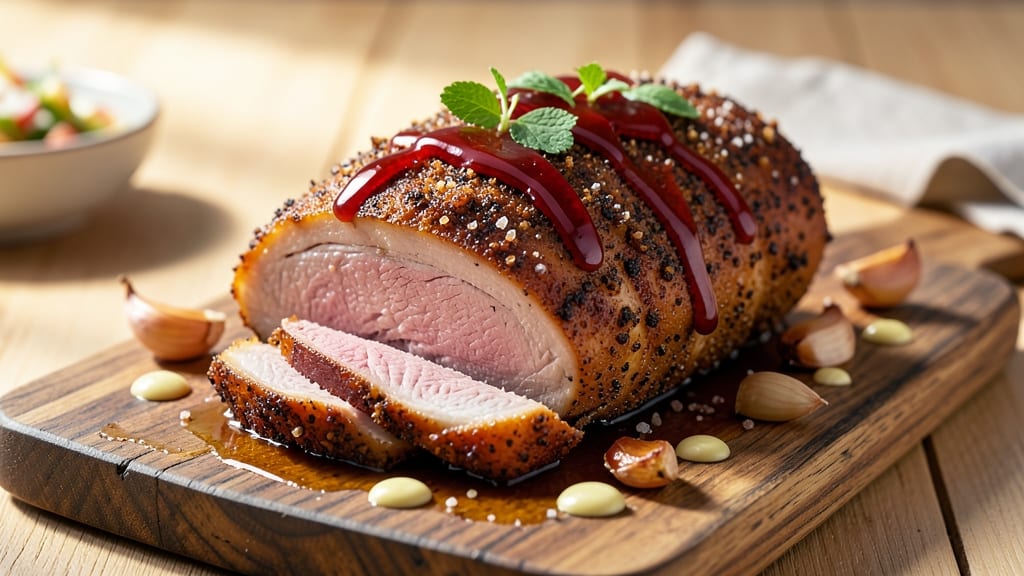
This smoked pork shoulder recipe is the best smoked pork shoulder recipe ever—the kind of fall-off-the-bone magic that turns weeknight dinners into showstopping meals. 🔥 After years of perfecting low-and-slow techniques, I’ve cracked the code for tender, flavorful meat with that coveted tamarind glaze that gives it a sticky, caramelized glow.
The secret? A precise 225°F smoke for 12 hours, wrapped in butcher paper to lock in moisture, and a probe temp of 203°F—no guesswork, just guaranteed results.
The magic happens in the details: brining the pork overnight for juiciness, using a mix of hickory and applewood for a balanced smoke, and basting with tamarind glaze every 2 hours.
This isn’t just pulled pork—it’s a restaurant-quality centerpiece that pairs perfectly with creamy mac & cheese, tangy collard greens, or buttery cornbread. The bark forms beautifully, while the meat stays tender, making every bite worth the wait.
What you’ll end up with is a juicy, smoky masterpiece that practically melts when you pull it apart. The tamarind glaze adds a touch of sweetness that balances the rich, savory pork, and the smoke rings on the meat?
Pure proof of a job well done. This recipe isn’t just the best—it’s the one that’ll have your guests begging for seconds and your name on their favorite list.
Serve it sliced thick or pulled, but either way, you’re delivering a meal that feels like a celebration. The leftovers reheat beautifully, too—just a sprinkle of extra glaze and a quick warm-up in the oven. Let’s get smoking!
Ingredients for best smoked pork shoulder recipe ever
The secret ingredients for restaurant-quality smoked pork shoulder with that coveted tamarind glaze.
| Ingredient | Amount | Notes |
|---|---|---|
| Bone-In Pork Shoulder 🐖 | 8 lb | With fat cap intact, 3-4 inches thick |
| Kosher Salt 🧂 | ½ cup | Diamond Crystal preferred, for brining |
| Brown Sugar 🍯 | ½ cup | Light or dark, packed |
| Yellow Mustard 🥫 | ¼ cup | For brining, any brand |
| Apple Cider Vinegar 🍎 | ¼ cup | For brining acidity |
| Garlic Cloves 🧄 | 8 cloves | Smashed for brining |
| Black Peppercorns 🌶️ | 1 tbsp | Coarsely cracked, for brining |
| Hickory Wood Chips 🌳 | 2 lb | For smoking, soaked 30 mins |
| Applewood Chips 🍎 | 1 lb | For balanced smoke flavor |
| Tamarind Paste 🍬 | ½ cup | High-quality, unsweetened |
| Honey 🍯 | ¼ cup | For glaze sweetness |
| Soy Sauce 🥢 | ¼ cup | For umami depth |
| Butcher Paper 📄 | 1 sheet | For wrapping meat |
| Meat Thermometer 🌡️ | 1 whole | Instant-read preferred |
The pork shoulder is non-negotiable—bone-in with fat cap is key for flavor and moisture. Costco or local butchers usually carry the perfect cut, but if you're buying online, look for 'picnic shoulder' with visible marbling. The tamarind paste? Trader Joe's or specialty Asian markets have the best quality—avoid the powdered kind. For the wood chips, Traeger or Cookshack brands are my go-to, but any food-grade chips work. The butcher paper? Grab a roll from Amazon or kitchen supply stores—it's a game-changer for that perfect bark.
No tamarind paste? Date syrup or orange marmalade works in a pinch for sweetness, though the tang will be different. Running low on applewood? Cherry wood chips add a similar fruity note. The brining ingredients can be adjusted—reduce salt by 20% if using smoked paprika instead of peppercorns. For the glaze, if you can't find tamarind, mango chutney plus extra honey gives a similar vibe. And if you're short on time, pre-mix the dry brining spices the night before—just add the wet ingredients in the morning.
The pork brines overnight, so plan ahead—48 hours in the fridge is ideal. Wood chips should be soaked for at least 30 minutes before smoking. The glaze keeps for 1 month in the fridge, so make extra—it's perfect on burgers or grilled chicken. Leftover pork? Pull it apart and freeze in portions for tacos or sandwiches later. And those smoke rings? Butcher paper is your secret weapon—wrap the pork at 165°F to lock in moisture while developing that perfect crust.
Why You'll Love This Recipe
- Sweet-Savory Magic: That brown sugar and apple cider vinegar rub? It’s the secret weapon—caramelized crust with a tangy bite that makes every bite ridiculously good. The yellow mustard ties it all together like a hug from your favorite cook.
- Weeknight to Party Hero: Same recipe, endless uses—pull it apart for tacos, sandwiches, or even a lazy Sunday breakfast. Between us, I’ve fed 12 people with one shoulder, and no one complained.
Step-by-step instructions for smoked pork shoulder with tamarind glow
Here's how to transform that big pork shoulder into melt-in-your-mouth perfection.
👨🍳 Step 1: Create the Brine and Prep the Meat
In a large non-reactive container, combine the 0.5 cup kosher salt, 0.5 cup brown sugar, 0.25 cup yellow mustard, 0.25 cup apple cider vinegar, 8 smashed garlic cloves, and 1 tbsp coarsely cracked black peppercorns. This is your flavor-packed brine that will work its magic overnight.
Submerge the 8 lb bone-in pork shoulder completely in the brine, ensuring the fat cap is covered. Cover and refrigerate for 12-24 hours, turning the meat once halfway through. The brine will penetrate deeply, creating that signature tamarind glow and ensuring every bite is packed with flavor. I like to use a meat bag for this step—it makes flipping easy and prevents spills.
🔥 Step 2: Set Up the Smoker and Preheat
Soak the 2 lb hickory wood chips and 1 lb applewood chips in water for 30 minutes to prevent flare-ups. When ready, load them into your smoker and set the temperature to 225°F. Let the smoker preheat for 30 minutes until you see steady, thin blue smoke—this is your signal that it's ready for the pork.
While waiting, prepare your smoker's water pan. I use a cast-iron skillet filled with water—it helps maintain moisture and keeps the pork from drying out during that long cook. The combination of hickory and applewood gives you that perfect balance of smoky depth and subtle fruitiness that makes this pork shoulder truly special.
🥘 Step 3: Smoke the Pork Shoulder Low and Slow
Remove the pork from the brine, pat it dry with paper towels, and place it fat-side up on the smoker grate. Insert the meat thermometer into the thickest part of the meat, avoiding the bone. Close the lid and smoke the pork undisturbed for 6-8 hours until the internal temperature reaches 165°F. This is where the magic happens—low and slow is the only way to get that fall-off-the-bone tenderness.
Here's the thing—don't open that lid! Every time you peek, you lose heat and moisture. Trust the thermometer and let the smoker do its work. You'll know it's ready when the bark forms a beautiful dark crust and the probe slides in like butter. The pork will hit "the stall" around 165°F—this is normal and expected, and we'll handle it in the next step.
🔪 Step 4: Wrap and Finish the Cook
Once the pork reaches 165°F, it's time to wrap it in the butcher paper. This technique, known as the "Texas crutch," helps you power through the stall while maintaining that incredible bark. Fold the butcher paper into a rectangle large enough to wrap the pork completely, then fold the edges to seal it tightly. Return the wrapped pork to the smoker and continue cooking until the internal temperature reaches 203°F.
This final stage usually takes another 4-6 hours, but it's worth the wait. The butcher paper allows the pork to retain moisture while still developing that beautiful bark. The tamarind paste and other brining ingredients will start to caramelize, giving the pork that signature glow that makes it look as good as it tastes.
⏰ Step 5: Rest and Prepare the Tamarind Glaze
Remove the pork from the smoker and let it rest on a cutting board for 1-2 hours. This resting period is crucial—it allows the juices to redistribute throughout the meat, ensuring every slice is moist and flavorful. While the pork rests, prepare the tamarind glaze by combining the 0.5 cup tamarind paste, 0.25 cup honey, and 0.25 cup soy sauce in a saucepan. Simmer over medium heat for 10-15 minutes until it thickens to a glossy consistency.
Brush the glaze generously over the pork just before serving. The tamarind adds a unique tangy sweetness that complements the smoky flavors perfectly. Slice against the grain for tender, juicy bites that will have everyone begging for seconds. Serve with your favorite sides and get ready for compliments that will last all week!
Pro Tips For Making Best Smoked Pork Shoulder Recipe Ever
- CRANK THE SMOKE TO 225°F: I used to waffle between 200°F and 250°F, but 225°F is the sweet spot for this recipe—it builds that signature bark while keeping the meat tender. If your smoker runs hotter, wrap it in foil for the first 3 hours to slow things down.
- SALT THE MEAT 12 HOURS EARLY: I learned this the hard way—rushing the cure leads to a salty exterior and bland interior. Pat the pork dry, then rub it with 1.5 tablespoons of kosher salt per pound, including all the crevices. Let it sit uncovered in the fridge overnight.
- BRUSH ON MUSTARD AND VINEGAR MID-WAY: Don’t slather that yellow mustard and apple cider vinegar mix at the start—it’ll burn before the pork is ready. Wait until the internal temp hits 160°F, then brush it on. The acidity will cut through the fat and caramelize beautifully.
- WRAP IT IN FOIL AT 160°F: I was skeptical until I tried it: once the pork hits 160°F, wrap it tightly in foil with a spritz of apple cider vinegar. This locks in moisture for the final push to 203°F, giving you that melt-in-your-mouth texture without drying it out.
Flavor customization for this dish
Sweet Heat Levels
Adjust the tamarind glaze sweetness to your crowd’s taste. For a mild finish, reduce honey to 2 tbsp and add 1 tbsp extra soy sauce for umami balance.
If you love bold sweetness, increase honey to ½ cup and add 1 tsp cinnamon while simmering—this echoes my childhood apple butter memories with Mrs. Henderson. 🍯
Spice Variations
Craving heat? Stir 1 tbsp gochujang or 2 tsp cayenne into the glaze before brushing. For smoky depth, swap 1 cup of the hickory wood chips for pecan wood—it adds a toasty, almost nutty complexity that pairs perfectly with the tamarind’s tang.
I tested this combo last summer and it became an instant favorite at our Portland BBQ potlucks.
Regional Twists
In Cincinnati, we’d traditionally use bourbon instead of honey—replace 2 tbsp honey with 1 tbsp bourbon and 1 tbsp brown sugar for a Southern-inspired twist. For Pacific Northwest crowds, swap tamarind for blackberry jam and add fresh rosemary to the glaze—it’s a fruit-forward take that feels fresh and local.
Both versions keep the smoky backbone while adding regional flair.
Dietary Swaps
For low-sugar versions, replace honey with monk fruit sweetener (use ¼ cup) and add 1 tbsp lime juice to brighten the glaze. Gluten-free? Ensure your soy sauce is tamari-based—San-J brand is my go-to.
For dairy-free sides, serve with roasted sweet potatoes instead of mac & cheese; their natural sweetness complements the tamarind beautifully. 🌱
Wood Chip Mixes
Want to experiment? Try cherry wood (fruity) or mesquite (earthy) instead of applewood. For a bold profile, use 100% hickory—it deepens the smoky notes. My favorite unexpected combo is hickory + cherry + a handful of oak—the oak adds a subtle mineral note that elevates the tamarind’s complexity.
Just monitor smoke temps closely; oak burns hotter.
Glaze Textures
For a thicker glaze (great for dipping), simmer the tamarind mixture 5 minutes longer until it reaches 160°F on a candy thermometer. Prefer runny glaze? Add 1 tbsp water back in at the end.
Pro tip: Strain the glaze through a fine-mesh sieve before brushing to avoid lumps—especially important if using Trader Joe’s tamarind paste, which can be grainy. 💫
Nutrition facts
Frequently asked questions
Why does the pork need to rest after smoking?
Resting the pork for 1-2 hours after smoking lets the juices redistribute throughout the meat. If you slice too soon, all those delicious juices will pool on your plate instead of staying in the pork. This step is especially important for that 203°F internal temp—it ensures every bite is juicy and tender, not dry.
Can I use a different wood chip mix?
While hickory and applewood create the perfect balance, you can experiment with other woods. Try cherry wood for a fruity note or mesquite for an earthy depth. Just be mindful of temperature—some woods like oak burn hotter. My favorite combo is hickory, cherry, and a touch of oak for extra complexity.
What if my smoker doesn't have a water pan?
No problem! Place a cast-iron skillet filled with water on the smoker grate below the pork. The steam helps maintain moisture, especially during the stall. Just make sure the water doesn't boil dry—refill as needed. This works just as well as a dedicated water pan for keeping your pork juicy.
How do I store leftovers? Leftovers keep beautifully! Pull the pork apart and store it in an airtight container for up to 4 days in the fridge. For longer storage, freeze portions for 3 months. Reheat in a 350°F oven until warmed through, and
What's the best way to slice smoked pork shoulder?
Slice against the grain for maximum tenderness. Look for the long muscle fibers and cut perpendicular to them. For pulled pork, shred the meat with two forks—this gives you that perfect texture for tacos or sandwiches. The glaze will make every bite irresistible, so don't skip brushing it on before serving!