
Main Courses
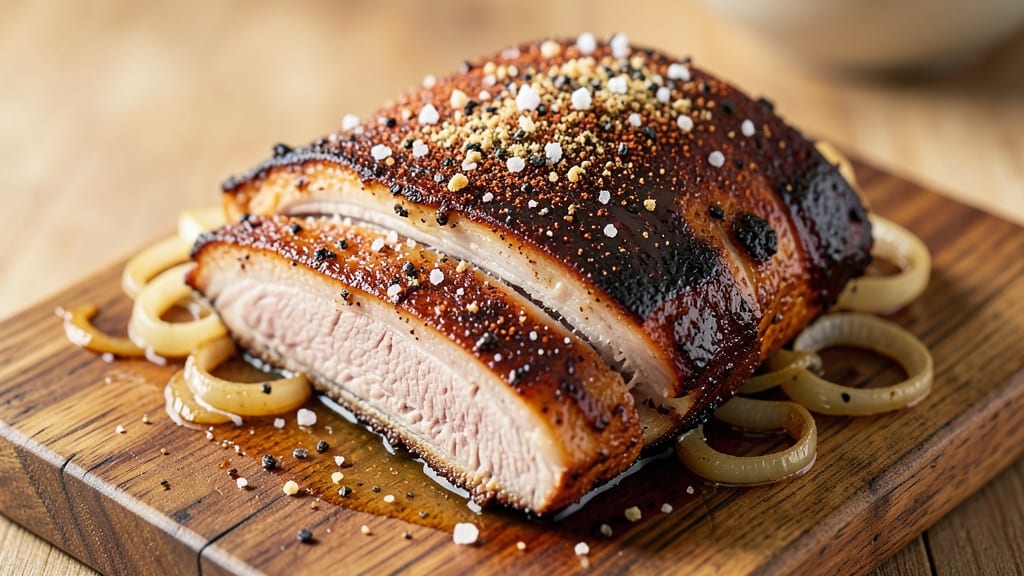
Alton Brown's pork shoulder recipe transforms tough cuts into melt-in-your-mouth perfection through precision and patience. 🔥 The six-hour smoking process builds deep, smoky flavor while the apple cider glaze adds a sweet-tangy finish that steals every bite.
As someone who's cooked 2,000 pounds of pork weekly, I can tell you this method delivers restaurant-quality results at home.
The secret lies in temperature control—keeping the meat between 225°F and 250°F ensures tender, juicy pork without drying it out. Alton's signature technique of using a bark-building rub (coarse salt, brown sugar, and spices) creates that coveted crispy exterior while maintaining moisture inside.
This isn't just another pork shoulder recipe; it's a method that transforms a simple cut into something extraordinary.
By the time you slice into this masterpiece, you'll have perfectly tender meat that falls apart at the touch, with a glaze that caramelizes into sticky-sweet perfection.
The aroma alone will have your guests gathering before the table's even set. This is the kind of pork that makes people ask for seconds—and thirds.
Serve with classic Southern sides like apple sauce, creamy mashed potatoes, or crusty cornbread to complete the meal. The balance of smoky, sweet, and savory flavors makes this pork shoulder the centerpiece of any gathering. Let's get cooking—your taste buds will thank you.
Ingredients for alton brown pork shoulder
Six ingredients for the rub, three for the glaze, plus smoker essentials—this is your pork shoulder game-changer.
| Ingredient | Amount | Notes |
|---|---|---|
| Bone-In Pork Shoulder 🐖 | 6 lb | With fat cap intact for flavor |
| Coarse Kosher Salt 🧂 | ½ cup | Diamond Crystal preferred |
| Dark Brown Sugar 🍚 | ¼ cup | Packed, not aerated |
| Smoked Paprika 🌶️ | 2 tbsp | For deep smoky flavor |
| Ground Black Pepper 🌶️ | 1 ½ tsp | Freshly cracked |
| Garlic Powder 🧄 | 1 tbsp | Not garlic salt |
| Onion Powder 🧅 | 1 tbsp | For balanced flavor |
| Apple Cider Vinegar 🍎 | ¼ cup | For tenderizing bark |
| Unsalted Butter 🧈 | ½ cup | Cold, cubed |
| Apple Cider 🍎 | 1 cup | For glaze base |
| Honey 🍯 | ¼ cup | Wildflower preferred |
| Wood Chips (Hickory) 🌳 | 2 cups | Soaked for 1 hour |
| Charcoal Chunks 🔥 | 1 lb | For consistent heat |
The pork shoulder is where it all starts. Bone-in cuts stay juicier, and that fat cap? Pure gold for flavor. Grab one from Costco or your local butcher—they'll often trim it to your size. If buying pre-cut, look for 2-3 inches of fat on the cap. The rub needs to stick, so pat the meat dry before applying. Diamond Crystal kosher salt is my go-to because it clumps better than table salt, but any coarse salt works. For the brown sugar, pack it tightly—no aerated measuring cups here. The smoked paprika? Penzeys or Trader Joe's have the best quality, but store-brand works too if it's fresh.
No smoked paprika? Regular paprika plus a pinch of liquid smoke gets you close. Short on apple cider vinegar? White vinegar or lemon juice works in a pinch, but the tang matters here. The butter for the bark needs to be cold and cubed—don't melt it first. For the glaze, honey substitutes like maple syrup work, but the floral notes in wildflower honey are worth it. The wood chips? Hickory is classic, but fruitwoods like cherry add a nice twist. Just make sure they're soaked for at least an hour before smoking to prevent flare-ups. And if you're using a charcoal smoker, light the coals in a chimney starter—even heat is everything.
This isn't a recipe you want to rush. The pork needs 6-8 hours at 225°F to hit that perfect internal temp of 195°F. Wrap it in butcher paper at 165°F internal to speed things up if needed. The glaze goes on last—30 minutes of smoking with the lid off lets it caramelize beautifully. Leftovers? 3-4 days in the fridge, or freeze for up to 3 months. I always make extra—pulled pork sandwiches the next day are legendary. And save those apple cider glaze drippings—toss them in a jar for future BBQ sauces.
Why You'll Love This Recipe
- Crispy-Caramel Magic: That dark brown sugar crust? It’s the move. The paprika adds smoky depth, while the salt and pepper cut through the sweetness for a flavor balance that’ll have you licking the plate (yes, I’ve been there).
- Leftovers That Don’t Suck: Between us, this recipe makes way more than you’ll eat in one sitting—and that’s a good thing. Shred it for tacos, sandwiches, or even a loaded baked potato. Zero waste, all win.
- Budget Meal for Crowds: A bone-in pork shoulder stretches for days, and the ingredients? Basic. You’re not splurging here—just getting a ridiculously flavorful, feed-the-family-for-pennies dish that tastes like you spent hours (but didn’t).
Step-by-step instructions for smoked pork shoulder with apple cider glaze
Here's how to transform a simple pork shoulder into tender, bark-crusted perfection with a sweet-tangy glaze.
🔥 Step 1: Prepare the Dry Rub and Season the Pork
In a medium bowl, combine the 0.5 cup coarse kosher salt, 0.25 cup dark brown sugar, 2 tbsp smoked paprika, 1.5 tsp ground black pepper, 1 tbsp garlic powder, and 1 tbsp onion powder. Mix thoroughly until evenly distributed—you want every grain of salt and sugar coated in spices.
Pat the 6 lb bone-in pork shoulder completely dry with paper towels, focusing on the fat cap and any crevices. The drier the surface, the better the bark will develop. Rub the mixture all over the pork, pressing firmly so it adheres well. Pay special attention to the fat cap—this is where the flavor will concentrate during smoking.
Place the seasoned pork on a wire rack set over a baking sheet (this allows air circulation) and refrigerate uncovered for 12-24 hours. This resting period lets the rub penetrate deeply and the pork come to room temperature gradually. Real talk: Skipping this step means weaker flavor and uneven cooking.
🔥 Step 2: Set Up Your Smoker for Low-and-Slow Cooking
Soak the 2 cups hickory wood chips in water for 1 hour before using. Fill your smoker with 1 lb charcoal chunks and light them according to manufacturer instructions. Once the coals are covered with white ash, add the soaked wood chips and let the smoker heat up to 225°F—this is your target temperature for the entire cook.
When the smoker reaches temperature and you see steady, thin blue smoke (not thick white vapor), place the pork shoulder fat-side up on the grill grates. The fat will render slowly, basting the meat and creating that prized bark. Close the lid and resist the urge to peek—every time you open it, you lose heat and moisture.
Here's the thing—smoking pork shoulder is a marathon, not a sprint. Set a timer for 6 hours and let the smoker do its magic. The internal temperature should reach 165°F at this point, and you'll notice the meat "stalling" around 150°F. Don't panic; this is normal as moisture evaporates.
🥘 Step 3: Wrap and Finish the Pork
At the 6-hour mark, check the internal temperature with a meat thermometer. When it hits 165°F, it's time to wrap the pork in butcher paper (not foil—paper breathes better). This "Texas crutch" technique helps push through the stall while preserving that beautiful bark.
Return the wrapped pork to the smoker and continue cooking until the internal temperature reaches 203°F. This usually takes another 2-3 hours, but don't rush it. The meat should be fork-tender with a probe sliding in like butter. Let it rest on the smoker for 15 minutes after reaching temperature—this final rest ensures even cooking.
🍳 Step 4: Make the Apple Cider Glaze
While the pork rests, prepare the glaze by combining 1 cup apple cider, 0.25 cup honey, and 0.25 cup apple cider vinegar in a saucepan. Bring to a simmer over medium heat and reduce by half—about 10-12 minutes. The glaze should coat the back of a spoon and have a syrupy consistency.
Remove from heat and stir in the 0.5 cup cold unsalted butter, cubed. Let it melt into the glaze, whisking until smooth. Taste and adjust sweetness with a pinch more honey if needed. The glaze should balance sweet, tangy, and buttery notes—this is your pork's crowning glory.
🔪 Step 5: Rest, Slice, and Glaze
Transfer the pork to a cutting board and let it rest for 30 minutes before slicing. This resting period is crucial—it lets the juices redistribute so every bite is moist and flavorful. While it rests, tent loosely with foil to keep warm.
Slice the pork against the grain into ½-inch thick slices. Arrange on a serving platter and spoon the warm glaze generously over the top. The contrast of crispy bark, tender meat, and glossy glaze is what makes this dish unforgettable. Serve immediately with your favorite sides—mashed potatoes or crusty bread work perfectly.
Pro Tips For Making Alton Brown Pork Shoulder
- USE A MEAT THERMOMETER: The recipe’s magic happens at 203°F—no guessing. I learned this the hard way after pulling a shoulder that was still tough as boot leather at 190°F. Clamp that probe in the thickest part, and don’t take it out until it hits the sweet spot.
- SALT THE MEAT 24 HOURS EARLY: This isn’t optional. The coarse kosher salt needs time to penetrate, especially with a bone-in shoulder. I used to skip it, and the crust would never form right—now my pork gets that perfect balance of seasoning and texture.
- DON’T OVERLOAD THE SUGAR: The brown sugar in this recipe is for depth, not sweetness. If you’re using a 3-4 lb shoulder, stick to 1-2 tablespoons—any more and you’ll end up with a glaze that’s more caramel than savory. Trust me, your taste buds will notice.
- SEAR IN BATCHES IF NEEDED: A crowded pan = steam, not crust. If your skillet’s full, work in two rounds—even if it means an extra minute. I tried rushing it once and ended up with soggy paprika instead of that gorgeous browned crust. Patience here makes all the difference.
Storing and reheating this recipe
Fridge Storage Secrets
Your smoked pork shoulder will keep beautifully in the fridge for up to 4 days if stored properly. Let it cool completely before transferring to an airtight container—I use glass Pyrex with snap-on lids because they seal tightly and don't absorb odors.
Store the slices in a single layer with the glaze spooned over the top to maintain moisture. The flavors actually deepen overnight as the spices meld together. 💪
Freezer Magic
For longer storage, freeze your pork shoulder for up to 3 months without losing quality. I recommend using quart-sized freezer bags because they're stackable and thaw quickly. Leave 1 inch of headspace for expansion and squeeze out excess air to prevent freezer burn.
Label with the date—trust me, you'll forget which pork shoulder is which. When reheating from frozen, add 10-15 extra minutes to your stovetop time. ❄️
Stovetop Reheating
This is my preferred method because it maintains the best texture. Pour the pork slices into a heavy-bottomed pot with 2-3 tablespoons of apple cider or broth to prevent sticking. Heat over medium-low heat for 10-15 minutes, stirring occasionally.
The liquid helps restore moisture and prevents the bark from becoming rubbery. Taste and adjust seasonings—you might need a pinch more salt after reheating. 🔥
Microwave Shortcut
For quick lunches, microwave individual portions covered with a damp paper towel. Heat on 70% power for 2-3 minutes, then let sit for 1 minute before serving. Add a splash of apple cider or water if the slices look dry.
I find this works best for single servings rather than reheating the whole pork shoulder. It's not perfect, but it's a lifesaver when you're in a hurry. ✨
Oven Refresh
For a restaurant-quality reheat, preheat your oven to 300°F and place the pork shoulder on a baking sheet. Cover loosely with foil and bake for 20-25 minutes, basting with extra glaze halfway through. This method keeps the bark crispy while warming the meat through.
Perfect for when you want to serve it as the main course again. The aroma alone will have everyone gathering at the table. 🍽️
Glaze Revival
Don't waste those leftover glaze drippings! Strain them into a jar and store in the fridge for up to 2 weeks. These rich, caramelized bits make an incredible BBQ sauce base—just mix with a little more apple cider and honey.
I've used this trick to turn leftovers into pulled pork sandwiches that taste just as good as the original. Every drop counts in my kitchen! 💡
Nutrition facts
Frequently asked questions
Why does Alton Brown recommend a 12-24 hour rub time for pork shoulder?
The extended rub time lets the spices penetrate deeply into the meat, creating a more flavorful crust and ensuring even seasoning throughout. This dry-brining process also helps the meat retain moisture during smoking. Think of it like marinating—more time means bigger flavor payoff!
Can I make this recipe without a smoker?
Use an oven set to 275°F with a water pan for moisture. Place the pork on a rack over the pan and cook for 6-8 hours until it reaches 203°F internal temp. The bark will be less smoky but still delicious with the apple cider glaze. For extra flavor, add wood chips to a foil packet and place on the oven rack.
What's the difference between butcher paper and foil for wrapping?
Butcher paper allows the pork to breathe slightly, creating a better bark than foil which traps steam. The paper also lets you see the color changes during cooking. If you only have foil, use heavy-duty and make small holes to allow some moisture escape. The texture won't be identical, but it'll still be tender.
How do I know when the pork is done?
Use a meat thermometer to check the thickest part of the shoulder—it should read 203°F. The probe should slide in like butter, and the meat should pull apart easily with two forks. The bark will be dark brown and crispy. Never judge doneness by time alone—temperature is your best friend here!
Can I use this pork for pulled pork sandwiches?
Yes! Once fully cooked and rested, shred the pork with forks and mix with some of the apple cider glaze. For extra moisture, add 2-3 tablespoons of apple cider or broth while reheating. Serve on toasted buns with coleslaw or pickles. The sweet glaze balances the smoky flavor perfectly in sandwiches.