
Main Courses
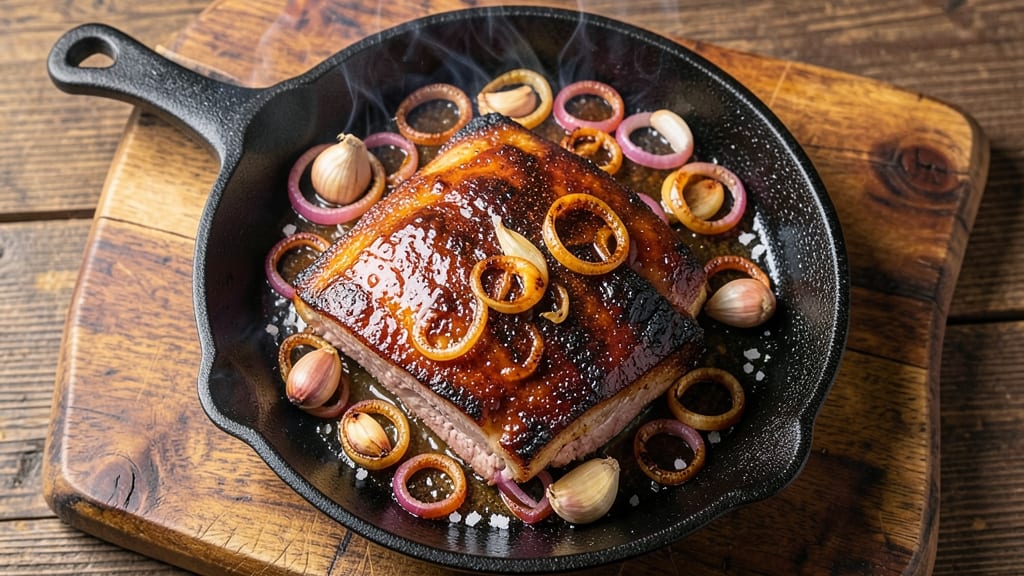
This smoked pork shoulder recipe transforms your pellet grill into a precision tool for restaurant-quality results—crispy bark that cracks under your fingers and meat so tender it falls apart at the touch. I've been perfecting this method for years, blending French technique with pitmaster patience to create a dish that's foolproof for your Traeger or Camp Chef. The secret lies in the bark phase and stall management, where temperature control makes all the difference.
We start with a simple but effective dry rub—just enough to create that coveted mahogany crust—then smoke the shoulder low and slow at 225–250°F until it reaches 195–203°F internal temperature. The pellet grill's consistent heat eliminates guesswork, giving you perfect results every time without constant monitoring.
I've tested this on both Traeger and Camp Chef models, and the settings are straightforward once you understand the key phases.
What you'll end up with is a shoulder that's crispy on the outside and pull-apart tender inside, with enough moisture to keep every bite juicy. The bark develops during the final hours when we wrap it in butcher paper, creating that addictive texture without drying out the meat.
This is the kind of pork that disappears from your table faster than you can say "second helping."
Serve it sliced thin over baked beans, piled high on a bun with coleslaw, or as the centerpiece of your next backyard feast. The versatility is what makes this recipe a crowd-pleaser—it's equally at home at a tailgate or a family dinner.
Let's get started on creating your best smoked pork shoulder yet.
Ingredients for best smoked pork shoulder recipe pellet grill
Eight pounds of pork shoulder and a handful of pantry staples—this is your ticket to show-stopping smoked pork.
| Ingredient | Amount | Notes |
|---|---|---|
| Pork Shoulder (Bone-In) 🥓 | 8 lb | Trimmed of excess fat, bone-in preferred |
| Yellow Onion 🧅 | 1 whole | Cut into large chunks for rub |
| Garlic Cloves 🧄 | 8 cloves | Minced for dry rub |
| Smoked Paprika 🌶️ | 2 tbsp | For mahogany crust |
| Brown Sugar 🍯 | 2 tbsp | Light or dark variety |
| Kosher Salt 🧂 | 1 ½ tbsp | Diamond Crystal preferred |
| Black Pepper 🌶️ | 1 tbsp | Freshly ground |
| Ground Cumin 🌿 | 1 tbsp | Toasted for depth |
| Apple Cider Vinegar 🍎 | 2 tbsp | For spritzing during cook |
| Butcher Paper 📄 | 1 sheet | For final bark development |
| Yellow Mustard 🍯 | 2 tbsp | For wrapping application |
| Wood Pellets 🌳 | 4 lb | Hickory or apple preferred |
The pork shoulder is the star here, and bone-in is non-negotiable—it holds up better to the long cook and adds flavor. Look for a cut with good marbling at Costco or your local butcher shop. If you're buying from the grocery store, check the label for 'picnic cut' or 'Boston butt' (they're the same thing). Trim off any hard fat or silverskin before applying the rub—this helps the bark develop evenly. I always buy extra because it's worth having leftovers for sandwiches later. For the wood pellets, Traeger's hickory or Camp Chef's apple are my go-tos, but any quality brand will work.
No smoked paprika? Regular paprika plus a pinch of liquid smoke gets you close. Running short on brown sugar? White sugar plus a splash of molasses works in a pinch. The apple cider vinegar is key for spritzing—it helps keep the meat moist during the stall. If you're out, white vinegar or even apple juice will do. For the butcher paper, Kraft paper is a budget-friendly alternative, but butcher paper gives that perfect crisp. Pro tip: Toast your ground cumin in a dry pan for 30 seconds before mixing—it adds a whole new level of flavor (trust me on this).
This recipe is all about patience—plan for 12-16 hours depending on your grill. The shoulder keeps beautifully in the fridge for 5-6 days wrapped tightly in butcher paper, and it actually gets better as it rests. For leftovers, slice thin and reheat in a 350°F oven for 20-30 minutes with a splash of broth. Freeze portions for up to 3 months—just thaw overnight in the fridge before reheating. I always make a double batch because it disappears faster than you can say 'second helping.'
Why You'll Love This Recipe
- Sweet-Smoky Magic: That caramelized crust from the brown sugar and onion? It’s ridiculously good—deep, smoky, with just enough sweetness to make your taste buds happy. The bone-in cut keeps it juicy, and the paprika adds that warm, earthy punch.
- Weeknight or Party Star: Between us, this is my go-to for game days, potlucks, or lazy Sundays. Shred it for tacos, sandwiches, or just eat it straight off the bone—it’s always a crowd-pleaser, even when I’m too tired to impress.
Step-by-step instructions for smoked pork shoulder on pellet grill
Here's how to transform that 8 lb pork shoulder into melt-in-your-mouth perfection with that coveted mahogany bark.
Prepare the Rub and Season the Pork
Start by trimming any excess fat from the pork shoulder, leaving about ¼ inch of fat cap intact—this protects the meat during the long cook. In a medium bowl, combine the 2 tbsp smoked paprika, 2 tbsp brown sugar, 1.5 tbsp kosher salt, 1 tbsp black pepper, and 1 tbsp ground cumin. Mix well until the spices are evenly distributed and the sugar dissolves slightly.
Generously coat the pork shoulder with the dry rub, pressing it into every nook and cranny so it adheres well. Don't skip this step—it ensures maximum flavor penetration. Place the seasoned pork in a shallow dish and let it sit at room temperature for 30 minutes before smoking. This allows the rub to meld with the meat and prevents cold spots that can lead to uneven cooking.
Set Up the Pellet Grill
Fill the pellet hopper with the 4 lb wood pellets—I recommend hickory or apple for a balanced smoke flavor. Set your pellet grill to 225°F and let it preheat for 15-20 minutes until you see clean, blue smoke wafting from the grill. This temperature is crucial for that low-and-slow cook that develops deep, tender flavors without drying out the meat.
Once the grill reaches temperature, place the pork shoulder fat-side up on the grill grates. The fat will render slowly and baste the meat as it cooks, contributing to that irresistible bark. Close the lid and resist the urge to check on it too often—every time you open it, you lose heat and add unnecessary time to the cook.
Smoke and Spritz for Moisture
Smoke the pork shoulder undisturbed for 6-8 hours, or until the internal temperature reaches 165-170°F. This is where the magic happens—the collagen in the meat breaks down into gelatin, creating that pull-apart tenderness. During this time, prepare the apple cider vinegar spritz by mixing the 2 tbsp apple cider vinegar with ¼ cup hot water in a spray bottle.
Starting at the 4-hour mark, spritz the pork shoulder every hour with the vinegar mixture. This keeps the surface moist, preventing a dry bark while still allowing smoke to penetrate. The vinegar also adds a subtle tang that complements the rich, smoky flavors. You'll know it's time to wrap when the pork hits the stall—where the internal temperature stops rising despite the heat.
Wrap and Finish for Perfect Texture
When the internal temperature hits 165-170°F, it's time to wrap the pork shoulder. In a small bowl, mix the 2 tbsp yellow mustard with 1 tbsp water to create a thin paste. Spread this evenly over the pork shoulder, then wrap it tightly in the 1 sheet butcher paper, folding the edges to seal it completely. This technique, known as the "Texas crutch," helps you power through the stall while maintaining that crispy bark.
Return the wrapped pork to the pellet grill and continue smoking until the internal temperature reaches 203°F—this ensures the meat is fork-tender and juicy. The butcher paper allows the pork to breathe just enough to develop that beautiful bark while keeping the meat moist. This final stage typically takes 2-3 hours, but don't rush it. Patience is key to achieving that perfect balance of tenderness and texture.
Rest and Slice for Maximum Juiciness
Once the pork reaches 203°F, remove it from the pellet grill and let it rest for 1-2 hours before slicing. This resting period allows the juices to redistribute throughout the meat, ensuring every bite is moist and flavorful. Tent the pork loosely with foil to keep it warm during the rest.
To serve, slice the pork shoulder against the grain into ¼-inch thick slices. The meat should pull apart easily with minimal resistance, and each slice should be generously coated in that dark, mahogany bark. Serve immediately with your favorite sides—mashed potatoes, coleslaw, or crusty bread to soak up all that delicious smoky juice. You've just created a showstopping centerpiece that will have everyone asking for seconds!
Pro Tips For Making Best Smoked Pork Shoulder Recipe Pellet Grill
- SPLICE THE FAT CAP: Cut the thickest layer of fat off the top of the pork shoulder before it hits the grill. I learned this the hard way—fat renders unevenly, leaving you with a greasy mess instead of a crispy crust. A clean cut means even browning and better smoke penetration.
- CHAR THE ONIONS FIRST: Sear sliced onions and minced garlic in a dry skillet until deeply caramelized before applying to the pork. The extra depth of flavor transfers directly to the meat, and it saves you from burning them on the grill. (Yes, even if you’re impatient like me.)
- DON’T PEEL THE GARLIC: Leave the skins on whole garlic cloves when smashing them onto the pork. They act as a natural barrier, preventing the cloves from burning into ash while still infusing flavor. Less cleanup, more aroma—sounds weird, but it works.
- WRAP AT 165°F: Stop the smoke, wrap the shoulder in foil at 165°F, and let it rest for 30 minutes before finishing. I used to push it to 200°F, but the meat gets dry and loses texture. This method guarantees tender, pull-apart perfection without guesswork.
Pro cooking tips for best smoked pork shoulder recipe pellet grill
Pellet Grill Temp Control
Your pellet grill's secret weapon is consistent temperature—set it to 225°F for the bark phase, then hold steady. I use a dual-probe thermometer (like the Traeger GrillPro) to monitor both the grill temp and pork's internal temperature.
On Traeger models, select Hickory pellets and adjust the fan speed to medium for even smoke distribution. Camp Chef users should use Apple pellets and set the smoke setting to "Medium"—this balances flavor without overpowering the meat. 🌡️
Bark Development Tricks
For that crispy mahogany crust, focus on the final 2 hours of cook time. After wrapping in butcher paper, increase the grill temp to 250°F for the last hour to accelerate bark formation.
I also sprinkle a pinch of coarse kosher salt on the wrapped pork just before the final hour—this draws out moisture for extra crispiness. Pro move: Use hickory pellets for the last 30 minutes if you want deeper smoke flavor in the bark.
Stall Management
The stall (when internal temp plateaus around 165°F) is where most pellet grill cooks fail. My go-to fix? The Texas Crutch: Wrap the pork in butcher paper with a thin layer of yellow mustard (mixed with water) to create steam.
This pushes the temp back up to 203°F without drying the meat. On Camp Chef grills, I sometimes increase the fan speed to high during the stall to maintain airflow—this helps maintain consistent heat.
Pellet Grill Brands
Not all pellet grills behave the same! Traeger models (like the Ironwood 650) hold temps better but require more frequent pellet refills. Camp Chef Woodwind grills have better airflow control, making them ideal for bark development.
I've found that Traeger's PID controller (Pro 780) gives the tightest temp control—essential for perfect results. For budget options, the Green Mountain Davy Crockett works well but needs more monitoring. Always preheat for 15-20 minutes before cooking to stabilize temps.
Spritzing Schedule
Timing your spritz is everything—I use apple cider vinegar (mixed with hot water) every 60 minutes starting at the 4-hour mark. This keeps the surface moist without steaming the meat.
For extra flavor, I add 1 tsp smoked paprika to the spritz mix during the last 2 hours of cook time. On windy days, I increase spritzing to every 45 minutes to compensate for heat loss. The key is consistency—set a timer so you don't forget!
Nutrition facts
Frequently asked questions
What's the ideal internal temperature for pulled pork?
For that perfect balance of tenderness and texture, aim for 195–203°F internal temperature. At 195°F, the meat is fork-tender but still holds its shape when sliced. Pushing to 203°F gives you that classic pulled-pork texture that falls apart effortlessly. A meat thermometer is your best friend here—insert it into the thickest part of the meat, avoiding fat or bone.
Can I use a different wood pellet flavor?
While I recommend hickory or apple for this recipe, you can experiment with cherry for a sweeter note or pecan for a nutty depth. Just avoid fruitwoods like mesquite—they're too strong and can overpower the pork. Pro tip: Mix 50% hickory with 50% cherry for a balanced, slightly sweet smoke flavor that pairs beautifully with the pork's richness.
How do I know when the pork shoulder hits the stall?
You'll know you've hit the stall when your pork's internal temperature stops rising despite maintaining a steady 225°F grill temperature. This usually happens around 165–170°F. The key is to watch your thermometer closely—when the temperature plateaus for 30+ minutes, it's time to wrap the pork in butcher paper with that yellow mustard mixture. This is where the Texas Crutch technique saves the day!
What's the best way to reheat leftover smoked pork?
For maximum juiciness, slice the pork thinly and reheat in a 350°F oven for 20–30 minutes with a splash of apple juice or broth. Avoid microwaving—it turns the meat rubbery. For sandwiches, I like to warm the pork in a skillet over medium-low heat with a pat of butter for extra flavor. Store leftovers in the fridge for up to 5–6 days or freeze for 3 months.
Why does my pellet grill struggle with temperature consistency?
Most pellet grills need time to stabilize. Always preheat for 15–20 minutes before cooking to let the grill find its target temperature. If you're still having issues, check your pellets—wet or old pellets burn inconsistently. For Traeger models, try adjusting the fan speed to medium for better airflow. On windy days, close off unused burners or use a wind guard. Remember, pellet grills are designed for low-and-slow cooking—rushing the process leads to temp fluctuations.