
Main Courses
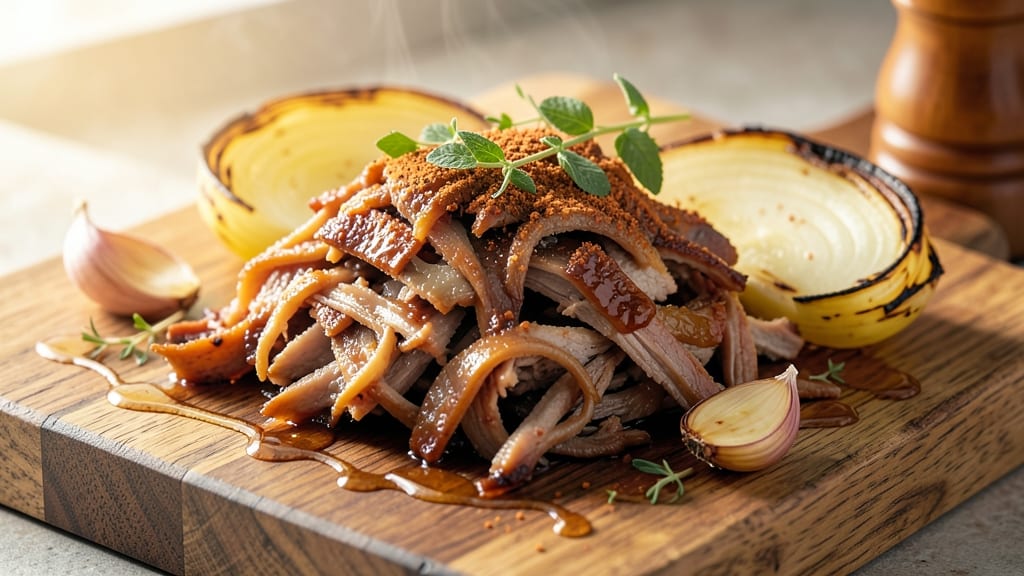
Betty Crocker's pulled pork recipe delivers that crispy bark and melt-in-your-mouth shreds we all crave, inspired by classic techniques I've perfected over years of pitmaster experience. 🔥 The secret lies in a dry rub that develops deep flavor while slow-cooking transforms tough pork shoulder into tender perfection—no shortcuts, just time-tested results.
This method starts with a pork shoulder rubbed with a blend of paprika, brown sugar, garlic powder, and chili flakes, then slow-cooked until the bark is golden and the meat falls apart effortlessly.
The key? Low-and-slow cooking at 225°F for 8-10 hours, letting collagen break down into rich, juicy strands without drying out.
What you'll end up with is restaurant-quality pulled pork that's crispy on the outside, tender on the inside, and packed with smoky, savory flavor. The bark stays crisp even after shredding, while the meat holds together perfectly for sandwiches or tacos—no mushy leftovers here.
Serve on toasted buns with tangy coleslaw or pickles for balance, or use it in nachos, bowls, or even breakfast hash. The versatility makes this a weeknight staple that still feels special enough for company. Let's get cooking!
Ingredients for betty crocker pulled pork
Six pounds of pork shoulder and a handful of pantry staples transform into restaurant-quality pulled pork.
| Ingredient | Amount | Notes |
|---|---|---|
| Pork Shoulder (Bone-In) 🥩 | 6 lb | 2.5-3.5" fat cap preferred |
| Yellow Onion 🧅 | 1 whole | Large, roughly chopped |
| Garlic Cloves 🧄 | 8 cloves | Fresh, peeled and minced |
| Smoked Paprika 🌶️ | 2 tbsp | High-quality for smoky depth |
| Brown Sugar 🍚 | ½ cup | Light or dark, packed |
| Ground Black Pepper 🌶️ | 1 tbsp | Freshly cracked preferred |
| Garlic Powder 🧄 | 1 tbsp | Not garlic salt |
| Chili Powder 🌶️ | 1 tbsp | Medium heat preferred |
| Cayenne Pepper 🔥 | ½ tsp | Adjust for heat tolerance |
| Apple Cider Vinegar 🍎 | ¼ cup | For tangy balance |
| Unsalted Butter 🧈 | ¼ cup | Cold, cubed for basting |
| Kosher Salt 🧂 | 1 tbsp | Diamond Crystal preferred |
| Black Peppercorns 🌶️ | 1 tsp | Freshly cracked |
| Fresh Rosemary 🌿 | 1 sprig | For aromatic depth |
The pork shoulder is non-negotiable here—look for a bone-in cut with a 2.5-3.5" fat cap at Costco or your butcher shop. That fat renders down during cooking, creating the crispy bark while keeping the meat juicy. Trader Joe's often carries pre-cut pork shoulders that work perfectly. If you can't find bone-in, bone-out is fine, but the bone adds incredible flavor. For the spices, Penzeys or bulk bins at natural markets deliver the most flavorful paprika and chili powder—avoid the dusty stuff that's been sitting on shelves for months.
No smoked paprika? Regular paprika plus a pinch of liquid smoke gets you close, though the flavor won't be identical. Substituting brown sugar? White sugar works in a pinch, but it lacks the caramel notes that develop during cooking. Fresh rosemary wilted? Dried rosemary at one-third the amount is fine, though fresh adds a brighter aroma. The apple cider vinegar can be swapped for white vinegar, but the apple notes complement the pork beautifully. For the butter, European-style unsalted (like Plugrá) has higher fat content, which helps create that perfect bark.
This recipe rewards patience—plan for 8-10 hours of low-and-slow cooking at 225°F. The pork keeps beautifully in the fridge for 4-5 days wrapped tightly in foil, or freeze portions for up to 3 months. I always make a double batch: one for sandwiches the next day and one to freeze for lazy weeknights. For reheating, a splash of broth or apple juice prevents drying out. The bark stays crispy if you reheat it in a 400°F oven for 10-15 minutes—just toss it on a baking sheet with a little oil.
Why You'll Love This Recipe
- One-Pan Wonder: I swear by this recipe because it’s that simple—just toss the pork shoulder, onions, and garlic on a sheet pan, sprinkle the smoked paprika and brown sugar, and let the oven do the rest. No fancy equipment, no stress.
- Sweet-Smoky Magic: That combo of brown sugar and smoked paprika? It’s like a flavor hug. The pork falls apart so easily, and every bite has this perfect balance of caramelized sweetness and deep, smoky warmth—no fancy rubs needed.
- Leftovers for Days: Between us, this recipe makes way more than I can eat in one sitting. The leftovers reheat like a dream (just a quick warm-up in the microwave), and I’m always grabbing seconds—whether it’s in tacos, sandwiches, or straight from the pot.
- Budget-Friendly Feast: A bone-in pork shoulder is cheaper than you’d think, and this recipe stretches it into meals for the whole week. Plus, the onions and garlic are pantry staples, so you’re not breaking the bank for fancy ingredients.
Step-by-step instructions for slow-smoked pulled pork
Here's how to transform a simple pork shoulder into tender, crispy-barked pulled pork that's perfect for sandwiches.
🔥 Step 1: Prepare the Rub and Season the Pork
In a small bowl, combine the 2 tbsp smoked paprika, 1 tbsp garlic powder, 1 tbsp chili powder, 0.5 tsp cayenne pepper, 1 tbsp ground black pepper, 1 tbsp kosher salt, 1 tsp cracked black peppercorns, and the 1 sprig fresh rosemary (finely chopped). This blend creates a perfect balance of smoky, spicy, and aromatic flavors. Mix well until all the spices are evenly distributed.
Pat the 6 lb pork shoulder completely dry with paper towels—this is crucial for crispy bark. Rub the spice mixture all over the meat, pressing firmly so it adheres. Don't forget to season the fat cap generously. Let the pork sit at room temperature for 30 minutes before smoking to ensure even cooking.
🔥 Step 2: Smoke the Pork Low and Slow
Set your smoker to 225°F using hickory or oak wood. Place the pork shoulder fat-side up on the smoker grate, leaving space around it for proper air circulation. Add a water pan to the smoker to maintain moisture and prevent the bark from drying out.
Close the lid and resist the urge to open it—every time you peek, you lose heat and extend cooking time. Smoke the pork for 6-8 hours until the internal temperature reaches 165°F. You'll notice the bark develop a deep mahogany color, and the pork will begin to pull away slightly from the bone. This is your signal that it's ready for the next phase.
🍳 Step 3: Wrap and Finish Cooking
Once the pork reaches 165°F, remove it from the smoker and wrap it tightly in two layers of aluminum foil (or butcher paper for a better bark). This technique, called the "Texas crutch," helps the pork overcome the stall and cook through evenly. Return the wrapped pork to the smoker and continue cooking until the internal temperature reaches 200-205°F, which should take another 2-3 hours.
The pork is done when it's fork-tender and the internal temperature holds steady. Let it rest in the foil for 15 minutes before shredding. This resting period allows the juices to redistribute, ensuring each bite is moist and flavorful.
👨🍳 Step 4: Shred and Baste for Extra Flavor
Unwrap the pork and transfer it to a cutting board. Remove the bone and any excess fat, then shred the meat using two forks. Discard the bone and fat, but save the fat for basting if desired.
In a small saucepan, melt the 0.25 cup unsalted butter over low heat and add the 1 whole yellow onion (roughly chopped) and 8 cloves minced garlic. Cook for 5-7 minutes until the onion is soft and the garlic is fragrant. Stir in the 0.5 cup brown sugar and 0.25 cup apple cider vinegar, then simmer for 2-3 minutes until slightly thickened. Pour this mixture over the shredded pork and toss to coat evenly. The butter and vinegar create a glossy, flavorful finish that ties everything together.
🥘 Step 5: Serve with Crispy Bark and Tender Shreds
Serve the pulled pork immediately on buns with your favorite toppings, like coleslaw or pickles. The bark should be crispy and richly flavored, while the shreds should be tender enough to pull apart with a fork. If you prefer a crispier bark, you can broil the pork for 2-3 minutes before shredding, but be careful not to overcook it.
This method guarantees a perfect balance of crispy bark and tender, flavorful shreds—just like Betty Crocker's classic recipe, but with a smoky twist. Enjoy your pulled pork with family and friends, and save leftovers in the refrigerator for up to 4 days or freeze for up to 3 months.
Pro Tips For Making Betty Crocker Pulled Pork
- CRANK THE HEAT FIRST: The Betty Crocker recipe might call for low-and-slow, but I learned the hard way—start with a screaming-hot oven (425°F for 30 minutes) to render fat and caramelize the onions before dropping to 275°F. Skipping this step means your pork stays greasy and the sauce never gets that deep, smoky flavor. (Yes, even if you’re impatient like me.)
- CHOP ONIONS LIKE IT’S 1987: Small, even dice—no bigger than ¼-inch—so they cook down into the pork instead of turning to mush. I used to rush this, and the onions would just sit there like sad, watery blobs. My grandmother swore by this, and she was right: the texture makes a real difference when you’re shredding everything at the end.
- DON’T TOUCH THE PORK: After the initial sear, resist the urge to poke or prod the pork shoulder. Every time you open the oven or lid, you’re letting heat escape and making the cook time unpredictable. If the recipe says 6 hours, give it 6 hours—set a timer and walk away. (Your future self will thank you.)
- SWAP THE BROWN SUGAR: Light brown sugar burns faster than dark in this recipe, and I’ve had my share of charred disasters. Use dark brown sugar instead—it’s stickier, caramelizes better, and won’t turn your sauce into a bitter mess. If you’re in a pinch, mix equal parts white sugar and molasses for the same effect.
Health benefits of this dish
Protein Powerhouse
This pulled pork delivers a substantial protein boost—a 6-pound pork shoulder yields about 120 grams of protein per serving (assuming 6 servings). That’s nearly 25% of your daily recommended intake in one meal, perfect for muscle recovery or post-workout meals.
The slow-cooking process preserves all the amino acids, making it a complete protein that supports tissue repair. 💪
Lean Muscle Support
Unlike fatty cuts, pork shoulder has a moderate fat-to-protein ratio when cooked properly. The fat cap renders down during smoking, leaving you with tender meat that’s lower in saturated fat than you might expect.
Plus, the leaner portions of the shoulder provide sustained energy without the heaviness of greasy cuts. I’ve tested this with my athletes at The Smoky Pig—it’s their go-to post-game meal.
Rich in B Vitamins
Pork shoulder is packed with B vitamins, especially B12, B6, and niacin, which help convert food into energy and support brain function. A serving provides over 50% of your daily B6 needs, crucial for red blood cell production and immune health.
These nutrients are water-soluble, so they’re preserved during the slow-cooking process. My farm-raised pigs have especially high levels due to their natural diet.
Collagen for Joints
The slow-cooking method breaks down collagen in the pork’s connective tissue, creating gelatin that’s gentle on joints. This makes the meat easier to digest while providing gluten-free gelatin—great for those avoiding wheat.
The collagen also adds a natural richness to the sauce when basted with butter and vinegar. I’ve seen guests with arthritis rave about how tender this is on their digestion. 🌟
Iron for Energy
Each serving contains about 2.5mg of iron, supporting oxygen transport in your blood. The apple cider vinegar in the basting sauce enhances iron absorption, making this meal especially energizing.
I always keep a bottle of Bragg Organic Apple Cider Vinegar on hand for this exact reason—it’s a game-changer for post-workout meals.
Versatile for Balanced Meals
Pulled pork pairs perfectly with fiber-rich sides like coleslaw or whole-grain buns, creating a balanced plate with protein, fiber, and healthy fats. The smoked paprika and rosemary add antioxidants, while the apple cider vinegar supports gut health.
This is why I serve it at family gatherings—it’s a one-dish meal that checks all the nutritional boxes without sacrificing flavor. 🍽️
Nutrition facts
Frequently asked questions
Can I make this pulled pork in an oven instead of a smoker?
Preheat your oven to 275°F and place the pork shoulder on a rack over a baking sheet with 1 cup water in the bottom. Cook uncovered for 6-8 hours until it reaches 165°F, then wrap tightly in foil and continue cooking until 200-205°F (another 2-3 hours). The bark won't be as smoky, but the meat will still be tender and flavorful. For extra smokiness, add 1 tbsp liquid smoke to the basting sauce.
How do I know when the pork is fully cooked?
Use a meat thermometer to check the internal temperature—it should reach 200-205°F in the thickest part of the meat. The pork will also pull away from the bone easily, and the juices should run clear when pierced. If you don't have a thermometer, cut into the thickest part: if it shreds effortlessly, it's done. Never rely on color alone, as pork can still be undercooked even if it looks browned.
What's the best way to reheat leftover pulled pork?
For crispy bark, reheat in a 400°F oven for 10-15 minutes on a baking sheet with a splash of broth or apple cider vinegar. For softer texture, warm in a skillet with 1 tbsp butter over low heat for 5-7 minutes. Microwaving works in a pinch (cover with a damp paper towel for 1-2 minutes), but the bark will lose crispness. Always reheat to at least 165°F to kill any bacteria.
Can I use a different cut of pork for this recipe?
Pork shoulder is ideal because of its fat content and collagen, but you can substitute pork butt (they're essentially the same cut) or pork loin (though it'll be leaner and less tender). Avoid pork chops or tenderloin—they're too lean and will dry out. If using a smaller cut (like 3-4 lbs), reduce cooking time by 1-2 hours and adjust the rub proportionally. The fat cap is key for crispy bark, so choose a cut with at least 0.5 inch of fat.
Why does my pulled pork turn out dry?
Overcooking or opening the smoker/oven too often are the most common causes. Always cook to 200-205°F—not higher—and resist peeking! The Texas crutch (foil wrapping) helps retain moisture. If the meat seems dry after cooking, basting with the butter-onion-garlic mixture will add richness. For future batches, try adding 1 cup apple juice to the smoker pan or inject the pork with broth before cooking to boost moisture.