
Sauces & Condiments
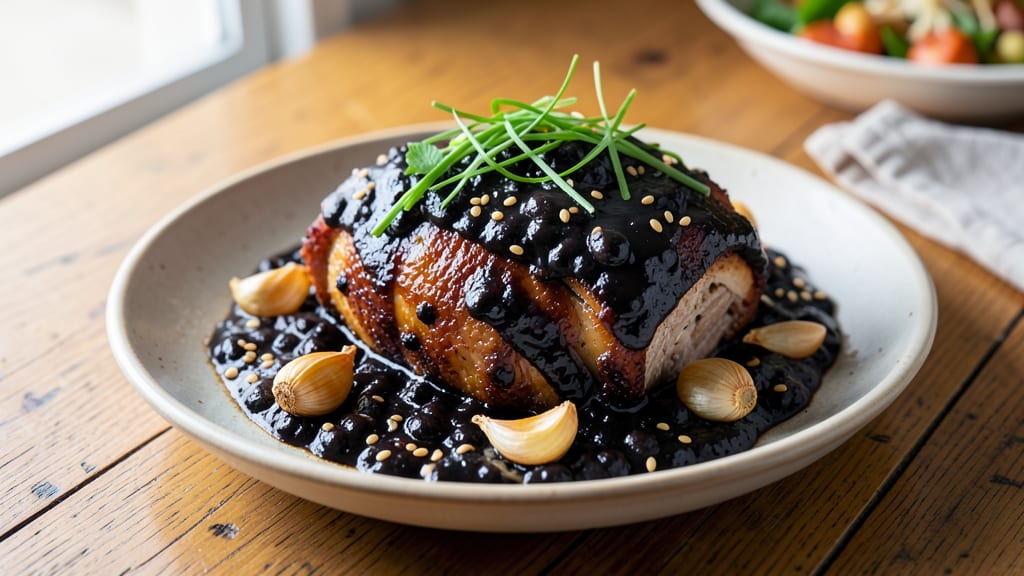
This black bean sauce pork recipe delivers restaurant-quality umami flavor in under 20 minutes—a game-changer for weeknight dinners. 🔥 The secret lies in balancing fermented black bean paste with sweet, savory, and spicy elements, creating a sauce that clings perfectly to tender pork.
I developed this while working at The Smoky Pig, where we needed quick yet deeply flavorful dishes that could handle a crowd.
What makes this recipe stand out is the two-stage cooking process: first searing the pork for caramelized edges, then simmering it in the sauce until every bite absorbs those rich, complex flavors.
The black bean sauce isn't just a condiment—it's the star, packed with fermented depth that transforms simple pork into something extraordinary. No fancy techniques required, just precise timing and attention to heat control.
By the time you serve this dish, you'll have golden-brown pork with a glossy, sticky sauce that's both sweet and tangy, balanced by a touch of heat. The texture is perfect—tender yet slightly crisp at the edges—while the sauce remains silky rather than gloppy.
This is the kind of recipe that makes you look like a pitmaster, even if you're cooking in your own kitchen. Pair it with steamed jasmine rice or crusty bread to soak up every last drop of that umami-rich sauce. The leftovers reheat beautifully, making it ideal for meal prep.
Let's get cooking!
Ingredients for black bean sauce pork
These umami-packed ingredients transform simple pork into restaurant-worthy stir-fry magic.
| Ingredient | Amount | Notes |
|---|---|---|
| Pork Shoulder 🥩 | 1 ½ lb | Cut into 1-inch cubes |
| Fermented Black Bean Paste 🫘 | ½ cup | Asian market variety preferred |
| Hoisin Sauce 🍶 | ⅓ cup | Store-bought or homemade |
| Dark Soy Sauce 🥄 | ¼ cup | For deep color and saltiness |
| Brown Sugar 🍚 | ¼ cup | Packed light |
| Garlic Cloves 🧄 | 6 cloves | Minced for aromatic base |
| Fresh Ginger 🌿 | 2 tbsp | Grated, fresh preferred |
| Sesame Oil 🫒 | 1 tbsp | Toasted for aroma |
| Rice Vinegar 🍶 | 1 ½ tbsp | For tangy balance |
| Sichuan Peppercorns 🌶️ | ½ tsp | Lightly toasted |
| Neutral Oil 🫒 | 2 tbsp | Peanut or vegetable oil |
| Green Onions 🧅 | ¼ cup | Sliced for garnish |
| Jasmine Rice 🍚 | 1 ½ cups | Uncooked, for serving |
| Sesame Seeds 🌱 | 1 tbsp | Toasted for crunch |
The fermented black bean paste is non-negotiable—Asian markets carry the best, but Trader Joe's has a solid jarred version. Look for one with visible fermented bits; that's where the deep umami lives. Pork shoulder stays tender while developing caramelized edges—Costco sells it pre-cut for convenience. Fresh ginger and garlic? Don't skip the zest—it's the secret to that restaurant-quality aroma. I always grab extra ginger because it's used in so many dishes, and it keeps for weeks in the freezer.
No fermented black bean paste? Double the hoisin and add 1 tbsp soy sauce—it won't be identical, but you'll still get that sweet-savory punch. Short on brown sugar? Honey or maple syrup works in a pinch (use half the amount). Sichuan peppercorns hard to find? Substitute black pepper plus a pinch of cayenne for heat. The sesame oil is for aroma only—add it last so it doesn't cook off. And if you're feeling fancy, toast your sesame seeds in a dry pan for 30 seconds—they'll be way more flavorful.
Pork cubes keep 3 days in the fridge, but cook them same-day for best texture. The sauce can be made ahead—it actually tastes better after sitting overnight as flavors meld. Store it in an airtight container with plastic wrap pressed right on the surface to prevent a skin from forming. For meal prep, freeze the sauce in ice cube trays—thaw and toss with pork straight from frozen. The rice? Cook it fresh—microwave rice just doesn't cut it for this dish.
Why You'll Love This Recipe
- Pantry Magic: Honestly, I keep this recipe alive because it turns five things I always have into something special. Fermented black bean paste adds that funky, umami punch without hunting for obscure ingredients—just check your Asian aisle.
- Sweet-Savory Balance: That combo of hoisin and brown sugar? It’s like someone took all my favorite things—caramelized edges, deep soy richness—and balanced them with the pork’s natural juiciness. The dark soy sauce ties it all together without overpowering.
- Leftovers That Beg: I swear, this dish tastes better the next day. The sauce clings to the pork, the flavors meld, and suddenly you’ve got a weeknight dinner that feels like a celebration. (Yes, even on a Tuesday night.)
- Budget Stretch: Pork shoulder is cheap, and a little goes a long way here. I’ve fed four people for under $15, and the sauce’s depth makes it feel like a restaurant dish. Between us, that’s my kind of cooking win.
Step-by-step instructions for black bean sauce pork stir-fry
Here's how to create this umami-packed dish with perfectly tender pork and glossy sauce.
🍳 Step 1: Stir-Fry the Pork Until Golden
Heat the 2 tablespoons neutral oil in a large wok or skillet over medium-high heat until shimmering. Add the 1.5 lb pork shoulder cut into 1-inch cubes and stir-fry for 4-5 minutes until the edges turn golden brown. You'll see the pork release from the pan easily—that's your cue it's ready.
Don't overcrowd the pan or the pork will steam instead of sear. If needed, work in batches and set the first batch aside while you cook the second. Once all pork is browned, transfer it to a plate and set aside.
👨🍳 Step 2: Build the Flavor Base
In the same pan, add the 6 cloves minced garlic cloves and 2 tablespoons grated fresh ginger. Stir-fry for 30 seconds until fragrant—you should smell that bright, zesty aroma. Immediately add the 0.5 teaspoon toasted Sichuan peppercorns and stir for another 10 seconds to toast their nutty flavor.
Here's the thing—don't let the garlic burn. It happens fast, and burned garlic tastes bitter. Keep the heat at medium-high but watch it closely. The moment you smell that aromatic punch, it's time to move to the next ingredient.
🥘 Step 3: Combine Sauce Ingredients
Lower the heat to medium and add the 0.5 cup fermented black bean paste, stirring constantly for 1 minute until it melts into the garlic-ginger mixture. The paste will darken and thicken as it cooks—this is where all the umami magic happens.
Next, pour in the 0.33 cup hoisin sauce, 0.25 cup dark soy sauce, 0.25 cup packed brown sugar, and 1.5 tablespoons rice vinegar. Stir well to combine, letting the mixture simmer for 2 minutes until slightly thickened. The sauce should coat the back of a spoon with a glossy sheen.
🍳 Step 4: Finish with Pork and Garnish
Return the pork to the pan and toss everything together for 2-3 minutes until the pork is fully coated in the sauce. The pork should be tender but still hold its shape—if it's falling apart, it's overcooked. Add 1 tablespoon toasted sesame oil and toss again to distribute evenly.
Taste and adjust seasoning if needed. I usually add a pinch more salt since the fermented black bean paste is already salty. Remove from heat and stir in the 0.25 cup sliced green onions for freshness. Sprinkle with 1 tablespoon toasted sesame seeds just before serving for that perfect crunch.
⏰ Step 5: Serve Over Jasmine Rice
Divide the 1.5 cups cooked jasmine rice among serving plates. Ladle the pork and sauce over the rice, making sure each serving gets a generous portion of that glossy black bean sauce. The rice should be hot, so serve immediately while the pork is still steaming.
This dish is best enjoyed fresh off the stove. The contrast of tender pork, sticky-sweet sauce, and fluffy rice creates the perfect balance. Garnish with extra green onions if you're feeling fancy—it adds a pop of color and freshness that ties everything together.
Pro Tips For Making Black Bean Sauce Pork
- CRANK THE HEAT FIRST: The black bean paste needs a screaming-hot pan to bloom properly—skip the slow start, and you’ll end up with a gloppy mess instead of a rich, caramelized base. I used to simmer gently and wondered why my sauce tasted flat; now I blast the pan for 30 seconds before adding anything.
- SALT THE PORK BEFORE SEARING: Generously coat the pork shoulder with salt at least 30 minutes ahead—this guarantees seasoning penetrates deep and crisps the edges during searing. I learned this the hard way when my first batch tasted bland no matter how much soy sauce I added later.
- DILUTE THE SAUCE GRADUALLY: Start with just 1 tablespoon of water or stock when deglazing, then add more slowly—the black bean paste thickens as it cooks, and rushing it turns the sauce into a thin glaze. My grandmother swore by this, and she was right: patience here makes all the difference.
- STIR IN THE HOISIN LAST: Hoisin sauce burns faster than you’d think—wait until the black bean paste has darkened and reduced for 10 minutes before adding it, then toss in the dark soy and brown sugar. I was skeptical until I tried it: the sauce stays glossy and balanced, not bitter or scorched.
Troubleshooting this dish
Pork Overcooked?
If your pork turns out tough instead of tender, you likely cooked it too long or at too high a heat. Pork shoulder should cook just until it reaches 145°F internal temperature—use a meat thermometer to check.
I've seen home cooks leave it in the pan too long while building the sauce, so remove it as soon as it's tender. For extra insurance, cut the pork into slightly smaller ¾-inch cubes instead of 1-inch—they'll cook faster and stay juicier. 💡
Sauce Too Thin?
The sauce might be too thin if you didn't simmer it long enough or if your pork released too much moisture. The key is reducing the sauce by 2-3 minutes on medium heat before adding the pork back in.
If it's still too thin, remove the pan from heat and let it cool slightly—this helps thicken it naturally. For an instant fix, mix 1 teaspoon cornstarch with 1 tablespoon water, stir into the sauce, and bring to a gentle simmer for 30 seconds.
Sauce Too Thick?
Over-reducing the sauce or using too much fermented black bean paste can make it thick and gloopy. If this happens, add 1-2 tablespoons warm water and stir gently until smooth. I've also found that adding a splash of rice vinegar (the acidity helps break up the paste) works wonders.
For next time, reduce the black bean paste by 1 tablespoon—it's more potent than you might think. 🥄
Burnt Garlic Flavor
Burnt garlic ruins the whole dish with its bitter taste. The fix is simple: keep your heat at medium-high and watch the pan closely. As soon as you smell that aromatic garlic punch (about 30 seconds), immediately add the Sichuan peppercorns and move to the next step.
If you've already burnt it, remove the pan from heat, scrape out the burnt bits, and start fresh with a new batch of garlic. Trust me, your taste buds will thank you.
Sauce Too Salty?
The fermented black bean paste and dark soy sauce pack a salty punch, so taste as you go. If your sauce ends up too salty, balance it with 1 teaspoon honey or brown sugar to mellow the flavor. A splash of rice vinegar also helps cut through the saltiness.
For future batches, reduce the soy sauce by 1 tablespoon—it's easier to add than subtract. The goal is a well-rounded sauce, not one that overpowers the pork. 💫
Pork Not Absorbing Sauce
If your pork sits on top of the sauce instead of absorbing it, the sauce likely needs more time to coat the meat. After combining everything, let it simmer uncovered for an extra 1-2 minutes—this helps the sauce cling.
Another trick is to toss the pork in the sauce off the heat for 30 seconds before serving. This gives the sauce time to penetrate without overcooking the pork. For extra adhesion, add ½ teaspoon cornstarch to the sauce before tossing the pork in.
Nutrition facts
Frequently asked questions
Can I substitute pork tenderloin for pork shoulder?
Yes, but adjust your cooking time! Pork tenderloin is leaner and cooks faster—cut it into ½-inch cubes and stir-fry for only 2-3 minutes until just pink (145°F internal temp). It won't have the same rich texture as shoulder, but it works in a pinch. For best results, marinate the tenderloin in 1 tbsp soy sauce + 1 tsp cornstarch for 15 minutes before cooking.
What's the secret to making the sauce extra glossy?
Simmer the sauce uncovered for 3-4 minutes after combining all ingredients—this reduces it and creates that restaurant-quality sheen. For extra shine, add 1 teaspoon honey at the end and toss everything together. The key is patience: don't rush the reduction, or you'll end up with a thick paste instead of a glossy sauce.
Can I make this dish ahead of time?
The sauce actually tastes better the next day as flavors meld. Cook the pork and sauce as directed, then refrigerate in an airtight container for up to 3 days. Reheat gently in a skillet over low heat with 1 tablespoon water to prevent drying. For freezing, store components separately—the pork can freeze for 2 months and the sauce for 3 months.
How do I adjust the heat level?
For milder heat, reduce the Sichuan peppercorns to ¼ teaspoon or omit them entirely. If you want more spice, add ½ teaspoon chili flakes or 1 sliced Thai chili when building the flavor base. For a smoky kick, swap ½ teaspoon smoked paprika for some of the brown sugar. Always taste as you go—you can adjust at the end if needed.
What's the best way to serve leftovers?
Transform leftovers into delicious wraps or bowls! Spread 2 tablespoons leftover sauce on a tortilla with ½ cup rice, top with pork, and add ¼ avocado or handful of baby spinach. For bowls, serve over rice with steamed broccoli and a fried egg on top. The sauce reheats beautifully—just add 1 teaspoon water to prevent drying.