
Main Courses
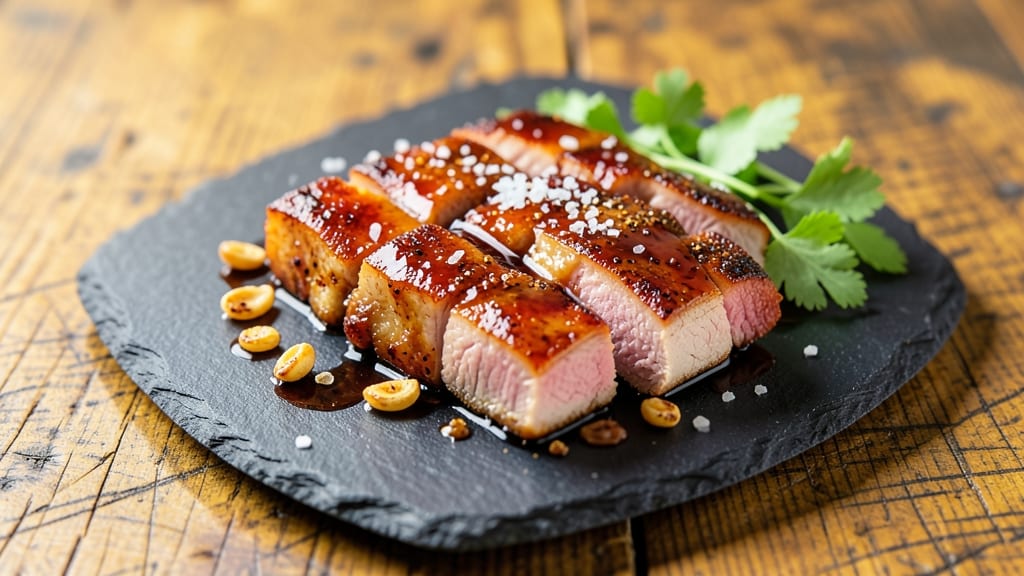
This black vinegar pork recipe delivers a perfect balance of crispy five-spice crust and tangy depth that transforms simple pork into something extraordinary. 🔥 I developed this dish after years of perfecting the interplay between sweet, sour, and umami—where black vinegar's bold acidity cuts through the richness while enhancing the pork's natural flavor.
The secret lies in marinating the pork overnight, allowing the black vinegar and five-spice blend to penetrate deeply for maximum flavor impact.
The result is pork with a crispy exterior that shatters with each bite, revealing tender meat inside. The black vinegar glaze caramelizes beautifully during cooking, creating a sticky, glossy finish that adds both visual appeal and complex flavor.
This recipe bridges traditional Chinese techniques with modern simplicity—no complicated steps, just layers of flavor that come together effortlessly.
What makes this dish truly special is how the black vinegar works its magic. It tenderizes the pork while adding a subtle tang that brightens every bite, balancing the sweetness of the glaze and the warmth of the five-spice.
The crust develops a satisfying crunch that gives way to juicy meat, creating a textural contrast that keeps each bite exciting.
Serve this pork over steamed jasmine rice or with stir-fried bok choy for a complete meal. The glaze also works beautifully as a sauce for noodles or dumplings. Here's how to create this restaurant-worthy dish at home—where every element comes together perfectly.
Ingredients for black vinegar pork
Fourteen ingredients transform simple pork into a restaurant-worthy masterpiece with crispy five-spice crust and tangy depth.
| Ingredient | Amount | Notes |
|---|---|---|
| Boneless Pork Shoulder 🐖 | 2 lb | Cut into 1.5-inch cubes |
| Black Vinegar 🍶 | ½ cup | High-quality, aged variety |
| Five-Spice Powder 🌶️ | 2 tbsp | Toasted for enhanced aroma |
| Brown Sugar 🍯 | ¼ cup | Light or dark preferred |
| Soy Sauce 🥢 | ¼ cup | Low-sodium preferred |
| Garlic Cloves 🧄 | 6 cloves | Minced for marinade |
| Fresh Ginger 🌿 | ½ cup | Finely grated, peeled |
| Sesame Oil 🫒 | 1 tbsp | Toasted for nutty depth |
| Cornstarch 🌾 | 2 tbsp | For crispy coating |
| Neutral Oil 🫒 | ½ cup | Peanut or vegetable oil |
| Green Onions 🧅 | 4 whole | Sliced, for garnish |
| Kosher Salt 🧂 | 1 ½ tsp | Diamond Crystal preferred |
| Ground Black Pepper 🌶️ | ½ tsp | Freshly cracked |
| Honey 🍯 | 1 tbsp | Wildflower preferred |
The pork shoulder is the foundation—look for cuts with good marbling at Whole Foods or your local butcher. Asian markets often carry premium black vinegar, but a high-quality bottle from Trader Joe's works perfectly. Five-spice powder should be toasted lightly in a dry pan before using to deepen its aroma. For the brown sugar, opt for light or dark—it caramelizes differently, altering the glaze's texture. The garlic and ginger should be vibrant, with no signs of sprouting or discoloration, ensuring maximum freshness in the marinade.
No black vinegar? Substitute rice vinegar with a pinch of molasses to mimic the depth, though the color will differ. Running short on five-spice? Mix equal parts cinnamon, star anise, cloves, fennel, and Szechuan peppercorn—it's a close approximation. The cornstarch can be swapped for arrowroot powder at the same ratio, though the texture may vary slightly. Fresh ginger is ideal, but dried ginger at half the amount works in a pinch. For the sesame oil, toast it first—heat in a small pan until fragrant, then cool before using to avoid overpowering the dish.
Marinate the pork overnight in the fridge for optimal tenderness. The black vinegar glaze can be made a day ahead and reheated gently before serving. Store any leftovers in an airtight container for up to 3 days, though it reheats best when portioned into individual servings. The crispy crust loses its crunch when reheated, so enjoy it fresh. Garnish with green onions right before serving to preserve their vibrant color and freshness.
Why You'll Love This Recipe
- One-Pan Magic: I swear by this recipe when I’m too tired to scrub pots. Toss the pork shoulder in a mix of black vinegar, five-spice, and soy sauce, then let the oven do the work—no flipping, no fuss. The black vinegar’s tang cuts through the richness, and the pork practically falls apart when sliced.
- Flavor Bomb: Between us, that first bite is ridiculously good. The five-spice powder adds warmth, the brown sugar caramelizes into a sticky glaze, and the black vinegar brings a deep, umami punch that lingers. It’s the kind of dish where my husband pauses mid-bite to nod like he’s just discovered something.
- Leftovers That Shine: Honestly, I make this on Sundays just to have it for the week. The pork stays juicy for days, and I’ll slice it thin for quick stir-fries or toss it into rice bowls. Even my picky kid asks for it—proof it’s versatile enough to survive any meal.
- Budget Meal Winner: Pork shoulder is cheap, and this recipe stretches it far. A single cut feeds four, and the black vinegar and spices cost pennies. I’ll be real: it’s my go-to when I’m pinching pennies, but it still tastes like I splurged. (Yes, even on a Tuesday night.)
Step-by-step instructions for black vinegar pork with five-spice crust
Transform tough pork shoulder into tender, crispy perfection with this balanced technique.
👨🍳 Step 1: Prepare the Black Vinegar Marinade
In a medium bowl, whisk together the 0.5 cup black vinegar, 0.25 cup soy sauce, 1 tbsp honey, 0.25 cup brown sugar, 1 tbsp toasted sesame oil, and 1.5 tsp kosher salt. The mixture should be thick and syrupy—this is your flavor foundation.
Add the 6 minced garlic cloves and 0.5 cup finely grated fresh ginger, stirring until fully incorporated. I like to let this marinade sit for 10 minutes at room temperature to allow the aromatics to bloom. The black vinegar will develop a deep, tangy aroma—this is exactly what we want for that signature glow.
🥘 Step 2: Coat the Pork and Rest
Cut the 2 lb boneless pork shoulder into 1.5-inch cubes (uniform size ensures even cooking). Place them in a large bowl and pour the marinade over, tossing gently to coat all surfaces. Let the pork marinate for at least 30 minutes, but I prefer 2 hours in the refrigerator for maximum flavor penetration.
While marinating, mix the 2 tbsp five-spice powder with 0.5 tsp ground black pepper in a small bowl. This dry rub will create our signature crispy crust. After marinating, remove the pork and pat it dry thoroughly with paper towels—this step is critical for achieving that perfect crispy exterior.
🔥 Step 3: Create the Crispy Five-Spice Coating
In a separate shallow dish, combine the 2 tbsp cornstarch with the five-spice mixture. Toss the marinated pork cubes in this mixture until they're evenly coated. The cornstarch will create a light, crispy crust while the five-spice adds that aromatic depth.
Heat 0.5 cup neutral oil in a large skillet over medium-high heat until it shimmers (350-375°F). Working in batches to avoid crowding, add the pork and cook for 3-4 minutes per side until the coating turns deep golden brown and crispy. You'll smell that five-spice aroma intensifying—this is your cue that the crust is forming properly.
🍳 Step 4: Braise Until Tender
Transfer the crispy pork to a Dutch oven or heavy pot. Pour in enough of the reserved marinade to come about halfway up the pork pieces. Bring to a simmer over medium heat, then reduce to low heat and cover with a tight-fitting lid.
Braise for 1 hour 15 minutes, stirring occasionally, until the pork is fork-tender. The internal temperature should reach 203°F—this is when the collagen breaks down and transforms into gelatin, making the meat incredibly tender. If the liquid reduces too much, add a splash of water to maintain moisture.
🍽️ Step 5: Finish and Garnish
Remove the pork from the braising liquid and transfer to a serving platter. Let it rest for 5 minutes before slicing—this allows the juices to redistribute. The exterior should be crispy while the interior remains juicy and tender.
Strain the braising liquid and reduce it by half over high heat until it thickens to a glossy glaze. Drizzle this tangy sauce over the pork, then garnish with 4 sliced green onions. Serve immediately with steamed rice or noodles to soak up that incredible black vinegar glaze.
Pro Tips For Making Black Vinegar Pork
- Marinate Pork Overnight: I learned this the hard way—skipping the overnight soak leaves the black vinegar and five-spice powder fighting for flavor instead of sinking deep. Toss the pork with half the vinegar and all the spices, then let it sit in the fridge. The acid and spices will tenderize the meat and make the glaze stick better later.
- Use Thick Black Vinegar: Thin vinegars water down your sauce and dilute that rich, smoky depth. Look for "aged" or "thick" black vinegar—it’s darker, syrupy, and packs more punch. If yours is runny, simmer it in a small pot until it reduces by half before adding it back to the pork.
- Sear in Batches: Crowding the pan steams the pork instead of browning it, and you’ll end up with a dull, gray glaze. Work in two batches over medium-high heat, giving each side 3-4 minutes until deep golden. The crust is what carries all that caramelized black vinegar goodness.
- Deglaze with Soy First: Sounds weird, but it works—I promise. After searing, splash in 1 tablespoon of soy sauce before adding the black vinegar. The soy’s salt helps break down the fond faster, and the combo with vinegar creates a glossier, more balanced sauce. Just don’t skip the brown sugar afterward—it’s the sweet contrast that ties everything together.
Perfect pairings for this dish
Rice Pairings
Steamed jasmine rice is my go-to pairing—its delicate floral aroma complements the bold black vinegar glaze without overpowering it. Cook 1 cup jasmine rice with 1.5 cups water and let it sit covered for 15 minutes after removing from heat.
The rice absorbs the tangy sauce beautifully, creating each bite's perfect balance. 💛
For a heartier option, try brown rice—its nutty texture contrasts nicely with the crispy pork crust. I like to toast 1 cup brown rice in 1 tbsp neutral oil for 2 minutes before adding liquid to enhance its natural flavor. The extra chewiness pairs wonderfully with the tender pork.
Vegetable Sides
Quick-pickled bok choy adds a refreshing crunch and brightens the rich pork flavors. Blanch 2 heads bok choy for 2 minutes, then shock in ice water. Toss with 1 tbsp rice vinegar, 1 tsp sugar, and ½ tsp sesame seeds for a tangy contrast.
The pickled flavor cuts through the sweetness of the glaze.
For something heartier, stir-fried garlic green beans work perfectly. Sauté 1 lb green beans in 1 tbsp sesame oil with 3 minced garlic cloves for 4-5 minutes until crisp-tender. Finish with a sprinkle of toasted five-spice powder to tie the flavors together.
Sauce Enhancements
Turn the leftover braising liquid into a black vinegar dipping sauce by whisking in 1 tbsp hoisin sauce and 1 tsp chili oil. This adds depth and a subtle heat that complements the pork's crispy exterior. Serve in small bowls for dipping or drizzling over rice.
For a smoother finish, reduce the braising liquid with 1 tbsp honey and ½ tsp grated ginger until it reaches a glossy consistency. This creates a silky glaze that can be drizzled over the pork or used as a sauce for noodles. The honey balances the acidity beautifully.
Beverage Pairings
A dry Riesling from Germany is my top wine choice—its crisp acidity mirrors the black vinegar's tang while the mineral notes cleanse the palate. Look for a Mosel Riesling with bright citrus flavors that won't overpower the dish. 🍷
For non-alcoholic options, jasmine iced tea with a splash of lemon is refreshing and balances the richness. Brew 2 tea bags in 2 cups hot water, chill, and serve over ice with 1 tbsp honey and a lemon wedge. The floral notes complement the five-spice crust perfectly.
Nutrition facts
Frequently asked questions
Can I substitute regular vinegar for black vinegar?
While you can use white vinegar or apple cider vinegar in a pinch, black vinegar's deep umami and slightly smoky notes are irreplaceable. For a closer substitute, mix rice vinegar with 1 tsp molasses or soy sauce per ½ cup vinegar to mimic the color and complexity. The dish will still taste good, but the signature tangy depth will be less pronounced.
How long can I marinate the pork?
Marinate for at least 2 hours for optimal flavor penetration, but you can safely leave it overnight in the refrigerator. The black vinegar tenderizes the meat while infusing it with flavor. If marinating longer than 12 hours, store the pork and marinade in a sealed container to prevent flavor absorption from the fridge.
What's the best way to achieve extra crispy pork?
Pat the pork very dry before coating with cornstarch—moisture is the enemy of crispiness! Use peanut or vegetable oil at 350-375°F and cook in small batches to avoid crowding. For extra crunch, broil the pork for 1-2 minutes at the end of cooking. The five-spice powder adds aroma, but the cornstarch creates the crispy texture.
Can I make this recipe with pork tenderloin instead?
While pork tenderloin will cook faster, it's leaner and less flavorful than pork shoulder. For best results, use 1.5-inch thick slices and reduce braising time to 30-40 minutes. The black vinegar marinade will work, but the texture won't be as tender. If you must use tenderloin, consider slicing it thin and pan-searing instead of braising.
How do I store leftovers?
Store leftovers in an airtight container in the fridge for up to 3 days. The crispy crust will soften when reheated, so enjoy it fresh if possible. To revive the texture, reheat in a skillet over medium heat for 2-3 minutes until warmed through. The flavors actually improve after resting overnight!