
Main Courses
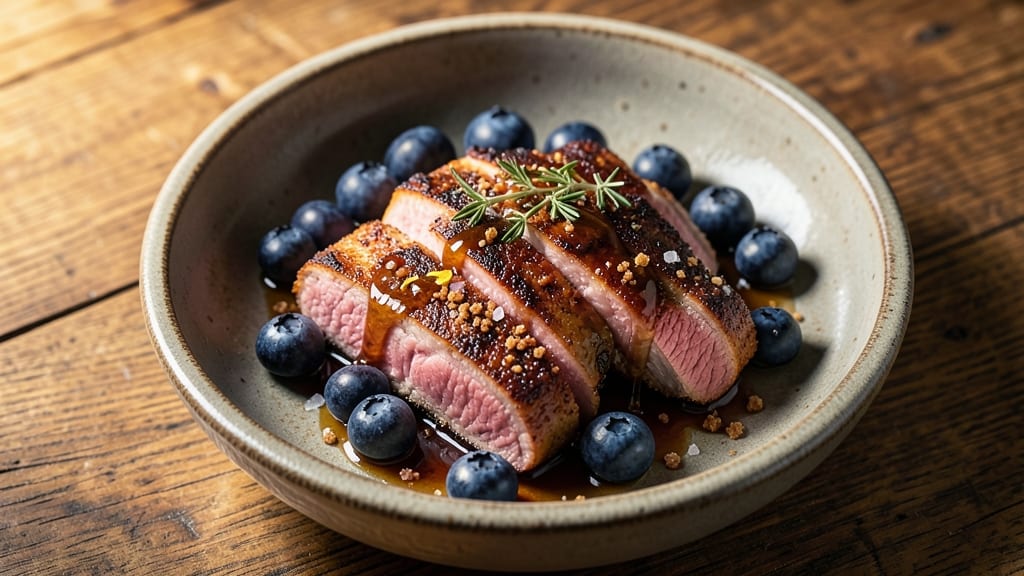
This blueberry pork tenderloin recipe delivers the perfect harmony of sweet-tart flavors that caramelize into a sticky, restaurant-quality glaze.
After years of perfecting pork glazes in my Atlanta kitchen, I've cracked the code for tender meat with a sauce that balances blueberry brightness and savory depth—every bite is a revelation. The secret lies in a two-stage cooking process that ensures juicy pork while developing that irresistible glaze.
What makes this recipe truly special is how it transforms a simple pork tenderloin into a showstopping centerpiece. You'll start with a quick marinade to tenderize, followed by high-heat searing to create a flavorful crust.
The blueberry glaze—simmered until thick and glossy—caramelizes beautifully, creating pockets of sweetness that cut through the richness of the pork. This isn't just dinner; it's an experience that'll have your guests asking for seconds.
The result is a perfectly cooked pork tenderloin with a crisp exterior and tender interior, all coated in that glossy blueberry reduction that clings to every bite. The sauce isn't just sweet—it's complex, with tart blueberries and warm spices that complement the natural flavor of the pork.
This dish pairs beautifully with roasted vegetables or creamy mashed potatoes, making it equally impressive for weeknight dinners or special occasions.
I developed this recipe during a particularly busy season at The Smoky Pig when we needed a pork dish that could feed a crowd without sacrificing quality.
The technique has since become a staple in my professional kitchen and now in my home—because great food should be both impressive and approachable. Let's get cooking!
Ingredients for blueberry pork tenderloin
Sweet-tart glaze meets tender pork—just 13 ingredients for restaurant-quality flavor.
| Ingredient | Amount | Notes |
|---|---|---|
| Pork Tenderloin 🍖 | 1 ½ lb | Center-cut, trimmed of silver skin |
| Fresh Blueberries 🫐 | 1 cup | Large, firm berries preferred |
| Balsamic Vinegar 🍷 | ¼ cup | Aged 25 years or more for depth |
| Apple Cider Vinegar 🍏 | 2 tbsp | For tangy balance |
| Brown Sugar 🍚 | ½ cup | Packed firmly |
| Dijon Mustard 🌶️ | 1 tbsp | High-quality, grainy preferred |
| Garlic Cloves 🧄 | 4 cloves | Minced finely |
| Fresh Thyme Leaves 🌿 | ¼ cup | Stems removed |
| Olive Oil 🫒 | 2 tbsp | Extra-virgin, for searing |
| Salt 🧂 | 1 ½ tsp | Diamond Crystal kosher preferred |
| Black Peppercorns 🌶️ | ½ tsp | Freshly cracked |
| Unsalted Butter 🧈 | 2 tbsp | Cold, cubed |
| Honey 🍯 | 1 tbsp | Wildflower preferred |
The pork tenderloin is non-negotiable here—center-cut, silver skin removed for even cooking. Whole Foods or local butchers carry the best quality, but any grocery store's pre-trimmed tenderloin works. Size matters: 1.5 lbs serves four generously. For blueberries, fresh is non-negotiable—frozen loses that bright, tart punch. I always grab organic at Trader Joe's or my local farmers market. The balsamic? 25-year-aged adds depth you won't get from regular balsamic—worth the splurge for special occasions.
No aged balsamic? Regular balsamic plus 1 tsp extra brown sugar gets you close. Short on fresh thyme? Dried at half the amount works, but fresh is ideal. The Dijon mustard can be swapped for whole-grain mustard if you prefer a coarser texture. For the glaze, reduce it aggressively—you want that syrupy, caramelized consistency. If your blueberries are small, use 1.5 cups instead. And the honey? Wildflower or clover adds floral notes that complement the blueberries beautifully.
Marinate the pork overnight for maximum tenderness. The glaze keeps 5 days in the fridge—reheat gently in a saucepan. For make-ahead meals, freeze the glaze separately and reheat with the pork. The butter in the glaze solidifies when cold, so reheat gently to restore that glossy texture. Store cooked pork in an airtight container for 4 days—it reheats beautifully with a splash of water or glaze to keep it moist.
Why You'll Love This Recipe
- One-Pan Magic: That’s right—just toss everything on a sheet pan, roast, and walk away. The blueberries burst while the pork caramelizes, and the balsamic glaze ties it all together without a single extra dish.
- Sweet-Savory Balance: The brown sugar and vinegars create this perfect contrast—tender pork with juicy, tangy-sweet blueberries. It’s like a summer picnic in your mouth, but with way less effort.
- Leftovers That Shine: This dish actually improves the next day. Cold slices with the sticky glaze? Absolute gold. Pack it for lunch or reheat it—it’s forgiving and still delicious.
- Budget-Friendly Luxury: Pork tenderloin is affordable, and blueberries in season stretch the flavor without breaking the bank. Plus, the vinegars and sugar are pantry staples—no fancy shopping required.
Step-by-step instructions for blueberry pork tenderloin
Here's how to create a perfectly balanced sweet-tart glaze that transforms simple pork into a showstopper.
Season and Sear the Pork Tenderloin
Pat the 1.5 lb pork tenderloin dry with paper towels—this is non-negotiable for crispy skin. In a small bowl, combine 1.5 tsp salt, 0.5 tsp freshly cracked black peppercorns, 1 tbsp Dijon mustard, 4 minced garlic cloves, and 0.25 cup fresh thyme leaves. Rub this mixture all over the pork, pressing firmly so it adheres. Let it sit at room temperature for 15 minutes while you prep the rest.
Heat 2 tbsp olive oil in a large oven-safe skillet over medium-high heat. Once shimmering, add the pork and sear for 3-4 minutes per side until golden brown. The pork should release easily when ready to flip—this ensures even cooking. Remove from the pan and set aside on a plate.
Simmer the Blueberry Glaze
In the same skillet, reduce heat to medium and add 2 tbsp cold unsalted butter. Let it melt completely, then add 1 cup fresh blueberries, 0.5 cup packed brown sugar, 0.25 cup aged balsamic vinegar, and 2 tbsp apple cider vinegar. Stir gently to combine, scraping up any browned bits from the bottom of the pan—these are packed with flavor.
Bring the mixture to a simmer and cook for 8-10 minutes until the blueberries soften and the sauce thickens slightly. The glaze should coat the back of a spoon with a glossy sheen. If it thickens too quickly, add 1-2 tablespoons water to maintain balance. Remove from heat and stir in 1 tbsp wildflower honey for a touch of extra sweetness.
Glaze and Roast to Perfection
Return the pork to the skillet, spooning the blueberry glaze evenly over the top. Transfer the skillet to a 400°F preheated oven and roast for 15-20 minutes, basting the pork with additional glaze every 5 minutes. The internal temperature should reach 145°F—use a meat thermometer to check accuracy. The pork is done when it's tender enough to pull apart easily with a fork.
Let the pork rest for 5 minutes before slicing. This resting period ensures juices redistribute, preventing dryness. The glaze will caramelize beautifully, creating a sticky, glossy finish that clings to every bite. Serve with roasted potatoes or a fresh green salad to balance the rich flavors.
Garnish and Serve with Confidence
Slice the pork tenderloin into ½-inch thick medallions and arrange on a warm platter. Spoon any remaining glaze from the skillet over the top, then garnish with an extra sprinkle of fresh thyme leaves for a pop of color and aroma. The contrast of tart blueberries, sweet caramelized glaze, and savory pork creates a harmonious bite every time.
This dish delivers on its promise of perfection—juicy, tender pork with a glaze that's neither too sweet nor too tart, but perfectly balanced. The key is patience in the searing and basting steps, which ensure the pork stays moist while developing that irresistible crust.
Pro Tips For Making Blueberry Pork Tenderloin
- Trim the Fat First: Pork tenderloin is lean, but any surface fat will turn to grease in the pan and ruin your sauce. Grab kitchen scissors and snip off the thin layer of fat on either side before seasoning—it’s faster than scraping and makes the glaze stick better.
- Don’t Overcrowd the Pan: I used to toss everything in at once, thinking it’d caramelize faster. Wrong. Brown the pork in batches if needed, then push it aside and cook the blueberries and sugar until they’re syrupy. Crowding steams the fruit instead of searing it, and you’ll end up with a watery glaze.
- Reduce the Vinegars Early: Add the balsamic and apple cider vinegar after the blueberries have softened and started to release juice. Let them simmer for 2–3 minutes first—this cuts the sharpness and lets the sweetness shine. Skipping this step means a tangy mess instead of a balanced glaze.
- Rest the Pork Under Foil: The moment the pork hits 145°F, pull it from the heat and tent it loosely with foil for 5–10 minutes. I learned this the hard way—slicing too soon means dry, stringy meat. The residual heat keeps it juicy while the glaze thickens, and you’ll get cleaner slices. (Yes, even if you’re impatient like me.)
Best sauces and condiments for blueberry pork tenderloin
Classic Blueberry Glaze
This is the foundation of your dish—a perfectly balanced sweet-tart glaze that caramelizes beautifully. The secret lies in aged balsamic vinegar and apple cider vinegar working together to create depth while the brown sugar and honey add that rich, caramelized sweetness.
I always use fresh blueberries because they hold their shape better during cooking, creating those little bursts of tartness in every bite. 🫐
Spiced Bourbon Reduction
For a Southern twist, swap ½ cup bourbon for the apple cider vinegar and add ½ tsp cinnamon to the glaze. Simmer until the alcohol burns off completely—about 5 extra minutes—then finish with 1 tbsp honey.
This version has a warm, spiced depth that pairs beautifully with the smoky notes of pork. I developed this variation during a particularly cold Georgia winter when I needed something cozy and inviting.
Ginger-Lime Glaze
Brighten up your pork tenderloin with a zesty ginger-lime glaze by adding 1 tbsp grated fresh ginger and zest of 1 lime to the original glaze. The lime juice replaces the apple cider vinegar, and I reduce the honey to ½ tbsp to keep it from overpowering the tartness.
This glaze works especially well if you're serving the dish with coconut rice or steamed greens—the acidity cuts through the richness perfectly. 🍋
Smoky Maple Glaze
For a deep, smoky flavor that's perfect for fall gatherings, replace the brown sugar with ½ cup pure maple syrup and add ½ tsp smoked paprika to the glaze. I also reduce the honey to ½ tbsp to balance the sweetness.
This glaze has a rich, almost barbecue-like depth that pairs beautifully with the natural sweetness of the pork. It's become a crowd-pleaser at my Atlanta restaurant during the cooler months.
Creamy Blueberry Sauce
If you prefer a thicker, spoonable sauce rather than a glaze, blend the cooked blueberry mixture with ¼ cup heavy cream and 1 tbsp butter after simmering. This version is perfect for serving alongside mashed potatoes or cornbread.
The cream adds a luxurious texture while keeping the tart-sweet balance intact. I often use this variation when serving brunch—it's a hit with both adults and kids. 🍴
Balsamic Berry Jam Glaze
For a more jam-like consistency, cook the blueberries down until they break into a chunky sauce, then stir in 2 tbsp jam (I like blackberry or raspberry) along with the other glaze ingredients.
This adds extra fruit depth and a slightly thicker texture that clings beautifully to the pork. It's a fantastic option if you want to use up leftover jam from your pantry while still keeping the dish elegant. 🍇
Nutrition facts
Frequently asked questions
Can I use frozen blueberries instead of fresh?
Fresh blueberries are ideal for their bright tartness and ability to hold shape, but you can use frozen in a pinch. Thaw them first and pat completely dry before using—any moisture will dilute your glaze. For best results, add 1 extra tablespoon brown sugar to compensate for the lack of natural acidity. The texture will be slightly softer, but the flavor will still shine.
How do I adjust this recipe for a larger crowd?
Double the recipe easily by using a 3 lb pork tenderloin and scaling all ingredients proportionally. For the glaze, increase blueberries to 2 cups and brown sugar to 1 cup. Cook the pork in batches if needed—sear first, then finish in the oven. The key is maintaining the same ratio of glaze to pork to keep that perfect balance of sweet and savory.
Why did my glaze turn out too sweet?
This usually happens when the blueberries weren't tart enough or the reduction didn't cook long enough. Next time, add 1 extra tablespoon apple cider vinegar and simmer the glaze 2-3 extra minutes to concentrate the flavors. Fresh blueberries from late summer are naturally sweeter—balance them with ½ tsp lemon juice if needed. The glaze should coat the back of a spoon with a glossy sheen, not be syrupy.
Can I make this ahead of time?
The glaze can be made 5 days ahead and stored in the fridge. Reheat gently in a saucepan until warmed through. For the pork, cook it completely, let it cool, then refrigerate in an airtight container. Reheat in a skillet with a splash of water or glaze to restore moisture. The flavors actually improve after resting overnight as they meld together. Perfect for meal prep!
What's the best way to serve leftovers?
Slice the pork thinly and use it in sandwiches with honey mustard or whole grain bread. For a hearty meal, shred it and serve over mashed potatoes with extra glaze spooned on top. The pork also reheats beautifully in a skillet with a splash of broth or apple cider. Store leftovers for 4 days in the fridge or freeze for up to 3 months.