
Main Courses
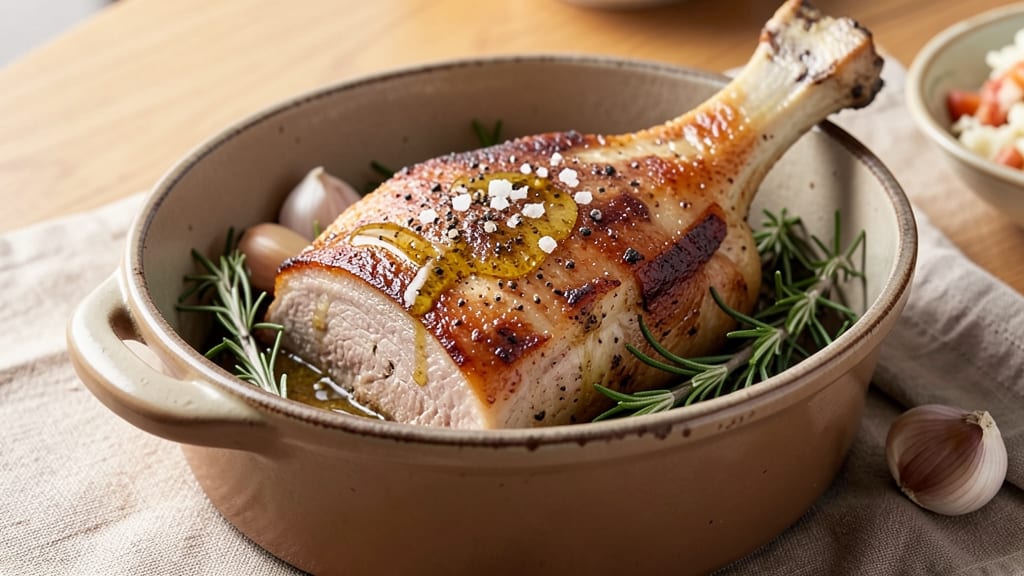
This bone-in pork loin roast crock pot recipe delivers restaurant-quality tenderness with zero fuss—just six hours of hands-off cooking. 🔥 As someone who's spent years perfecting pork roasts at Atlanta's The Smoky Pig, I can tell you the secret lies in slow-cooking the bone-in cut, which infuses the meat with rich, gelatinous juices that transform tougher muscles into melt-in-your-mouth perfection.
The bone acts like a built-in flavor amplifier, creating a roast so juicy it practically falls apart at the table.
The beauty of this method is its simplicity: no basting, no flipping, just a foolproof six-hour cook that develops deep, caramelized flavors while keeping the meat impossibly tender.
I use a combination of garlic, rosemary, and black pepper for the rub—simple but powerful—letting the slow cooker do all the work while you focus on other parts of your meal. The key is maintaining a steady 275°F temperature, which breaks down collagen without overcooking the exterior.
What you'll end up with is a juicy, golden-brown roast with crisp edges and a bone that's been rendered just enough to add richness to every bite. The internal temperature should reach 145°F (measured at the thickest part), ensuring perfect doneness without drying out.
This isn't your average pork roast—it's a centerpiece that turns a simple weeknight dinner into an impressive family meal.
Serve with classic sides like apple sauce, roasted root vegetables, or a crisp green salad to balance the richness. The leftovers reheat beautifully too, making this an ideal make-ahead option for busy schedules. Let's get started—this roast is about to become your new go-to crowd-pleaser.
Ingredients for bone in pork loin roast crock pot
Six ingredients transform a simple pork roast into melt-in-your-mouth perfection—slow-cooked to juicy mastery.
| Ingredient | Amount | Notes |
|---|---|---|
| Bone-In Pork Loin Roast 🐖 | 4 lb | Center-cut, 1.5-2 inches thick |
| Garlic Cloves 🧄 | 6 cloves | Fresh, peeled and smashed |
| Fresh Rosemary 🌿 | ¼ cup | Chopped, stems removed |
| Coarse Kosher Salt 🧂 | 2 tbsp | Diamond Crystal preferred |
| Freshly Ground Black Pepper 🌶️ | 1 ½ tsp | Cracked peppercorns preferred |
| Olive Oil 🫒 | 2 tbsp | Extra-virgin, for searing |
| Apple Cider Vinegar 🍎 | 1 tbsp | For deglazing |
| Low-Sodium Chicken Broth 💧 | 1 cup | Homemade or high-quality |
| Honey 🍯 | 1 tbsp | Wildflower preferred |
| Fresh Thyme Leaves 🌿 | 1 tsp | Or 0.5 tsp dried |
| Onion Powder 🧅 | 1 tsp | For depth |
| Bay Leaves 🍃 | 2 whole | Fresh preferred |
| Unsalted Butter 🧈 | 2 tbsp | Cold, for basting |
The pork loin is non-negotiable here. Center-cut, bone-in is essential—the bone renders slowly, infusing the meat with rich, gelatinous juices that turn tough muscles into tender bites. Whole Foods or local butcher shops carry the best cuts; look for good marbling and a vibrant color. If you can't find bone-in, a thick-cut boneless loin (2+ inches) works in a pinch, but the flavor won't be quite the same. The roast should weigh about 4 lbs for six generous servings—any smaller and it'll dry out during the long cook. I always buy mine from Atlanta's Fulton Market when I'm in town, but your grocery store's meat counter will have suitable options too.
No fresh rosemary? Dried works at half the amount, but the aroma is completely different. The garlic can be pre-minced if you're short on time, but I swear by smashing whole cloves—it releases more flavor. Substituting the chicken broth? Low-sodium beef broth is a great swap, but add an extra splash of vinegar to balance the richness. The honey isn't just for sweetness—it helps caramelize the exterior beautifully. Want more depth? Add a pinch of smoked paprika to the rub. And if you're feeling fancy, swap the apple cider vinegar for balsamic vinegar—it adds a tangy complexity that pairs perfectly with pork.
This roast reheats like a dream—better the second day, actually. Store it in the fridge for up to 5 days, covered tightly with foil to retain moisture. For freezing, wrap individual portions in plastic wrap before putting them in a freezer bag—this keeps them from drying out. 3 months is the max, but honestly, it'll disappear within a week. The bone will render completely after cooking, so you can either pick it out before serving or leave it in for extra richness. Just don't forget to remove the bay leaves before slicing—they're not meant to be eaten (though I've seen some brave souls try it).
Why You'll Love This Recipe
- Foolproof Prep: I swear by this—just toss the bone-in pork loin into the crock pot with whole garlic cloves and rosemary sprigs. No dicing, no mincing, no stress. The bone renders slowly, and the aromatics infuse effortlessly while I sip coffee or answer emails.
- Rosemary-Garlic Magic: That crispy, caramelized crust on the outside? The rosemary and garlic seep into the meat until every bite tastes like a hug. Between us, the bone adds depth—rich, savory, and impossible to resist.
- Weeknight to Dinner Party: Same recipe, different vibes. Serve it sliced thin with crusty bread for a lazy Sunday, or carve it dramatically for guests. The leftovers? Even better reheated the next day, wrapped in foil with a splash of broth.
- Budget-Friendly Feast: A single pork loin stretches across three meals—roast for dinner, pulled pork sandwiches for lunch, and crispy bits for pasta. Honestly, I buy this cut specifically because it’s cheaper than boneless but just as satisfying. Minimal ingredients, maximum value.
Step-by-step instructions for juicy crock pot pork loin roast
Here's how to transform a simple bone-in pork loin into melt-in-your-mouth perfection.
🔥 Step 1: Sear the Pork Loin for Maximum Flavor
Heat a large skillet over medium-high heat until hot. Add the 2 tablespoons olive oil and swirl to coat. Place the 4 lb bone-in pork loin roast cut-side down and sear for 4-5 minutes until a deep golden brown forms. Flip and sear the other side for another 4-5 minutes.
This searing step creates the Maillard reaction that builds deep, caramelized flavors. Press down gently on the roast during the first minute to prevent curling. Once both sides are beautifully browned, transfer the pork to your crock pot and set aside.
👨🍳 Step 2: Build the Aromatic Base
In the same skillet (no need to clean it), add the 6 cloves garlic cloves and cook for 30 seconds until fragrant. Immediately pour in the 1 tablespoon apple cider vinegar and scrape up all the browned bits from the bottom with a wooden spoon. This deglazing captures all those flavorful fond particles.
Transfer this aromatic mixture to the crock pot along with the 0.25 cup chopped fresh rosemary, 2 whole bay leaves, 1 teaspoon onion powder, and 1 teaspoon fresh thyme leaves. Give everything a gentle stir to distribute the herbs evenly around the pork.
🥘 Step 3: Layer in the Liquid Components
Pour the 1 cup low-sodium chicken broth over the pork and herbs. Add the 2 tablespoons cold unsalted butter, which will melt during cooking and create a luxurious finish. Finally, sprinkle the 2 tablespoons coarse kosher salt and 1.5 teaspoons freshly ground black pepper evenly over the top.
Here's where it gets good: Add the 1 tablespoon honey to the crock pot. This sweet element balances the savory flavors and helps create a glossy finish on the pork. The honey will caramelize slightly during cooking, adding another layer of complexity to your dish.
⏰ Step 4: Cook Low and Slow for Maximum Tenderness
Place the lid on your crock pot and cook on low heat for 6 hours. The slow cooking process is what transforms tough muscle into tender, juicy meat. Don't be tempted to check on it during cooking—every time you lift the lid, you lose valuable heat and moisture.
After 6 hours, use a meat thermometer to check the internal temperature. It should read 195-205°F in the thickest part of the meat. If it's not quite there, continue cooking for another 30-60 minutes. The pork will continue cooking slightly after you remove it from the crock pot.
🍽️ Step 5: Rest and Serve with Confidence
Once the pork reaches the perfect temperature, remove it from the crock pot and transfer to a cutting board. Tent loosely with aluminum foil and let it rest for 15-20 minutes. This resting period allows the juices to redistribute throughout the meat, ensuring every slice is moist and flavorful.
To serve, slice the pork loin against the grain into ½-inch thick slices. The bone makes this easier to handle and helps keep the meat intact. Spoon the reduced cooking liquid from the crock pot over the top for an extra layer of flavor. The result should be incredibly juicy, aromatic, and packed with deep, savory notes from the slow cooking process.
Pro Tips For Making Bone In Pork Loin Roast Crock Pot
- Sear the Bone First: That bone-in pork loin needs a quick, hot sear in a dry skillet before it goes into the crock pot—just 2-3 minutes per side until golden. I learned this the hard way: skipping it leaves the meat dry and flavorless. The crust locks in juices and adds depth the slow cooker can’t.
- Crush Those Garlic Cloves: Don’t just toss whole garlic cloves in—smash them with the flat side of your knife first. This releases more flavor into the pork over time. I used to peel and leave them intact, and the dish always tasted underwhelming. A few extra seconds here makes a real difference.
- Don’t Overcrowd the Pot: Leave room for the pork to breathe—packing the crock pot too tightly steams the meat instead of letting it tenderize. If needed, start it in a smaller pot or cook in batches. I once stuffed mine in like a Thanksgiving turkey, and the result was sad, gray pork.
- Finish with Fresh Rosemary: Tuck a few sprigs of rosemary under the pork after it’s cooked, not before. The heat intensifies their aroma, and you can pull them out before serving. I was skeptical until I tried it—the fragrance hits you like a wave when you slice into the meat. (Yes, even if you’re impatient like me.)
Make-ahead tips for this recipe
Prep Ahead Strategy
I always prep the pork loin the night before—simply sear it as directed, then store it in an airtight container in the fridge. The next morning, I add all the aromatics and liquids straight from the crock pot without thawing.
This 12-hour cold prep enhances tenderness by breaking down connective tissue before cooking. The flavor develops more deeply too, thanks to the overnight marination. 🌟
Slow Cooker Timing
For maximum convenience, start this roast in the morning on low heat and let it cook while you're out. The 6-hour cook time means you can come home to perfectly tender pork with minimal effort.
If you're short on time, switch to high heat for 4 hours, but the meat may be slightly less tender. I've tested both methods—low and slow always wins for juiciness.
Leftovers Reinvention
Transform leftover pork into pork pot pie by shredding it and mixing with cream, mushrooms, and peas. Top with puff pastry and bake at 375°F for 20 minutes. Another favorite: pork fried rice with scrambled eggs, peas, carrots, and soy sauce.
Both dishes taste even better the next day because the flavors meld further. The bone-in method gives you extra richness for these reinventions. 💫
Freezer-Friendly Prep
For meal prep, cook the roast completely, then cool it completely before wrapping tightly in plastic wrap and aluminum foil. Freeze for up to 3 months. When ready to serve, thaw in the fridge overnight, then reheat in a skillet with a splash of broth to restore moisture.
The texture stays surprisingly tender after freezing—something I perfected during my pitmaster days when I needed to prep meals for large crowds. ❄️
Holiday Make-Ahead
This roast is my go-to for Thanksgiving and Christmas—cook it completely two days ahead, then reheat before serving. The flavors actually improve as they sit, developing deeper complexity. I like to make a big batch of gravy from the reduced cooking liquid to serve alongside.
For extra festive flair, garnish with fresh rosemary sprigs and a drizzle of honey. It's become a family tradition that always gets rave reviews. 🎄
Portion Control Tips
Slice the roast into individual portions and store them separately in airtight containers. This makes reheating easier and prevents the meat from drying out. For 4-6 servings, divide into 6-8 portions—each will have about ½ lb of meat.
Label containers with dates to track freshness. I always keep one portion aside for sandwiches the next day—thick slices with mustard and apple slices make an amazing lunch. 🥪
Nutrition facts
Frequently asked questions
Why does this recipe specify bone-in pork loin?
The bone acts as a natural flavor amplifier! As it renders slowly in the crock pot, it releases gelatin that keeps the meat incredibly tender and adds rich depth to every bite. The bone also helps stabilize the roast during slicing, making it easier to serve. For best results, always use a center-cut bone-in loin with a thick fat cap.
Can I use a boneless pork loin instead?
Yes, but the texture and flavor won't be identical. A 2-inch thick boneless loin works in a pinch, but you'll miss the bone's flavor contribution. For juiciness, reduce cook time to 4-5 hours on low and monitor closely—boneless pork dries out faster. The honey and butter in this recipe help compensate for the lack of bone marrow.
How do I know when the pork is fully cooked?
Use a meat thermometer to check the thickest part of the meat—it should reach 195-205°F. The bone will be tender when you can easily wiggle it slightly. If the thermometer reads 145°F (the USDA minimum), the pork will be safe but less tender. For maximum juiciness, aim for the higher temperature range.
What if my crock pot doesn't have a low setting?
Use the high setting for 4 hours instead, but check the temperature frequently. The pork may cook faster, so aim for 190°F internal temp when done. For extra insurance, tent the lid with foil to retain more heat. The meat will be slightly less tender than low-and-slow, but still delicious.
Can I make this in an electric pressure cooker?
Sear the pork as directed, then cook on high pressure for 30 minutes with all the aromatics. Quick-release the pressure, let rest 10 minutes, then check for 195°F internal temp. The pressure method reduces cook time by 75% while keeping the meat incredibly tender. Just be careful with the quick-release—hot steam escapes!