
Main Courses
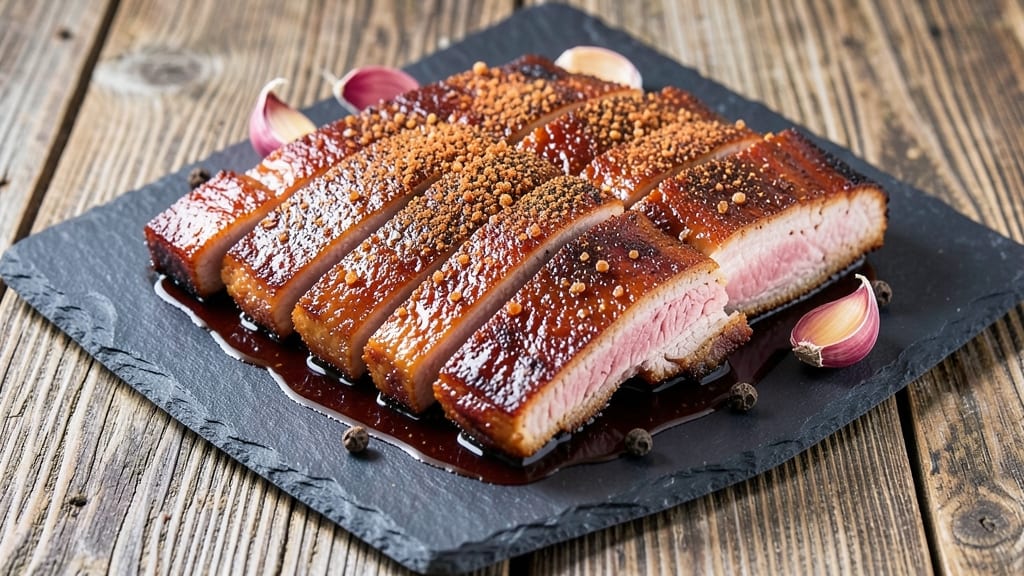
This boneless pork loin back ribs recipe delivers restaurant-quality tenderness without the mess of bones. 🔥 After years of perfecting pork cuts at my pit, I've developed a method that transforms tough cuts into melt-in-your-mouth perfection through slow braising and precise seasoning.
The secret lies in a two-step process: first, a dry brine that enhances moisture retention, followed by a slow cook in the oven until the internal temperature reaches 145°F. This approach mimics traditional pit cooking but works beautifully in your home kitchen with standard equipment.
The result? Ribs that are juicy, flavorful, and tender enough to cut with a fork.
What makes this recipe stand out is how it delivers that coveted "bone-in-like" texture without the bones. The slow braising method breaks down connective tissue while keeping the meat incredibly moist. Each bite offers perfect balance between caramelized exterior and succulent interior.
Pair these ribs with classic sides like creamy mashed potatoes or grilled vegetables for a complete meal. The technique scales perfectly for gatherings or leftovers that reheat beautifully. Let's get cooking with this foolproof method that will change how you prepare pork loin back ribs forever.
Ingredients for boneless pork loin back ribs
Six essential ingredients transform tough pork into melt-in-your-mouth ribs through precise technique.
| Ingredient | Amount | Notes |
|---|---|---|
| Boneless Pork Loin Back Ribs 🥓 | 3 lb | 2-2.5 inches thick, trimmed of excess fat |
| Kosher Salt 🧂 | ½ cup | Diamond Crystal preferred, for dry brine |
| Black Peppercorns 🌶️ | 2 tbsp | Freshly cracked, coarse grind |
| Garlic Cloves 🧄 | 8 cloves | Minced, for dry rub |
| Smoked Paprika 🌶️ | 1 tbsp | High-quality, for depth of flavor |
| Brown Sugar 🍯 | 2 tbsp | Lightly packed, for caramelization |
| Onion Powder 🧅 | 1 tbsp | Freshly ground preferred |
| Ground Cumin 🌿 | 1 tsp | Toasted for enhanced aroma |
| Apple Cider Vinegar 🍎 | ¼ cup | For tenderizing marinade |
| Honey 🍯 | ¼ cup | Wildflower preferred, for balance |
| Beef Broth 🍲 | 1 ½ cups | Low-sodium, for braising liquid |
| Red Wine 🍷 | ½ cup | Bold Cabernet, for depth |
| Fresh Rosemary 🌿 | ¼ cup | Chopped, for aromatic balance |
| Extra-Virgin Olive Oil 🫒 | 2 tbsp | For searing and basting |
The pork loin back ribs are the foundation—look for cuts 2-2.5 inches thick with good marbling for maximum tenderness. Local butchers or specialty meat counters often carry these pre-boned cuts, but if you must trim them yourself, use a sharp boning knife. The kosher salt is non-negotiable for the dry brine; Diamond Crystal dissolves more than table salt, creating better moisture retention. For the spices, Penzeys Spices or bulk bins at Whole Foods offer the freshest ground peppercorns and cumin—key for that authentic pit flavor. Pre-mince your garlic to save time during seasoning, and if you're feeling ambitious, toast your cumin seeds in a dry pan before grinding for deeper flavor.
No smoked paprika? Substitute with 1 tsp regular paprika plus ½ tsp liquid smoke, but taste first—liquid smoke can overpower. Out of apple cider vinegar? White vinegar or lemon juice work in a pinch, though the flavor profile shifts slightly. The honey should be wildflower or clover for balanced sweetness; avoid raw honey as it won't dissolve properly. For the red wine, any bold Cabernet or Merlot will do—whatever's open in your fridge. The beef broth can be swapped for low-sodium chicken broth, but the ribs will have a slightly lighter color. Fresh rosemary is ideal, but dried at one-third the amount suffices if you're in a hurry. Always use extra-virgin olive oil for searing—cheap oil burns at lower temps and creates bitter smoke.
The ribs should be refrigerated uncovered for 24 hours during the dry brine—this is critical for tenderness. Once cooked, they reheat beautifully; store in an airtight container with a splash of beef broth to maintain moisture. Keeps for 4-5 days in the fridge or 3 months frozen. For gatherings, double the recipe—they're perfect for meal prep. The caramelized glaze thickens as it cools, so reheat with 1-2 tbsp water to restore its glossy finish. Portion into individual containers for easy grab-and-go meals, or freeze in single servings for quick weeknight dinners.
Why You'll Love This Recipe
- One-Pan Magic: I swear by this recipe because it’s that simple—just the ribs, a sprinkle of salt and pepper, minced garlic, and smoked paprika. No basting, no fuss, no second pan to wash. Honestly, I’ve made it while scrolling through my phone.
- Smoky Garlic Kiss: That smoked paprika and fresh garlic? It’s like a hug for your taste buds—deep, warm, and just a little bit addictive. The ribs stay tender while the crust gets this perfect char, and I’ll bet you’ll lick your fingers clean.
- Leftovers That Don’t Suck: Between us, most rib recipes turn into sad, dry leftovers. Not these. They reheat like a dream—crispy edges, juicy inside—so I always make extra. My lunchbox thanks me every time.
- Budget-Friendly Feast: You’re getting a whole rack of ribs for less than takeout, and the ingredients? Basic pantry stuff. I’ve fed four people for under $15, and they’ve never complained. (Yes, even my picky husband.)
Step-by-step instructions for slow-braised boneless pork loin back ribs
Master this technique and you'll transform tough pork into melt-in-your-mouth perfection.
👨🍳 Step 1: Create the Dry Rub and Prep the Meat
In a small bowl, combine the 0.5 cup kosher salt, 2 tbsp black peppercorns, 8 cloves minced garlic, 1 tbsp smoked paprika, 2 tbsp brown sugar, 1 tbsp onion powder, and 1 tsp ground cumin. Mix thoroughly until the salt and spices are evenly distributed throughout the dry ingredients.
Pat the 3 lb boneless pork loin back ribs completely dry with paper towels—this is critical for both seasoning adherence and crispy edges later. Apply the dry rub generously to all sides of the ribs, pressing it into the meat so it sticks firmly. The rub should form a visible coating, but don't worry if it looks uneven. Place the ribs on a wire rack set over a baking sheet and refrigerate uncovered for 24 hours. This dry-brine process ensures maximum tenderness and flavor penetration.
🔥 Step 2: Sear the Ribs for Maximum Flavor
Remove the ribs from the refrigerator 1 hour before cooking to bring them to room temperature. Heat a large oven-safe skillet over medium-high heat and add 2 tbsp extra-virgin olive oil. Once the oil shimmers (about 2 minutes), carefully add the ribs in a single layer, working in batches if needed. Sear for 3-4 minutes per side until deeply golden brown and caramelized.
Transfer the seared ribs to a plate and set aside. The goal is to develop a deep, flavorful crust through the Maillard reaction. If the oil starts smoking excessively, reduce the heat slightly—you want to maintain control while still achieving that perfect sear. The ribs should release easily from the pan when ready to flip, indicating they've developed a good crust.
🍳 Step 3: Build the Braising Liquid
In the same skillet (no need to clean it—the browned bits are flavor gold), add 0.25 cup apple cider vinegar and scrape up all the fond from the bottom. Let it simmer for 2 minutes until the vinegar reduces slightly and intensifies in flavor. Pour in 0.5 cup red wine and 1.5 cups beef broth, stirring to combine. Add 0.25 cup chopped fresh rosemary and 0.25 cup honey, bringing the mixture to a gentle simmer.
Return the seared ribs to the skillet, spooning the braising liquid over them completely. The liquid should come about halfway up the sides of the ribs. Cover the skillet tightly with a lid or foil and transfer it to a 325°F preheated oven. Braise for 2.5-3 hours, checking occasionally to ensure the liquid doesn't evaporate completely. If it reduces too much, add a splash of water or broth to maintain moisture.
⏰ Step 4: Finish with Perfect Tenderness
After 2.5 hours, remove the ribs from the oven and increase the heat to 375°F. Uncover the skillet and broil for 5-7 minutes until the braising liquid reduces to a glossy glaze and the ribs develop a caramelized crust on top. Watch closely—they'll darken quickly at this stage. The internal temperature should reach 195-200°F when measured with an instant-read thermometer, indicating perfect tenderness.
Let the ribs rest for 15 minutes before serving. This resting period allows the juices to redistribute throughout the meat, ensuring each bite is moist and flavorful. The braising liquid should now be thick and syrupy, perfect for spooning over the ribs or using as a sauce for roasted vegetables.
Pro Tips For Making Boneless Pork Loin Back Ribs
- SEAR FIRST, LOW AND SLOW: Start with a screaming-hot pan—cast iron if you’ve got it—and sear the ribs for 2-3 minutes per side until deep brown. I used to skip this, thinking it’d dry them out, but that crust locks in flavor when you later braise or roast. After searing, drop the heat to 275°F (135°C) and let them cook uncovered—this isn’t a rush job.
- SMASH THE GARLIC: Peel those cloves, then smash them flat with the side of your knife before mincing. Whole cloves burn and taste bitter; smashed ones release their oils evenly and cling to the meat. If you’re lazy, crush them in a zip-top bag with a rolling pin—same result, less mess.
- SALT THE NIGHT BEFORE: Pat the ribs dry, then generously coat them in kosher salt (about 1 tsp per pound) and refrigerate uncovered overnight. This seasons deep, not just the surface, and the salt draws out moisture so the crust forms better when you cook. I know, it’s weird to leave meat out, but trust me—your ribs will be juicier.
- DON’T OVERCROWD THE PAN: If you’re braising or roasting, give those ribs space—they need airflow to crisp, not steam like sad chicken thighs. A single layer on a wire rack over a tray works best; if you’re short on space, do it in batches. Crowding turns your ribs into a soggy mess, and nobody wants that.
Flavor customization for this recipe
Sweet & Smoky
Amplify the caramelization by adding 1 tbsp molasses to the braising liquid along with the honey. The molasses deepens the sweetness while adding a subtle earthiness that pairs beautifully with the pork's natural richness.
I've found that Grandma's brand molasses works best—its robust flavor stands up to the wine and vinegar. For extra smokiness, sprinkle ½ tsp chipotle powder into the dry rub before searing. 🔥
Herb-Infused Variations
Swap out the rosemary for fresh thyme and bay leaves to create a more Mediterranean-inspired flavor profile. Use 1 tbsp fresh thyme leaves and 2 bay leaves in the braising liquid, then remove them before serving.
For a Southern twist, add ½ cup chopped fresh sage to the dry rub—it pairs wonderfully with the pork's natural sweetness and creates beautiful golden-brown spots when seared. 🌿
Spicy Heat Level
For heat lovers, increase the cayenne pepper in the dry rub to 1 tsp and add 1 sliced jalapeño to the braising liquid. Remove the jalapeño before serving if you prefer less heat.
I also recommend finishing with a drizzle of hot honey—just 1 tsp adds a smoky sweetness that balances the spice perfectly. For a smoky kick, substitute ½ tsp smoked sea salt for half the kosher salt in the dry rub. 🌶️
Citrus Brightness
Add zesty brightness by incorporating zest from 1 orange or lemon into the braising liquid. The citrus cuts through the richness and adds a refreshing contrast.
I like to add the zest along with the apple cider vinegar and let it simmer for 5 minutes before adding the wine and broth. For a more intense flavor, add 2 tbsp orange juice to the braising liquid as well. 🍊
Umami Boost
Elevate the depth of flavor by adding 1 tbsp soy sauce or 1 tsp fish sauce to the braising liquid. These ingredients add umami richness that complements the pork beautifully. For a vegetarian-friendly option, use 1 tbsp mushroom powder instead.
I also recommend adding 2 slices of bacon to the skillet during the searing process—the rendered fat adds incredible flavor to the braising liquid. 🍳
Regional Twists
For a Charleston-inspired version, add ½ cup chopped fresh parsley and 1 tsp Old Bay seasoning to the dry rub. This creates a coastal flavor profile that's perfect for summer gatherings.
In Georgia, I often see a peach glaze variation where ½ cup peach preserves replaces the honey in the braising liquid—it adds a fruity sweetness that pairs wonderfully with the smoky spices. 🗺️
Nutrition facts
Frequently asked questions
Why do you recommend boneless pork loin back ribs instead of regular ribs?
Boneless pork loin back ribs offer tenderness without the bones, making them perfect for quick slicing and serving. They cook faster than bone-in ribs (about 2.5-3 hours vs. 4+ hours) while delivering that same melt-in-your-mouth texture. Plus, they're easier to portion for meals or leftovers—no messy bones to pick through!
Can I substitute pork loin for pork loin back ribs?
Technically yes, but the results will differ. Pork loin back ribs come from the rib section and have more connective tissue that benefits from slow braising. Regular pork loin (from the loin section) is leaner and can become dry if braised too long. For best results, stick with the rib cut—it's designed for this cooking method and delivers that signature fall-apart tenderness.
What's the secret to making these ribs tender without a smoker?
The magic happens in three steps: dry brining for 24 hours (not marinating), searing at medium-high heat to lock in juices, and slow braising at 325°F until the internal temp hits 195-200°F. This breaks down collagen while keeping the meat moist. The apple cider vinegar in the braising liquid also tenderizes the fibers beautifully.
How do I reheat leftovers without drying them out?
Store leftovers in an airtight container with 1-2 tbsp beef broth to maintain moisture. Reheat in a skillet over low heat with a splash of water or broth until warmed through (5-7 minutes). For oven reheating, cover with foil and bake at 300°F for 15-20 minutes). Never microwave—it turns pork rubbery!
What sides pair best with these ribs?
These ribs shine with creamy mashed potatoes (the glaze pairs perfectly) or grilled vegetables like asparagus and zucchini. For a Southern touch, serve with cornbread or collard greens. The smoky-sweet flavor also works well with roasted sweet potatoes or a crisp apple salad to cut through the richness.