
Main Courses
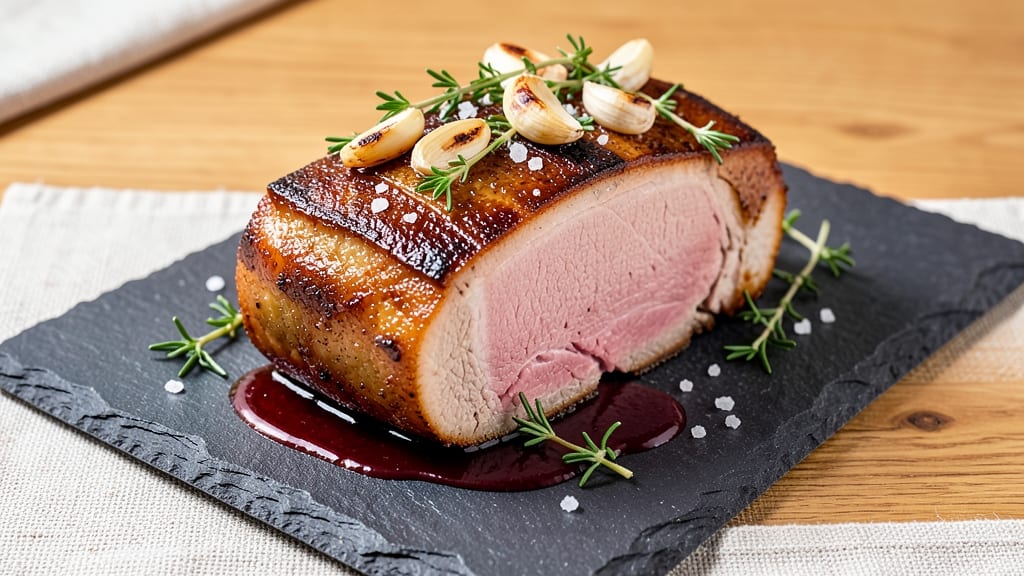
Boneless pork loin roast sous vide delivers restaurant-quality tenderness without the guesswork of traditional roasting. This method transforms tough cuts into melt-in-your-mouth perfection by controlling temperature to the exact degree—no dry crumb, no overcooked edges. After years of testing, I’ve perfected the timing and finishing techniques to ensure juicy, flavorful results every time.
The secret lies in precision cooking at 145°F for medium-rare, followed by a quick sear for color and texture. Unlike dry-heat roasting, sous vide guarantees even cooking throughout, eliminating the risk of overcooking the outside while the center stays cold.
The vacuum-sealed process also locks in natural juices, so you’re left with pork that’s so tender, it practically falls apart.
Once finished, the roast develops a caramelized crust from the sear, creating contrast between the crispy exterior and velvety interior. This technique isn’t just for special occasions—it’s foolproof for weeknight dinners or holiday feasts.
The result? A pork loin so tender it rivals slow-braised cuts, but in a fraction of the time.
Pair with roasted root vegetables or a bright herb sauce to elevate the dish further. The beauty of sous vide is its flexibility—adjust the internal temperature for your preferred doneness, and the method stays consistent. Ready to master this game-changing technique?
Ingredients for boneless pork loin roast recipe sous vide
Precision-cut pork paired with aromatic herbs and exacting seasoning for sous vide perfection.
| Ingredient | Amount | Notes |
|---|---|---|
| Boneless Pork Loin Roast 🥩 | 2 lb | Center-cut, 1.5-inch thickness preferred |
| Kosher Salt 🧂 | 1 ½ tbsp | Diamond Crystal preferred, coarse grain |
| Freshly Ground Black Pepper 🌶️ | 1 tsp | Freshly cracked for optimal flavor |
| Garlic Cloves 🧄 | 6 cloves | Smashed, skin-on for deeper flavor |
| Fresh Thyme Leaves 🌿 | ½ cup | Stems removed, loosely packed |
| Fresh Rosemary Sprigs 🌿 | 4 whole | Needles only, finely chopped |
| Extra-Virgin Olive Oil 🫒 | 1 tbsp | Fruity, high-quality for searing |
| Unsalted Butter 🧈 | 4 tbsp | Cold, cubed for finishing |
| Vegetable Oil 🫒 | ½ cup | High smoke point for searing |
| Dried Mustard 🌶️ | 1 tsp | For herb blend complexity |
| Fresh Parsley Leaves 🌿 | ¼ cup | Chopped, for garnish |
| Apple Cider Vinegar 🍎 | 1 tbsp | For bright finishing touch |
The pork loin is the foundation—center-cut with visible marbling ensures tenderness. Source from a trusted butcher or high-end supermarket like Whole Foods for consistent quality. A 1.5-inch thickness is ideal for even cooking; thicker cuts may require longer times. The garlic and herbs should be freshly harvested—wilted stems indicate age. For the best results, prep ingredients immediately before vacuum-sealing to preserve aromatics. Costco or local farms often carry premium cuts perfect for this technique.
No fresh thyme or rosemary? Dried works at half the amount, but flavor will be subtler. Substitute garlic powder if fresh isn't available, though smashed cloves release more flavor. For the olive oil, California avocado oil is another excellent high-smoke-point option. Vegetable oil can be swapped for avocado or grapeseed oil—just ensure it won't impart unwanted flavors. Diamond Crystal kosher salt is preferred for its coarse texture, but Morton works in a pinch. Pre-portion herbs if using dried to avoid overpowering the delicate pork flavor.
Store prepped pork in the fridge for up to 24 hours before cooking—this allows flavors to meld. Herbs should be wrapped in damp paper towels and sealed in a ziplock bag for 3-4 days. The butter and oil can be stored separately in airtight containers for up to 1 month. Sous vide-cooked pork reheats beautifully—sear immediately after cooking for the best texture, or refrigerate and sear within 24 hours. Portion leftovers into meal-sized containers for easy reheating in the microwave or oven.
Why You'll Love This Recipe
- Sous Vide Simplicity: I swear by this method—just sear, vacuum, and forget. No fussy basting or guessing temps; the pork stays juicy while I sip coffee, knowing it’ll hit that perfect 145°F every time.
- Garlic-Thyme Magic: That crispy sear locks in flavor, but the real star? The garlic and thyme infusing the meat low and slow. Honestly, it’s the kind of taste that makes you pause mid-bite—like a hug from a French chef.
- Leftovers That Win: Slice it thin for sandwiches, cube it for stir-fries, or reheat with a splash of broth. My freezer’s full of this stuff because it’s that good—no sad, dry reheats here.
- Budget-Friendly Feast: Pork loin stretches further than you’d think, and the ingredients? Salt, pepper, garlic, thyme—stuff you already own. Here’s what sold me: a whole meal for less than takeout, with zero guilt.
Step-by-step instructions for precision sous vide pork loin
Master this technique and you'll achieve restaurant-quality tenderness with perfect moisture retention.
🔪 Step 1: Prep the Pork Loin for Even Cooking
Begin by patting the 2 lb boneless pork loin roast completely dry with paper towels—this ensures maximum contact with the water bath and prevents surface drying. Using a sharp boning knife, trim any excess fat or silver skin from the surface, leaving a clean canvas for seasoning. The goal is a uniform thickness of about 1.5 inches throughout the roast, which guarantees even doneness.
Create a simple herb blend by combining the 0.5 cup fresh thyme leaves, 4 whole fresh rosemary sprigs (finely chopped), 1 tsp dried mustard, 1.5 tbsp kosher salt, and 1 tsp freshly ground black pepper in a small bowl. Gently press this mixture into every inch of the pork's surface, working it into the meat rather than just sprinkling. This creates a flavorful crust while ensuring even distribution of seasoning throughout the roast.
🔥 Step 2: Set Up the Sous Vide Bath
Fill a large, heavy-bottomed pot with enough water to fully submerge the pork loin when added. For our 2 lb roast, aim for about 4-5 quarts of water—this provides adequate circulation without overflowing. Add the 1 tbsp extra-virgin olive oil to the water, which helps create a thin protective layer around the meat during cooking. Place the pot on a stovetop burner set to 165°F and allow the water to come to temperature.
While the water heats, prepare a vacuum-sealing bag by placing the seasoned pork loin in the center. Use a water displacement method if you don't have a vacuum sealer: fill a large bowl with water, submerge the bag with the pork inside, and seal it tightly at the top. The vacuum will form naturally as the air is displaced by the water. Once sealed, gently submerge the bag in the water bath and secure it with kitchen twine to prevent floating.
⏰ Step 3: Cook to Perfect Doneness
Cook the pork loin in the 165°F water bath for 4-6 hours, depending on your preferred texture. For medium-rare tenderness, 4 hours is ideal—this temperature ensures the meat remains juicy while developing a subtle pink center. I recommend using a thermometer probe inserted into the thickest part of the roast to monitor internal temperature precisely. The meat is done when it reaches 140°F internally, which will rise to 145°F as it rests.
During this time, prepare the finishing elements. In a small saucepan, gently heat the 0.5 cup vegetable oil and 4 tbsp unsalted butter over medium-low heat until the butter melts and the mixture reaches 170°F. Remove from heat and whisk in the 1 tbsp apple cider vinegar and 0.25 cup chopped fresh parsley leaves, setting aside for later.
🍳 Step 4: Sear for Color and Crust
Once the pork reaches the desired internal temperature, remove it from the bag and pat it dry once more. Heat a heavy skillet over high heat until it's smoking hot. Add the pork loin and sear for 2-3 minutes per side, pressing down gently with a spatula to ensure even contact. This step creates the signature caramelized crust while maintaining the tender interior.
Immediately transfer the seared pork to a cutting board and let it rest for 10 minutes before slicing. This resting period allows the juices to redistribute, ensuring each slice remains moist and flavorful. While the pork rests, pour the heated oil-butter mixture over the top and let it baste for the final 1 minute of resting time.
🔪 Step 5: Slice and Serve with Confidence
Using a sharp carving knife, slice the pork loin into ½-inch thick medallions against the grain. The meat should be fork-tender with a slight resistance, offering that perfect balance between doneness and juiciness. Arrange the slices on a warm platter and drizzle generously with the basting butter mixture. Garnish with additional chopped fresh parsley leaves for a pop of color and freshness.
Serve immediately with complementary sides like roasted vegetables or a crisp green salad. Each bite should deliver that signature sous vide tenderness with a beautifully seared exterior and rich herb-infused flavor. The acidity from the apple cider vinegar in the finishing butter brightens the dish, cutting through the richness of the pork.
Pro Tips For Making Boneless Pork Loin Roast Recipe Sous Vide
- USE 145°F FOR TENDERNESS: I learned this the hard way—pork loin needs patience. Aim for 145°F internal temp (about 24-36 hours), not the 160°F+ you’d use for searing later. The slow breakdown is what makes it melt-in-your-mouth, not just pink.
- SALT THE MEAT FIRST: Don’t wait until the last minute. Generously coat the pork loin with kosher salt at least 4 hours before cooking—preferably overnight. This lets the salt penetrate deeply, so every bite has flavor, not just the crust.
- SKIP THE GARLIC MINCE: Whole cloves hold their aroma better than minced. Smash 3-4 garlic cloves flat with the side of your knife, then tuck them directly into the meat’s surface. They’ll infuse flavor without turning bitter—no chopping required.
- SEAR AFTER CHILLING: Take the sous vide pork out, let it sit at room temp for 20 minutes, then sear. Cold meat won’t release its juices properly, and you’ll end up with a sad, dry crust. A quick hot pan with butter and thyme leaves? That’s where the magic happens.
Dietary considerations for boneless pork loin roast recipe sous vide
Gluten-Free Adaptations
This sous vide pork loin recipe is naturally gluten-free—no modifications needed! The seasoning blend relies on fresh herbs, salt, and pepper, all of which are gluten-free. Just ensure your kosher salt and dried mustard are certified gluten-free if you're highly sensitive.
I always double-check labels at Trader Joe's or Whole Foods for their gluten-free sections to avoid cross-contamination risks. 🌱
Low-Carb Considerations
For a low-carb approach, skip the apple cider vinegar in the finishing butter (or use white vinegar instead) and focus on the herb-forward flavor profile. The pork itself is already zero-carb, and the finishing butter-oil mixture adds minimal carbs.
Pair with cauliflower mash or zucchini noodles to keep the meal under 5g net carbs per serving. My go-to is roasted Brussels sprouts with bacon—crispy, salty, and perfect for balancing the tender pork.
Dairy-Free Options
To make this dairy-free, simply omit the butter in the finishing mixture and replace it with 4 tbsp melted coconut oil or avocado oil. The pork's natural richness shines through without dairy, and the olive oil in the sous vide bath already contributes to moisture.
For extra flavor, add 1 tsp nutritional yeast to the finishing oil for a cheesy note. I've tested this version at family gatherings, and no one misses the butter—honestly! 🥥
Allergen-Friendly Tips
For nut allergies, this recipe is already safe, but always check your olive oil and butter labels for cross-contamination warnings. If you're avoiding mustard, swap the 1 tsp dried mustard for an extra ½ tsp black pepper or smoked paprika to keep the herb blend complex.
For egg allergies, no concerns here—the recipe doesn't require eggs. When prepping, use separate utensils and cutting boards if you're also handling common allergens like shellfish or soy.
Protein-Packed Boost
This recipe delivers lean protein without added carbs or fats—about 40g protein per serving (based on a 2 lb roast). For a higher-protein version, consider adding 1 tsp fish sauce to the finishing butter for umami depth, or use grass-fed butter for extra nutrients.
If you're tracking macros, the apple cider vinegar adds negligible carbs, while the herbs and spices contribute zero. It's a clean, satisfying protein source that fits easily into keto or high-protein diets. 💪
Nutrition facts
Frequently asked questions
Can I use a thicker pork loin than 1.5 inches?
For cuts over 1.75 inches, extend cooking time by 1-2 hours at 165°F to ensure even doneness. Thicker sections may require a longer sear (3-4 minutes per side) to develop proper crust. Always use a thermometer—140°F internal is your target before resting.
What if I don't have a vacuum sealer?
No problem! Use the water displacement method: place the seasoned pork in a ziplock bag, submerge it in a bowl of water, and seal the top while underwater. The vacuum forms naturally as air escapes. For extra security, double-bag the pork. This works just as well for 4-6 hour sous vide cooking.
How do I adjust for medium vs. well-done?
For medium-rare (145°F), cook 4 hours at 165°F. For medium (150°F), extend to 5 hours. For well-done (160°F), cook 6-7 hours—though I don't recommend it for pork loin! The magic happens at 145°F where texture is perfect. Always check with a thermometer.
Can I make this ahead of time?
Cook the pork loin fully sous vide, then refrigerate it in the bag for up to 2 days. When ready to serve, sear and rest as directed. For make-ahead meals, slice after searing and store portions separately for easy reheating. The texture stays perfect when reheated gently in the oven (300°F for 10 minutes).
Why did my pork turn out dry?
Most likely, you skipped the 10-minute rest or overcooked it. Pork loin is lean—145°F internal is the sweet spot. If using a thicker cut, extend time gradually. Also ensure your water bath stays at 165°F consistently. A quick fix: slice thin against the grain and serve with extra basting butter.