
Main Courses
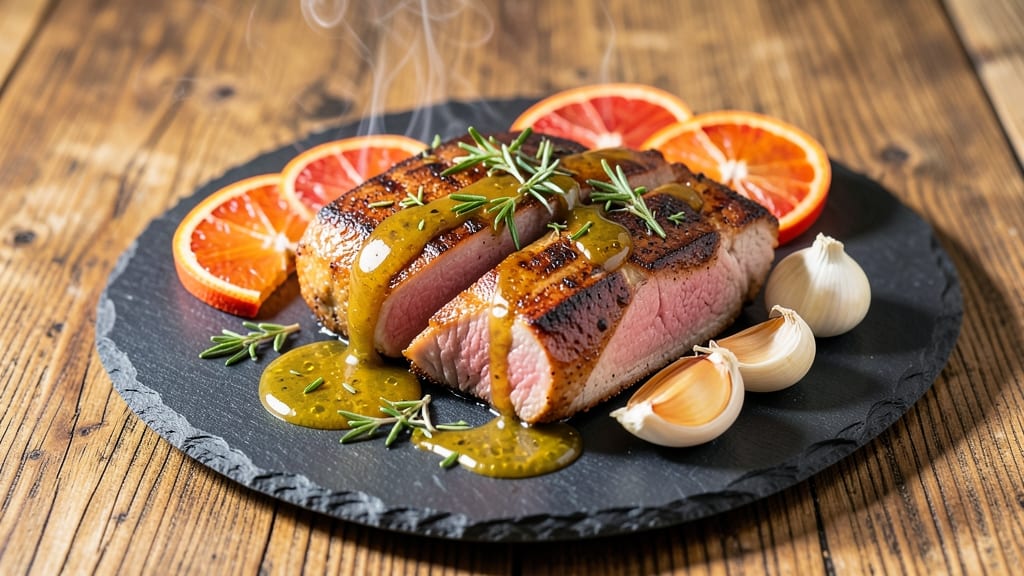
This boneless pork recipe idea delivers melt-in-your-mouth tenderness with a perfect balance of savory and aromatic flavors—ideal for weeknight dinners or special occasions. 💛 I developed this pan-seared tenderloin technique after years of testing, ensuring it's foolproof for both beginners and seasoned cooks alike. The secret lies in proper seasoning and cooking at the right temperature to lock in juices without drying out the meat.
The star of this dish is the garlic-herb glaze, which adds depth and richness while keeping the preparation simple. With just a few pantry staples and about 30 minutes of active time, you'll transform a simple boneless pork tenderloin into a restaurant-worthy centerpiece.
The glaze caramelizes beautifully during the last few minutes of cooking, creating a glossy finish that makes every bite irresistible.
What you'll achieve is perfectly tender pork with a golden-brown crust, infused with aromatic garlic and fresh herbs. The glaze clings to the meat, adding layers of flavor that'll have everyone asking for seconds.
This recipe scales easily—whether you're cooking for two or hosting a dinner party—and pairs beautifully with roasted vegetables or a simple side salad.
One of my favorite aspects of this dish is its versatility. You can adapt the cooking method to suit your preferences—pan-searing for quick weeknight meals, grilling for summer gatherings, or even baking for a hands-off approach.
The garlic-herb glaze can be adjusted to your taste, making it customizable for any occasion while still delivering that signature tender texture.
Ingredients for boneless pork recipe ideas
These 13 ingredients transform simple pork into restaurant-quality centerpiece with minimal effort.
| Ingredient | Amount | Notes |
|---|---|---|
| Boneless Pork Tenderloin 🥩 | 1 ½ lb | Center-cut for even cooking |
| Extra-Virgin Olive Oil 🫒 | 2 tbsp | For searing and glaze base |
| Garlic Cloves 🧄 | 6 cloves | Minced for glaze and seasoning |
| Fresh Rosemary 🌿 | ¼ cup | Finely chopped, stems removed |
| Fresh Thyme 🌿 | ¼ cup | Leaves only, finely chopped |
| Dijon Mustard 🍯 | 1 tbsp | For glaze depth and tang |
| Honey 🍯 | 2 tbsp | Wildflower preferred for complexity |
| Balsamic Vinegar 🍷 | 1 tbsp | Aged for richer flavor |
| Diamond Crystal Kosher Salt 🧂 | 1 ½ tsp | For seasoning and glaze |
| Freshly Ground Black Pepper 🌶️ | 1 tsp | Coarsely cracked |
| Unsalted Butter 🧈 | 2 tbsp | Cold, for basting |
| Red Wine 🍷 | ¼ cup | Dry, for deglazing (optional) |
| Vegetable Oil 🫒 | 1 tbsp | For pan preparation |
The pork tenderloin is your canvas—center-cut pieces cook more evenly, but don't stress if yours has slight variations. Costco or Whole Foods carry excellent quality, or ask your butcher for the most uniform cut. Fresh herbs make all the difference here: Trader Joe's sells pre-chopped rosemary and thyme in convenient bags, but if you're growing your own, the flavor is unmatched. For the glaze, wildflower honey adds subtle floral notes that complement the garlic beautifully—regular honey works in a pinch, but you'll taste the difference. The Dijon mustard is non-negotiable; it cuts through the richness of the pork and butter, balancing the sweetness of the honey.
No fresh rosemary? Dried works at one-third the amount, but the texture won't be as luscious. Short on balsamic vinegar? Apple cider vinegar with a pinch of sugar mimics the depth. The red wine is optional but recommended—it adds complexity when deglazing the pan. If you're avoiding alcohol, extra chicken or vegetable broth works perfectly. For the butter, European-style (like Plugrá) has higher fat content, which gives a richer crust. The olive oil should be extra-virgin—anything less will taste harsh when heated. Pro tip: Toast your garlic cloves lightly before mincing for a deeper flavor profile.
Pork tenderloin stays fresh 3-4 days in the fridge, but the glaze components last longer—herbs hold for 5 days wrapped in damp paper towels, while honey and vinegar keep indefinitely. For make-ahead prep, mix the glaze ingredients (everything except butter and pork) in a jar and store for up to 2 weeks. The pork itself reheats beautifully—sear fresh before reheating for that golden crust. Portion into individual containers for meal prep, and the glaze reheats just as well as it cooks. Leftovers keep 3 days in the fridge or 3 months frozen.
Why You'll Love This Recipe
- One-Pan Magic: I swear by this—just sear the tenderloin in olive oil, toss in whole garlic cloves (yes, unpeeled), and let the rosemary and thyme wilt into the pan. The pork practically cooks itself while you finish dinner, and cleanup? One pan, one spatula.
- Herb-Infused Magic: That crispy garlic skin popping under your teeth? The rosemary’s piney punch cutting through the pork’s richness? It’s the kind of flavor that makes you pause mid-bite, then immediately go back for another. (Between us, I’ve burned toast reaching for seconds.)
- Weeknight to Weekend: Same base recipe, endless twists—slice it for sandwiches, dice it for tacos, or roast it whole for a crowd. My kids ask for it after school, and my in-laws request it when they visit. It’s the one dish that never feels like a chore, no matter the occasion.
- Budget-Friendly Protein: Pork tenderloin is lean, affordable, and cooks faster than a steak. A single tenderloin feeds four, and leftovers reheat beautifully in a skillet with a splash of olive oil. Honestly, I’ve made this for under $10 a serving—better than takeout, with zero guilt.
Step-by-step instructions for pan-seared pork tenderloin
Transform that lean pork tenderloin into melt-in-your-mouth perfection with this foolproof searing technique.
🔥 Step 1: Sear the Pork Tenderloin to Golden Perfection
Heat a heavy skillet over medium-high heat until it's smoking hot. Add the 1 tablespoon vegetable oil and swirl to coat the pan evenly. Place the 1.5 lb boneless pork tenderloin in the skillet, pressing down gently with a spatula for 10 seconds to ensure even contact. This prevents curling and ensures a perfect sear.
Cook undisturbed for 3-4 minutes per side until the exterior develops a deep golden brown crust. You'll know it's ready when it releases easily from the pan—don't rush this step. The internal temperature should reach 145°F at this point. Transfer the pork to a plate and tent loosely with foil to keep warm while you prepare the glaze.
👨🍳 Step 2: Build the Garlic-Herb Glaze Base
In the same skillet (no need to clean it—the browned bits are flavor gold), reduce heat to medium and add 2 tablespoons extra-virgin olive oil. Toss in the 6 minced garlic cloves and sauté for 30 seconds until fragrant but not browned. Add the 0.25 cup chopped fresh rosemary and 0.25 cup chopped fresh thyme, cooking for another 1 minute until the herbs release their aromatic oils.
Deglaze the pan with the 0.25 cup dry red wine, scraping up all those delicious browned bits with a wooden spoon. Let it simmer for 2 minutes until reduced by half. This creates the flavor foundation for your glaze—don't skip this step, as it builds depth.
🍳 Step 3: Create the Sweet-Tangy Glaze
Remove the skillet from heat and whisk in the 2 tablespoons honey, 1 tablespoon Dijon mustard, and 1 tablespoon balsamic vinegar. The mixture will bubble slightly—this is normal. Return to low heat and let it simmer for 2-3 minutes until slightly thickened. Add 1.5 teaspoons kosher salt and 1 teaspoon black pepper, stirring until fully dissolved.
Here's the thing—this glaze should coat the back of a spoon but still be pourable. If it thickens too much, add 1 tablespoon water to reach your desired consistency. The balance of sweet honey, tangy balsamic, and herby depth is what makes this glaze special.
🥘 Step 4: Baste and Glaze the Pork
Return the pork tenderloin to the skillet and spoon the glaze mixture evenly over the top. Add the 2 tablespoons cold unsalted butter and let it melt slightly, basting the pork with the butter and glaze mixture for 1-2 minutes. This step ensures every bite gets that beautiful caramelized glaze and rich butter flavor.
For maximum flavor, flip the pork occasionally and continue basting for another 1 minute. The pork should now have a glossy sheen from the glaze and a beautiful golden-brown crust. Let it rest for 5 minutes before slicing—this resting period allows the juices to redistribute, ensuring each slice stays tender and moist.
🍽️ Step 5: Slice and Serve with Confidence
Using a sharp carving knife, slice the pork tenderloin into ½-inch thick medallions against the grain for maximum tenderness. The glaze should be beautifully caramelized and clinging to each slice. Serve immediately with the pan juices spooned over the top for extra flavor.
This dish pairs beautifully with roasted vegetables, mashed potatoes, or a crisp green salad. The tender pork with its sweet-tangy glaze makes it a showstopper for any meal—easy to prepare but impressive enough for company.
Pro Tips For Making Boneless Pork Recipe Ideas
- SEAR THE OIL FIRST: Heat that olive oil until it shimmers—tiny bubbles forming at the edges—before adding the pork. I used to toss in the meat too soon and end up with steamed pork instead of golden, crusty edges. That extra 30 seconds of patience makes all the difference when you’re working with tenderloin’s lean nature.
- CHOP HERBS COARSELY: Tear rosemary and thyme sprigs into 1-inch pieces, not tiny confetti. Whole sprigs burn easily, but over-chopping turns them into mush. I learned this the hard way when my herb-infused oil turned bitter—now I just rough them up with my fingers.
- USE A MEAT THERMOMETER: Pull pork at 145°F (it’ll rise to 150°F while resting). Guessing leads to either dry, overcooked meat or underdone pork that’s still pink in the center. I skipped this for years and always ended up with one side perfect, the other blah—now I never guess again.
- SALSA OR MARINADE AFTER SEARING: Let the pork rest 5 minutes under foil, then brush with garlic-infused olive oil or a quick marinade. Cold meat absorbs flavors better than warm, and this step keeps the crust intact while adding depth. Sounds weird, but it works—my grandmother swore by it, and she was right.
Common mistakes when making this recipe
Overcooking the Pork
Pork tenderloin is lean and cooks quickly—overcooking turns it dry and chewy. I’ve ruined more pork than I’d admit by letting it sit too long in the pan. Use a meat thermometer for precision: remove the pork at 145°F internal temperature (it’ll rise to 150°F while resting).
For 1.5 lbs, 3-4 minutes per side on medium-high is perfect. 🔥
Skipping the Rest
This is a rookie mistake I made early on—slicing pork immediately after cooking. The juices need time to redistribute. Tent with foil and rest for 5 minutes before slicing. I’ve seen pork turn from juicy to sad in seconds when skipped. The 5-minute rest is non-negotiable for tenderness.
Uneven Seasoning
Pork absorbs flavors like a sponge, but uneven seasoning leads to bland spots. Pat the pork dry before seasoning—wet surfaces repel salt. Use 1.5 tsp kosher salt and 1 tsp pepper all over, pressing gently to adhere.
For extra insurance, make a quick salt rub with ½ tsp paprika before searing.
Ignoring the Pan Bits
Those browned bits stuck to your pan are flavor gold—don’t waste them! Deglaze with red wine (or broth) to create a rich sauce. I’ve seen cooks wipe pans clean, missing out on layers of flavor.
Scrape up every bit with a wooden spoon when making the glaze. This step elevates the dish from good to restaurant-quality. 💛
Using Low-Quality Ingredients
Cheap honey, store-brand herbs, or old spices ruin the glaze. Invest in wildflower honey and fresh herbs from the market—you’ll taste the difference. I once used dried thyme instead of fresh and noticed the flavor fell flat.
For the glaze, extra-virgin olive oil and aged balsamic vinegar make all the difference. Don’t skimp here.
Overcrowding the Pan
Crowding the pan steams the pork instead of searing it, leading to soggy results. Use a skillet large enough to fit the pork with ½ inch of space around it. If your pan is too small, cook in batches—this ensures a perfect crust.
I’ve had to start over because I ignored this rule. A 12-inch cast-iron skillet works perfectly for 1.5 lbs of pork.
Nutrition facts
Frequently asked questions
What's the best cut for this boneless pork recipe?
Pork tenderloin is ideal for this recipe—it's lean, tender, and cooks quickly without drying out. Look for a center-cut piece (about 1.5 lbs) for even cooking. If you can't find tenderloin, pork loin chops or boneless pork chops work too, though they may need slightly adjusted cooking times.
Can I make this recipe without red wine?
The red wine adds depth but isn't essential. Substitute with ½ cup dry chicken or vegetable broth for the same flavor boost. For a non-alcoholic version, use apple cider vinegar + 1 tsp sugar to mimic the acidity and sweetness balance.
How do I adjust this for a larger group?
This recipe scales beautifully for 6-8 servings. Double the ingredients and use a 12-inch cast-iron skillet or grill for even cooking. For 3 lbs of pork, increase cooking time by 2-3 minutes per side and add 1 extra tbsp honey to the glaze. Cook in batches if needed to avoid overcrowding.
What are the best sides for this dish?
This tender pork pairs perfectly with roasted root vegetables (like carrots and parsnips), creamy mashed potatoes, or a crisp green salad with balsamic dressing. For a lighter option, try sautéed garlic spinach or a quinoa pilaf. The sweet-tangy glaze works especially well with earthy sides that balance its richness.
Can I make this ahead of time?
Yes! Prep the glaze ingredients in advance and store them in a jar for up to 2 weeks. For the pork, cook it fully and let it cool, then refrigerate for 2-3 days. Reheat in a skillet with a splash of water to restore moisture, or bake at 350°F for 10 minutes before serving. The glaze reheats beautifully too!