
Main Courses
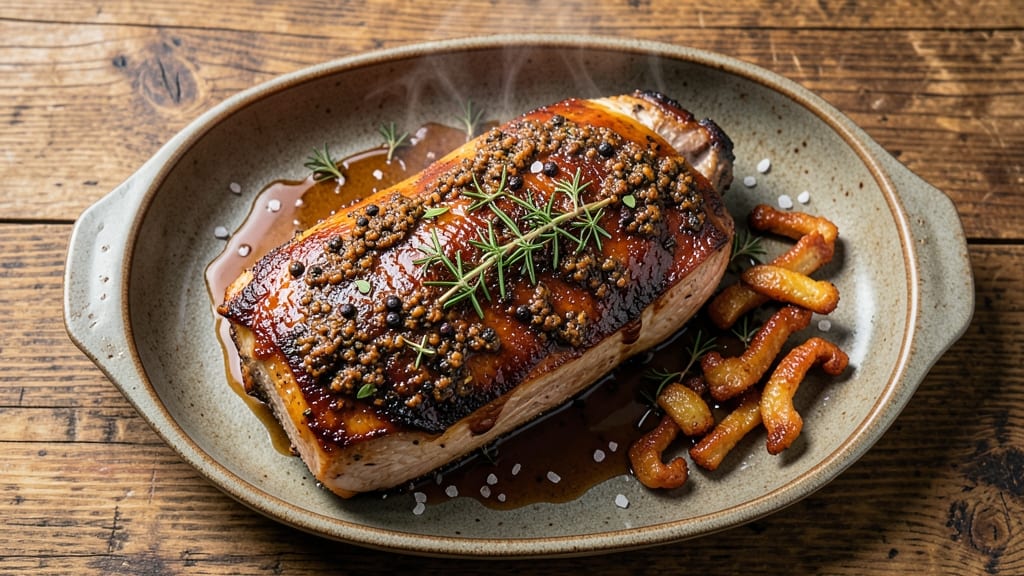
This boneless pork roast recipe from the Pioneer Woman delivers the kind of tender, fall-apart perfection that makes family dinners legendary. Inspired by her approachable yet impressive style, we're talking about a dish that transforms simple ingredients into a showstopper—no fancy techniques required.
The secret? A combination of brining for moisture and slow-braising that melts even the toughest cuts into juicy, flavorful slices that disappear faster than you can say "seconds, please."
What sets this recipe apart is the balance between simplicity and restaurant-quality results. You'll start with a basic brine to ensure maximum tenderness, then slow-cook the pork until it's so tender it practically falls apart at the touch.
The beauty of this method is its flexibility—whether you're feeding a crowd or just your family of four, the same principles apply.
And because we're keeping it true to her signature touches, we'll include a honey-mustard glaze that adds just the right amount of sweetness and tang to tie everything together.
The end result is a pork roast that's perfectly golden on the outside and melt-in-your-mouth tender on the inside, with a glossy glaze that makes it look as good as it tastes. Serve it with roasted potatoes, caramelized onions, or a simple green salad to round out the meal.
This isn't just dinner—it's a centerpiece that'll have everyone asking for the recipe. Let's get started on creating something special for your table.
Here's where her magic really shines: the versatility. This roast works equally well for a Sunday family gathering or a weeknight dinner when you want something impressive without the fuss. The slow-braising method ensures you can't go wrong, and the honey-mustard glaze adds that extra touch of elegance.
Plus, the leftovers reheat beautifully, making it a meal prep favorite for busy families. Trust me, once you try this, your pork roast game will never be the same.
Ingredients for boneless pork roast recipe pioneer woman
Six ingredients transform into melt-in-your-mouth pork roast perfection—just like Pioneer Woman's legendary slow-braised magic.
| Ingredient | Amount | Notes |
|---|---|---|
| Boneless Pork Loin Roast 🥩 | 3 lb | Center-cut for even cooking |
| Kosher Salt 🧂 | ½ cup | Diamond Crystal preferred |
| Brown Sugar 🍯 | ¼ cup | Light or dark variety |
| Black Peppercorns 🌶️ | 1 tbsp | Freshly cracked preferred |
| Fresh Thyme Leaves 🌿 | 1 tbsp | Or 1 tsp dried thyme |
| Fresh Rosemary Leaves 🌿 | 1 tbsp | Chopped, plus extra for garnish |
| Garlic Cloves 🧄 | 4 cloves | Smashed, not minced |
| Yellow Onion 🧅 | 1 whole | Quartered, skin on |
| Carrots 🥕 | 4 whole | Large, peeled, halved |
| Celery Stalks 🥬 | 4 whole | Cut into 2-inch pieces |
| Chicken Broth 💧 | 2 cups | Low-sodium preferred |
| Dijon Mustard 🍯 | 2 tbsp | For glaze, not cooking |
| Honey 🍯 | ¼ cup | Wildflower preferred |
| Apple Cider Vinegar 🍎 | 2 tbsp | For tangy balance |
| Extra-Virgin Olive Oil 🫒 | ¼ cup | For roasting pan |
The pork loin is your star here—center-cut for even cooking, not the cheaper end pieces. Costco or Whole Foods carry excellent quality, or ask your butcher for the most marbled piece they have. Look for a roast that's about 1.5 inches thick all over—this ensures even doneness. The kosher salt is non-negotiable for brining; Diamond Crystal dissolves better than table salt. Fresh herbs make all the difference, so grab a small bunch of thyme and rosemary from the grocery store's produce section—they're usually cheaper than pre-packaged. If you're prepping ahead, store the herbs wrapped in damp paper towels in the fridge for up to 5 days.
No fresh rosemary? Dried works at half the amount, but it won't have the same bright flavor. Short on garlic? Garlic powder at 1.5 times the amount gets you close, though fresh is always better. For the glaze, substitute maple syrup for honey if you're avoiding it, but the texture won't be quite as glossy. The vinegar can be swapped for lemon juice, though apple cider adds that perfect tang. And if you're making this for a crowd, double the glaze ingredients—it disappears faster than you'd think. The broth? Low-sodium is key—you don't want to over-salt your roast.
This roast tastes even better the next day, so make extra—it's perfect for sandwiches or tacos. Store leftovers in the fridge for 4-5 days or freeze for 3 months. For reheating, use the oven at 300°F until warmed through—microwaving makes it dry. The glaze can be made a day ahead and stored in the fridge; just reheat gently before serving. And if you're really planning ahead, prep the brine the night before—it'll thank you with extra-tender meat.
Why You'll Love This Recipe
- Here’s what sold me: one pork loin stretches across three meals without feeling repetitive. Shred it for tacos, dice it into fried rice, or reheat slices in a sandwich. And because it’s boneless, you’re not paying extra for bones you won’t eat. My wallet thanks me every time.
- No-Fuss Prep: I swear by this recipe because it’s literally three steps: salt, sugar, and thyme. That’s it. No brining, no basting, no fussing with herbs you’ll forget halfway through—just a quick rub and into the oven. Honestly, I make it when I’m too tired to think.
- Sweet-Savory Magic: The brown sugar crust? Chef’s kiss. It caramelizes into this sticky, slightly crispy shell that balances the peppery heat and earthy thyme. The pork stays juicy inside, and that contrast? It’s the kind of flavor that makes you close your eyes and sigh.
- Weeknight to Dinner Party: Between us, this roast works for everything. Toss it on a sheet pan for a lazy Tuesday, slice it thin for charcuterie boards, or serve it with mashed potatoes when company’s over. I’ve even fed a crowd of six with one roast—no one complained, and I got leftovers for days.
Step-by-step instructions for Pioneer Woman's slow-braised pork roast
This method transforms tough pork into melt-in-your-mouth perfection with tender, caramelized edges and rich, aromatic braising liquid.
Prepare the Dry Rub and Season the Pork
In a small bowl, combine the 0.5 cup kosher salt, 0.25 cup brown sugar, 1 tbsp freshly cracked black peppercorns, 1 tbsp chopped fresh rosemary leaves, and 1 tbsp fresh thyme leaves. Mix thoroughly until the salt and sugar dissolve into the herbs and spices, creating a coarse, fragrant paste.
Pat the 3 lb boneless pork loin roast completely dry with paper towels—this is critical for developing that beautiful crust. Rub the mixture evenly over all sides of the pork, pressing firmly so the seasoning adheres. Let the pork sit at room temperature for 30 minutes before cooking, which ensures even cooking and better seasoning penetration.
Sear the Pork for Deep Flavor
Heat a large Dutch oven over medium-high heat until hot. Add the 0.25 cup extra-virgin olive oil and swirl to coat the bottom evenly. Place the seasoned pork roast in the Dutch oven, fat-side down, and sear for 8-10 minutes until a deep golden-brown crust forms. Flip carefully and sear the other side for another 6-8 minutes until equally browned.
Remove the pork and set it aside on a plate. In the same Dutch oven, add the 1 whole yellow onion (quartered), 4 whole carrots (halved), and 4 whole celery stalks (cut into 2-inch pieces). Sear the vegetables for 5 minutes, stirring occasionally, until they begin to soften and caramelize slightly. This step builds layers of flavor that will infuse the braising liquid.
Build the Braising Liquid and Slow Cook
Return the seared pork to the Dutch oven. Add the 2 cups chicken broth, 2 tbsp Dijon mustard, 0.25 cup honey, 2 tbsp apple cider vinegar, and the 4 smashed garlic cloves. Stir gently to combine, ensuring the pork is fully submerged in the liquid. Bring the mixture to a simmer over medium heat, then reduce the heat to low to maintain a gentle bubble.
Cover the Dutch oven tightly with a lid and transfer it to a preheated 300°F oven. Braise the pork for 3-4 hours, or until the pork is fork-tender and easily pulls apart. Check the liquid level occasionally and add 1-2 tablespoons of water if it reduces too much. The pork is done when it reaches an internal temperature of 195-200°F and the vegetables are tender.
Rest and Serve with Braising Sauce
Once the pork is fully cooked, remove it from the Dutch oven and transfer it to a cutting board. Tent loosely with aluminum foil and let it rest for 15-20 minutes. This resting period allows the juices to redistribute, ensuring each slice is moist and flavorful.
While the pork rests, skim any excess fat from the braising liquid and strain it through a fine-mesh sieve into a saucepan. Simmer the sauce over medium heat for 5-7 minutes to thicken slightly. Slice the pork against the grain into ½-inch thick pieces and serve with the reduced braising sauce ladled over the top. Garnish with extra chopped fresh rosemary leaves for a pop of color and freshness.
Pro Tips For Making Boneless Pork Roast Recipe Pioneer Woman
- USE A MEAT THERMOMETER: I learned this the hard way—pork loin is forgiving, but guessing internal temps leads to dry meat. Aim for 145°F (63°C) and pull it when the probe reads that, even if it looks undercooked. The residual heat will carry it to perfect doneness.
- CRUSH THYME STEMS: Don’t toss the stems! After stripping the leaves, crush the woody stems between your fingers and sprinkle them over the pork with the leaves. They add a subtle earthy depth that fresh thyme alone misses—it’s the difference between "good" and "restaurant-quality."
- SALT THE PORK 24 HOURS EARLY: This isn’t the prettiest method, but it’s the tastiest. Generously coat the pork in kosher salt (about 1 teaspoon per pound) and let it sit uncovered in the fridge overnight. The salt breaks down the muscle fibers, making the brown sugar glaze cling better and the meat juicier.
- SEAR IN BATCHES: High heat. Seriously, crank it up. If your pan is crowded, the pork will steam instead of sear, and you’ll end up with a pale, sad crust. Work in two batches over medium-high heat—golden brown patches mean flavor, not just color. (Yes, even if you’re impatient like me.)
Common mistakes when making this recipe
Overcooking the Pork
One of the biggest mistakes is letting the pork roast dry out. Since we're aiming for that melt-in-your-mouth texture, the internal temperature should never exceed 200°F. I've seen people pull pork out at 210°F or higher, thinking it's more done—this turns it tough and stringy.
Use a meat thermometer to check the temperature every 30 minutes after 2 hours of cooking. If it's creeping above 200°F, reduce the oven temperature to 275°F and cover tightly with foil to trap moisture. 🌡️
Skipping the Resting Time
I cannot stress enough how important it is to let the pork rest for 15-20 minutes after cooking. Cutting into it too soon causes all those precious juices to run out, leaving you with dry slices.
I once rushed this step and ended up with pork that was delicious but lost half its moisture. Trust me, those few minutes make all the difference. Use this time to make your braising sauce or set the table—your patience will pay off.
Using the Wrong Cut
Not all boneless pork roasts are created equal. For this recipe, you need a center-cut pork loin roast—the cheaper end pieces with more connective tissue won't become tender enough. If your butcher offers a "pork shoulder" instead, it's not the right cut for this method.
I've made this mistake before and ended up with pork that was more like pulled pork than tender slices. Stick to the 3 lb center-cut pork loin for perfect results every time.
Neglecting the Sear
A proper sear isn't just about looks—it builds deep, caramelized flavor that carries through the entire dish. I've seen people skip this step or do a half-hearted sear, and the final result lacks that rich, savory depth.
Heat your Dutch oven until it's smoking hot before adding the oil, and let the pork sit undisturbed for the full 8-10 minutes per side. This might seem like a long time, but it's worth it for that golden crust that'll make your dish look (and taste) restaurant-quality.
Ignoring the Braising Liquid
The braising liquid isn't just for show—it's what keeps your pork moist and infuses it with flavor. I've seen people use too little broth or forget to add the aromatics (onion, carrots, celery), and the final result lacks depth.
Make sure your pork is fully submerged in the liquid, and don't skimp on the vegetables—they create a flavor base that transforms ordinary pork into something extraordinary. If the liquid reduces too much, add a splash of water or broth to keep it at the right level.
Overcrowding the Pan
When searing the vegetables, don't overcrowd the Dutch oven. I've made this mistake by adding all the carrots, celery, and onions at once, which steams them instead of searing. Work in batches if needed, and give them space to develop that beautiful caramelization.
This step might seem small, but those few minutes of proper searing make a world of difference in the final flavor. Think of it like building layers of flavor—each step builds on the last to create something truly special. 💫
Nutrition facts
Frequently asked questions
Why does Pioneer Woman's recipe use a Dutch oven instead of a regular roasting pan?
The Dutch oven is key for two reasons: it traps steam to keep the pork moist during slow cooking, and its heavy walls distribute heat evenly. This creates that signature tender texture while developing deep, caramelized flavors in the braising liquid. A regular roasting pan would dry out the pork faster and miss those rich layers of taste.
Can I substitute the honey-mustard glaze with something else?
For a tangier version, try a balsamic reduction (simmer ½ cup balsamic vinegar with 1 tbsp brown sugar until thickened). Or swap for a garlic-herb butter glaze (melt ½ cup butter with 3 minced garlic cloves and 1 tbsp chopped parsley). The glaze just adds finishing flavor—don't skip it, but