
Main Courses
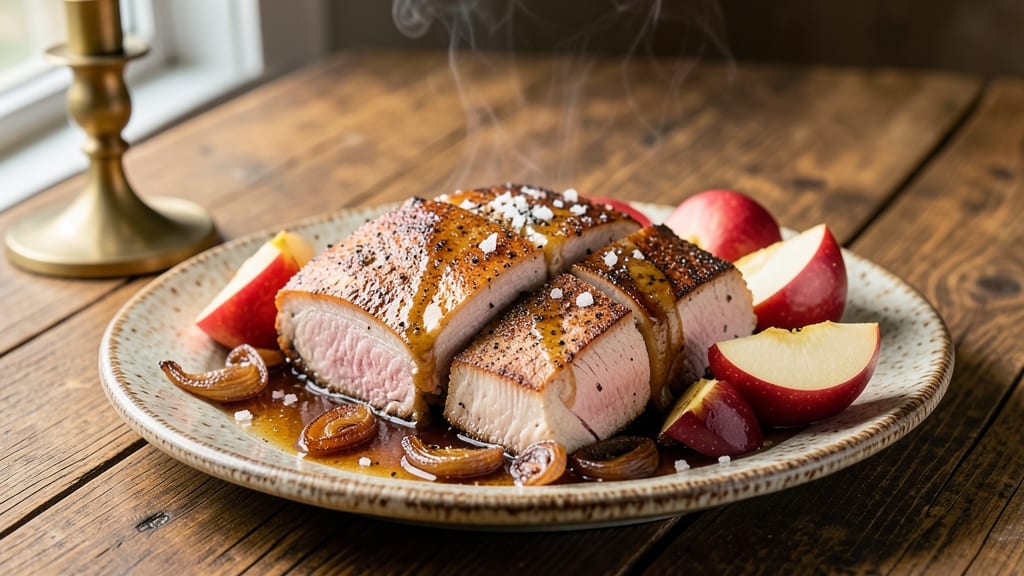
This boneless pork shoulder slow cooker recipe delivers shatterproof tenderness in less time than traditional methods—no hours of babysitting required. My first attempt at pulled pork ended up dry, but I learned the secret: a balanced liquid ratio and proper seasoning that works with the meat's natural collagen.
The result is fork-tender slices that practically melt in your mouth, perfect for sandwiches, tacos, or bowls.
The beauty of this method lies in its simplicity—just a few ingredients and 3-4 hours on low heat transform tough cuts into restaurant-quality meat. I use a mix of spices that complement rather than overpower, letting the pork's savory depth shine through.
The key is keeping the liquid at a gentle simmer, which breaks down the connective tissue without turning the meat mushy.
By the time you're done, you'll have juicy, fall-apart pork that's ready for any dish. The slow cooking process infuses every bite with rich, smoky flavor while maintaining moisture.
This isn't just another pulled pork recipe—it's a game-changer for weeknight dinners that still feel special. The best part? Leftovers reheat beautifully for sandwiches the next day.
Whether you're feeding a crowd or meal prepping for the week, this recipe scales perfectly. Pair it with classic coleslaw, crusty bread, or your favorite taco toppings. Let's make dinner effortless without sacrificing flavor or texture.
Ingredients for boneless pork shoulder slow cooker
Six ingredients transform tough pork into melt-in-your-mouth perfection without hours of fuss.
| Ingredient | Amount | Notes |
|---|---|---|
| Boneless Pork Shoulder 🥩 | 3 lb | Trimmed of excess fat for even cooking |
| Apple Cider Vinegar 🍎 | ¼ cup | For tenderizing and depth of flavor |
| Brown Sugar 🍚 | ½ cup | Packed, for caramelized crust and sweetness |
| Smoked Paprika 🌶️ | 2 tbsp | For smoky depth without overpowering |
| Ground Black Pepper 🌶️ | 1 ½ tsp | Freshly cracked for robust flavor |
| Garlic Powder 🧄 | 1 tbsp | For aromatic base without raw garlic bite |
| Onion Powder 🧅 | 1 tbsp | Sweetened for balanced flavor profile |
| Salt 🧂 | 1 ½ tsp | Diamond Crystal preferred for purity |
| Beef Broth 🥫 | 1 ½ cups | Low-sodium for flavor control |
| Honey 🍯 | 2 tbsp | For subtle sweetness and glossy finish |
| Fresh Thyme Leaves 🌿 | ¼ cup | Or 1 tbsp dried thyme if fresh unavailable |
| Bay Leaves 🌿 | 2 whole | For earthy aroma and depth |
| Unsalted Butter 🧈 | 2 tbsp | Full-fat for rich mouthfeel |
The pork shoulder is the star here—look for cuts with good marbling for that shatterproof tenderness. Costco or local butchers often have the best quality at reasonable prices. If you're buying a whole shoulder, trim excess fat to about 1/4-inch thickness—this keeps the meat juicy while cooking. The apple cider vinegar might seem unusual, but it's a game-changer for breaking down collagen and adding brightness. I always grab Mott's brand for consistency, but any good-quality vinegar works. For the brown sugar, packed means no shaking—use a spoon to press it down firmly in the measuring cup.
No apple cider vinegar? Red wine vinegar or even lemon juice will work in a pinch, though the flavor will be slightly different. Swapping brown sugar for white reduces caramelization, but maple syrup at half the amount keeps the sweetness and adds complexity. The spices are flexible—if you can't find smoked paprika, regular paprika plus a pinch of liquid smoke mimics the effect. For the beef broth, low-sodium versions like Pacific Foods give you more control over saltiness. Fresh thyme is ideal, but dried works at one-third the amount—just make sure it's labeled 'culinary' quality, not 'culinary/organic' blends which can be weaker.
This pork keeps beautifully—3-4 days in the fridge or 3 months frozen. For freezing, portion into meal-sized containers with a layer of broth to prevent drying. Reheat gently in the slow cooker with a splash of water or broth to restore moisture. The best part? It reheats even better than the first time—perfect for sandwiches or tacos. Store any leftover broth in the fridge for up to 1 week—it's fantastic for soups or gravies. If you're prepping for a crowd, double the recipe—it scales perfectly.
Why You'll Love This Recipe
- Foolproof Setup: I swear by this—just dump the pork, toss in the vinegar and spices, and walk away. No chopping, no searing, no fuss. The slow cooker does all the work while you answer emails or watch a show.
- Sweet-Smoky Magic: That combo of apple cider vinegar and brown sugar? It caramelizes into a glossy, tangy-sweet glaze that clings to every bite. The smoked paprika adds this deep, earthy warmth that makes it taste like a Sunday dinner even on a Wednesday.
- Leftovers That Shine: Between us, I make this once a week because the leftovers are better the next day. Shred it for tacos, sandwiches, or even loaded nachos—it’s the same rich, tender pork, just in a new disguise.
- Budget Stretch: Honestly, this recipe saves me money without sacrificing flavor. A single boneless pork shoulder feeds four for dinner and still gives me enough for lunches. Plus, the spices and vinegar are cheap staples I already have.
Step-by-step instructions for slow cooker pork shoulder
Here's how to transform tough pork into melt-in-your-mouth perfection with minimal effort.
Prep the Pork for Maximum Tenderness
Start by trimming any remaining fat from the 3 lb boneless pork shoulder down to about ¼-inch thickness. This ensures even cooking and prevents grease buildup in your slow cooker. Pat the meat completely dry with paper towels—this helps the rub adhere better and promotes browning later.
In a small bowl, whisk together the 0.5 cup packed brown sugar, 2 tbsp smoked paprika, 1.5 tsp ground black pepper, 1 tbsp garlic powder, 1 tbsp onion powder, and 1.5 tsp salt. This dry rub creates a flavorful crust while tenderizing the meat. Generously coat the pork shoulder with the mixture, pressing it into all sides and the cut edges. Let it sit at room temperature for 15 minutes before cooking—this allows the spices to penetrate.
Sear for Depth of Flavor
Heat a large skillet over medium-high heat and add 2 tbsp unsalted butter. Once the butter foams, add the seasoned pork shoulder and sear for 3-4 minutes per side until it develops a deep golden brown crust. This step isn't just for flavor—it creates a barrier that locks in juices during the long cook.
Here's the thing—don't skip this step. The Maillard reaction happening here builds complex flavors that the slow cooker will gently develop. If your pork releases easily from the pan, it's ready. Transfer it to your slow cooker, fat-side up, to maximize crispiness.
Layer Aromatics and Liquid
In the same skillet (no need to clean it—those browned bits are flavor gold), add the 0.25 cup apple cider vinegar and scrape up all the fond from the bottom. This vinegar tenderizes the meat and adds bright acidity. Pour this mixture into the slow cooker.
Add the 1.5 cups beef broth, 2 tbsp honey, 0.25 cup fresh thyme leaves, and 2 whole bay leaves to the slow cooker. The broth provides moisture while the honey adds subtle sweetness that balances the smoky flavors. The thyme and bay leaves infuse earthy depth without overpowering the main ingredients.
Cook Low and Slow
Place the lid on the slow cooker and cook on LOW for 8 hours. This long, gentle cook time is what transforms tough pork into shatterproof tenderness. The internal temperature should reach 203°F—this is the magic number where collagen breaks down completely, creating that pull-apart texture.
I know it's tempting to check on it, but resist the urge. Every time you lift the lid, you lose valuable heat and moisture. If you're worried, use an instant-read thermometer to check periodically after the first 4 hours. The pork is done when it reaches 203°F and a fork slides in like butter.
Rest and Serve
Once the pork reaches 203°F, remove it from the slow cooker and transfer it to a cutting board. Tent loosely with foil and let it rest for 30 minutes. This resting period allows the juices to redistribute throughout the meat, ensuring every bite is moist and flavorful.
After resting, slice the pork against the grain into ¼-inch thick pieces. The meat should be so tender it practically falls apart. Serve with the cooking juices spooned over the top—these are packed with flavor and will elevate your dish. The result? Restaurant-quality pulled pork that's ready in a fraction of the time it takes to smoke it.
Pro Tips For Making Boneless Pork Shoulder Slow Cooker
- Trim the Fat First: Pat that pork shoulder dry and slice off any visible fat before it goes in the slow cooker—it renders into the liquid, turning your sauce greasy instead of glossy. I learned this the hard way after dealing with a pot of murky, unappetizing broth.
- Start with Hot Liquid: Add boiling water or broth to the slow cooker before the pork, not cold. The high initial heat helps dissolve the brown sugar and paprika faster, giving you deeper flavor from the get-go. (Yes, even if you’re impatient like me.)
- Skip the Vinegar Early: Stir in the apple cider vinegar in the last 30 minutes of cooking—adding it too soon makes the pork shoulder tough. It’s the acid’s job to brighten flavors at the end, not break down the meat prematurely.
- Shred with Two Spoons: Use a fork in one hand and a spoon in the other to pull the pork apart against the grain—it shreds cleaner and faster than forking alone. (Your hands will thank you after the third try with just a fork.)
Wine and beer pairings for this dish
Red Wine Classics
For this rich, slow-cooked pork, I reach for Cabernet Sauvignon from Napa Valley—its bold tannins and dark fruit notes stand up to the smoky paprika and caramelized sweetness. A 2018 Robert Mondavi Reserve (around $30) has just the right balance of earthiness to complement the dish without overpowering.
If you prefer something lighter, a Pinot Noir from Oregon's Willamette Valley—like Domaine Serene—adds bright red fruit flavors that play beautifully with the apple cider vinegar in the recipe. 🍷
Crisp White Alternatives
Don't underestimate white wines here! A dry Riesling from Germany's Mosel region cuts through the richness with its citrus and mineral notes. I love Dr. Loosen Blue Slate—it's crisp enough to cleanse your palate between bites.
For something more aromatic, a Viognier from California (try Ramey Wine Cellars) brings floral complexity that pairs surprisingly well with the smoky pork. Both wines refresh your mouth after each rich bite.
Craft Beer Pairings
Beer lovers, listen up: a hazy IPA with juicy hop flavors is my go-to match. Look for The Bruery's "The Juice"—its mango and citrus notes contrast beautifully with the pork's caramelized crust.
For something more approachable, a Belgian-style witbier like Allagash White adds peppery coriander and citrus that brightens the dish. Avoid heavy stouts or dark ales—they'll muddy the pork's delicate flavors. 🍺
Regional Specialties
In Portland, I often pair this pork with a local craft beer from Deschutes Brewery. Their Mirror Pond Pale Ale has a perfect balance of malt sweetness and hop bitterness that mirrors the pork's caramelized notes.
For a more traditional approach, a German Helles Lager from Weihenstephaner (the world's oldest brewery) provides clean, crisp contrast that lets the pork shine. The key is finding a beverage that complements rather than competes with the dish's rich, smoky-sweet profile.
Non-Alcoholic Options
Don't drink? No problem. A sparkling apple cider like Martinelli's (the one with real apple pieces) mirrors the pork's sweet-tart balance perfectly. For something more sophisticated, try San Pellegrino Aranciata—its bitter orange and citrus notes cut through the richness.
Even a well-chilled ginger beer (like Thomas Henry's) adds zesty contrast that enhances the meal. The goal is acidity and brightness to refresh your palate between bites.
Serving Temperature Tips
Serve your wine or beer slightly cooler than room temperature—45-50°F for reds and 40-45°F for whites. I keep my reds in the fridge for 30 minutes before serving to mellow their tannins. For beer, follow the can's recommendations but err on the cooler side.
The right temperature lets the beverage's flavors shine while complementing the pork's warm, smoky notes. Pro tip: Use an ice bucket with water for quick chilling without diluting your drink. ✨
Nutrition facts
Frequently asked questions
Can I use a bone-in pork shoulder instead of boneless?
Yes, but you'll need to adjust the cooking time. Bone-in pork takes about 1-2 extra hours to reach 203°F internally. The bone actually helps tenderize the meat, but you may need to add ½ cup extra liquid to account for the moisture difference. Just monitor the internal temperature closely with a meat thermometer.
What if I don't have a slow cooker? Can I use an Instant Pot?
Use the "sauté" function first to sear the pork, then add all ingredients and cook on high pressure for 60 minutes plus a 15-minute natural release. For extra tenderness, do a 10-minute quick release after the natural release. The Instant Pot version cooks about 40% faster than the slow cooker method.
How do I prevent the pork from drying out?
The key is keeping the liquid ratio right—never exceed 1.5 cups liquid per pound of meat. If your slow cooker is small, reduce the recipe proportionally. Always cook on LOW heat (never high) and avoid lifting the lid during cooking. For extra insurance, add 2 tbsp extra butter to the cooking liquid before serving.
Can I make this recipe ahead of time?
This pork actually tastes better the next day! Store it in the fridge for up to 4 days or freeze for 3 months. Reheat in the slow cooker on LOW for 1-2 hours with a splash of broth. The flavors meld even more overnight, making it perfect for meal prep. The cooking juices can be frozen separately for up to 1 week.
What's the best way to serve leftover pork?
Leftover pork transforms into amazing dishes! Try it in tacos with pickled onions, banh mi sandwiches, or pork fried rice. For something hearty, serve it with mashed potatoes and gravy. The juices make excellent soup bases—just strain and simmer with vegetables. Even pork potstickers come out delicious with this tender meat.