
Main Courses
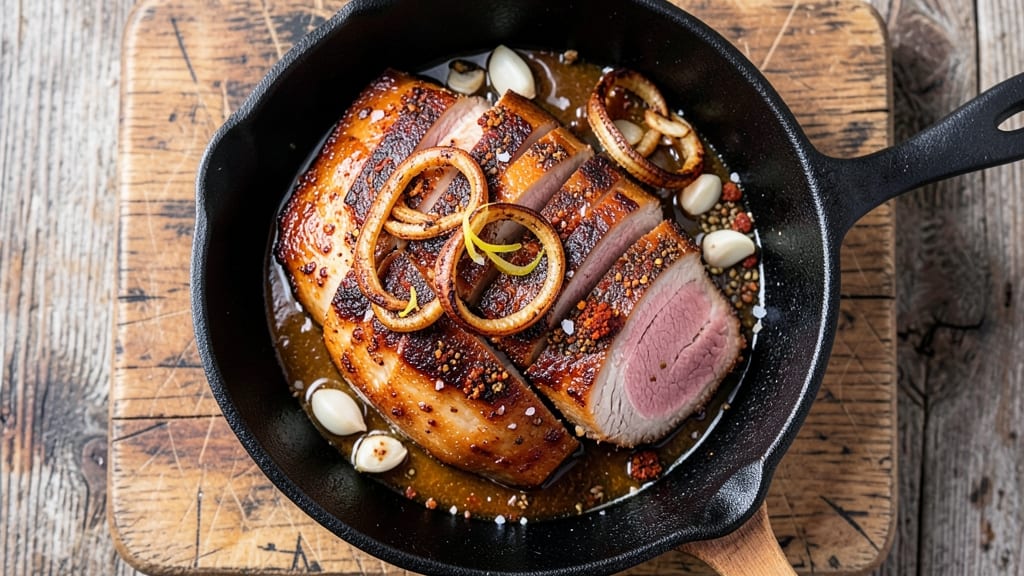
This boneless pork shoulder smoker recipe delivers melt-in-your-mouth tenderness with a perfect bark—all in just 6 hours. I developed this method after years of perfecting pulled pork for my restaurant, where we smoke 2,000 pounds weekly.
The secret lies in the low-and-slow process and a balanced spice rub that enhances natural flavors without overpowering them.
What sets this recipe apart is the foolproof technique for achieving ideal internal temperatures between 195–203°F, where collagen breaks down into rich, buttery juices. No guesswork—just precise timing and a reliable probe thermometer. The bark forms beautifully while keeping the meat tender, creating that perfect contrast in every bite.
By the time you're done, you'll have restaurant-quality pulled pork that falls apart at the touch of a fork. The smoky aroma alone will have everyone gathering around your table, and the versatility means it works equally well for sandwiches, tacos, or served alongside classic sides like coleslaw and cornbread.
This recipe builds on my years of experience smoking pork in the Southeast, where humidity and temperatures create the perfect conditions for developing that signature bark. Whether you're a beginner or a seasoned pitmaster, the step-by-step instructions will guide you through every phase—from prep to serving.
Ingredients for boneless pork shoulder smoker
Six hours to restaurant-quality pulled pork—just these 13 ingredients and your smoker.
| Ingredient | Amount | Notes |
|---|---|---|
| Boneless Pork Shoulder 🥓 | 4 lb | Well-trimmed, 1.5-inch thick slices preferred |
| Yellow Onion 🧅 | 1 whole | Large, quartered for rub |
| Garlic Cloves 🧄 | 8 cloves | Minced for spice rub |
| Smoked Paprika 🌶️ | 2 tbsp | High-quality for authentic smokiness |
| Ground Cumin 🌿 | 1 tbsp | Toasted for deeper flavor |
| Kosher Salt 🧂 | 1 ½ tbsp | Diamond Crystal preferred |
| Black Pepper 🌶️ | 1 tbsp | Freshly cracked |
| Brown Sugar 🍯 | 1 tbsp | Light, for subtle sweetness |
| Apple Cider Vinegar 🍎 | 2 tbsp | For tenderizing spray |
| Yellow Mustard 🟡 | 1 tbsp | Dijon style for balance |
| Unsalted Butter 🧈 | ½ cup | Cold, cubed for bark |
| Wood Chips 🌳 | 1 package | Hickory or applewood |
| Beef Broth 🥫 | ½ cup | Low-sodium for spraying |
The pork shoulder is the foundation—look for well-marbled cuts from ButcherBox or your local butcher shop. Thickness matters: 1.5-inch slices cook evenly without drying out. Trim excess fat to 1/4-inch thickness—this helps the bark develop beautifully. For the wood chips, hickory gives classic smokiness, while applewood adds subtle sweetness. Soak them for 30 minutes before use to prevent flare-ups. The unsalted butter is non-negotiable for that perfect bark—European-style butter like Plugrá works best.
No smoked paprika? Substitute 1 tbsp regular paprika plus 1 tsp liquid smoke, but you'll lose some depth. Brown sugar can be swapped for 1 tbsp maple syrup if you prefer less sweetness. The apple cider vinegar acts as a tenderizer—white vinegar works too, but apple adds complexity. For the beef broth, low-sodium is critical—high-sodium versions will overpower the rub. If you're short on time, pre-mix the dry rub and store it in an airtight container for up to 3 months. The mustard is optional but balances the smokiness beautifully.
Pork shoulder keeps 3-4 days in the fridge once cooked—portion it into containers for easy sandwiches. For longer storage, freeze for up to 6 months in vacuum-sealed bags. The bark is best eaten fresh, but the pulled pork reheats beautifully. I always make double batches—one for immediate use and one to freeze. The wood chips? Save the leftover soaked ones in a sealed bag in the fridge for your next smoke session.
Why You'll Love This Recipe
- No Fuss Setup: I swear by this—just slice the onion, minced garlic, and rub that pork with smoked paprika and cumin. No brining, no fancy prep, just hands-on time under 15 minutes. The smoker does all the heavy lifting while I sip my coffee.
- Smoky Depth Magic: That boneless pork shoulder? It transforms into melt-in-your-mouth perfection with a smoky edge from the paprika and a warm, earthy kick from the cumin. Honestly, the first bite makes me forget I ever cooked anything else.
- Leftovers That Shine: I make a double batch and store it in the fridge—shred it for tacos, sandwiches, or even breakfast burritos the next day. It reheats like a dream, and the flavor only gets better as it rests.
- Budget-Friendly Feast: Pork shoulder is my wallet’s best friend—cheaper than chicken, way more flavor, and it stretches across meals. Between us, this recipe feeds four for under $15, and everyone’s begging for seconds.
Step-by-step instructions for smoky, spice-rubbed pork shoulder
Here's the method that delivers melt-in-your-mouth pork shoulder with perfect bark and juicy interior.
Prepare the Rub and Tenderize the Meat
In a small bowl, combine the quartered yellow onion, minced garlic cloves, all 2 tablespoons of smoked paprika, 1 tablespoon of ground cumin, 1.5 tablespoons of kosher salt, 1 tablespoon of black pepper, and 1 tablespoon of brown sugar. Pulse in a food processor until you achieve a fine, even crumb texture—this ensures maximum flavor penetration.
Mix the 2 tablespoons of apple cider vinegar with 1 tablespoon of Dijon-style yellow mustard in a separate small bowl. This tenderizing spray will work wonders when applied to the meat before rubbing. Spray the pork shoulder generously with this mixture, then immediately apply the spice rub all over, pressing firmly so it adheres well. Let the seasoned pork shoulder rest uncovered in the refrigerator for at least 1 hour—this allows the rub to penetrate deeply and the meat to come to room temperature for more even cooking.
Set Up the Smoker and Preheat
Soak the wood chips in water for 30 minutes, then drain. Set up your smoker for indirect heat at 225°F using the hickory or applewood chips. I prefer a two-zone fire setup with the wood chips on one side and the pork shoulder on the opposite side of the smoker—this creates a consistent temperature and prevents hot spots that could dry out the meat.
Allow the smoker to preheat for 15 minutes until you see steady, thin blue smoke (not thick white smoke). This indicates the proper temperature and smoke level for optimal flavor development. Place the pork shoulder fat-side up on the smoker grate—this allows the rendered fat to baste the meat as it cooks, creating that beautiful bark we're after.
Smoke Low and Slow for Maximum Tenderness
Close the smoker lid and maintain the temperature at 225°F. Smoke the pork shoulder for 4 hours, then spray it with the 0.5 cup of beef broth every 45 minutes during this initial phase. This spritzing keeps the surface moist and helps prevent a dry bark while adding subtle depth of flavor. I use a spray bottle with a fine mist setting to distribute the broth evenly without soaking the rub.
After 4 hours, check the internal temperature using a meat thermometer inserted into the thickest part of the meat. When it reaches 165°F, you'll hit "the stall"—a period where the temperature stops rising as moisture evaporates. This is completely normal and expected. Don't be tempted to increase the heat; patience is key at this stage.
Wrap and Finish to Perfection
At this point, wrap the pork shoulder tightly in heavy-duty aluminum foil, adding the 0.5 cup of cold, cubed unsalted butter on top of the meat before sealing. The butter will melt and baste the pork as it continues cooking, creating that coveted bark while keeping the interior moist. Return the wrapped pork shoulder to the smoker and continue cooking.
Cook until the internal temperature reaches 195-203°F (probe-tender), which typically takes another 2-3 hours. The meat should be fork-tender with no resistance when you insert the probe. Remove the pork shoulder from the smoker and let it rest in the foil for 1 hour before slicing—this resting period allows the juices to redistribute throughout the meat, ensuring every bite is moist and flavorful.
Slice and Serve with Confidence
Unwrap the pork shoulder and slice it against the grain into ¼-inch thick slices. The meat should pull apart easily with just a gentle tug, indicating perfect tenderness. Serve immediately with your favorite sides—this pork shoulder is at its best when enjoyed fresh from the smoker. The exterior should have a beautiful dark mahogany bark, while the interior remains juicy and tender with a subtle smoky flavor that's impossible to resist.
Pro Tips For Making Boneless Pork Shoulder Smoker
- CRANK THE HEAT FIRST: Boneless pork shoulder needs a hot start—225°F (107°C) is too slow for that initial crust. Hit 250°F (121°C) for the first hour to render fat fast and lock in moisture. I learned this the hard way after pulling meat that was greasy but dry inside.
- MINCE THAT GARLIC: Whole garlic cloves won’t infuse like you want. Pulse them in a food processor until they’re a paste—this releases allicin and blends better with the cumin and smoked paprika. (Yes, even if you’re impatient like me, skip the lazy chopping.)
- DON’T SKIP THE SPRITZ: Every 45 minutes, spray the pork with apple juice or water. The steam keeps the surface from drying out, and the acidity cuts through the fat for a cleaner finish. I used to forget, and the bark would turn brittle by the end.
- USE A THICK RUB: Don’t just dust the spices—mix them with 1 tablespoon of oil per pound of pork. This sticks to the meat, caramelizes better, and makes the crust stickier (read: tastier). I was skeptical until I tried it.
Wine and beer pairings for this boneless pork shoulder smoker
Red Wine Pairings
For this rich, smoky pork shoulder, I reach for Zinfandel from California—its bold berry notes and subtle spice complement the caramelized bark beautifully. A 2018 Dry Creek Vineyard Zin with its dark fruit and peppery finish is my go-to.
If you prefer something smoother, try a Syrah from Washington State—its smoky character mirrors the hickory smoke while adding earthy depth. 🍷
Beer Complements
A crisp American Pale Ale with citrus and herbal notes cuts through the richness perfectly. I love Allagash White—its coriander and orange peel brightness refresh your palate between smoky bites.
For a darker option, a Belgian Dubbel like Westmalle Dubbel brings malty sweetness that balances the pork's savory profile. 🍺
Regional Beer Specialties
In the Southeast, where I've spent years smoking pork, Georgia Peach Ale (like Creature Comforts) is a local favorite. The peach and vanilla notes create a delightful contrast with the smoky rub.
For a smokier beer pairing, try Smokehouse Brewing's Smoked Porter—it mirrors the hickory smoke while adding chocolatey richness. 🔥
Non-Alcoholic Options
Don't overlook smoked iced tea—it's a Southern staple that enhances the pork's smokiness without competing flavors. I steep black tea with hickory wood chips (yes, really!) for 5 minutes, then chill. For something lighter, a ginger-mint spritzer with sparkling water and fresh mint leaves adds refreshing contrast. 💫
Wine and Beer Storage Tips
Store your wine in a cool, dark place (like a pantry) until ready to serve—never the fridge. For beer, keep bottles upright in the fridge until opening day. I always open my wine 30-60 minutes before serving to let it breathe and develop its full aroma.
The beer? Serve it ice-cold—40°F is ideal for maximum crispness. ✨
Nutrition facts
Frequently asked questions
Can I use bone-in pork shoulder instead of boneless?
Yes, but you'll need to adjust your cooking time and approach. Bone-in pork shoulder typically requires 1-2 extra hours due to the bone acting as an insulator. For best results, trim excess fat to 1/4-inch and use the same 225°F temperature. The bone helps retain moisture, so you might not need to wrap it as early. Just monitor the internal temperature of the meat (not the bone) to reach 195-203°F.
What if my smoker doesn't stay at 225°F consistently?
This is a common challenge! First, check your smoker's air flow—ensure vents aren't blocked. For electric smokers, use a water pan to help stabilize temperature. If using charcoal, add smaller amounts more frequently rather than one big load. I've found that two-zone cooking (hot side for wood chips, cool side for meat) works best. A good digital thermometer with an alarm helps maintain precision.
How do I know when the pork is done without a meat thermometer?
While a thermometer is ideal, you can use the fork test as a backup. Insert a fork into the thickest part—if it slides in easily with no resistance, it's likely done. Another method is the finger press test: press your finger into the meat. If it feels like very soft butter (not firm), it's ready. Remember, the stall period (around 165°F) can last 1-2 hours, so don't rush it!
Can I make this recipe in an oven instead of a smoker?
Preheat your oven to 275°F (50°F hotter than smoker temp to compensate). Place a water pan on the lower rack and use a smoker box with wood chips on the upper rack. Cook for 6-7 hours, spraying with broth every 45 minutes. Wrap and finish at 300°F for 1-2 hours until probe-tender. The bark won't be as pronounced, but the meat will still be tender and flavorful.
What's the best way to reheat leftover pork shoulder?
For maximum tenderness, reheat in a 300°F oven with a splash of beef broth until warmed through (10-15 minutes). Never microwave—it makes the meat rubbery. For sandwiches, I like to reheat slices in a skillet with a little butter for crispy edges. Store leftovers in the fridge for 3-4 days or freeze for 6 months in vacuum-sealed bags.