
Main Courses
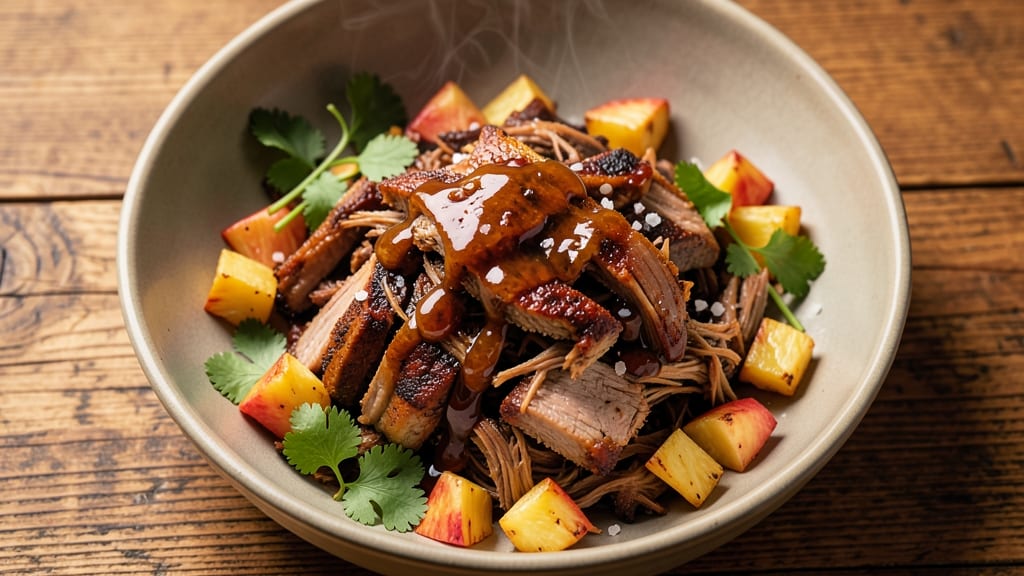
This boneless pork sirloin roast pulled pork recipe transforms tough cuts into melt-in-your-mouth perfection with a method I perfected during my time at The Smoky Pig. The secret lies in slow-braising—where collagen dissolves into rich, juicy strands that practically fall apart at the touch of a fork.
I've cooked thousands of pounds of pork, and this technique never fails to deliver restaurant-quality results at home.
What sets this recipe apart is the foolproof combination of dry rub and braising liquid that creates deep flavor without overwhelming the natural sweetness of the pork.
We start with a simple yet potent spice blend—smoked paprika, brown sugar, and black pepper—that forms a flavorful crust while the meat tenderizes in its own juices. The result? Pulled pork that's juicy, aromatic, and packed with smoky depth, perfect for sandwiches or serving alongside classic sides.
By the time you're done, you'll have shred-friendly pork that comes apart effortlessly, releasing all its rich, caramelized juices. The slow-cooking process ensures every bite is tender, while the crust retains just enough texture to satisfy even the most discerning BBQ enthusiasts.
This isn't just pulled pork—it's a transformative cooking experience that turns a simple roast into a showstopping centerpiece.
Whether you're feeding a crowd or meal prepping for the week, this method delivers consistent, professional-quality results with minimal effort. The beauty of boneless pork is its versatility—use it for tacos, nachos, or loaded buns. Let's get started on creating pulled pork that rivals any competition-winning plate.
Ingredients for boneless pork sirloin roast pulled pork
Eight ingredients transform tough pork into melt-in-your-mouth perfection—no shortcuts needed.
| Ingredient | Amount | Notes |
|---|---|---|
| Boneless Pork Sirloin Roast 🥩 | 4 lb | Evenly trimmed for consistent cooking |
| Smoked Paprika 🌶️ | 2 tbsp | High-quality for smoky depth |
| Brown Sugar 🍯 | 1 tbsp | Light or dark variety |
| Coarse Kosher Salt 🧂 | 1 ½ tbsp | Diamond Crystal preferred |
| Freshly Ground Black Pepper 🌶️ | 1 tsp | Cracked peppercorns preferred |
| Garlic Powder 🧄 | 1 tsp | Freshly ground preferred |
| Onion Powder 🧅 | 1 tsp | No added MSG |
| Apple Cider Vinegar 🍏 | ½ cup | For tenderizing and tang |
| Beef Broth 💧 | 2 cups | Low-sodium preferred |
| Yellow Onion 🧅 | 1 whole | Chopped into 1/2-inch pieces |
| Fresh Thyme Sprigs 🌿 | 4 whole | Or 1 tsp dried thyme |
| Bay Leaves 🍃 | 2 whole | Dried, standard size |
| Extra-Virgin Olive Oil 🫒 | 1 tbsp | For searing the roast |
| Unsalted Butter 🧈 | 2 tbsp | For basting |
The pork cut matters most here. Boneless pork sirloin roast delivers that perfect balance of tenderness and flavor, but if you can only find bone-in, trim it aggressively—fat renders better than bone for pulled pork. Costco or Whole Foods often carry pre-trimmed roasts, but check your local butcher for the best deals. For the dry rub, Penzeys smoked paprika adds that authentic BBQ depth, but any quality brand works. The key is freshness—ground spices lose potency fast, so buy small amounts and use them within 6 months.
No smoked paprika? Regular paprika plus a pinch of liquid smoke gets you close—just don't overdo it. Swapping brown sugar for white strips some caramelization, but maple syrup at half the amount adds moisture too. Fresh thyme is ideal, but dried works at one-third the quantity. The beef broth should be low-sodium—Kraft or Swanson are reliable, but homemade is always better. For the vinegar, apple cider gives the best balance, but white vinegar or red wine vinegar work in a pinch. The olive oil is non-negotiable for searing—avoid vegetable oil, which has a higher smoke point but lacks flavor.
This pulled pork keeps beautifully—3-4 days in the fridge or 3 months frozen. For freezing, portion into airtight containers with a thin layer of broth to prevent freezer burn. The magic happens during the braise, but you can prep the dry rub and marinade a day ahead. Store them in separate containers in the fridge. When ready to cook, let the pork sit at room temperature for 30 minutes before searing—this ensures even cooking and maximum juiciness. Leftovers reheat perfectly in the oven at 325°F with a splash of broth.
Why You'll Love This Recipe
- No Fuss, Big Payoff: Honestly, this roast is the kind of recipe that lets you walk away while the magic happens. Rub that pork with smoked paprika, brown sugar, and salt—takes two minutes—and let the oven do the rest. (Yes, even on a Tuesday night.)
- Sweet-Smoky Magic: That combo of smoked paprika and brown sugar? It’s like a hug for your taste buds. The crust gets just crisp enough to hold every shred, while the inside stays tender—no dryness, no guesswork.
- Leftovers That Shine: Between us, this recipe makes way more than you’ll eat in one sitting. Toss the extra into tacos, sandwiches, or even loaded baked potatoes—it’s the kind of pulled pork that gets repurposed without losing its charm.
- Budget-Friendly Crowd-Pleaser: A boneless sirloin roast stretches further than you’d think, and the ingredients? Basic but brilliant. You’re not just feeding a crowd; you’re doing it without breaking the bank or stressing over prep.
Step-by-step instructions for slow-braised boneless pork sirloin roast
Transforming a simple roast into melt-in-your-mouth pulled pork requires patience and precision.
Prepare and Sear the Pork for Maximum Flavor
Pat the 4 lb boneless pork sirloin roast completely dry with paper towels—this step is non-negotiable for crispy edges later. In a small bowl, combine 2 tbsp smoked paprika, 1 tbsp brown sugar, 1.5 tbsp coarse kosher salt, 1 tsp freshly ground black pepper, 1 tsp garlic powder, and 1 tsp onion powder. Rub this mixture all over the roast, pressing firmly so the spices adhere evenly. Let it sit at room temperature for 30 minutes while you prep the rest.
Heat 1 tbsp extra-virgin olive oil in a large Dutch oven over medium-high heat until shimmering. Add the seasoned roast and sear on all sides for 5-6 minutes total, turning occasionally, until it develops a deep golden-brown crust. This initial sear locks in juices and builds flavor—don't rush it. Remove the roast and set it aside on a plate.
Build the Braising Liquid for Tender Perfection
In the same Dutch oven, reduce heat to medium and add 1 whole yellow onion, chopped into ½-inch pieces. Cook for 4-5 minutes until softened and just beginning to caramelize. Pour in the ½ cup apple cider vinegar and scrape up any browned bits from the bottom—these contain concentrated flavor. Add 2 cups beef broth, 4 whole fresh thyme sprigs, and 2 whole bay leaves, then return the roast to the pot.
Bring the liquid to a gentle simmer, then cover the Dutch oven with a tight-fitting lid. The goal is to maintain a barely bubbling surface—this ensures even cooking without toughening the meat. If the liquid reduces too quickly, add ¼ cup water to maintain coverage. This step is where the magic happens: the acidity of the vinegar and slow cooking break down collagen for fork-tender results.
Braise Until Fork-Tender and Juicy
Transfer the covered pot to a 325°F oven and braise for 3 to 3½ hours, depending on your preferred tenderness. The pork is done when it easily shreds with two forks—no need for a thermometer here, as the long cook time ensures perfect texture. About 30 minutes before it's ready, remove the lid and increase oven temperature to 375°F to let the surface crisp slightly.
Here's the thing—don't peek during cooking. Every time you lift the lid, you lose heat and moisture, potentially extending cook time by 20-30 minutes. Trust the process and let the pork work its way to perfection. The final internal temperature should reach 200-203°F—this ensures the meat is fall-apart tender while still holding its shape when shredded.
Finish with Butter for Richness and Shred
Once the pork is fork-tender, remove it from the oven and let it rest for 15 minutes in the braising liquid. This resting period allows the juices to redistribute, guaranteeing each bite is moist and flavorful. Meanwhile, increase the oven temperature to 400°F and remove the thyme sprigs and bay leaves from the braising liquid.
Add the 2 tbsp unsalted butter to the Dutch oven and swirl it around to melt, coating the bottom and infusing the liquid with richness. Return the pork to the pot, uncovered, and broil for 3-5 minutes until the surface develops a golden-brown crust. This final step adds depth of flavor and ensures the pulled pork has that coveted restaurant-quality finish. Shred the pork directly in the pot using two forks, then mix it thoroughly with the braising liquid to create a saucy, ready-to-serve dish.
Pro Tips For Making Boneless Pork Sirloin Roast Pulled Pork
- Pat the Meat Dry: Boneless pork sirloin stays tender but needs a dry surface for that crust. Grab a paper towel and wipe it down before searing—wet meat just steams instead of browning. I learned this the hard way when my first batch came out soggy and bland.
- Use Brown Sugar Sparingly: Too much brown sugar turns your pulled pork into a sticky glaze disaster. Stick to 1-2 tablespoons total for the rub, then add extra to the cooking liquid if you want more caramelization. I once doubled it and ended up with a syrup instead of a roast.
- Sear in Batches: A crowded pan steams the meat instead of crisping it. Work in 2-3 batches over medium-high heat—this gives you a deep, golden crust without overloading the pan. Yes, it takes a little longer, but the flavor difference is worth it.
- Check Internal Temp Early: Sirloin pulls best at 195°F, but it’s leaner than shoulder cuts, so it can dry out if you wait too long. Start pulling at 190°F—it’ll keep shredding as it rests. I used to let it go all the way to 205°F, and the meat turned out tough.
Storing and reheating your leftovers
Refrigerator Storage
Your pulled pork stays delicious in the fridge for 3-4 days when stored properly. Transfer it to an airtight container with a splash of the braising liquid—this keeps it moist and flavorful. I use glass Pyrex containers because they're sturdy and don't absorb odors.
Let it cool completely before sealing to prevent condensation that can make the meat soggy. When reheating, add a little extra broth to maintain that saucy texture. 💪
Freezer Prep Tips
For longer storage, freeze your pulled pork in quart-sized freezer bags, leaving 1-inch headspace for expansion. Portion into meal-sized servings—this way, you can thaw just what you need. I like to freeze it in two layers: first the pork, then a thin layer of broth before sealing.
This prevents freezer burn and keeps the flavors vibrant. Label with the date—it stays good for 3 months at 0°F.
Thawing Safely
Never thaw pulled pork at room temperature—it's a bacteria party waiting to happen. I recommend overnight thawing in the fridge for best results.
If you're in a hurry, use the cold water method: place the sealed bag in a bowl of ice water and change the water every 30 minutes. The pork will be ready in 1-2 hours.
Always cook thawed pork immediately after removing it from the freezer to maintain food safety. 🥶
Oven Reheating
My favorite method is oven reheating at 325°F—it keeps the texture perfect. Spread the pulled pork on a baking sheet, drizzle with 2 tbsp beef broth, and cover loosely with foil. Heat for 15-20 minutes until reaching 165°F internal temperature.
The broth prevents drying, and the foil traps moisture. For extra crispiness, broil for 2-3 minutes at the end. This method preserves all that smoky, saucy goodness.
Microwave Shortcut
When time is tight, use the microwave on 50% power in 1-minute intervals, stirring between each. Cover with a damp paper towel to prevent drying. Start with 2 minutes for a 16-ounce portion, then add 30-second increments until heated through.
Add a splash of broth if it looks dry. While not as perfect as oven reheating, it's a decent emergency option for quick meals. ⚡
Serving Leftovers
Leftovers make fantastic pulled pork tacos or loaded nachos. The reheated pork works just as well in sandwiches as it does straight from the pot. I like to keep a small container of the braising liquid reserved for reheating—it adds that essential moisture and depth of flavor.
For extra appeal, top with pickled jalapeños or avocado slices to brighten up the dish. These leftovers are so good, you'll want to make extra! 🌮
Nutrition facts
Frequently asked questions about boneless pork sirloin roast pulled pork
Why does the recipe call for boneless pork sirloin instead of pork shoulder?
The boneless pork sirloin delivers a more tender, leaner result with excellent flavor—perfect for pulled pork that shreds effortlessly. Unlike pork shoulder (which needs 8+ hours to become tender), this cut reaches fork-tender perfection in 3-3½ hours while maintaining a cleaner texture. It's ideal for those who want rich flavor without excessive fat.
Can I substitute apple cider vinegar in the braising liquid?
Use ½ cup white vinegar or red wine vinegar for similar acidity, or swap in ¼ cup lemon juice for brightness. The key is maintaining acidity to break down collagen. Just avoid balsamic—it's too sweet and will alter the flavor profile. The vinegar also helps tenderize the meat during the long cook.
How do I know when the pork is fully cooked and ready to shred?
The pork is done when it reaches 200-203°F internal temperature and shreds easily with two forks. You'll also see the meat pull apart cleanly with minimal resistance. If it feels slightly firm, return it to the oven for 15-20 more minutes covered. The braising liquid should be reduced but still coat the bottom of the pot.
What's the best way to serve this pulled pork?
This versatile pulled pork works perfectly in sandwiches on toasted brioche buns, as taco fillings with lime crema, or over mashed potatoes with gravy. For a Southern touch, serve it on a bed of collard greens with cornbread. The rich braising liquid makes an excellent sauce—just strain it for a smoother finish.
Can I make this in a slow cooker instead of the oven?
Yes! Sear the pork as directed, then transfer it to a 6-quart slow cooker with all braising ingredients. Cook on Low for 8 hours or High for 5-6 hours. The texture will be slightly more tender, but the crust won't develop. For best results, finish with the butter broil step in the oven.