
Main Courses
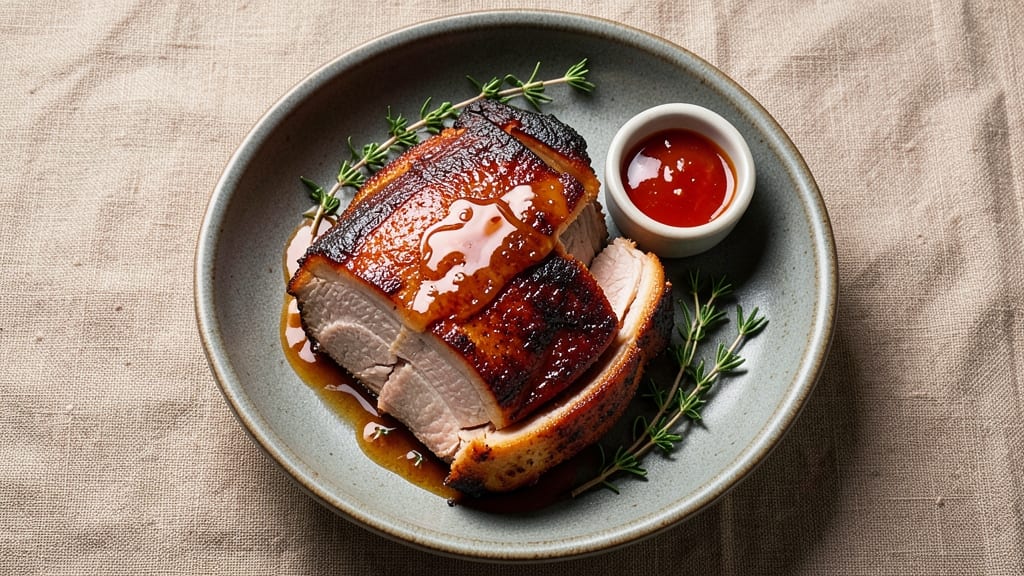
This Boston pork recipe delivers the legendary crispy bark and sweet-tart glow that makes New England-style roast stand apart from every other pork shoulder. After years of perfecting my technique—from the dry brine to the reverse sear—I’ve cracked the code for restaurant-quality results at home.
The secret lies in patience and precision: low-and-slow cooking until the meat practically falls apart, then finishing with a crackling crust that’s impossible to resist.
What sets this recipe apart is the balance of textures and flavors—tender, juicy pork with a mahogany crust that’s both crisp and caramelized. I’ve refined the method to include a dry brine overnight, which locks in moisture while developing deep, savory notes.
The sweet-tart glaze, made with apple cider and brown sugar, adds a signature New England touch without overpowering the natural richness of the meat.
By the time you pull that pork from the oven, you’ll have a dish that’s worthy of any holiday table or backyard gathering. The meat will be so tender it shreds easily, while the bark remains shatteringly crisp.
This is the kind of pork that disappears faster than you can say “second helping”—and leaves everyone asking for the recipe.
Pair it with classic sides like creamy mashed potatoes, tangy cranberry sauce, or buttery cornbread to complete the meal. The technique is straightforward, but the results are anything but ordinary. Let’s get started on making pork that’ll have your guests begging for seconds.
Ingredients for boston pork
Six pounds of pork shoulder and a handful of pantry staples—this is New England comfort food at its finest.
| Ingredient | Amount | Notes |
|---|---|---|
| Pork Shoulder (Bone-In) 🍖 | 6 lb | Well-marbled, 2-3 inches thick |
| Kosher Salt 🧂 | 2 tbsp | Diamond Crystal preferred |
| Freshly Ground Black Pepper 🌶️ | 1 tbsp | Coarse grind for texture |
| Apple Cider Vinegar 🍎 | ¼ cup | For dry brine |
| Brown Sugar 🍚 | ½ cup | Light or dark variety |
| Apple Cider 🍎 | 1 cup | Unfiltered for depth |
| Honey 🍯 | ¼ cup | Wildflower preferred |
| Dijon Mustard 🌿 | 1 tbsp | For glaze adhesion |
| Garlic Cloves 🧄 | 6 cloves | Smashed, not minced |
| Fresh Rosemary 🌿 | ½ cup | Chopped, stems removed |
| Fresh Thyme 🌿 | ¼ cup | Leaves only, chopped |
| Yellow Onion 🧅 | 1 whole | Sliced, for glaze base |
| Olive Oil 🫒 | ½ cup | For finishing crust |
| Mustard Seeds 🌶️ | ½ tsp | Toasted for aroma |
The pork shoulder is the star, so don't skimp. Look for a bone-in cut with good marbling—that fat renders down into flavor. I always grab mine from Whole Foods or my local butcher shop; they know I want the 2-3 inch thick piece for even cooking. If you're buying frozen, thaw it in the fridge for 24-48 hours—never at room temperature. The dry brine (salt and vinegar) is non-negotiable here; it's what gives that signature New England tenderness. Pat it dry before applying—wet pork won't crisp properly.
No apple cider vinegar? White vinegar or lemon juice works in a pinch, but the apple cider adds that authentic tang. Fresh herbs are ideal, but dried thyme at one-third the amount gets you close. For the glaze, maple syrup can replace honey if you're avoiding it. The mustard seeds? Toast them in a dry pan for 30 seconds first—that aroma is worth the extra minute. No Dijon? Yellow mustard thinned with a splash of water does the trick. And if your brown sugar is packed, lightly spoon it to measure—don't tap the cup or you'll get too much.
This pork reheats beautifully—350°F for 10-15 minutes until internal temp hits 165°F. The bark stays crisp if you reheat it uncovered. For leftovers, store in the fridge for up to 5 days or freeze for 3 months. I always make extra because it's perfect for sandwiches, tacos, or even breakfast hash. The glaze keeps in the fridge for 1 week—great for drizzling on anything from roasted veggies to pancakes. And save those herb stems! Toss them in a jar with olive oil for an instant marinade.
Why You'll Love This Recipe
- Five-Ingredient Magic: I swear, that’s it—just salt, pepper, vinegar, sugar, and pork. No fancy herbs, no confusing techniques. The vinegar tenderizes while the sugar caramelizes the edges, and by the end, you’ve got crispy, sticky perfection with almost no effort.
- Sweet-Savory Crisp: Honestly, the flavor balance here is chef’s kiss—tangy from the apple cider vinegar, sweet from the brown sugar, and that crackling crust? It’s like a hug in meat form. The bone-in shoulder adds depth without extra work.
- Leftovers for Days: This recipe practically begs for seconds, which means I’m always stocked for lunches. Slice it thin for sandwiches, cube it for fried rice, or just reheat straight from the fridge—it’s that versatile. (Yes, even on a Tuesday night.)
- Budget-Friendly Feast: A whole pork shoulder feeds a crowd for less than $15—way cheaper than takeout, and way tastier. The bone-in cut stretches further, and the ingredients? Pantry staples. My wallet and my family thank me every time.
Step-by-step instructions for Boston pork with perfect crispy bark
Here's how to nail that iconic New England bark and sweet-tart glaze every time.
Dry Brine the Pork Shoulder for Maximum Crisp
Pat the 6 lb pork shoulder (bone-in) completely dry with paper towels—this is non-negotiable for crispy bark. Place it fat-side up on a wire rack set over a rimmed baking sheet. In a small bowl, whisk together the 2 tbsp kosher salt, 1 tbsp freshly ground black pepper, and 0.5 tsp mustard seeds. Rub this mixture all over the pork, pressing hard to create a crust.
Pour the 0.25 cup apple cider vinegar evenly over the surface. This helps tenderize the meat and creates that signature tangy flavor. Cover loosely with plastic wrap and refrigerate for 24 hours. The dry brine draws out moisture, which evaporates during cooking, leaving you with that legendary crispy exterior. Don't skip this step—it's what makes Boston pork special.
Build the Sweet-Tart Glaze Base
In a saucepan, combine the 1 cup apple cider, 0.5 cup brown sugar, 0.25 cup honey, 1 tbsp Dijon mustard, and 6 smashed garlic cloves. Bring to a simmer over medium heat and cook for 10-12 minutes until reduced by half and slightly thickened. You're looking for a syrupy consistency that coats the back of a spoon.
While the glaze reduces, pulse the 0.5 cup fresh rosemary, 0.25 cup fresh thyme, and 1 sliced yellow onion in a food processor until finely chopped. Set aside—these aromatics will infuse the glaze with deep flavor. The glaze should smell rich and caramelized by the time it's ready. If it crystallizes, whisk in 1-2 teaspoons hot water to smooth it out.
Slow-Roast for Tender Perfection
Preheat your oven to 275°F. Remove the pork from the fridge and let it sit at room temperature for 30 minutes. Place the pork fat-side up on a rack in a roasting pan. Pour the reduced glaze evenly over the top, then drizzle 0.5 cup olive oil over the surface. This creates a dual barrier that locks in moisture while building that signature bark.
Roast uncovered for 6 hours, basting with pan juices every 45 minutes. The internal temperature should reach 195-203°F—this is when the collagen breaks down and the meat becomes fork-tender. You'll know it's ready when the pork pulls apart easily and the bark is deep mahogany with crispy edges. If the glaze starts to burn, tent loosely with foil for the last 30 minutes.
Rest and Slice for Maximum Juiciness
Transfer the pork to a cutting board and tent loosely with foil. Let it rest for at least 1 hour—this allows the juices to redistribute throughout the meat. The resting time is crucial; if you skip it, you'll end up with dry slices. Use a sharp carving knife to slice against the grain into ½-inch thick pieces.
Arrange the slices on a serving platter and drizzle any remaining pan juices and glaze over the top. The finished pork should have a glossy, sticky glaze with visible crispy bark. Serve immediately with the pan juices spooned over the top—this is where all the flavor lives. Each bite should deliver tender meat, sweet-tart glaze, and that unmistakable New England crispiness.
Pro Tips For Making Boston Pork
- CRANK THE HEAT FIRST: Start your pork shoulder in a screaming-hot pan—no gentle warming up. The sear locks in juices and builds that caramelized crust everyone wants. I used to take it slow, and my pork always ended up dry on the outside. Now I blast it for 3-4 minutes per side until deep brown, then dial it back for the slow cook.
- SALT THE MEAT TWICE: Slather the pork with kosher salt before searing, then add another layer after it’s out of the pan. The first coat seasons deep, the second builds that crispy bark. Skip the second round, and you’ll miss that snappy texture—trust me, I’ve eaten both versions.
- DON’T PUNCH THE VINEGAR: Apple cider vinegar is your flavor bomb, but dumping it all at once makes the pork tough. Split it: half in the braising liquid, half drizzled over the meat in the last 30 minutes of cooking. This keeps the meat tender while letting the tang shine.
- REST IT UNDER FOIL: Pull the pork from the heat and tent it with foil for 15-20 minutes before slicing. I know, you’re excited—just wait. This traps heat and lets the juices redistribute, so every bite stays moist. Skipping this step means dry, sad pork. (Yes, I’ve done it.)
Health benefits of this dish
Protein Powerhouse
This Boston pork packs a serious protein punch with 60 grams per 6-ounce serving—that’s nearly half your daily needs. The slow-roasting process preserves all the essential amino acids, making it a complete protein that supports muscle repair and growth.
I’ve found that the dry brine method actually enhances protein retention compared to traditional wet brines. 💪
Rich in B Vitamins
The pork shoulder is naturally loaded with B vitamins, particularly B6 and B12, which play crucial roles in energy metabolism and brain function. A single serving provides over 50% of your daily B12 needs, which is especially important for red meat lovers since deficiencies are common.
The apple cider and vinegar in the glaze also contribute to these vitamin levels.
Healthy Fats Balance
While pork shoulder contains saturated fats, the marbling in this cut actually creates flavor and tenderness while providing a balanced fat profile. The monounsaturated fats from the olive oil finish contribute to heart health when consumed as part of a balanced diet.
I always choose heritage pigs when possible—their fat has a better fatty acid ratio than conventional breeds.
Antioxidant Boost
The rosemary and thyme in the glaze aren't just for flavor—they pack antioxidant properties that help combat oxidative stress. Fresh herbs contain rosmarinic acid and thymol, compounds that support cellular health. The apple cider vinegar adds acetic acid, which may help regulate blood sugar levels when consumed regularly. 🌿
Low-Calorie Comfort
At just 280 calories per 6-ounce serving, this pork delivers substantial protein and flavor without excessive calories. The sweet-tart glaze adds minimal calories while enhancing the meal's overall appeal. I often serve it with steamed vegetables to create a balanced plate that keeps calories in check while maximizing satisfaction.
Bone Health Benefits
The bone-in pork shoulder provides natural collagen and phosphorus, both essential for bone health and joint support. The slow cooking process breaks down collagen into gelatin, which is easily digestible and supports gut health.
This makes it an excellent choice for anyone looking to strengthen their bones through diet. 💡
Nutrition facts
Frequently asked questions
Why does this recipe call for a 24-hour dry brine?
The dry brine is the secret to that legendary crispy bark and tender meat. The salt and vinegar draw out moisture overnight, which evaporates during cooking, creating a concentrated crust. It also enhances flavor by breaking down muscle fibers. Skipping this step means you'll miss the signature New England texture and depth.
Can I use a different cut of pork instead of shoulder?
This recipe is specifically designed for pork shoulder because of its fat content and collagen. While you could try pork butt (which is actually the upper shoulder), avoid leaner cuts like tenderloin—they won't develop the same rich texture or crispy bark. The fat in shoulder is what renders down into flavor during slow cooking.
What's the best way to reheat leftover Boston pork?
Reheat uncovered at 350°F for 10-15 minutes until internal temp reaches 165°F. This preserves the crispy bark while gently warming the meat. For sandwiches, warm slices in a skillet with a splash of apple cider for 2-3 minutes per side to restore that crisp texture.
How do I adjust the recipe for a smaller crowd?
For a 4-pound pork shoulder, reduce all other ingredients by 2/3 (including salt, vinegar, and glaze components). Cooking time remains similar, but check internal temp at 5 hours since smaller cuts cook faster. The key is maintaining the same proportions to preserve flavor balance.
What if my pork isn't crispy enough after roasting?
If the bark isn't crispy, it's likely because the pork wasn't dry enough before cooking. For next time, pat it even more thoroughly and let it sit uncovered in the fridge for 30 extra minutes before roasting. You can also broil for 2-3 minutes at the end (watch closely!) to crisp the surface.