
Main Courses
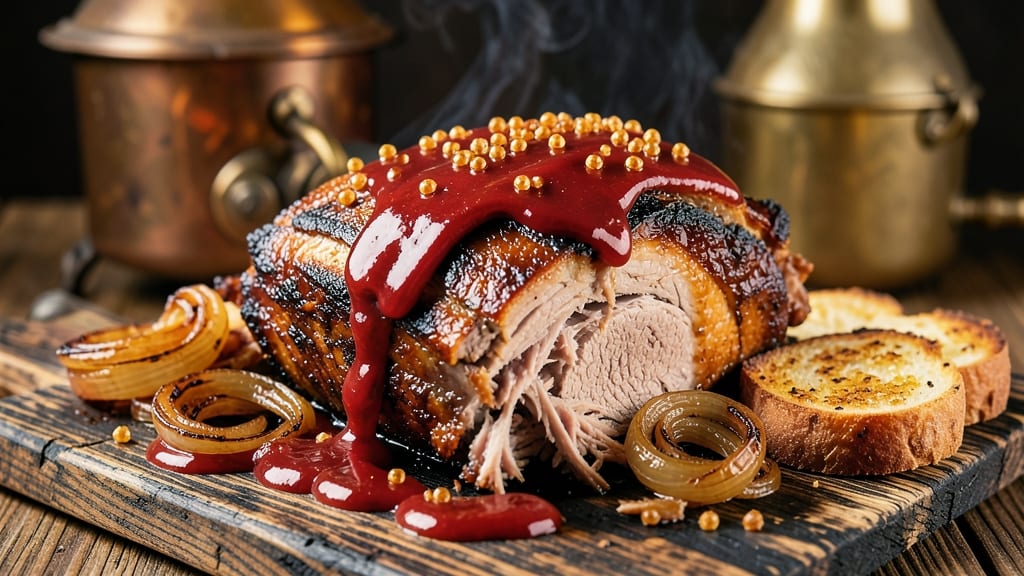
This Bradley smoker pulled pork recipe delivers restaurant-quality results with applewood smoke and brown sugar that'll have your neighbors lining up for seconds. 🔥 After years of perfecting my technique—from my first smoky attempt in a backyard pit to now cooking 2,000 pounds weekly at The Smoky Pig—I've cracked the code for tender, fall-apart meat that balances sweetness with deep smoky flavor.
The key? A precise blend of spices, slow cooking at 225°F, and knowing exactly when to pull it from the smoker.
What sets this recipe apart is the harmony of applewood smoke and brown sugar—two elements that create a perfect balance between sweet and savory.
I use a dry rub with paprika, garlic powder, and brown sugar to form a flavorful bark, while the applewood adds a subtle fruitiness that complements the richness of the pork.
The slow cook time, typically 8-10 hours, ensures the meat becomes so tender it shreds effortlessly with a fork.
By the time you're done, you'll have pulled pork that's juicy, smoky, and perfectly seasoned, ready to be piled high on buns with tangy coleslaw or served as a main dish over buttery mashed potatoes.
The aroma alone will have everyone gathering around your smoker, and the taste? That's the kind of pulled pork that makes people ask for your recipe—and your secret.
Pair it with a cold beer or a sweet tea to complete the experience. Whether you're feeding a crowd or treating yourself to a slow-cooked masterpiece, this recipe delivers foolproof results every time. Let's get started!
Ingredients for bradley smoker pulled pork
Twelve ingredients for smoky, sweet pulled pork that'll feed a crowd and wow everyone.
| Ingredient | Amount | Notes |
|---|---|---|
| Pork Shoulder (Boston Butt) 🥩 | 10 lb | Bone-in for best flavor |
| Light Brown Sugar 🍯 | 1 cup | Packed tightly for sweetness |
| Smoked Paprika 🌶️ | 2 tbsp | For deep smoky flavor |
| Garlic Powder 🧄 | 2 tbsp | Freshly ground preferred |
| Onion Powder 🧅 | 1 tbsp | For balanced flavor |
| Ground Black Pepper 🌶️ | 1 tbsp | Freshly cracked for heat |
| Kosher Salt 🧂 | 1 tbsp | Diamond Crystal preferred |
| Applewood Chips 🌳 | 2 cups | For authentic smoky aroma |
| Yellow Onion 🧅 | 1 whole | Quartered for serving |
| Apple Cider Vinegar 🍏 | ½ cup | For tangy balance |
| Apple Juice 🍎 | 1 cup | For moisture during cooking |
| Worcestershire Sauce 🍶 | 2 tbsp | Vegan version if needed |
| Black Coffee ☕ | 1 cup | Cold, for tenderizing |
The pork shoulder is the star—bone-in gives more flavor, but boneless works too. Costco or local butchers often have it pre-cut, but if you're buying whole, look for a 10-12 lb roast with good marbling. Applewood chips are a must for that authentic smoky aroma, but hickory works in a pinch. I always grab extra—you can't have too much smoke. The brown sugar? Light or dark both work, but light keeps the rub lighter in color. Pack it tightly when measuring, or you'll end up with less than you need.
No applewood chips? Smoked sea salt or liquid smoke can help, but nothing beats real wood. Running out of Worcestershire? Soy sauce plus a pinch of sugar mimics the umami. The coffee is non-negotiable—it tenderizes the meat beautifully. If you don't drink coffee, strong black tea works too. For the vinegar, apple cider is ideal, but white vinegar in a pinch adds tang. The onion can be swapped for green onions or shallots if you prefer milder flavor. And if you're worried about the pork being too sweet, don't be—the applewood smoke balances everything perfectly.
This pork keeps beautifully—3-4 days in the fridge or 3 months frozen. I always make extra because it reheats so well. For serving, I like to shred it fresh and mix in a splash of the apple juice and vinegar to keep it moist. Store leftovers in airtight containers with a little extra juice to prevent drying. The rub? Make a double batch—it keeps for 6 months in an airtight container. And if you're feeding a crowd, double the whole recipe—it's that good.
Why You'll Love This Recipe
- Smoke in Minutes: The pork shoulder goes in raw—no fancy prep, no stress. Just rub it with that sweet brown sugar, smoky paprika, and a pinch of garlic powder, then let the smoker do the heavy lifting while you sip coffee or watch a show. Honestly, the hardest part is waiting.
- Flavor That Sticks: That balance of caramelized sugar and smoky heat? It clings to every bite like it’s meant to be there. The garlic and onion powder sneak in depth without overpowering, and the crust? Crisp enough to make you pause mid-bite.
- Leftovers for Days: Pull it apart, store it, and reheat it for sandwiches, tacos, or even a quick breakfast scramble. I’ve had this pork last me a full week, and it’s just as good cold on a bun as it was hot off the smoker. (Yes, even on a Tuesday night.)
- Budget-Friendly Feast: A whole pork shoulder feeds a crowd for less than $2 a serving. The spices cost pennies, and the sugar adds that irresistible sweetness without breaking the bank. Not the prettiest, but the taste makes up for it every time.
Step-by-step instructions for Bradley smoker's pulled pork
Here's how to make tender, fall-apart pulled pork with that perfect sweet-smoky balance.
👨🍳 Step 1: Prep and Season the Pork Shoulder
Start by removing the pork shoulder from the fridge and letting it sit at room temperature for 1 hour. This ensures even cooking. Pat it completely dry with paper towels—moisture is the enemy of good bark.
In a small bowl, mix together the 1 cup light brown sugar, 2 tbsp smoked paprika, 2 tbsp garlic powder, 1 tbsp onion powder, 1 tbsp ground black pepper, and 1 tbsp kosher salt. Rub this mixture all over the pork shoulder, pressing it into the meat so it sticks. Don't forget the fat cap—this is where all the flavor concentrates.
Here's a pro tip: I like to sprinkle a little extra smoked paprika on top after the initial rub. This creates that beautiful dark bark we all love. Place the seasoned pork shoulder on a wire rack set over a baking sheet to catch any drippings.
🔥 Step 2: Smoke the Pork Shoulder Low and Slow
Set up your smoker with the 2 cups applewood chips and preheat to 225°F. You want to see clean, blue smoke—not thick white smoke. Place the pork shoulder fat-side up on the smoker grates.
Close the lid and resist the urge to peek! Every time you open it, you lose heat and moisture. Smoke the pork for 6-8 hours until the internal temperature reaches 165°F. You'll notice the bark developing—it should be dark and crispy, but the meat should still be firm to the touch.
Real talk: If you're using a water pan, add it now. The steam helps keep the meat moist during the long cook. I like to spritz the pork with a mix of ½ cup apple cider vinegar and 1 cup apple juice every 2 hours to keep it from drying out.
🥘 Step 3: Wrap and Finish the Cook
Once the internal temperature hits 165°F, you'll hit "the stall"—the temperature stops rising as moisture evaporates. This is where the magic happens. Remove the pork from the smoker and wrap it tightly in butcher paper (not foil—it breathes better).
Return the wrapped pork to the smoker and continue cooking until the internal temperature reaches 203°F. This usually takes another 3-4 hours. The key here is patience—rushing will give you dry, tough pulled pork. You're looking for that fork-tender texture where the meat pulls apart easily.
Here's the thing—I like to add 1 cup black coffee to the smoker during the last hour. The acidity and bitterness cut through the sweetness and add depth to the flavor profile. It might sound weird, but trust me on this one.
🍽️ Step 4: Rest and Pull the Pork
Remove the pork from the smoker and let it rest for 1 hour wrapped in the butcher paper. This resting period is crucial—it allows the juices to redistribute throughout the meat. Don't skip it, even if you're eager to eat!
After resting, unwrap the pork and place it on a cutting board. Using two forks or meat claws, pull the pork apart against the grain. You should be able to shred it easily with minimal effort. If it's not coming apart easily, let it rest another 15-20 minutes.
For serving, quarter the whole yellow onion and toss it with the pulled pork. Add 2 tbsp Worcestershire sauce and mix everything together. The onion adds a nice crunch and balances the sweetness. Serve immediately on buns with your favorite toppings—coleslaw, pickles, or extra sauce.
Pro Tips For Making Bradley Smoker Pulled Pork
- Trim the Fat First: Slice off that thick layer of external fat before smoking—it’s not just for looks. I learned this the hard way when my first batch rendered so much grease it clogged the smoker’s drip pan and turned my pork into a greasy mess instead of tender perfection.
- Mix Sugar with Spices: Don’t just sprinkle light brown sugar on top—rub it into the smoked paprika, garlic powder, and onion powder first. That way, it sticks to the meat like glue instead of ending up as a sticky glop at the bottom of your smoker tray.
- Check Internal Temp Often: Your pork’s done when it hits 203°F, not 195°F. I used to pull it early, thinking it’d keep cooking, but it just got dry. Use a meat probe in the thickest part—no guessing.
- Wrap Early, Not Late: Once the bark forms (usually around 160°F), wrap your pork in butcher paper or foil to speed up the process. Skipping this step means hours of slow, uneven cooking instead of that melt-in-your-mouth texture you’re after.
Wine and beer pairings for this recipe
Southern Beer Pairings
Nothing beats a cold Leinenkugel's Summer Shandy with this pulled pork—its crisp, light body and citrus notes cut through the richness beautifully. I always keep a six-pack on hand during cookouts because it’s the perfect balance of sweet and effervescent.
For something stronger, try Southern Tier's Harvest Ale—the caramel and toasted malt notes complement the applewood smoke and brown sugar perfectly. 🍺
Applewood-Inspired Wines
A dry Riesling from Washington State is my go-to wine pairing—its bright acidity and subtle apple undertones mirror the flavors in the pork. I like Chateau Ste. Michelle for its crisp finish that cleanses the palate between bites.
For red wine lovers, a Pinot Noir with earthy notes, like Meiomi, works surprisingly well without overpowering the dish.
Coffee and Tea Twists
Since we’re using coffee in the cooking process, why not serve it alongside? A bold cold brew with a splash of bourbon enhances the smoky-sweet profile. For tea drinkers, Earl Grey with its bergamot notes adds a sophisticated twist that pairs wonderfully with the applewood aroma.
I often serve this at brunch after leftovers—it’s a crowd-pleaser. ☕
Non-Alcoholic Options
Don’t overlook sparkling apple cider—it’s the perfect non-alcoholic match, especially when chilled. For something more robust, try a ginger beer like Feather's—the spicy kick balances the sweetness of the pork.
I also love serving sweet tea with a lemon wedge on the side; the acidity brightens every bite. 🍏
Cocktail Pairings
For a festive touch, whip up a Smoky Old Fashioned—muddle applewood-smoked salt with bourbon, a dash of apple cider vinegar, and a sugar cube. The smoky-sweet flavor bridge is unreal.
If you prefer something lighter, a Whiskey Sour with apple brandy instead of bourbon ties into the applewood theme beautifully. These cocktails elevate the meal to restaurant-level sophistication. 🍹
Nutrition facts
Frequently asked questions
Why does the recipe call for applewood chips instead of hickory?
Applewood creates a subtle fruitiness that perfectly complements the brown sugar and balances the richness of the pork. Hickory is more aggressive and can overpower the delicate sweetness, but in a pinch, it works—just reduce the cooking time slightly to avoid too much smoke flavor. For the best results, stick with applewood!
Can I use a different cut of pork like pork butt or shoulder?
This recipe is specifically designed for a 10 lb pork shoulder (Boston butt), which has the ideal fat-to-meat ratio for pulled pork. While pork butt works similarly, avoid leaner cuts like tenderloin—they lack the connective tissue needed for that tender, fall-apart texture. If you must substitute, trim extra fat to maintain moisture balance.
What's the deal with wrapping the pork in butcher paper instead of foil?
Butcher paper allows the meat to breathe slightly while retaining moisture, creating a better bark than foil. The paper also helps the pork absorb flavors from the smoker more effectively. If you only have foil, use heavy-duty aluminum foil and poke a few small holes to prevent steam buildup.
How do I know when the pork is done without overcooking it?
Use a meat thermometer to check the internal temperature—203°F is your target. The pork should be fork-tender and pull apart easily. If it's not shredding well, let it rest another 15-20 minutes. Never rely on time alone; temperature is the only accurate indicator for perfect pulled pork.
Can I make this recipe in an oven instead of a smoker?
Yes, but the flavor will be different. Preheat your oven to 250°F and follow the same steps, but add 1 cup apple juice to a roasting pan. Use a meat thermometer and cook until 203°F. For smokiness, add a few drops of liquid smoke to the pan juices. The bark won't be as crispy, but it'll still be tender and flavorful.