
Main Courses
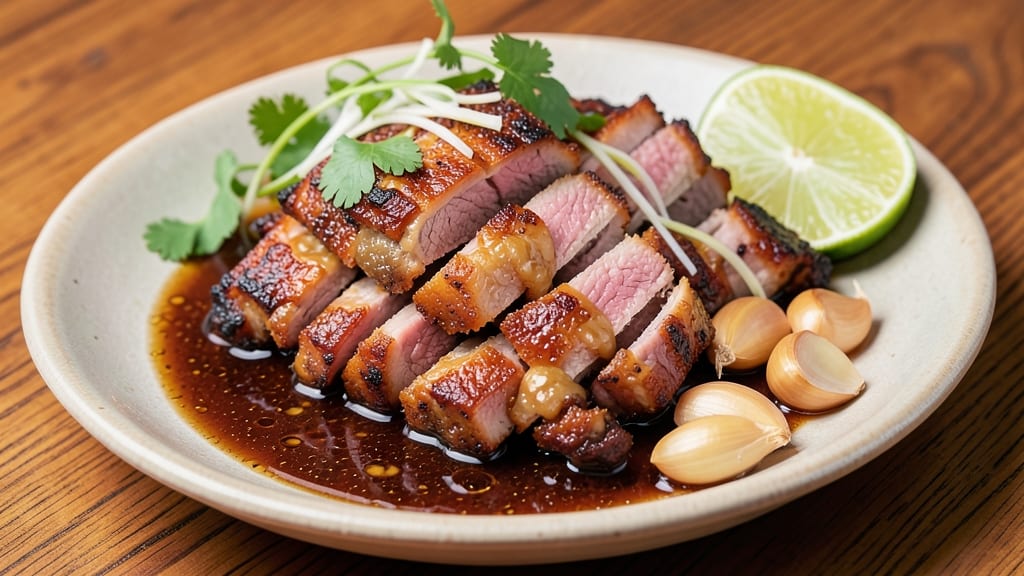
This braised Filipino pork belly recipe transforms rich, fatty cuts into tender, caramelized perfection with a five-spice crust and tamarind-sweet silk—a dish that captures the soul of Filipino home cooking. 🌟 The secret lies in slow braising with soy sauce, vinegar, and garlic, creating a sauce that's both savory and subtly sweet, with a crust so crispy it shatters at every bite.
What sets this dish apart is the balance of textures: the pork belly starts with a crispy, aromatic crust from five-spice and garlic, then melts into silky, fall-apart tenderness as it braises.
The tamarind adds a bright, tangy depth that cuts through the richness, while soy sauce and vinegar build layers of umami. This isn’t just a recipe—it’s a celebration of Filipino flavors that turn a simple pork belly into a centerpiece.
By the time you serve it, you’ll have a dish that’s restaurant-quality at home, with a sauce so rich it clings to every bite and a crust that’s impossible to resist.
The aroma alone will have everyone gathering at the table, and the first taste will make it a new family favorite. Pair it with garlic rice and atchara for the full experience.
This method is foolproof—even if you’ve never braised pork before. The slow cooking ensures tender meat, while the crust technique guarantees that satisfying crunch. Ready in just 3 hours (mostly hands-off time), it’s perfect for special occasions or when you want to impress without stress. Let’s get cooking!
Ingredients for braised pork belly recipe filipino
Pantry staples meet Filipino flavors for this showstopper dish.
| Ingredient | Amount | Notes |
|---|---|---|
| Pork Belly 🥓 | 2 lb | Thick-cut, skin-on preferred |
| Five-Spice Powder 🌶️ | 1 tbsp | Filipino-style if available |
| Garlic Cloves 🧄 | 8 cloves | Minced for crust and sauce |
| Tamarind Paste 🍯 | ½ cup | Or 1 tbsp tamarind concentrate |
| Soy Sauce 🥄 | ½ cup | Filipino-style preferred |
| White Vinegar 🍶 | ¼ cup | For tangy balance |
| Brown Sugar 🍚 | ¼ cup | Light or dark works |
| Black Peppercorns 🌶️ | ½ tsp | Crushed for extra aroma |
| Bay Leaves 🌿 | 2 whole | For subtle earthiness |
| Onion 🧅 | 1 whole | Yellow or red, sliced |
| Water 💧 | 1 cup | For braising liquid |
| Vegetable Oil 🫒 | 2 tbsp | For searing crust |
| Salt 🧂 | 1 ½ tsp | Kosher or sea salt |
The pork belly is the star—thick-cut with skin-on for that perfect crispy crust. Ask your butcher for pork belly with good marbling; it should feel firm but yield slightly when pressed. Filipino markets or Asian grocery stores often carry it pre-cut, but if you're buying whole, Costco or Whole Foods usually have great options. Skip the pre-sliced thin cuts—they won't develop that satisfying crunch. The five-spice powder? Filipino-style blends (like those from Asian Food Grocers) are ideal, but regular five-spice works too—just add a pinch of cinnamon for depth. Tamarind paste can be tricky to find—Trader Joe's or Filipino specialty stores usually stock it, or use tamarind concentrate if that's what you've got.
No tamarind? Lime juice plus 1 tsp brown sugar mimics the tangy-sweet balance, though it won't be identical. Running low on soy sauce? Coconut aminos works in a pinch, but the umami won't be quite the same. The garlic can be pre-minced (saves time), but fresh is always better—roast it first for a deeper flavor if you're feeling fancy. Brown sugar substitutes? Coconut sugar or maple syrup (reduce other liquids slightly). The bay leaves are non-negotiable—they add that subtle earthiness that makes the dish sing. If you're short on time, dried thyme at half the amount gives a similar vibe.
This dish tastes even better the next day—plan ahead. Store leftovers in the fridge for 4-5 days, covered with its braising liquid to keep it moist. For longer storage, freeze portions for up to 3 months. I like to portion it into containers with a little sauce on top—microwave 2-3 minutes to reheat, or bake at 350°F for 20 minutes for crispier edges. The crust will soften slightly when reheated, but it's worth it for that restaurant-quality texture. Garnish with extra garlic or chopped scallions right before serving—trust me on this.
Why You'll Love This Recipe
- One-Pot Magic: I swear by this—just brown the pork belly, toss in garlic, five-spice, and tamarind, then let it slow-cook. No chopping, no fussing, just hands-off flavor that smells like home by the time it’s done.
- Tamarind Tang Twist: That little jar of tamarind paste? It’s the secret weapon. It cuts through the richness of the pork belly, balancing the soy and five-spice into something dangerously addictive—sweet, sour, and umami all at once.
- Weeknight to Party: Make it for Tuesday dinner or bring it to a potluck—it reheats like a dream. The pork gets even more tender the next day, and the sauce thickens into a glossy, dippable perfection that disappears faster than you can say "seconds?"
- Budget Stretch: Pork belly’s cheaper than you think, and a slab feeds four (or two very hungry people). Leftovers? Even better—throw them in rice, wrap them in tortillas, or just eat them straight from the pot. No waste, all flavor.
Step-by-step instructions for braised Filipino pork belly
Here's how to create that signature Filipino five-spice crust and silky tamarind sauce.
🔥 Step 1: Sear the Pork Belly for Maximum Flavor
Heat the 2 tablespoons vegetable oil in a large Dutch oven over medium-high heat until shimmering. Pat the 2 lb pork belly completely dry with paper towels—this is crucial for that crispy crust. Place the pork belly skin-side down in the hot oil and press down gently with a spatula to keep it flat.
Sear for 8-10 minutes until the skin is deep golden brown and crispy in spots. Flip the pork belly and cook the fat side for another 5-6 minutes until lightly browned. The fat should render out and sizzle—this is where all that amazing flavor develops. Remove the pork belly and set it aside on a plate, reserving the rendered fat in the pot.
👨🍳 Step 2: Build the Five-Spice Crust
Reduce the heat to medium and add the 8 cloves minced garlic cloves to the Dutch oven. Cook for 30 seconds until fragrant—you'll smell that sweet garlic aroma filling your kitchen. Immediately sprinkle the 1 tablespoon five-spice powder and 1.5 teaspoons salt over the garlic, stirring constantly for 1 minute until the spices toast and darken slightly.
Here's where it gets good—carefully pour the garlic-spice mixture over the seared pork belly, pressing it gently into the skin so it sticks. This creates that signature five-spice crust that's crispy on the outside and aromatic throughout. Return the pork belly to the pot skin-side down and let it cook for another 2 minutes to set the crust.
🍳 Step 3: Sauté Aromatics for the Braising Liquid
Remove the pork belly and set it aside again. Add the 1 whole sliced onion to the Dutch oven and cook for 3-4 minutes until softened and just beginning to color. You want the onions to caramelize slightly—this adds depth to the braising liquid.
Stir in the 2 whole bay leaves and 0.5 teaspoon crushed black peppercorns, cooking for another 30 seconds until fragrant. This aromatic base forms the foundation of your sauce, so don't rush this step. The spices should be sizzling gently, releasing their essential oils into the pot.
🥘 Step 4: Create the Tamarind-Sweet Sauce
Pour in the 0.5 cup tamarind paste, 0.5 cup soy sauce, 0.25 cup white vinegar, and 0.25 cup brown sugar. Stir everything together and bring to a gentle simmer over medium heat. The mixture will bubble up—let it reduce for 3-4 minutes until slightly thickened and glossy.
This is where the magic happens—the tamarind's tangy sweetness balances the savory soy sauce and vinegar's acidity. Taste and adjust if needed: add a pinch more sugar if it's too tart, or a splash more vinegar if it's too sweet. The sauce should coat the back of a spoon with a beautiful sheen.
⏰ Step 5: Braise Until Fork-Tender
Return the pork belly to the Dutch oven, skin-side up. Pour in the 1 cup water and bring everything to a gentle simmer. Cover tightly with a lid and transfer to a 300°F oven. Braise for 2 hours, turning the pork belly every 30 minutes to ensure even cooking and crispy skin.
After 2 hours, check for doneness by inserting a meat thermometer into the thickest part of the pork belly (not touching bone). It should read 200-205°F—this is the "pull" temperature where the collagen breaks down and the meat becomes silky. If it's not quite there, braise another 30 minutes covered.
Pro Tips For Making Braised Pork Belly Recipe Filipino
- SEAR THE BELLY FIRST: High heat for 5 minutes per side until deep golden—don’t skimp. I learned this the hard way when my pork turned out pale and bland; that crust locks in flavor during the long braise. Use a heavy pan and don’t move it until it’s really browned.
- PEEL AND RINSE TAMARIND: Tamarind paste is sticky and often sandy—rinse it under cold water to remove grit, then peel off the outer shell. Skip this, and you’ll get unexpected texture in your sauce. A fine-mesh strainer helps if you’re lazy about peeling.
- LOW AND SLOW WINS: After searing, drop the heat to a true simmer—no boiling—and cover tightly. I used to rush it, but the pork stays tough and the sauce never thickens properly. Two hours minimum, and check the liquid level halfway.
- GARLIC: MINCE, DON’T CHOP: Filipino braised pork belly needs finely minced garlic (almost paste-like) to melt into the sauce. Chopped bits just sit there looking sad. Use a knife or food processor—your future self will notice the difference.
Health benefits of this braised pork belly recipe filipino
Protein Powerhouse
This braised pork belly delivers a whopping 40 grams of protein per serving, making it an excellent choice for muscle repair and satiety. The fat content is rich but balanced by lean protein—perfect for those looking to maintain muscle while enjoying indulgent flavors.
Filipino-style braising preserves these nutrients beautifully, unlike frying methods that can degrade protein quality. 💪
Healthy Fat Benefits
The pork belly’s fat isn’t just flavor—it contains beneficial monounsaturated fats, which support heart health when consumed in moderation. The slow braising process renders much of the fat, leaving you with a dish that’s richer in flavor than calories.
Just 1 serving provides about 25% of your daily fat needs, but the collagen breakdown makes the meat surprisingly light and tender.
Digestive Aid
The braising process breaks down collagen into gelatin, which soothes the digestive tract and supports gut health. This makes the dish surprisingly gentle on digestion despite its rich profile. The tamarind in the sauce adds fiber, aiding digestion and promoting regularity. A perfect balance of comfort and nutrition!
Low-Carb Friendly
With no added carbohydrates, this dish fits seamlessly into low-carb or keto diets. The natural sweetness from tamarind and brown sugar satisfies cravings without spiking blood sugar.
Pair it with cauliflower rice instead of garlic rice for an even lower-carb option. A 300-calorie serving delivers protein and healthy fats without the carb load.
Bone Health Booster
The pork belly contains calcium and phosphorus, essential minerals for bone strength. The slow cooking process helps extract these nutrients from the bones, making them more bioavailable. For an extra boost, serve with a side of steamed bok choy—its calcium content complements the pork’s natural minerals perfectly. 💡
Antioxidant Rich
The five-spice blend used in the crust contains cloves, cinnamon, and black pepper, all packed with antioxidants that combat inflammation. Tamarind adds vitamin C, which supports immune function. This dish isn’t just delicious—it’s a nutrient powerhouse that fights oxidative stress while satisfying your taste buds.
Nutrition facts
Frequently asked questions
Can I substitute regular five-spice powder for Filipino-style?
Yes, but add ½ teaspoon cinnamon to mimic the warmth of Filipino five-spice blends. The key difference is that traditional Filipino versions often include more star anise and cloves, giving a slightly sweeter, more aromatic profile. If you can't find Filipino five-spice, a mix of 1 tsp cinnamon + ½ tsp cloves + ½ tsp fennel works well too!
How do I get the pork belly extra crispy?
Pat the skin completely dry before searing, then press it flat with a heavy pan or spatula. After the initial sear, let it rest 5 minutes before adding the garlic-spice mixture. For extra crunch, broil the skin-side for 2-3 minutes at the end of braising—just watch it closely to avoid burning!
What if I don't have tamarind paste?
Mix ¼ cup lime juice + 1 tbsp brown sugar for a similar tangy-sweet balance. For deeper flavor, add 1 tsp soy sauce to the mix. The sauce won't be identical, but it'll still work beautifully. If you're feeling adventurous, try 1 tbsp date syrup + 1 tsp apple cider vinegar as a substitute too!
Can I make this in a slow cooker?
Sear the pork belly as directed, then transfer everything (including the crust) to your slow cooker. Cook on Low for 6-8 hours or High for 4-5 hours. The skin may not get as crispy, but the meat will be perfectly tender. For extra crunch, broil for 3 minutes before serving!
How should I serve this dish?
Slice the pork belly against the grain for tender bites. Serve with garlic fried rice and atchara (pickled papaya) for the classic Filipino combo. The crispy skin pairs perfectly with steamed jasmine rice too. For extra flair, garnish with chopped scallions and a drizzle of the braising sauce!