
Main Courses
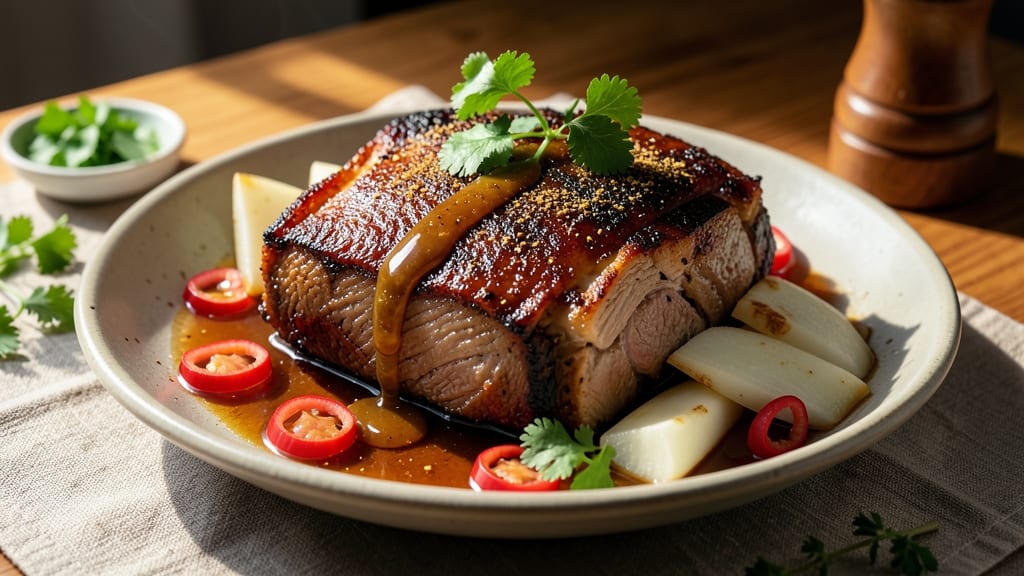
This Singaporean braised pork belly recipe delivers the perfect balance of crispy five-spice bark and tender, tamarind-glazed meat—a dish that transports you to a bustling hawker stall with every bite. 🌟 The secret lies in slow-braising the pork until it's fall-apart tender, then finishing with a caramelized crust that crackles with every bite.
I first discovered this technique during a trip to Singapore, where the aroma alone had me lining up for seconds.
What sets this recipe apart is the marriage of traditional Singaporean flavors—five-spice powder, tamarind, and coconut milk—with a modern approach to texture.
The pork belly starts with a dry-rub of five-spice and salt, creating that signature crispy bark, while the braising liquid infuses the meat with deep, savory notes.
Unlike many recipes, this one doesn't require hours of babysitting; the slow cooker does most of the work while you focus on the crispy finish.
The result is a dish that's rich, aromatic, and impossibly tender, with a glossy tamarind glaze that adds a touch of tangy sweetness. Serve it over steamed jasmine rice with a side of quick-pickled vegetables or chili paste for the full Singaporean experience.
The contrast between the crispy exterior and melt-in-your-mouth interior makes this dish unforgettable—exactly the kind of meal that turns a simple dinner into a celebration.
This recipe is designed to impress without being intimidating, making it perfect for both weeknight dinners and special occasions. The flavors develop as they cook, so timing is everything—let the pork belly braise until it's tender enough to pull apart with a fork, then finish with that all-important crispy bark.
Trust me, the effort is worth every bite.
Ingredients for braised pork belly recipe singapore
Pantry staples meet Singaporean street food magic—this list delivers crispy, fragrant pork belly with minimal fuss.
| Ingredient | Amount | Notes |
|---|---|---|
| Pork Belly 🐖 | 2 lb | Skin-on, cut into 2-inch cubes |
| Five-Spice Powder 🌶️ | 2 tbsp | Authentic Singaporean blend |
| Kosher Salt 🧂 | 1 ½ tbsp | Diamond Crystal preferred |
| Tamarind Paste 🍯 | ½ cup | Thick, unsweetened preferred |
| Coconut Milk 🥥 | 1 can | Full-fat, 13.5 oz can |
| Light Brown Sugar 🍚 | ¼ cup | Packed, not packed |
| Soy Sauce 🥢 | ¼ cup | Dark, Japanese preferred |
| Garlic Cloves 🧄 | 6 cloves | Minced, fresh preferred |
| Fresh Ginger 🧅 | ½ cup | Julienned, about 2-inch piece |
| Green Onions 🧅 | ¼ cup | Sliced, white and green parts |
| Sesame Oil 🫒 | 1 tbsp | Toasted, for finishing |
| Jasmine Rice 🌾 | 2 cups | Uncooked, for serving |
| Vegetable Oil 🫒 | 2 tbsp | High smoke point for searing |
The pork belly is non-negotiable—skin-on for that signature crackle, and 2-inch cubes ensure even cooking. Look for thick-cut belly at Asian markets or your grocery store's butcher counter. Costco often carries pre-cut slabs that save time. Five-spice powder? Penzeys or local Asian markets carry authentic blends—avoid the generic 'Chinese five-spice' at regular supermarkets. Tamarind paste should be thick and sticky; Thai Kitchen brand works well, but check for no added sugar. For the coconut milk, full-fat is essential—light versions won't give that rich texture.
No tamarind paste? Substitute 1/4 cup lime juice plus 1 tbsp brown sugar, though it won't be identical. Running low on sesame oil? Toasted peanut oil works in a pinch. The ginger and garlic can be swapped for 1 tbsp each of ginger paste and garlic powder if fresh isn't available. For the soy sauce, Japanese dark soy adds depth—regular soy sauce is fine but less flavorful. The brown sugar can be swapped for white sugar plus 1/4 tsp cinnamon if needed. And if you're short on time, pre-minced garlic and ginger from the freezer aisle works perfectly.
Pork belly keeps 3-4 days in the fridge once cooked—reheat gently in a skillet with a splash of water to restore crispiness. The braising liquid makes 2 servings of sauce if you want extra for rice; freeze extras in ice cube trays. For make-ahead prep, rub the pork and refrigerate overnight for deeper flavor. The crispy bark is best eaten fresh, but if you must reheat, broil for 2-3 minutes to restore crunch.
Why You'll Love This Recipe
- One-Pan Magic: I swear by this recipe—just sear the pork belly, toss in the spices, and let it slow-cook. No chopping, no fuss, and the five-spice powder does all the heavy lifting while you sip tea.
- Crispy-Creamy Bliss: That first bite? The outside crackles like a campfire, while the inside melts like silk—all thanks to the tamarind paste cutting through the richness and coconut milk adding velvety depth. Honestly, it’s the kind of flavor that makes you pause mid-bite.
- Leftovers That Shine: This dish actually improves the next day. The flavors meld even more, and I’ve reheated it cold (yes, really) straight from the fridge for lazy lunches. My freezer’s always stocked with portions because it’s that good.
- Budget-Friendly Feast: Pork belly feels fancy, but here it stretches into multiple meals without breaking the bank. A single slab serves four, and the spices cost pennies—plus, the coconut milk adds richness without needing expensive cuts. My wallet and taste buds thank me.
Step-by-step instructions for braised pork belly Singapore recipe
Here's how to transform simple ingredients into Singapore-style pork belly with crispy bark and tender, aromatic meat.
🔥 Step 1: Sear the Pork Belly for Maximum Flavor
Heat a large Dutch oven over medium-high heat until hot. Add the 2 tablespoons vegetable oil and swirl to coat. Working in batches if needed, add the 2 lb pork belly cut into 2-inch cubes, skin-side down first. Let it sear undisturbed for 4-5 minutes until the skin is golden brown and crispy.
Flip the pork belly and sear the meat side for another 3-4 minutes until deeply browned. This initial searing creates the signature crispy bark and locks in juices. Remove the pork and set aside on a plate, leaving all the rendered fat in the pot. Don't wipe out the pot—those browned bits are pure flavor gold.
👨🍳 Step 2: Build the Five-Spice and Aromatic Base
With the pot still over medium heat, add the 6 cloves minced garlic and 0.5 cup julienned fresh ginger. Sauté for 1-2 minutes until fragrant and the garlic turns golden. Be careful not to burn them—ginger and garlic should dance, not dance on fire.
Add the 2 tablespoons five-spice powder and stir for 30 seconds to toast the spices. Here's the thing—this step releases the spices' essential oils, giving your pork belly that signature Singaporean aroma. Pour in the 0.25 cup soy sauce and 0.25 cup light brown sugar, stirring to deglaze the pot and create a glossy, sticky base.
🥘 Step 3: Braise with Tamarind and Coconut Milk
Return the seared pork belly to the pot with any accumulated juices. Add the 0.5 cup tamarind paste and 1 can coconut milk, stirring gently to combine. The tamarind will give your braise that signature tangy sweetness that balances the richness of the pork.
Bring the mixture to a gentle simmer over low heat. Here's where patience pays off—cover the pot and let it braise for 1 hour 30 minutes to 2 hours until the pork is fork-tender. The pork is done when it pulls apart easily and the sauce has thickened into a glossy, sticky glaze. Real talk: don't peek or stir too often—this disrupts the cooking process and can make the sauce grainy.
⏰ Step 4: Finish with Sesame Oil and Rest
Once the pork is tender, remove the lid and increase heat to medium-high. Let the sauce reduce for 5-7 minutes until it coats the back of a spoon. Stir in the 1 tablespoon toasted sesame oil and 0.25 cup sliced green onions, tossing everything together. The sesame oil adds a nutty aroma that complements the five-spice perfectly.
Transfer the pork belly to a serving platter and let it rest for 10 minutes before serving. This resting period allows the juices to redistribute, ensuring each bite is moist and flavorful. The pork should have a beautiful mahogany color with crispy skin that crackles when you cut into it.
🍚 Step 5: Serve with Jasmine Rice
While the pork rests, cook the 2 cups jasmine rice according to package instructions. I like to serve this Singapore-style pork belly over a bed of fragrant jasmine rice, allowing the diners to scoop up that sticky, flavorful braising liquid with each bite.
Garnish the pork with additional green onions if desired and serve immediately. The contrast between the crispy skin, tender meat, and aromatic sauce makes every bite a symphony of textures and flavors. Don't forget to save some of that delicious braising sauce for later—it's even better the next day!
Pro Tips For Making Braised Pork Belly Recipe Singapore
- Brown the Belly First: Skip the slow start—sear the pork belly skin-side down in a hot pan until it’s deep golden and crackling. I learned this the hard way: rushing to the braise without browning means flavorless fat and pale skin. Use medium-high heat and don’t move it until it’s set for 8-10 minutes.
- Toast the Five-Spice: Dry-toast the five-spice powder in the same pan you browned the pork for 30 seconds until fragrant. My grandmother swore by this, and it works—it deepens the spice’s warmth and cuts through the richness of the coconut milk. Skip this, and the flavor will feel muted.
- Simmer, Don’t Boil: Keep the braising liquid at a gentle simmer (tiny bubbles, occasional rolls) or the pork belly will turn rubbery. After 1.5 hours, the fat should render but not pool—if it does, lower the heat or cover partially. I was skeptical until I tried it: the texture stays tender, not mushy.
- Strain the Tamarind: Mix tamarind paste with 2 tablespoons hot water first, then strain out the pulp—it’s the thing that matters most for a silky sauce. I skip this when I’m lazy, but the dish is noticeably better when I don’t. The strained paste blends smoother and doesn’t clump in the coconut milk.
Serving suggestions for leftovers
Jasmine Rice Base
Steamed jasmine rice is non-negotiable here—its delicate floral aroma complements the pork's deep, savory notes perfectly. Use a 1:1.5 rice-to-water ratio and cook it until just tender (not mushy). The rice should be warm but still slightly firm, so it can hold up to the rich braising sauce.
For extra fluffiness, spread the cooked rice on a tray and cover with a damp towel for 5 minutes before serving. 🌾
Quick-Pickled Veggies
Bright, tangy pickled vegetables cut through the richness of the pork belly like a breath of fresh air. Thinly slice 1 carrot, ½ cucumber, and 4 radishes, then toss with ¼ cup rice vinegar, 1 tbsp sugar, and ½ tsp salt.
Let sit for 20 minutes before serving—this quick pickle adds a refreshing crunch that balances the dish beautifully. I often use Boston Market's pickled veggie mix as a shortcut when I'm short on time.
Chili Paste Drizzle
A generous drizzle of chili paste (like Sambal Oelek) adds heat and complexity that elevates the dish. Warm 1 tbsp chili paste with 1 tsp water until smooth, then drizzle over the pork belly just before serving.
For a milder version, mix it with a pinch of sugar to balance the spice. This step is inspired by Singaporean hawker stalls where chili paste is always on hand for those who crave extra kick. 🌶️
Sesame Seed Garnish
Toast 1 tbsp sesame seeds in a dry skillet over medium heat for 1-2 minutes until golden and fragrant. Sprinkle them over the pork belly right before serving for a nutty crunch that ties all the flavors together.
This simple garnish adds texture and visual appeal, making the dish look as impressive as it tastes. I keep a small bag of sesame seeds in my pantry specifically for this purpose.
Cucumber Salad
A light, refreshing cucumber salad adds a cool contrast to the warm, rich pork belly. Thinly slice 1 English cucumber and toss with 1 tbsp lime juice, ½ tsp salt, and 1 tsp chopped cilantro.
Let it sit for 10 minutes to soften slightly before serving. This salad is a staple in Singaporean meals—it cleanses the palate between bites of the pork. I often double the batch because it disappears quickly.
Lime Wedges
Always serve this dish with fresh lime wedges on the side. The bright acidity cuts through the richness of the pork belly and coconut milk, balancing the flavors with every bite. I like to use Key limes when available, but regular limes work perfectly fine.
A squeeze of lime over the pork belly just before serving adds a final burst of freshness that makes the dish feel complete. 🍋
Nutrition facts
Frequently asked questions
Can I substitute regular five-spice powder for Singaporean five-spice?
While regular five-spice works in a pinch, authentic Singaporean five-spice includes star anise, fennel, and sometimes candlenuts, giving it a distinct warmth. For best results, seek out "Singaporean five-spice" blends at Asian markets or add ½ tsp ground cinnamon and ¼ tsp fennel seeds to regular five-spice to mimic the flavor profile.
How do I get the crispy bark without burning the meat?
Pat the pork belly dry thoroughly before seasoning and sear skin-side down first over medium-high heat for 4-5 minutes without moving it. The key is patience—let the fat render slowly to create crispiness. Flip only once, then sear the meat side briefly. Avoid high heat that might cook the exterior too fast before the interior tenderizes.
Can I make this in an Instant Pot or slow cooker?
For the Instant Pot, sear the pork first, then add all ingredients and cook on high pressure for 45 minutes with natural release. In a slow cooker, braise on low for 6-8 hours instead of 2 hours. The texture will be slightly different (less crispy bark), but still delicious. For extra crispiness, broil the pork for 3-5 minutes after cooking.
What's the best way to reheat leftovers?
Reheat gently in a skillet over low heat with a splash of water to restore moisture and crispiness. For oven reheating, cover with foil and bake at 350°F for 15 minutes, then broil for 2-3 minutes to revive the bark. Avoid microwaving—it makes the pork rubbery. Store leftovers in an airtight container for up to 4 days.
Can I use pork shoulder instead of pork belly?
Technically yes, but pork belly's fat content is essential for that signature crispy bark and rich flavor. If you must use shoulder, trim excess fat and expect a leaner, less crispy result. For best texture, marinate the shoulder in 1 tbsp soy sauce and 1 tsp five-spice overnight before cooking to compensate for the fat difference.