
Main Courses
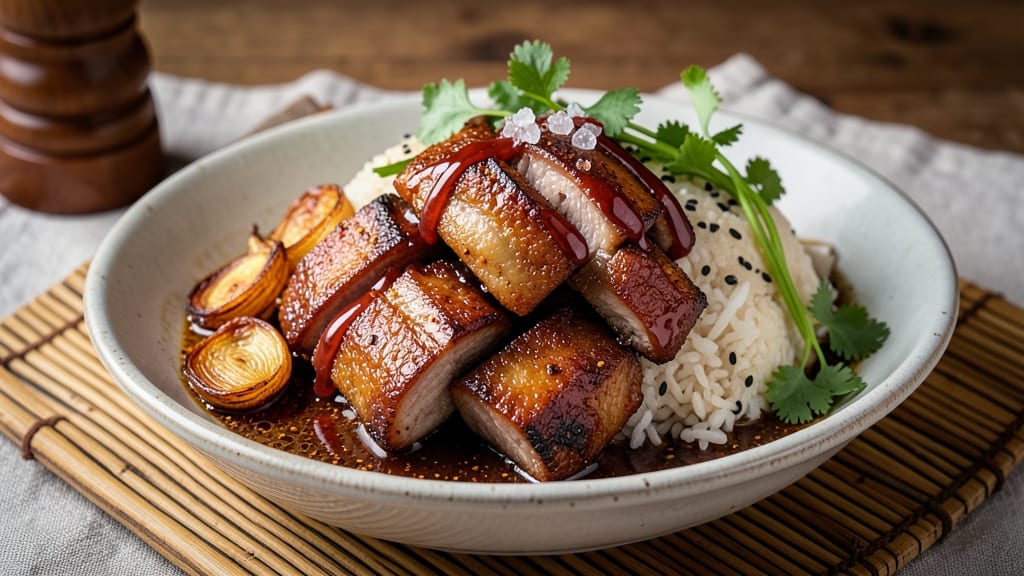
This braised pork Taiwan recipe brings the soul of Taiwanese night markets to your kitchen in one aromatic pot. 🌟 After years of perfecting the balance between sweet, tangy, and five-spice complexity, I've developed a method that transforms tough pork into melt-in-your-mouth tenderness with a glossy, caramelized sauce.
The secret lies in the tamarind's bright acidity cutting through the richness while star anise and rock sugar create that signature Taiwanese glow.
What makes this recipe truly special is the marriage of traditional techniques with modern convenience. We start with a dry marinade of soy sauce, fermented bean paste, and five-spice powder that develops deep flavor while the pork rests overnight.
The braising process—low and slow for 2-3 hours—allows all those flavors to meld together, creating a sauce that's both rich and balanced. This is the kind of dish that tastes even better the next day, making it perfect for meal prep or special gatherings.
The result is a dish that's rich yet not heavy, sweet yet not cloying, with pork that falls apart at the touch of a fork.
The sauce clings to each bite, offering layers of umami from the fermented bean paste, warmth from the five-spice blend, and a bright tang from the tamarind. This is comfort food at its finest—deeply satisfying yet refined enough for company.
Serve it over steamed jasmine rice with quick-pickled vegetables for the full Taiwanese experience, or enjoy it as-is with a cold Tsingtao beer. The beauty of this recipe is its versatility—it works equally well as a weeknight dinner or a centerpiece for a dinner party.
Let's get started on creating this Taiwanese classic in your own kitchen.
Ingredients for braised pork taiwan
Pantry staples meet Taiwanese night market magic in this one-pot pork feast.
| Ingredient | Amount | Notes |
|---|---|---|
| Pork Shoulder 🥩 | 2 lb | Cut into 1-inch chunks, bone-in preferred |
| Soy Sauce 🍶 | ½ cup | Dark soy preferred for color |
| Fermented Bean Paste 🍶 | ¼ cup | Taiwanese douchi or miso substitute |
| Five-Spice Powder 🌶️ | 2 tbsp | Authentic Taiwanese blend preferred |
| Tamarind Paste 🍈 | ¼ cup | Adjust for tartness preference |
| Rock Sugar 🍬 | ¼ cup | Or sub with brown sugar (1:1) |
| Star Anise 🌿 | 2 whole | Whole pods for easy removal |
| Garlic Cloves 🧄 | 6 cloves | Minced for marinade |
| Ginger 🧅 | 1 tbsp | Freshly grated (peeled) |
| Green Onions 🌱 | 4 whole | Cut into 1-inch pieces for garnish |
| Vegetable Oil 🫒 | 2 tbsp | High smoke point preferred |
| Water 💧 | 1 ½ cups | Or sub with pork broth |
| Sesame Oil 🫒 | 1 tbsp | For finishing (toasted) |
| Salt 🧂 | 1 tsp | Adjust to taste |
The pork shoulder is non-negotiable here—bone-in gives the best flavor, though boneless works in a pinch. Asian markets have the best cuts, but your local butcher can trim it for you. Look for good marbling, not too much fat. Fermented bean paste? Taiwanese douchi is ideal, but miso or even soy sauce in a bind. The five-spice blend matters—Penzeys or Spicewalla carry authentic Taiwanese versions, but a good all-purpose blend works too. Just don't skip it. Tamarind paste can be found in the international aisle at Whole Foods or any Asian grocery store. Rock sugar adds that signature caramelized glow—sub brown sugar if needed, but it won't be the same.
No tamarind paste? Lime juice plus 1 tbsp sugar gets you close, though it won't be identical. Running low on star anise? 1/2 tsp anise extract works, but the whole pods are better for aroma. The ginger and garlic can be frozen if you're prepping ahead—just thaw before using. Green onions are purely for garnish, so don't stress if you're out. The vegetable oil should be something neutral like canola or peanut oil—avocado oil works too if you've got it. For extra depth, sub 1/2 cup of the water with pork broth. And if you're feeling fancy, a splash of Shaoxing wine in the marinade takes this to the next level.
This dish tastes even better the next day—3-4 days in the fridge, honestly. The sauce thickens up nicely. For freezing, portion into airtight containers with a layer of oil on top to preserve freshness for up to 3 months. I always make double batches because it reheats beautifully. When serving, drizzle with toasted sesame oil right before eating—trust me on that. The pork will be fork-tender, and the sauce will have that perfect balance of sweet, tangy, and spicy. Serve with steamed jasmine rice to soak up every last bit.
Why You'll Love This Recipe
- One-Pot Magic: I swear by this recipe when I’m too tired to juggle multiple pans. Just sear the pork shoulder, toss in the soy sauce and fermented bean paste, then let it slow-braise—no stirring, no stress. The five-spice powder does all the work while you sip tea.
- Umami Bomb: That tamarind paste and fermented bean paste combo? It’s what turns this into something ridiculously good. Sweet, salty, tangy—every bite has this deep, complex flavor that lingers. Honestly, I’ll take this over takeout any day.
- Lunchbox Hero: Between us, this pork stays perfect for days. Pack it cold for sandwiches or reheat it for rice bowls—it’s my go-to for meal prep. The texture gets even better after a night in the fridge, and the sauce clings to everything like a flavor hug.
- Budget Stretch: Pork shoulder is cheap, and this recipe makes enough to feed four (or me for a week). I’ll be real: I’ve stretched a single cut into five meals without anyone complaining. Plus, the five-spice powder adds depth without breaking the bank.
Step-by-step instructions for braised pork Taiwan recipe
Here's how to create that perfect balance of sweet, tangy, and aromatic flavors in one pot.
🍳 Step 1: Sear the Pork Shoulder for Deep Flavor
Heat the 2 tablespoons vegetable oil in a large Dutch oven or heavy pot over medium-high heat until shimmering. Add the 2 lb pork shoulder cut into 1-inch chunks in a single layer, letting them sear undisturbed for 3-4 minutes until golden brown on one side. Here's the thing—don't crowd the pan. You want that beautiful crust to form, which builds the foundation for rich flavor.
Flip the pork pieces and sear the other sides for another 3-4 minutes. Once all sides are golden, remove the pork and set it aside. You're left with those precious browned bits at the bottom of the pot—this is where the magic happens. Don't scrape them out yet; we'll use them to create the braising liquid.
👨🍳 Step 2: Build the Aromatic Base
In the same pot, reduce the heat to medium and add the 6 cloves minced garlic and 1 tablespoon freshly grated ginger. Sauté for 30 seconds until fragrant—you'll know it's ready when the kitchen smells like a bustling Taiwanese night market. Be careful not to let the garlic burn; it should just barely start to color.
Now add the 2 whole star anise, 2 tablespoons five-spice powder, 1 teaspoon salt, 0.5 cup soy sauce, and 0.25 cup fermented bean paste. Stir everything together and let it cook for 1 minute to toast the spices. This step develops the complex aromatic profile that makes this dish so special. The spices should be sizzling gently, not burning.
🥘 Step 3: Create the Sweet-Tangy Braising Liquid
Pour in the 1.5 cups water, 0.25 cup tamarind paste, and 0.25 cup rock sugar. Stir vigorously to dissolve the sugar completely—you want a smooth, glossy liquid. Return the seared pork to the pot, making sure all the pieces are submerged in the liquid. Here's where it gets interesting: the tamarind adds that signature tangy brightness while the rock sugar caramelizes slightly as it braises, creating that beautiful glossy sheen.
Bring the mixture to a gentle simmer over medium-low heat. The liquid should just barely bubble at the edges, but not boil vigorously. Cover the pot with a tight-fitting lid and let it cook for 1 hour 15 minutes. This slow cooking time is crucial—it allows the pork to become fork-tender while developing those deep, complex flavors.
⏰ Step 4: Finish with Sesame Oil and Green Onions
After 1 hour 15 minutes, check the doneness of the pork. It should be fork-tender, with the meat easily pulling apart. If it's not quite there, continue cooking for another 15-30 minutes until tender. Once it's ready, remove the 2 whole star anise pods—they've done their job and can be discarded.
Increase the heat to medium-high and let the braising liquid reduce slightly until it's syrupy and coats the back of a spoon. Drizzle in the 1 tablespoon sesame oil and stir to combine. Finally, add the 4 whole green onions cut into 1-inch pieces and toss everything together. The sesame oil adds that nutty aroma that ties all the flavors together beautifully.
Pro Tips For Making Braised Pork Taiwan
- Sear the Pork Shoulder First: High heat. Seriously, crank it up until the pork shoulder turns deep brown in spots—this locks in flavor and keeps the meat from turning mushy later. I used to skip this, and the braise always tasted flat until I realized the difference.
- Bloom the Five-Spice Powder: Toast the five-spice powder in a dry pan for 30 seconds before adding it to the braise—this wakes up its aroma and makes the whole dish smell like a proper Taiwanese night market. Skip this, and you’re missing half the magic.
- Control the Tamarind Paste: Stir in tamarind paste gradually at the end, tasting as you go—too much makes the sauce bitter, too little leaves it bland. I learned this the hard way after overdoing it and having to salvage the batch with extra sugar.
- Simmer Low and Slow: Once the pork is submerged, keep the heat at a gentle simmer (tiny bubbles, not a rolling boil) to tenderize the meat without breaking it apart. I was skeptical until I tried it—now I never rush this step.
Make-ahead tips for this braised pork taiwan
Marinade Prep Ahead
Start the marinade the night before for maximum flavor development. In a bowl, mix 0.5 cup soy sauce, 0.25 cup fermented bean paste, 2 tbsp five-spice powder, 6 minced garlic cloves, and 1 tbsp grated ginger.
Toss the 2 lb pork shoulder chunks in this marinade and refrigerate overnight in a sealed container. The pork absorbs the flavors deeply, resulting in more tender meat and richer taste. 🌟
Slow Cooker Adaptation
For hands-off cooking, use a 6-quart slow cooker on low for 6-8 hours or high for 4-5 hours. After searing the pork as directed, transfer everything to the slow cooker (including the browned bits).
Add the remaining ingredients and cook until the pork is fork-tender. The slow cooker's gentle heat mimics traditional braising perfectly while saving you time. I love this method for busy weeknights.
Freezer-Friendly Prep
This dish freezes beautifully for up to 3 months. After braising, let it cool completely, then portion into airtight containers with a thin layer of oil on top to preserve freshness.
When reheating, thaw overnight in the fridge, then warm on the stovetop with 1-2 tbsp water over low heat for 10-15 minutes. The texture remains perfect—just as tender and flavorful as when first made. Perfect for meal prep!
Make-Ahead Sauce
Prepare the braising sauce separately up to 3 days ahead by simmering all ingredients except the pork. Store in the fridge, then add the cooked pork just before serving. This works especially well if you're making a big batch for a gathering.
The sauce develops even more depth when made ahead, with flavors melding beautifully. Just reheat gently before adding the pork to maintain its texture. ✨
Double Batch Strategy
Make double portions and freeze half immediately. This is my go-to strategy for busy schedules. The second batch tastes just as good when reheated, and you'll always have a delicious meal ready. Store one portion in the fridge for 3-4 days and freeze the other.
When serving, simply reheat the frozen portion alongside the fresh one for a seamless meal experience. Trust me, you'll thank yourself later!
Reheating Perfection
For best results, reheat braised pork on the stovetop rather than the microwave. Place the pork and sauce in a pot over low heat and add 2-3 tbsp water to prevent drying. Simmer gently for 10-15 minutes, stirring occasionally, until heated through.
The stovetop method preserves the sauce's consistency and keeps the pork moist. If using leftovers, I often reheat just half the portion at a time to maintain quality. 💪
Nutrition facts
Frequently asked questions
Can I substitute pork belly for pork shoulder?
Pork belly works beautifully and stays extra tender. Use 1.5 lbs instead of 2 lbs since belly is fattier. Trim excess fat first, then cut into 1-inch cubes for even cooking. The fat renders differently but creates a richer sauce—just reduce braising time to 1 hour since belly cooks faster.
What if I can't find tamarind paste?
No problem! Use 3 tbsp lime juice plus 1 tbsp sugar for tangy brightness. For deeper umami, add 1 tbsp fish sauce (optional but recommended). The dish won't be identical, but it'll still be delicious. If you prefer sweeter, use 1 tbsp honey plus 1 tbsp vinegar instead.
How do I make this in an Instant Pot?
Sear the pork first, then add all ingredients except sesame oil. Cook on high pressure for 30 minutes, then quick-release. Finish with sesame oil and green onions. The pressure cooker cuts time to 45 minutes total while keeping all the depth of flavor. Just stir occasionally during cooking to prevent sticking.
Why did my pork turn out tough?
Most likely, it didn't braise long enough or the heat was too high. Pork shoulder needs 2-3 hours of gentle simmering to become tender. If using a slow cooker, always use low heat—high heat can make it dry. For extra tenderness, add 1 tbsp cornstarch to the sauce during the last 10 minutes of cooking.
What's the best way to serve this dish?
Traditionally, it's served with steamed jasmine rice to soak up the sauce. For extra authenticity, add quick-pickled vegetables (like daikon and carrot) or steamed bok choy. In Taiwan, it's common to eat with hot tea or a cold beer to balance the richness. Garnish with extra green onions and a drizzle of sesame oil right before serving.