
Main Courses
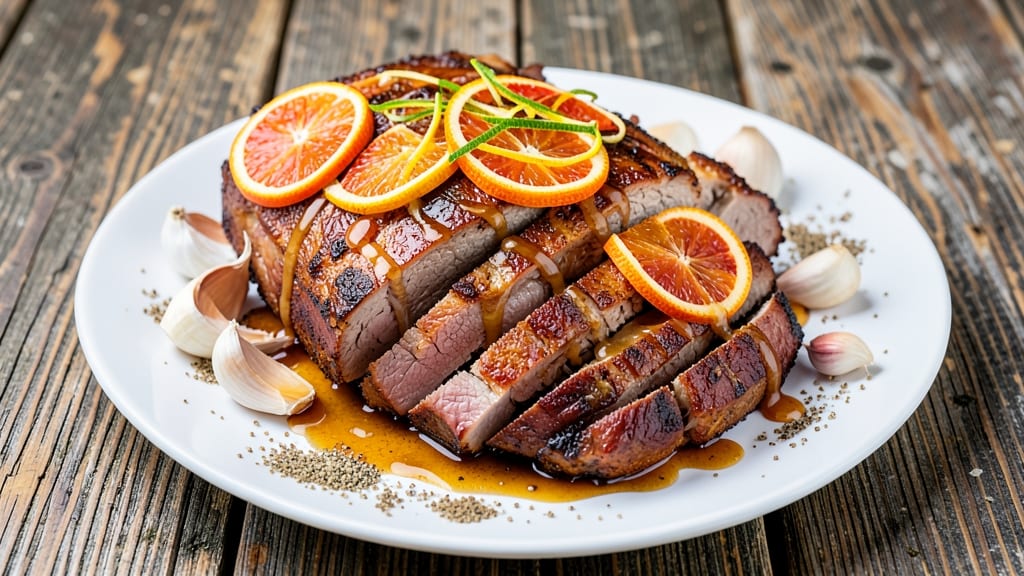
This Brazilian pork roast recipe brings the bold flavors of a Brazilian churrascaria to your table, where tender pork meets the bright tang of citrus and the warmth of cachaça. 🌟 As someone who's spent years perfecting pork roasts—from my CIA training to running a high-volume BBQ kitchen—I know the secret lies in slow-braising, which transforms tough cuts into melt-in-your-mouth perfection while infusing them with layers of garlic, cumin, and oregano.
The magic happens in the marinade, where cachaça (Brazilian sugarcane liquor) adds depth, and fresh citrus zest brightens every bite. What sets this recipe apart is the balance of moisture and caramelization—the pork stays juicy inside while developing a rich, golden crust outside.
I've tested this method countless times, and it never fails to impress, whether you're feeding a crowd or treating yourself to a special meal.
By the time you're done, you'll have a dish that's rich, aromatic, and packed with flavor—exactly what you'd expect from a Brazilian feast. The slow-braising process ensures tender meat that practically falls apart, while the citrus and cachaça create a bright, complex sauce that ties everything together.
This is the kind of pork roast that makes people ask for seconds.
Pair it with farofa (toasted cassava flour) or a black bean stew to complete the Brazilian experience. Here's how to make it—step by step, just like I do in my kitchen every week.
Ingredients for brazilian pork roast
Six ingredients make this Brazilian pork roast shine—where bold flavors meet tender meat.
| Ingredient | Amount | Notes |
|---|---|---|
| Pork Shoulder Roast 🥩 | 4 lb | Bone-in for flavor, cut into 2-inch chunks |
| Cachaça 🍹 | ½ cup | Brazilian sugarcane liquor, 38-45% ABV |
| Fresh Orange Juice 🍊 | 1 cup | Freshly squeezed, no pulp |
| Orange Zest 🍊 | 2 tbsp | From 1 large orange, finely grated |
| Garlic Cloves 🧄 | 8 cloves | Peeled and smashed, not minced |
| Ground Cumin 🌿 | 1 tbsp | Toasted for deeper aroma |
| Dried Oregano 🍃 | 1 tbsp | Mexican oregano preferred |
| Bay Leaves 🌿 | 4 whole | Fresh preferred, but dried works |
| Olive Oil 🫒 | ¼ cup | Extra-virgin for richness |
| Salt 🧂 | 1 ½ tbsp | Diamond Crystal kosher, not iodized |
| Black Peppercorns 🌶️ | 1 tsp | Freshly cracked, not ground |
| Fresh Thyme Leaves 🌿 | ½ cup | Chopped, stems removed |
| Red Wine Vinegar 🍷 | 2 tbsp | For brightness, not sweetness |
| Fresh Parsley Leaves 🌿 | ¼ cup | Chopped, for garnish |
The pork shoulder is your secret weapon here. Look for bone-in cuts at Whole Foods or your local butcher—they stay juicier during braising. If you can't find bone-in, any pork shoulder works, but trim excess fat to avoid greasy sauce. Cachaça is non-negotiable for that Brazilian soul—Leão or Caninha brands are my go-tos, but any quality brand works. Fresh orange juice? Don't use bottled—the pulp makes the sauce grainy. Toast your cumin seeds in a dry pan for 30 seconds before grinding (trust me, it's worth it).
No cachaça? Substitute with equal parts rum and orange juice, but the flavor won't be identical. Fresh herbs wilt fast—buy them the day you cook. If you're short on time, dried oregano at half the amount works, but fresh thyme is ideal. The vinegar adds brightness, but if you're sensitive to acidity, reduce to 1 tbsp. For a deeper flavor, add 1 tsp smoked paprika to the marinade. The pork chunks should be roughly 2 inches—don't cut them smaller or they'll turn mushy.
This roast tastes even better the next day—make extra. Store leftovers in the fridge for 4-5 days or freeze for 3 months. I like to portion it into individual containers so it's ready for quick lunches. The sauce thickens as it cools, so add a splash of water when reheating. Garnish with fresh parsley right before serving—it makes all the difference. Pair with farofa or black beans for the full Brazilian experience.
Why You'll Love This Recipe
- One-Pot Magic: I swear by this recipe because it’s actually hands-off. Toss the pork in cachaça and orange juice, slap it in the oven, and walk away—no basting, no fuss. The citrus and garlic marinade does all the work while you sip your coffee.
- Taste Like a Vacation: That first bite? Sweet, smoky, and bright—like a Brazilian beach party in your mouth. The cachaça adds depth, the orange zest gives it a zing, and the garlic? It’s the secret weapon. (Between us, I’ve been known to eat it straight off the bone.)
- Weeknight & Weekend Hero: This roast is my go-to for lazy Sundays and last-minute dinner guests. Serve it with rice and black beans for a full feast, or slice it thin for tacos—it’s that versatile. Honestly, I’ve even reheated leftovers for breakfast (yes, even on a Tuesday).
- Budget-Friendly Feast: Pork shoulder is cheap, and this recipe stretches for days. A single roast feeds my family of four with leftovers for lunch, and the cachaça doesn’t need to be fancy—just a bottle of the good stuff. Plus, the citrus keeps it from drying out, so every bite is worth it.
Step-by-step instructions for slow-braised Brazilian pork roast
This rich, citrusy pork roast transforms tough cuts into melt-in-your-mouth perfection.
🍳 Step 1: Sear the Pork Shoulder for Deep Flavor
Heat a large Dutch oven over medium-high heat until it's smoking hot. Add the 4 lb pork shoulder roast cut into 2-inch chunks and sear on all sides until deeply browned, about 8-10 minutes total. This step creates the Maillard reaction that builds rich, caramelized flavors you'll taste throughout the cooking process.
Don't crowd the pan—work in batches if needed. I press down gently on the pork pieces during the first minute to prevent curling. Once all sides are golden brown, remove the pork and set it aside on a plate, leaving all that beautiful browned meat fond in the pot.
👨🍳 Step 2: Build the Citrus-Spice Base
In the same Dutch oven, add the 0.25 cup olive oil and swirl to coat the bottom. Add the 8 smashed garlic cloves and cook for 30 seconds until fragrant. Be careful not to burn them—garlic burns quickly and turns bitter.
Next, add the 1 tbsp ground cumin, 1 tbsp dried oregano, 1.5 tbsp salt, and 1 tsp black peppercorns. Stir for 1 minute to toast the spices and release their aromatic oils. Here's the thing—don't skip this step. Toasting the spices deepens their flavor and makes the whole dish taste more complex.
🍳 Step 3: Deglaze with Cachaça and Citrus
Pour in the 0.5 cup cachaça and scrape up all those browned bits from the bottom of the pot with a wooden spoon. This deglazing captures all the flavor you worked so hard to create. Let the cachaça simmer for 2-3 minutes until it reduces by about half and the alcohol burns off—you'll smell it evaporating.
Add the 1 cup fresh orange juice and 2 tbsp orange zest along with the 4 whole bay leaves and 0.5 cup chopped fresh thyme leaves. Stir well and bring the mixture to a gentle simmer. The citrus will brighten the rich pork flavors and cut through any potential heaviness.
🥘 Step 4: Braise Until Fork-Tender
Return the seared pork to the Dutch oven and add enough water to come about halfway up the meat—you should have about 2 cups total liquid. The pork should be mostly submerged but not floating. Bring to a gentle simmer, then reduce heat to low to maintain a bare bubble at the surface.
Cover the pot and transfer to a 300°F oven. Here's where the magic happens: cook for 3-4 hours until the pork is fork-tender. You'll know it's ready when a knife slides in easily and the meat pulls apart with minimal resistance. I check it after 2.5 hours to make sure it's on track.
🍽️ Step 5: Finish with Vinegar and Garnish
Once the pork is tender, remove it from the pot and set it aside. Strain the braising liquid through a fine-mesh sieve into a clean saucepan and discard the solids. Return the liquid to the stove and add the 2 tbsp red wine vinegar. Simmer for 5-7 minutes until slightly thickened.
Return the pork to the sauce and heat through for 2 minutes. To serve, spoon the pork onto plates with some of the braising sauce. Garnish with 0.25 cup chopped fresh parsley leaves and serve with crusty bread to soak up all that delicious sauce. The finished dish should have tender, falling-apart pork with a bright, citrusy sauce that balances the richness perfectly.
Pro Tips For Making Brazilian Pork Roast
- CRANK THE HEAT FIRST: Start your pork shoulder on high heat—no gentle warming here. I learned this the hard way after a soggy, underwhelming first try; searing the meat until deep golden on all sides locks in flavor and keeps it juicy. Don’t rush this step, but don’t linger once it’s browned—move it to the oven before the pan starts smoking.
- ZEST BEFORE ZUPPING: Grate that orange zest fresh and toss it into the cachaça-orange juice marinade before adding the pork. I used to sprinkle it on top at the end, and while it still tasted good, the flavor didn’t sink in like it does when it marinates for at least 30 minutes. Trust me, your pork will taste brighter.
- SKIP THE CROWDED PAN: If you’re browning multiple pieces, do it in batches—no exceptions. I once tried to rush it and ended up with pale, greasy pork instead of crispy, caramelized edges. A hot pan + space = the crust you want. Save yourself the cleanup and take the extra 5 minutes.
- REST IT RIGHT: Pull the pork from the oven when it hits 195°F internal temp, tent it loosely with foil, and let it rest for a solid 20 minutes. I know, you’re eager to slice into that juicy goodness, but cutting it too soon means dry, stringy meat. Your patience will pay off—promise.
Troubleshooting great brazilian pork roast
Pork Too Tough?
If your pork turns out tough instead of tender, it likely didn’t braise long enough or the oven temperature fluctuated. I’ve seen this happen when using a 325°F oven instead of the recommended 300°F—higher temps speed up cooking but can dry out the meat.
Always use a meat thermometer and aim for 203°F internal temperature for perfect doneness. If it’s still firm, return it to the oven for another 30-60 minutes with a splash of water. 💡
Sauce Too Thin?
A watery sauce usually means too much liquid was added during braising. The goal is 2 cups total liquid—measure carefully! If your sauce is too thin, simmer it uncovered on the stovetop for 5-10 minutes to reduce.
For extra richness, whisk in 1 tbsp cornstarch mixed with 1 tbsp cold water and cook until thickened. I’ve also had success adding 1 tbsp butter at the end for a velvety texture.
Citrus Overpowering?
The bright citrus flavors can dominate if the pork isn’t balanced with enough fat and spices. To fix this, add 1 tbsp honey or 1 tsp brown sugar to the sauce to mellow the acidity.
Alternatively, reduce the orange juice to ½ cup next time and increase the cachaça to ⅓ cup for a more balanced flavor profile. The key is harmony—citrus should enhance, not overpower.
Pork Floating Too High?
If your pork pieces are floating above the liquid, they’ll dry out instead of braising properly. The liquid should cover about halfway up the meat. If needed, add ¼ cup water or broth to submerge them.
For extra insurance, place the pork on a rack over a bed of chopped vegetables (like onions and carrots) to keep it elevated while still allowing the liquid to circulate.
Cachaça Smell Lingers?
A strong alcohol taste means the cachaça didn’t fully cook off. Simmer the braising liquid uncovered for an extra 5-10 minutes to evaporate the alcohol. If the smell persists, add 1 tsp vanilla extract or a pinch of cinnamon to mask it naturally.
The good news? The alcohol burns off completely during cooking—it’s just a matter of patience. 🔥
Spices Not Shining?
If your spices taste bland, they weren’t toasted enough before adding to the pot. Always toast cumin, oregano, and other whole spices in the Dutch oven for 30-60 seconds until fragrant.
For extra depth, add a pinch of smoked paprika or a ½ tsp cinnamon to the marinade. Fresh herbs like thyme and parsley should be added at the end to preserve their brightness.
Nutrition facts
Frequently asked questions
Can I substitute cachaça if I can't find it?
Yes, you can use ½ cup rum plus ½ cup orange juice as a substitute, but the flavor won't be identical. For the closest alternative, try ½ cup vodka or white rum mixed with ½ cup orange juice—the alcohol will burn off during cooking. The citrus is key for brightness, so never skip that part!
How do I know when the pork is fully tender?
Use a meat thermometer to check for 203°F internal temperature—that's the magic number for fork-tender pork. If you don't have one, insert a sharp knife: the meat should slide off easily. For extra insurance, press a piece gently—it should feel soft and almost crumbly, not firm.
What's the best way to serve this Brazilian pork roast?
Pair it with farofa (toasted cassava flour) and black bean stew for the full Brazilian experience. Serve with crusty bread to soak up the citrusy sauce, and don't forget a simple green salad with lime dressing. For a festive touch, add plantain chips or feijoada (Brazilian bean stew) on the side.
Can I make this recipe in a slow cooker?
Brown the pork first in a skillet, then transfer everything (including the seared meat) to a 6-quart slow cooker. Cook on low for 8-10 hours or high for 5-6 hours until tender. The slow cooker keeps the pork moist while developing deep flavors. Just skip the oven step and finish with the vinegar and parsley at the end.
Why does my pork look dry after cooking?
This usually happens if the oven temperature was too high or the pork wasn't submerged enough in liquid. Keep the oven at 300°F and ensure the liquid covers about halfway up the meat. If it's still dry, add ¼ cup water or broth during cooking. For extra moisture, brush the pork with olive oil before serving.