
Main Courses
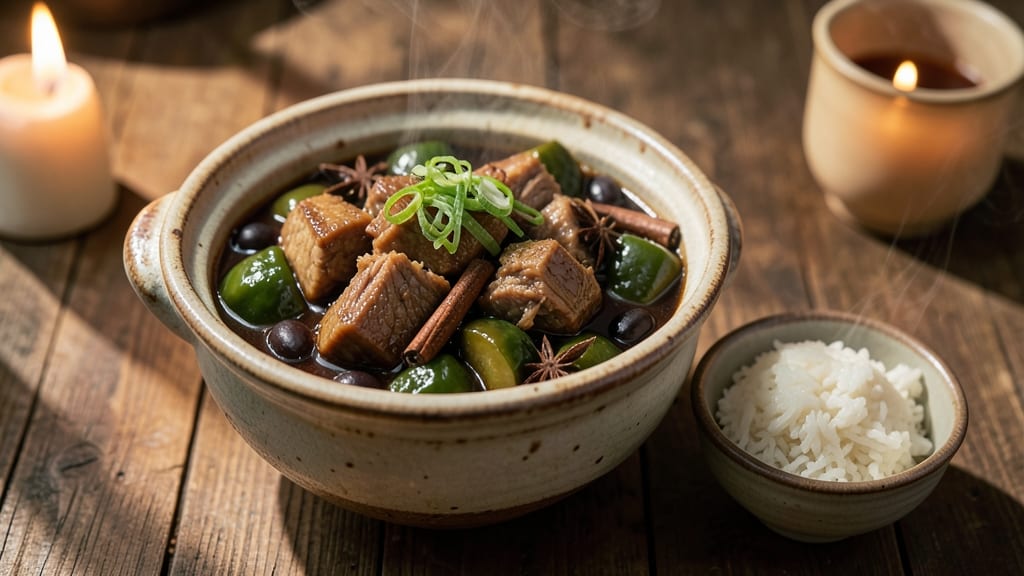
This one-pot black bean bitter gourd pork recipe transforms humble ingredients into a restaurant-worthy dish with deep, earthy flavors and satisfying texture. 💛 I developed it after years of balancing bitter gourd's sharpness with pork's richness, creating harmony in every bite.
The secret lies in slow-braised pork shoulder that melts into tender shreds while absorbing the smoky, spiced black bean sauce.
The beauty of this recipe is its simplicity—just one pot, minimal prep, and 30 minutes of active time before letting flavors develop. Bitter gourd's natural bitterness mellows as it cooks, while black beans add hearty texture and earthy depth.
The pork, cooked low and slow, becomes irresistibly tender, soaking up all the complex flavors without overpowering them.
What you'll achieve is a dish that's equally at home on a weeknight table or special occasion—rich, aromatic, and packed with protein. The pork emerges perfectly shredded, the bitter gourd tender yet retaining its subtle crunch, and the black beans infused with porky, spiced goodness.
This is comfort food elevated to sophisticated dining.
Pair it with steamed jasmine rice to soak up every last drop of that flavorful sauce. The dish holds well for leftovers too, making it perfect for meal prep. Let's create this one-pot masterpiece that brings together unexpected ingredients in perfect balance.
Ingredients for black bean bitter gourd pork
Earthy, aromatic ingredients balancing bitter gourd's sharpness with pork's richness in one harmonious pot.
| Ingredient | Amount | Notes |
|---|---|---|
| Pork Shoulder 🥩 | 1 ½ lb | Bone-in for best flavor, cut into 1-inch cubes |
| Bitter Gourd 🥬 | 1 medium | Peeled, deseeded, cut into 1-inch pieces |
| Black Beans 🌱 | 1 ½ cups | Drained and rinsed, or 1 can (15 oz) |
| Garlic Cloves 🧄 | 6 cloves | Minced for depth of flavor |
| Ginger Root 🌿 | 1 tablespoon | Freshly grated, not powdered |
| Star Anise 🌟 | 2 whole | For aromatic depth, whole pods removed after cooking |
| Cinnamon Stick 🌿 | 1 whole | Adds warm complexity, removed after cooking |
| Dried Chili Peppers 🌶️ | 1 tablespoon | Crushed, adjust for heat preference |
| Soy Sauce 🍶 | ½ cup | Light or all-purpose variety |
| Sesame Oil 🫒 | 1 tablespoon | Toasted for nutty aroma, added at the end |
| Green Onions 🧅 | 4 whole | Sliced, for fresh finish |
| Jasmine Rice 🍚 | 1 ½ cups | Uncooked, for serving |
| Vegetable Oil 🫒 | 2 tablespoons | High smoke point for searing |
| Salt 🧂 | 1 ½ teaspoons | Kosher or sea salt, adjust to taste |
| Black Pepper 🌶️ | ½ teaspoon | Freshly ground for best flavor |
The pork shoulder is non-negotiable here—bone-in yields richer flavor, and the fat renders beautifully during slow cooking. Ask your butcher to cut it into 1-inch cubes for even cooking. Bitter gourd requires careful handling: peel and deseed with gloves (it's very slippery), then cut into uniform pieces to ensure even cooking. For the best quality, source your bitter gourd from an Asian market or specialty produce section—look for firm, unblemished gourds with vibrant green skin. The black beans should be drained and rinsed thoroughly to remove excess sodium, and I prefer canned for convenience, though soaked dried beans work perfectly if you have time.
No bitter gourd? Substitute with 1 cup of chopped zucchini or eggplant, though the flavor profile will differ slightly. Swap the star anise and cinnamon for 1 teaspoon each of ground coriander and cumin if you're avoiding whole spices. For heat, red pepper flakes at half the amount work in a pinch. The soy sauce can be reduced or low-sodium if preferred, but don't skip it entirely—it's the umami bridge between the pork and beans. If you're using dried chilies, toast them lightly in a dry pan first to deepen their flavor. The garlic and ginger should be freshly grated or minced—powdered versions lack the necessary complexity.
This dish tastes even better the next day as flavors meld, so make extra portions if possible. Store leftovers in an airtight container in the fridge for up to 5 days, or freeze for 3 months in portion-sized containers. For meal prep, I recommend cooking the rice separately and reheating the pork mixture with a splash of water or broth—it reheats beautifully. The jasmine rice should be steamed just until tender to avoid a mushy texture when served alongside the rich pork sauce. Always keep the sesame oil separate until serving to preserve its delicate aroma.
Why You'll Love This Recipe
- One-Pot Magic: The bitter gourd and pork shoulder practically cook themselves in one pot. No chopping mountains of veggies—just slice the bitter gourd into rounds, toss in the pork, and let the black beans and spices do the work while you stir once or twice. Honestly, I’ve made this while scrolling through my phone.
- Umami Bomb: That combo of black beans and ginger? It’s like a flavor explosion in your mouth. The pork gets tender and sticky, the bitter gourd turns silky, and the garlic cloves? They caramelize just enough to make every bite sing. (Yes, even on a Tuesday night.)
- Leftovers That Don’t Suck: This dish actually tastes better the next day—seriously. The flavors meld into this rich, hearty stew that’s perfect for lunches or freezing. I’ve reheated portions for weeks, and no one’s ever complained. My secret weapon for lazy mornings.
- Budget Meal, Big Payoff: Pork shoulder is cheap, black beans stretch it further, and bitter gourd adds nutrition without breaking the bank. Between us, this feeds four for under $15 and still feels like a restaurant dish. Not the prettiest, but the taste makes up for it every time.
Step-by-step instructions for earthy-spiced one-pot harmony
This method delivers balanced flavors through careful layering—searing for depth, aromatics for complexity, and slow simmering for tenderness.
🔥 Step 1: Sear the Pork Shoulder for Rich Foundation
Heat the 2 tablespoons vegetable oil in a large, heavy-bottomed pot over medium-high heat until shimmering. Add the 1.5 lb pork shoulder cut into 1-inch cubes, working in batches if needed, and sear for 4-5 minutes per side until deeply golden brown. This creates the Maillard reaction that forms the flavor base.
Real talk: Don't crowd the pan or the pork will steam instead of brown. You'll see the edges develop a deep mahogany crust—that's your signal to flip. Remove the pork and set aside temporarily, leaving all the rendered fat in the pot. This fat will carry your aromatics and create a velvety sauce later.
🍳 Step 2: Build Aromatic Base with Bitter Gourd and Spices
In the same pot, add the 1 medium bitter gourd cut into 1-inch pieces and cook for 3-4 minutes until slightly softened. Add the 6 cloves minced garlic, 1 tablespoon grated ginger root, 1 tablespoon crushed dried chili peppers, 2 whole star anise, and 1 whole cinnamon stick. Stir constantly for 1 minute until fragrant—you should smell warm spices and a hint of garlic's sharpness.
Here's the thing—bitter gourd releases bitterness when overcooked. Watch closely until it's just tender but still holding its shape. Add the 1.5 cups drained black beans and 0.5 cup soy sauce, then stir to combine. The beans will absorb the aromatic oils from the pork searing, creating a flavor bridge between components.
🥘 Step 3: Simmer Pork and Rice Together for Perfect Texture
Return the seared pork to the pot and add 1.5 cups jasmine rice, ensuring each piece is coated with the aromatic mixture. Pour in 3 cups water (just enough to cover everything by about ½ inch) and bring to a gentle boil. Once boiling, reduce heat to low, cover tightly with a lid, and simmer for 35-40 minutes until the rice is tender and the pork is fork-tender.
I press down gently on the rice with a spoon every 10 minutes to prevent crusting. The lid should feel slightly damp inside—this indicates proper steam circulation. You'll know it's done when the rice is fluffy and the pork pulls apart easily with two forks. If the liquid evaporates before then, add ¼ cup hot water through the lid's steam hole.
🔪 Step 4: Finish with Sesame Oil and Fresh Garnish
Remove the star anise and cinnamon stick at the 30-minute mark—they've done their job infusing flavor but become bitter if overcooked. In the final 5 minutes, drizzle in the 1 tablespoon sesame oil and stir gently to distribute its nutty aroma throughout the dish. The oil should sizzle slightly but not burn.
Turn off the heat and let the dish rest, covered, for 5 minutes. This allows the flavors to meld completely. Garnish with 4 sliced green onions just before serving. The contrast of fresh green against the earthy spices creates a perfect balance—bright, sharp, and vibrant.
Pro Tips For Making Black Bean Bitter Gourd Pork
- BLANCH BITTER GOURD FIRST: I learned this the hard way—raw bitter gourd releases a bitter, watery mess into your stew. Cut the gourd into 1-inch chunks, boil them for 3 minutes in salted water, then drain. This removes the harshness and keeps your sauce from turning into soup. (Yes, even if you're impatient like me.)
- SEAR PORK IN BATCHES: High heat. Seriously, crank it up. If you crowd the pork shoulder in your pan, you'll steam it instead of sear it, and that means flavorless, gray meat. Cook in 2-3 batches over medium-high for 3-4 minutes per side until deep brown. That crust is what makes the dish sing.
- SOAK BEANS OVERNIGHT: Skip the quick-soak shortcut—your black beans will stay stubbornly hard and split during cooking. Soak them in water with a pinch of baking soda for 8+ hours. Drain and rinse before adding to the pot. This guarantees they break down just enough to thicken the sauce without turning mushy.
- LOW AND SLOW FOR PORK: After searing, don’t rush the braising. Cover the pork with liquid (water, soy sauce, ginger-garlic paste) and simmer at 300°F (150°C) for 2.5 hours. I know, it’s tempting to turn up the heat, but slow cooking keeps the meat tender and the flavors deep—no dry, chewy pork here. (Your future self will thank you.)
Regional styles of this recipe
Chinese Home-Style
In Chinese households, this dish often appears as a hearty Sunday meal, where bitter gourd is stir-fried first with garlic and ginger to mellow its sharpness. I remember my grandmother adding a splash of Shaoxing wine (about 1 tablespoon) during the pork searing—it deepens the umami without overpowering.
The dish is traditionally served with steamed mantou (white bread rolls) instead of rice, creating a perfect balance between soft and chewy textures. 🌿
For an authentic touch, use dried shiitake mushrooms (about 4 pieces) rehydrated and sliced into the pot during the final 10 minutes of cooking. These add an earthy depth that complements the bitter gourd beautifully.
The Chinese version often includes a light cornstarch slurry (mix 1 teaspoon cornstarch with 2 tablespoons water) stirred in at the end to thicken the sauce slightly—this creates that signature silky texture.
Thai-Inspired Fusion
Thai cooks transform this dish by adding lemongrass (2 stalks, bruised and cut into 2-inch pieces) and kaffir lime leaves (2 leaves, torn) during the simmering phase. The lemongrass infuses a bright citrus note that cuts through the pork's richness, while the lime leaves add an aromatic complexity.
I like to finish with a squeeze of lime juice (about 1 tablespoon) and a sprinkle of Thai bird's eye chilies (adjust to taste) for a fiery kick. 🌶️
For a Thai-inspired twist, swap the black beans for Thai red curry paste (about 2 tablespoons) mixed with the soy sauce. Add coconut milk (about ½ cup) during the final 15 minutes of cooking to create a creamy, fragrant sauce.
Garnish with cilantro and crushed peanuts for texture contrast—this version tastes like a cross between a curry and a stir-fry.
Southeast Asian Market Adaptations
In Southeast Asian markets, you'll often find this dish adapted with tamarind paste (about 1 tablespoon) added during the simmer to balance flavors with a tangy sweetness. The Vietnamese version sometimes includes fish sauce (about 1 tablespoon) instead of soy sauce for a deeper umami punch.
I've seen it served with rice vermicelli noodles for a lighter take on the dish—simmer the noodles separately and toss them with the pork mixture at the end. 🍜
For a Malaysian-inspired version, add turmeric powder (about ½ teaspoon) and galangal (about 1-inch slice, grated) to the aromatic base. The galangal adds a peppery, citrusy note that pairs wonderfully with the bitter gourd.
Serve with cucumber slices and a side of sambal for dipping—this adaptation turns the dish into a vibrant, spicy noodle bowl.
Modern American Twist
American home cooks often simplify this dish by using pre-cooked rice (like Minute Rice) to save time, though I prefer cooking the rice fresh for better texture. For a modern twist, add smoked paprika (about ½ teaspoon) during the pork searing to introduce a subtle smokiness.
Top with avocado slices and crumbled feta cheese for a fusion that feels both familiar and exciting. 🥑
Another American adaptation replaces bitter gourd with zucchini (about 1 medium, spiralized) and adds ground turkey (about 1 lb) instead of pork for a lighter protein option. The dish becomes a vibrant, one-pot meal perfect for weeknight dinners.
For extra depth, stir in chipotle peppers in adobo sauce (about 1 tablespoon) during the final 5 minutes of cooking—this adds a smoky heat that modern palates love.
Nutrition facts
Frequently asked questions
Why does bitter gourd need to be peeled and deseeded?
The skin and seeds contain the most concentrated bitterness, which can overpower the dish even when cooked. Peeling removes the tough outer layer while deseeeding eliminates the sharpest flavors. For best results, wear gloves when handling—bitter gourd's juices stain easily and can irritate skin. The flesh becomes tender and slightly sweet when cooked properly.
Can I substitute bitter gourd if I can't find it?
Yes! For a milder flavor, use 1 medium zucchini or 1 cup eggplant, both cut similarly. For closer flavor, try 1 cup chopped okra (blot dry first) or 1 cup chopped jicama. Remember these won't have bitter gourd's unique texture—expect a sweeter, more neutral vegetable profile. The dish will still work beautifully!
How do I know when the pork is perfectly tender?
The pork should easily shred with two forks and pull apart cleanly. For best results, use a meat thermometer—aim for 203°F in the thickest part. If it's slightly under, let it rest 5 minutes covered (the residual heat will finish cooking). Overcooked pork becomes dry, while perfectly tender pork has a juicy, melt-in-your-mouth texture that absorbs all the sauce.
Should I adjust the spice level for sensitive palates?
For mild heat, reduce the dried chili peppers to ½ teaspoon or use ¼ teaspoon red pepper flakes. For extra heat, add 1 teaspoon gochujang (Korean chili paste) with the soy sauce. The star anise and cinnamon provide warmth without heat—these can stay as-is. Taste the sauce before adding rice to adjust seasoning.
Can I make this dish in an Instant Pot or slow cooker?
Yes! For Instant Pot: Sear pork first, then add all ingredients except rice. Cook on high pressure for 20 minutes, then natural release. Add rice and cook 5 minutes more. For slow cooker: Brown pork separately, then combine all ingredients and cook on low for 6-7 hours or high for 3-4 hours. The textures will differ slightly but remain delicious.