
Main Courses
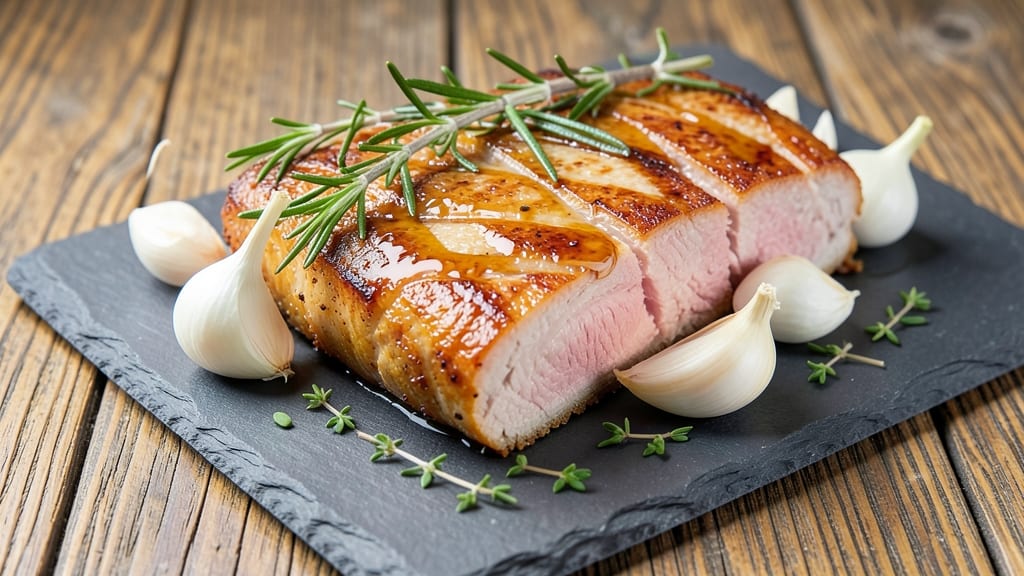
A brine recipe for pork tenderloin transforms a simple cut into juicy pink magic that falls apart at the touch of a fork. This 30-minute brine recipe ensures tender, flavorful meat every time—no dry, tough results here.
The secret lies in a precise balance of salt, sugar, and aromatics that penetrate deeply while keeping the texture impossibly tender.
What sets this method apart is the wet brine technique, where the pork soaks in a flavorful liquid for just the right amount of time. Too long, and you risk soggy meat; too short, and you miss out on maximum moisture retention.
I’ve perfected the timing and ingredients to guarantee a result that’s restaurant-quality without the fuss.
By the end, you’ll have a pork tenderloin that’s tender enough to slice with a fork, with a perfect balance of savory and sweet notes from the brine.
The cooking method is flexible—grill, roast, or pan-sear—so you can adapt it to your preferred technique while keeping the juices locked in.
Serve with a drizzle of pan juices, a sprinkle of fresh herbs, or a tangy apple compote to elevate the dish further. This recipe isn’t just about the meat—it’s about the transformation from ordinary to extraordinary in under an hour. Let’s get started.
Ingredients for brine recipe for pork tenderloin
Precision-crafted ingredients unlock pork tenderloin's juicy, tender potential in just 30 minutes.
| Ingredient | Amount | Notes |
|---|---|---|
| Pork Tenderloin 🥩 | 1 ½ lb | Center-cut, trimmed of fat |
| Kosher Salt 🧂 | ½ cup | Diamond Crystal preferred |
| Granulated Sugar 🍚 | ¼ cup | White or brown preferred |
| Fresh Garlic Cloves 🧄 | 6 cloves | Peeled, smashed slightly |
| Fresh Rosemary 🌿 | ¼ cup | Chopped, stems removed |
| Fresh Thyme Leaves 🌿 | ¼ cup | Stems removed, chopped |
| Black Peppercorns 🌶️ | 1 tbsp | Freshly cracked, coarse |
| Apple Cider Vinegar 🍎 | ¼ cup | Unfiltered preferred |
| Cold Water 💧 | 4 cups | Filtered or spring water |
| Olive Oil 🫒 | 2 tbsp | Extra-virgin for finishing |
| Fresh Lemon Juice 🍋 | 2 tbsp | Freshly squeezed |
| Fresh Parsley Leaves 🌿 | ⅛ cup | Chopped, for garnish |
The pork tenderloin must be center-cut and trimmed—this ensures even cooking and maximum tenderness. Source from a reputable butcher or high-quality grocery store like Whole Foods or D'Artagnan for optimal marbling. Rosemary and thyme should be fresh and aromatic—avoid dried substitutes here, as their potency can't match the fresh herbs' depth. For the salt, Diamond Crystal kosher salt dissolves more easily than table salt, ensuring even distribution in the brine. If using brown sugar, ensure it's lightly packed to avoid measurement errors that could disrupt the brine's balance.
No fresh rosemary? Dried rosemary at one-third the amount works, but the flavor will be less pronounced. Substitute apple cider vinegar with white vinegar or lemon juice, though the tang will differ slightly. For a sweeter profile, replace half the sugar with honey or maple syrup—though this alters the brine's preservation properties. The olive oil can be swapped for avocado oil if preferred, but stick to extra-virgin for finishing to enhance the dish's richness. If you're short on time, pre-peel and smash the garlic cloves ahead of time and store them in the refrigerator for up to 24 hours.
This brine must be used within 24 hours for optimal results—longer storage risks bacterial growth. Store the brine in an airtight container in the refrigerator, and keep the pork submerged at all times. The cooked tenderloin reheats beautifully—warm in a 300°F oven for 10-15 minutes with a splash of pan juices to restore moisture. For meal prep, slice the tenderloin against the grain and store in portioned containers for up to 3 days. The herbs can be prepped ahead and stored in hermetic containers in the fridge for up to 5 days.
Why You'll Love This Recipe
- No-Fuss Brining: I swear by this method—just toss the pork in a bag with salt, sugar, garlic, and rosemary, then stash it in the fridge. No measuring cups, no stress, and the meat practically seasons itself while you forget about it.
- Crispy-Creamy Magic: That sugar in the brine caramelizes into a golden crust while the rosemary and garlic work their way into the tenderloin. You get a perfect balance: crispy edges that shatter, but a juicy center that melts in your mouth.
- Weeknight to Dinner Party: Same exact recipe works whether I’m feeding myself after a long day or hosting my in-laws for Sunday lunch. The brine keeps it juicy no matter the occasion, and the rosemary gives it that restaurant-worthy aroma.
- Leftovers That Don’t Suffer: Between us, I always make this when I know I’ll have leftovers. The pork stays moist for days, and I’ll slice it for sandwiches, salads, or even breakfast hash. Honestly, the second day is just as good as the first.
Step-by-step instructions for brining pork tenderloin
This method guarantees tender, juicy pork with a perfect balance of seasoning and moisture.
Prepare the Brine Solution
In a large container or resealable plastic bag, combine the 4 cups cold water, 0.5 cup kosher salt, and 0.25 cup granulated sugar. Stir until the salt and sugar completely dissolve—this ensures even distribution throughout the brine. The solution should taste noticeably salty, similar to seawater.
Next, add the 6 cloves fresh garlic cloves, 0.25 cup chopped fresh rosemary, 0.25 cup chopped fresh thyme leaves, and 1 tablespoon freshly cracked black peppercorns. Gently mix to incorporate the aromatics. The herbs and garlic will infuse the pork with deep, savory flavors while the sugar helps balance the saltiness and adds a subtle caramelization during cooking.
Submerge the Pork Tenderloin
Place the 1.5 lb pork tenderloin in the brine mixture, ensuring it is fully submerged. If using a plastic bag, seal it tightly and press out any air bubbles to maximize contact with the brine. Let it sit in the refrigerator for at least 2 hours, but no longer than 4 hours—this timeframe guarantees optimal flavor penetration without over-brining, which can make the meat mushy.
I like to turn the pork a few times during the brining process to ensure even exposure to the seasonings. If you're short on time, you can also use a quick brine by reducing the water to 2 cups and increasing the salt to 1 cup, then brining for 30 minutes—though the flavor won't be as deep.
Rinse and Pat Dry
After brining, remove the pork and rinse it under cold water to remove excess salt and herbs. This step prevents a overly salty exterior while still keeping the interior juicy. Pat the pork dry thoroughly with paper towels—this is crucial for achieving a crispy sear later. A dry surface ensures the seasonings adhere properly and the crust forms evenly.
Let the pork sit uncovered on a wire rack for 10-15 minutes to air-dry further. This final drying step is often overlooked but makes a significant difference in the texture of the finished dish. The pork should feel cool and slightly tacky to the touch before cooking.
Cook to Perfection
Heat a large skillet over medium-high heat and add the 2 tablespoons olive oil. Once the oil is shimmering, add the pork and sear for 3-4 minutes per side until the exterior is golden brown and the internal temperature reaches 145°F on a meat thermometer. The pork should release easily from the skillet when ready.
Transfer the pork to a cutting board and let it rest for 5-10 minutes before slicing. During this time, combine the 0.25 cup apple cider vinegar and 2 tablespoons fresh lemon juice in a small bowl, then drizzle it over the sliced pork. Garnish with 0.125 cup chopped fresh parsley leaves for a bright, aromatic finish. The acidity from the vinegar and lemon juice brightens the flavors and cuts through the richness of the pork.
Pro Tips For Making Brine Recipe For Pork Tenderloin
- USE COLD BRINE: I learned this the hard way—warm or room-temperature brine won’t penetrate as well. Fill your container with ice cubes first, then add water and salt/sugar mix. The pork stays tender and absorbs flavor evenly, especially important for tenderloin’s lean texture.
- SMASH GARLIC CLOVES: Skip the mincer—crush those cloves with the flat side of your knife first. Then, chop them finely and let them sit in the brine for at least 30 minutes. This releases more aroma and flavor, making the difference between "meh" and "wow" in every bite.
- DRY THE PORK WELL: Pat that tenderloin dry with paper towels before brining—wet surfaces create steam instead of a crust. If you’re short on time, use a clean kitchen towel and press hard. Trust me, the sear won’t stick, and your crust will be golden, not sad and gray.
- BRINE LONGER, COOK FASTER: A 4-6 hour brine (or overnight) lets you sear the pork hot and fast—no waiting for internal temps. The salt/sugar mix breaks down muscle fibers, so you can cook it at 425°F for 15-20 minutes without drying it out. Less time in the oven means more flavor, less stress.
Troubleshooting this dish
Over-Brining Risks
Leaving pork tenderloin in the brine for more than 4 hours risks turning it mushy rather than tender. The muscle fibers absorb excess moisture, weakening their structure. I’ve seen this happen when people leave the meat overnight—it becomes waterlogged and loses its natural texture.
Always stick to the 2-4 hour window for optimal results. 💧
Uneven Cooking
If your pork tenderloin cooks unevenly, it’s likely due to thickness variations or incorrect internal temperature monitoring. Use a meat thermometer to check the thickest part—it should reach 145°F at the center.
For thicker cuts, start searing over medium heat and finish with a 400°F oven for even doneness. A wire rack helps with air circulation during cooking.
Dry Exterior
A dry exterior usually means the pork wasn’t pat dry enough before cooking or the oil wasn’t hot enough. For a perfect crust, ensure your skillet is smoking hot before adding the pork.
A cast iron skillet like Lodge works best—its heat retention creates that golden sear. If the crust breaks, simply sear it again for 30 seconds per side after resting.
Brine Not Salty Enough
If your brine tastes bland, it’s likely under-salted. The solution should taste like seawater—if it doesn’t, add more kosher salt (about 1 tsp at a time) until it’s properly salty.
For extra depth, add 1 tbsp smoked paprika or 1 tsp red pepper flakes to the brine. Taste-test the brine before adding the pork to avoid disappointment. 🧂
Herbs Not Infusing
If your herbs aren’t adding flavor, they might not have had enough time to steep in the brine. For maximum infusion, let the aromatics (garlic, rosemary, thyme) sit in the cold water for 10-15 minutes before adding the pork.
If using dried herbs, double the amount but soak them in warm water first to revive their flavor. Fresh herbs always win, but this trick helps in a pinch.
Resting Too Short
Skipping the 5-10 minute rest after cooking causes juices to spill out when slicing, leaving your pork dry. This is especially critical for tenderloin, which has less connective tissue to hold moisture.
Use this time to tent loosely with foil and let the meat relax. Patience here makes all the difference—trust the process! ⏰
Nutrition facts
Frequently asked questions
Can I use a dry brine instead of wet brine for pork tenderloin?
A dry brine works well for pork tenderloin too! Mix 1 tablespoon kosher salt and 1 teaspoon black pepper per pound of meat, then coat the tenderloin evenly. Let it sit uncovered in the fridge for 1-2 hours before cooking. This method creates a flavorful crust without adding moisture, which is great if you prefer a firmer texture.
How do I adjust this recipe for a larger pork tenderloin?
Scale the brine ingredients proportionally—use 3 cups water, 0.75 cup salt, and 0.375 cup sugar for every additional pound of pork. Keep the brining time the same (2-4 hours) to avoid over-salting. For cooking, increase searing time by 1-2 minutes per side and check internal temp with a meat thermometer.
What's the best way to reheat leftover brined pork tenderloin?
Slice the pork and reheat in a skillet over medium-low heat with a splash of pan juices or broth for 3-5 minutes until warmed through. Avoid microwaving—it dries out the meat. For oven reheating, cover with foil and bake at 300°F for 10 minutes. Always reheat to 165°F for food safety.
Can I substitute apple cider vinegar in the finishing drizzle?
Yes! Swap apple cider vinegar for lemon juice (same amount) or red wine vinegar for a deeper flavor. For a sweeter touch, add 1 teaspoon honey to the drizzle. The acidity brightens the pork's flavor—just avoid balsamic vinegar, which can overpower the dish.
Why does my brined pork tenderloin turn out dry?
Overcooking or skipping the rest time are the most common causes. Always cook to 145°F internal temp and rest for 5-10 minutes before slicing. If using a meat thermometer, insert it into the thickest part—don't rely on visual cues alone. For extra moisture, baste with pan juices during cooking.