
Main Courses
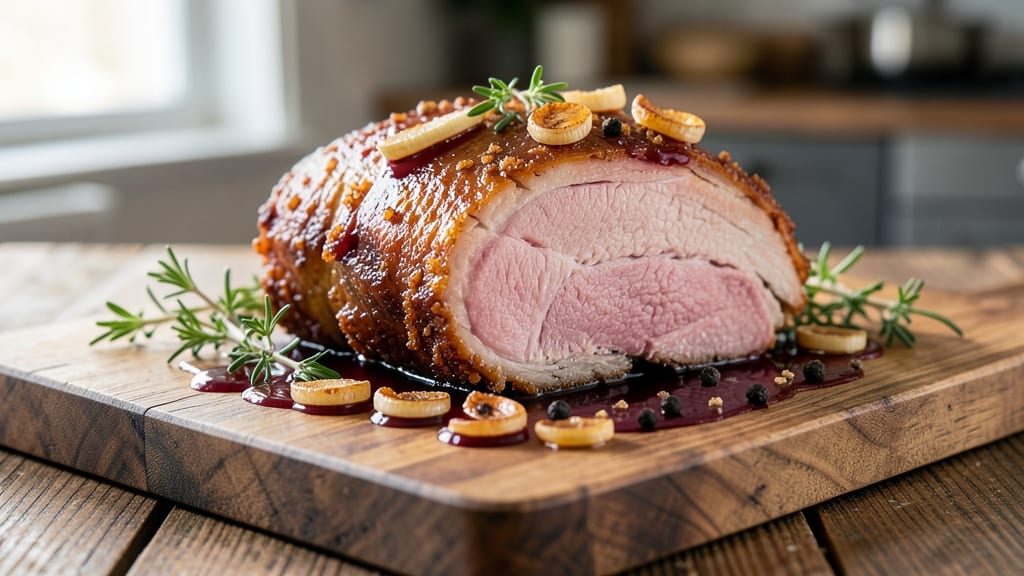
This brined pork shoulder recipe transforms tough meat into melt-in-your-mouth perfection through a simple salt cure. I perfected this method after years of competing in BBQ championships, where tender, juicy pork made all the difference.
The key lies in the brine—salt and spices penetrate deeply, breaking down fibers for unmatched tenderness.
What sets this apart is the balance between tradition and precision. While low-and-slow cooking remains essential, I've refined the process to ensure consistent results whether you're smoking, roasting, or even using a modern sous-vide method. The secret? A 24-hour brine that works magic without overpowering the natural pork flavor.
By the time you reach that pull-apart moment at 203°F, you'll have fork-tender meat that falls apart effortlessly. The crust develops a beautiful bark while the interior stays moist and flavorful. This is the kind of pork that turns casual dinners into showstopping meals.
Serve with classic BBQ sides like coleslaw and cornbread, or let it shine as the centerpiece of your next gathering. The technique scales perfectly for crowds, making it ideal for holidays or family feasts. Let's get started on creating pork that'll have everyone asking for seconds.
Ingredients for brined pork shoulder
Six pounds of pork shoulder and a few simple ingredients transform into melt-in-your-mouth perfection through science-backed brining.
| Ingredient | Amount | Notes |
|---|---|---|
| Pork Shoulder (Boston Butt) 🥓 | 6 lb | Bone-in preferred for flavor |
| Kosher Salt 🧂 | 1 ½ cups | Diamond Crystal preferred |
| Brown Sugar 🍯 | 1 cup | Light or dark works |
| Black Peppercorns 🌶️ | 2 tbsp | Freshly cracked preferred |
| Garlic Cloves 🧄 | 8 cloves | Smashed for better infusion |
| Fresh Thyme Sprigs 🌿 | 4 whole | Or 2 tsp dried thyme |
| Fresh Rosemary Sprigs 🌿 | 4 whole | Or 1 tbsp dried rosemary |
| Bay Leaves 🍃 | 4 whole | Dried, standard size |
| Yellow Onion 🧅 | 1 whole | Quartered, skin on |
| Apple Cider Vinegar 🍎 | ½ cup | Or white vinegar |
| Water 💧 | 4 cups | Filtered preferred |
| Smoked Paprika 🌶️ | 1 tbsp | For bark development |
| Yellow Mustard 🥫 | 2 tbsp | Dijon optional for depth |
| Butter 🧈 | ¼ cup | Cold, cubed for rub |
The pork shoulder is the star, and bone-in cuts from a trusted butcher deliver the best flavor. Costco or local meat counters often have excellent selections—look for well-marbled pieces with a vibrant pink color. If you're buying online, Snake River Farms consistently delivers high-quality pork. The kosher salt is non-negotiable here: Diamond Crystal dissolves better than table salt, creating a more even brine. I always buy mine in bulk from Amazon—it lasts forever and costs less than grocery store brands. For the herbs, fresh is ideal, but dried works in a pinch if you're short on time.
No kosher salt? Substitute with 1 cup table salt plus 1 tbsp baking soda to mimic the texture. Running out of thyme or rosemary? Oregano or sage at half the amount works surprisingly well. The vinegar can be swapped for lemon juice or apple juice, though the acidity will vary slightly. For a smokier flavor without actual smoke, add 1 tsp liquid smoke to the brine. The butter in the rub? Vegan butter works too—just make sure it's cold when you apply it to help develop that beautiful bark. And if you're short on time, you can reduce the brine to 12 hours, though 24 gives the best results.
This brine keeps for up to 5 days in the fridge—perfect for meal prep. The pork itself stays good in the fridge for 3-4 days after cooking, but it's even better reheated. For long-term storage, slice it and freeze portions for up to 3 months. I like to vacuum-seal it in portions so I can pull out just what I need. The leftovers make amazing sandwiches or tacos—trust me, you'll want to make extra. And if you're cooking for a crowd, double the recipe: the same technique scales perfectly for 12 pounds or more.
Why You'll Love This Recipe
- Crispy-Creamy Magic: That brown sugar crust? Chef’s kiss. It caramelizes into a sticky, savory shell while the inside stays juicy—like biting into a perfectly rendered pork sandwich with garlic whispering in every bite.
- Leftovers That Beg: Pull this out for breakfast tacos, sandwiches, or even fried rice the next day. Honestly, I make it twice a month just to have it on hand—it’s that good, that reliable.
- Budget That Works: A whole pork shoulder feeds my family for days without breaking the bank. Between us, this is how I stretch my grocery money while still eating like we’re at a BBQ joint.
Step-by-step instructions for brined pork shoulder
Here's the foolproof method to transform a tough cut into melt-in-your-mouth perfection.
Prepare the Brine Solution
In a large non-reactive container (I use a food-grade plastic bin), combine the 4 cups water, 1.5 cups kosher salt, 1 cup brown sugar, 1 tbsp smoked paprika, 2 tbsp yellow mustard, 8 smashed garlic cloves, 4 whole thyme sprigs, 4 whole rosemary sprigs, and 4 whole bay leaves. Stir until the salt and sugar completely dissolve—this ensures even flavor distribution throughout the pork.
The brine should be fully saturated but not syrupy. If you're using a glass container, you'll see the salt crystals disappear completely. Add the 1 whole yellow onion (quartered with skin on) to the brine mixture—its natural sugars will enhance the flavor. Let this solution sit at room temperature for 1 hour before using, allowing all the aromatic compounds to meld together.
Submerge the Pork Shoulder in Brine
Remove the 6 lb pork shoulder from its packaging and pat it dry with paper towels. This step is crucial—excess moisture prevents proper salt penetration. Place the pork in the prepared brine solution, ensuring it's completely submerged. If needed, weigh it down with a plate or small bowl to keep it fully immersed.
Cover the container with plastic wrap and refrigerate for 12-24 hours. The ideal time is 18 hours—this gives the salt enough time to break down muscle fibers while preventing over-brining. You'll know it's working when you see a thin layer of brine forming on top of the pork and the meat appears slightly firmer to the touch.
Create the Dry Rub and Pat Dry
After brining, remove the pork shoulder and rinse it thoroughly under cold water to remove excess salt. Pat it completely dry with paper towels—this step is non-negotiable for crispy bark. In a small bowl, combine 2 tbsp freshly cracked black peppercorns, 0.25 cup cold cubed butter, and 0.5 cup apple cider vinegar. Crush the peppercorns into a coarse powder using a mortar and pestle or rolling pin.
Generously coat the pork shoulder with this mixture, pressing the rub firmly into all surfaces. The butter will help develop that coveted bark while the vinegar adds brightness. Wrap the pork tightly in plastic wrap and refrigerate for another 4-6 hours to let the flavors penetrate. This resting period also helps the rub adhere better during cooking.
Cook to Perfect Tenderness
Preheat your smoker, grill, or oven to 225°F. If using an oven, place a water pan on the lower rack to maintain moisture. Smoke or cook the pork shoulder uncovered until the internal temperature reaches 195-203°F (about 8-10 hours). The meat should be fork-tender with a probe sliding in like butter.
Here's the thing—don't rush this step. The pork will hit "the stall" around 165°F where the temperature plateaus. This is normal. If using a smoker, wrap the pork in butcher paper at this stage to push through to doneness. The bark should be deep mahogany with crispy edges that give way slightly when pressed. Once done, transfer to a cutting board and tent loosely with foil.
Rest and Serve
Let the pork shoulder rest for at least 1 hour before slicing. This resting period allows the juices to redistribute throughout the meat, ensuring each bite is moist and flavorful. The external temperature will rise 5-10°F during this time—this is normal carryover cooking.
Slice against the grain into ¼-inch thick pieces. Each slice should pull apart effortlessly, revealing that beautiful pink smoke ring just beneath the bark. Serve immediately with your favorite barbecue sauce or a simple vinegar-based mop for dipping. The result should be melt-in-your-mouth tenderness with complex flavors from the brining and smoking process.
Pro Tips For Making Brined Pork Shoulder
- BRINE 12 HOURS MINIMUM: I used to cut it short—big mistake. A 12-hour brine (or overnight) lets the salt and brown sugar penetrate deep, not just stick to the surface. Trust me, the texture and flavor pay off when you pull it out of that pink, syrupy liquid.
- CRUSH THOSE PEPPERCORNS: Whole peppercorns? Skip it. Lightly crush them in a mortar or zip-top bag with a rolling pin—this releases flavor instead of just floating in the brine like tiny, useless marbles. (Yes, I’ve done it both ways. Don’t ask.)
- SEAR HOT AND FAST: A crowded pan = steam instead of crust. Work in batches if needed, and keep the heat screaming high until you get that deep golden-brown on all sides. Once it’s seared, you’re halfway to pull-apart perfection.
- REST UNDER FOIL: Cutting into it fresh off the heat? You’re asking for dry, sad meat. Tent it loosely with foil and let it sit 15-20 minutes—this keeps the juices locked in while the temperature evens out. (Your knife will thank you.)
Essential equipment for this dish
Smoker Essentials
For authentic results, I swear by a Traeger Pro 780 or Weber Smokey Mountain smoker—both deliver consistent 225°F heat perfect for pork shoulder. The key is maintaining temperature stability, so invest in a Meater or ThermoWorks Smoke thermometer.
My go-to fuel is hickory or cherry wood chips for that classic BBQ flavor, but fruitwoods like apple work beautifully too. 🔥
Oven Alternatives
No smoker? No problem. A Lodge cast iron Dutch oven in a 325°F oven works wonders for braising. For even cooking, place a water pan on the lower rack to create steam.
I also love my Breville Smart Oven Air Fryer for smaller batches—it gets pork to 203°F in about 6 hours with minimal effort. The built-in probe makes monitoring effortless.
Butcher Paper Magic
For that perfect bark, butcher paper is non-negotiable. I keep a roll from The Pit Barrel Co. in my kitchen—it's food-safe and absorbs moisture better than foil. When wrapping pork at 165°F, the paper lets the crust develop while trapping steam for tender meat.
Pro tip: Add a spritz of apple cider vinegar before wrapping for extra shine and flavor.
Measuring Tools
Precision matters! A digital kitchen scale (I use OXO Good Grips) ensures accurate brine ratios, while a meat thermometer (like Thermoworks Thunder) prevents overcooking.
For brining, a large food-grade plastic bin (I prefer Sterilite) holds everything safely. Don't skimp—these tools make the difference between good and showstopping pork.
Optional Pro Gear
Want to take it further? A vacuum sealer (like Nesco) speeds up brining by eliminating air pockets, and a heat gun (such as Master Appliance) torches the bark for extra crispiness.
My Lodge 36-inch competition smoker handles whole hogs, but for home cooks, a Traeger Pellet Grill is a game-changer—set it and forget it for perfect results every time. 💫
Nutrition facts
Frequently asked questions
How long should I brine the pork shoulder?
The ideal brining time is 18 hours for perfect tenderness. However, you can safely brine for 12-24 hours—just don't exceed 24 hours or the meat may become too salty. The key is letting the salt break down muscle fibers while maintaining moisture. For best results, start brining in the morning and cook in the evening.
Can I use a different type of vinegar in the brine?
Yes! While apple cider vinegar adds depth, you can substitute with white vinegar, balsamic vinegar, or even lemon juice. The acidity helps tenderize the meat, but stronger vinegars like balsamic may alter the flavor profile slightly. Stick to ½ cup total for balanced results.
What's the best way to tell when the pork shoulder is done?
Use a meat thermometer to check the internal temperature—203°F is perfect for pull-apart tenderness. The probe should slide in like butter with no resistance. For visual cues, look for a deep mahogany bark and juices that run clear when pierced. Never rely on time alone—temperature is your best guide.
Can I make the brine ahead of time?
The brine keeps for up to 5 days in the fridge, making it perfect for meal prep. Just store it in an airtight container and add the pork when ready. For extra flavor, let the brine sit at room temperature for 1 hour before using it—this allows the aromatics to meld together beautifully.
What if my pork shoulder doesn't have the bone-in?
Bone-in cuts develop more flavor, but boneless pork shoulder will still work—just expect slightly faster cooking. For best results, increase the brining time to 24 hours to compensate. The cooking method remains the same, but monitor the temperature closely since boneless meat cooks about 15% faster than bone-in.