
Soups & Stews
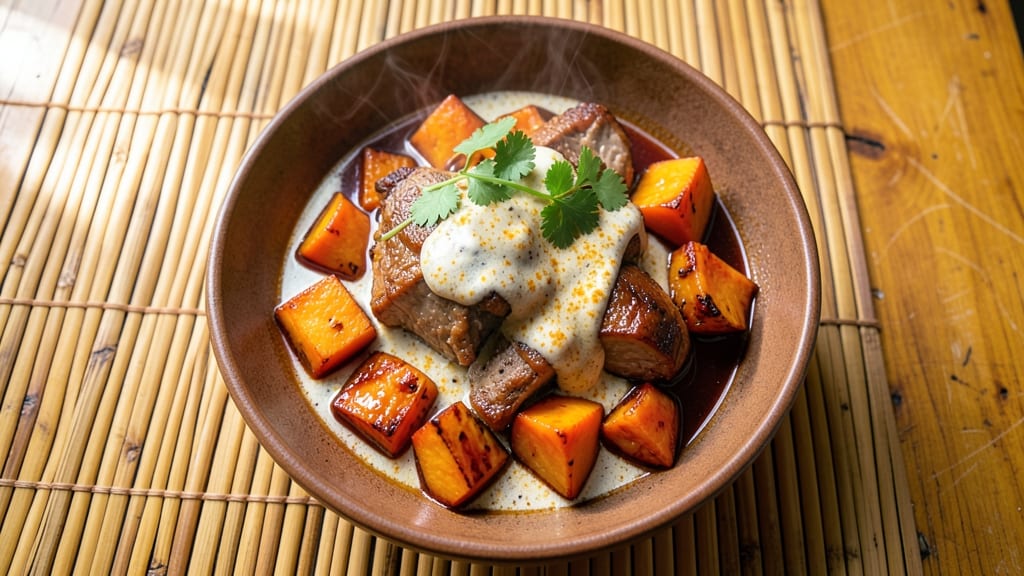
This Burmese pumpkin pork stew recipe brings the aromatic streets of Yangon to your kitchen with its fragrant coconut-tamarind depth that lingers long after the first bite. 🌟 I first encountered this dish during a cooking exchange in Myanmar, where the slow simmering of pork and pumpkin with traditional spices creates a harmony of sweet, sour, and umami flavors that's impossible to resist.
The secret lies in balancing turmeric's earthy warmth with tamarind's tangy brightness—this is where the magic happens.
The beauty of this recipe is its adaptability for home cooks. While traditional versions might call for hard-to-find ingredients, I've streamlined the process using pantry staples like coconut milk, garlic, and ginger, while keeping the authentic Burmese soul intact.
The stew develops its rich flavor over two hours of gentle simmering, transforming tough pork into melt-in-your-mouth tenderness that pairs perfectly with steamed jasmine rice or warm flatbread.
What makes this dish truly special is the textural contrast—creamy coconut broth cradles tender pork and pumpkin, while toasted spices add depth. The tamarind paste creates that signature Burmese tang that cuts through the richness, making each spoonful a perfect balance.
This is comfort food at its finest, with layers of flavor that tell a story of tradition and home.
Perfect for weeknight dinners or special gatherings, this stew scales beautifully and tastes even better the next day. The leftovers keep their depth of flavor, making it an ideal make-ahead meal.
Let's bring the warmth of Burmese cuisine to your table with this foolproof, restaurant-quality recipe that's as satisfying as it is delicious.
Ingredients for burmese pumpkin pork stew
Pantry staples meet exotic flavors in this Burmese classic—simple ingredients transform into restaurant-quality depth.
| Ingredient | Amount | Notes |
|---|---|---|
| Pork Shoulder 🥩 | 1 ½ lb | Cut into 1-inch cubes |
| Sugar Pumpkin 🎃 | 2 cups | Cubed, skin removed |
| Coconut Milk 🥥 | 1 can | Full-fat, 13.5 oz can |
| Tamarind Paste 🍯 | 2 tbsp | Adjust for tanginess |
| Turmeric Powder 🌿 | 1 tsp | Freshly ground preferred |
| Ground Cumin 🌿 | 1 tsp | Toasted for depth |
| Ground Coriander 🌿 | 1 tsp | For aromatic warmth |
| Garlic Cloves 🧄 | 6 cloves | Minced for intensity |
| Fresh Ginger 🌿 | 2 tbsp | Grated, aromatic |
| Fish Sauce 🍶 | 1 tbsp | Traditional umami |
| Soy Sauce 🥢 | 1 tbsp | Light soy preferred |
| Vegetable Oil 🫒 | 2 tbsp | High smoke point |
| Salt 🧂 | 1 tsp | Kosher or sea salt |
| Black Peppercorns 🌶️ | ½ tsp | Freshly cracked |
| Jasmine Rice 🍚 | 1 ½ cups | For serving, uncooked |
The pork shoulder is non-negotiable here—its collagen-rich fat melts into the stew, creating that signature creamy texture. Look for well-marbled cuts at Whole Foods or your local butcher; if you can't find it, Costco's pre-cut pork shoulder works perfectly. Sugar pumpkin is ideal (it's sweeter than kabocha), but butternut or kabocha will work in a pinch—just adjust cooking time. For tamarind paste, Mae Ploy or Thai Kitchen brands are my go-tos, but if you can't find it, lemon juice plus a pinch of sugar mimics the tang (though purists will notice the difference).
No fish sauce? Soy sauce plus a splash of vinegar gets you close, though the umami won't be identical. Fresh turmeric needs to be grated and then dried (or use 1/2 tsp powder if you're short on time). The coconut milk can be light, but full-fat delivers that luxurious mouthfeel—don't skimp. For the spices, toast your cumin and coriander seeds whole in a dry pan for 30 seconds before grinding; it makes all the difference. And if you're using pre-minced garlic, squeeze out excess moisture to prevent a watery stew.
This stew tastes even better the next day as flavors meld—plan ahead. Store in an airtight container in the fridge for up to 5 days, or freeze portions for 3 months. The rice? Cook it in advance and reheat with a splash of water—jasmine rice absorbs flavors beautifully. For serving, I like to garnish with fresh cilantro (if you're feeling fancy) or a drizzle of chili oil for heat. Leftovers reheat beautifully on the stove with a splash of water to restore creaminess.
Why You'll Love This Recipe
- Here’s what sold me: that first bite of tangy-sweet tamarind cutting through the creamy coconut, with turmeric adding this warm, earthy glow. It’s like a hug in a bowl—comforting but never heavy, and the pumpkin soaks up all those flavors like a sponge.
- One-Pot Magic: I swear by this—just dump everything in a pot and walk away. The pork shoulder melts into tender shreds while the pumpkin softens without babying, and the coconut milk does all the heavy lifting of blending flavors. No chopping, no fuss, just hands-off richness.
- Tamarind-Turmeric Magic: Here’s what sold me: that first bite of tangy-sweet tamarind cutting through the creamy coconut, with turmeric adding this warm, earthy glow. It’s like a hug in a bowl—comforting but never heavy, and the pumpkin soaks up all those flavors like a sponge.
- Leftovers? Please.: This stew actually improves the next day. The flavors meld deeper, the pork gets even more fall-apart tender, and it reheats like a dream. I make a double batch on Sundays because it’s my go-to for lazy lunches or when unexpected guests drop by.
Step-by-Step instructions for Burmese pumpkin pork stew
Let's build this rich, aromatic stew where tender pork melts into a velvety coconut-tamarind sauce.
🔥 Step 1: Sear the Pork Shoulder for Depth
Heat the 2 tablespoons vegetable oil in a large Dutch oven over medium-high heat until shimmering. Add the 1.5 lb pork shoulder cut into 1-inch cubes in a single layer, working in batches if needed. Sear undisturbed for 3-4 minutes until golden brown on all sides—this develops the Maillard reaction that forms the stew's foundation.
I press down gently on the pork cubes during the first minute to prevent curling, which ensures even contact with the pan. Once browned, transfer the pork to a plate and set aside. Don't drain the oil—those flavorful browned bits will form the base of our sauce.
🍳 Step 2: Build the Spice Base with Aromatics
In the same Dutch oven, reduce heat to medium and add the 6 cloves minced garlic and 2 tablespoons grated fresh ginger. Sauté for 1-2 minutes until fragrant and just beginning to color—this releases their essential oils that will infuse the stew.
Stir in the 1 teaspoon turmeric powder, 1 teaspoon ground cumin, and 1 teaspoon ground coriander. Toast for 30 seconds until spices are aromatic but not burnt. Here's where the magic happens: the spices should smell warm, earthy, and slightly sweet—this is your quality checkpoint before adding liquids.
🥘 Step 3: Develop the Tangy Coconut-Tamarind Sauce
Pour in the 1 can coconut milk and scrape up all those browned bits from the bottom of the pot with a wooden spoon. Add the 2 tablespoons tamarind paste, 1 tablespoon fish sauce, and 1 tablespoon soy sauce. Bring to a gentle simmer over medium-low heat for 5 minutes—you'll see the sauce thicken slightly as the tamarind dissolves.
This is the moment that matters: the tamarind should be fully incorporated, creating a glossy, slightly tangy sauce. Taste and adjust—you want that signature Burmese balance of sweet, sour, and umami. If it needs more depth, add another ½ teaspoon fish sauce. The sauce should coat the back of a spoon with a velvety texture.
🥘 Step 4: Simmer Pork Until Fork-Tender
Return the seared pork to the pot and add the 2 cups cubed sugar pumpkin (skin removed). Pour in enough water to come halfway up the pork cubes—about 2 cups. Sprinkle with 1 teaspoon salt and ½ teaspoon cracked black peppercorns.
Bring to a gentle boil, then reduce heat to low and cover partially. Simmer for 1 hour to 1 hour 15 minutes until the pork is fork-tender and falls apart easily. The pumpkin should be tender but still hold its shape—this ensures the right texture contrast in each bite. Stir occasionally to prevent sticking.
⏰ Step 5: Finish and Serve with Jasmine Rice
Once the pork is tender, uncover and simmer for another 5-10 minutes to allow the sauce to thicken slightly. Taste and adjust seasoning—you might need a touch more salt or tamarind to balance the flavors. The final stew should be rich, aromatic, and perfectly balanced between sweet, sour, and savory notes.
Serve immediately over 1.5 cups cooked jasmine rice, spooning generous portions of stew over each serving. The rice soaks up the fragrant coconut-tamarind sauce beautifully, creating a complete meal. For extra presentation, garnish with fresh cilantro if you like, but the stew's complex flavors stand perfectly on their own.
Pro Tips For Making Burmese Pumpkin Pork Stew
- Brown the Pork First: Skip the direct simmer—sear pork shoulder in batches until deep golden, not pink. I learned this the hard way: skipping this step means bland, rubbery meat. Two tablespoons of oil, medium-high heat, and 5-6 minutes per side. The crust locks in flavor when the tamarind and coconut milk join later.
- Peel and Cube Pumpkin Dry: Pat pumpkin chunks completely dry before adding them to the stew. Wet skin steams instead of caramelizing, and you’ll end up with sad, pale pieces. Toss them in a pinch of turmeric first—it doubles as a color boost and flavor anchor.
- Simmer Low and Long: After adding coconut milk, drop heat to a bare simmer (tiny bubbles, occasional skimming). My first attempt boiled it like a curry, and the milk broke into greasy clumps. Two hours minimum—pork needs time to fall apart, and pumpkin to melt into the sauce.
- Strain the Tamarind Paste: Mix tamarind paste with ¼ cup warm water first, then strain out the fibrous pulp. I used to toss it in whole, and it made the stew grainy. A fine-mesh sieve or cheesecloth does the trick—saves you from scraping bits off your teeth later.
Regional styles of this recipe
Yangon Street Food Style
In Yangon's bustling markets, this stew is traditionally cooked in heavy clay pots over charcoal fires, creating a smoky depth that's hard to replicate at home.
I've adapted this by using a Dutch oven on the stovetop, but for that authentic touch, add 2-3 dried lemongrass stalks and 1 kaffir lime leaf during the simmering phase.
The lemongrass infuses a citrusy aroma while the lime leaf adds a subtle floral note that's characteristic of street food stalls. 🌿
Mandalay Royal Court Version
The royal kitchens of Mandalay elevated this dish with ingredients like gold leaf flakes and saffron threads for special occasions. For a home cook's royal touch, fold in ½ teaspoon ground saffron (steeped in 2 tbsp warm water for 10 minutes) during the final 5 minutes of simmering.
While gold leaf is impractical, a pinch of turmeric-infused ghee (sauté turmeric in ghee until fragrant, then strain) adds luxurious depth without breaking the bank.
Northern Shan State Adaptation
In Shan State's cooler climate, this stew incorporates wild mushrooms like oyster or shiitake to add earthy complexity. Sauté 1 cup sliced mushrooms with the garlic and ginger in Step 2, then proceed with the recipe.
The mushrooms absorb the coconut-tamarind flavors beautifully, creating a richer, more umami-forward version. For an extra Shan touch, finish with 1 tbsp chopped fresh mint instead of cilantro.
Modern Fusion Twist
For a contemporary take, I've experimented with adding 1 diced sweet potato (peeled, 1 cup) along with the pumpkin in Step 4. The sweet potato adds natural sweetness that complements the tamarind's tang.
For heat lovers, stir in 1 tsp chili paste (like Maesri Sriracha) during the final 10 minutes of simmering. This fusion version keeps all the traditional flavors while adding vibrant color and texture contrast.
Vegetarian Adaptation
To make this vegetarian, replace the pork with 1.5 lbs extra-firm tofu (pressed and cubed) or 1.5 lbs chickpeas. For tofu, press it for 30 minutes to remove excess water, then pan-fry until golden before adding to the stew.
For chickpeas, simply add them with the pumpkin in Step 4. The chickpeas absorb the coconut-tamarind flavors exceptionally well, creating a hearty vegetarian version that still delivers that signature Burmese depth.
Slow Cooker Version
For hands-off cooking, transfer all ingredients to a 6-quart slow cooker after Step 2 (searing pork separately). Cook on low for 6-7 hours or high for 3-4 hours, then finish with the final 5-10 minutes of uncovered simmering on the stovetop.
The slow cooker method works particularly well for weeknight meals, allowing the flavors to meld without constant attention. Just be sure to use the full-fat coconut milk for optimal creaminess in the final result. 💫
Nutrition facts
Frequently asked questions
Can I substitute regular pumpkin for sugar pumpkin in this recipe?
While sugar pumpkin has a sweeter, denser texture, butternut or kabocha pumpkin work beautifully. Just adjust cooking time by 10-15 minutes since they're slightly denser. For extra flavor, add ½ teaspoon cinnamon when simmering to enhance the pumpkin's natural sweetness.
How do I adjust the tamarind tang if I can't find tamarind paste?
Mix 2 tablespoons lemon juice with 1 teaspoon sugar as a substitute. For deeper complexity, add ½ teaspoon vinegar (apple cider or rice vinegar works best). Taste as you go—the goal is a bright, slightly sour note that balances the coconut's richness.
Can I make this stew in an Instant Pot?
Yes! Sear the pork first, then add all ingredients (including water) and cook on high pressure for 30 minutes, followed by a 10-minute natural release. Finish with 5 minutes on sauté to thicken the sauce. The Instant Pot cuts cooking time significantly while keeping all the authentic flavors.
What's the best way to reheat leftovers?
Gently reheat on the stovetop over low heat with 2-3 tablespoons water to restore creaminess. Avoid microwaving—it can make the coconut sauce separate. For best results, reheat just until warmed through (3-5 minutes), then let sit covered for 2 minutes to meld flavors.
Why does my stew taste too salty?
Fish sauce and soy sauce are the usual culprits! Reduce by ½ teaspoon each next time. If already made, dilute with ¼ cup warm water, then simmer uncovered for 5 minutes to evaporate excess moisture. For balance, add a splash of coconut milk to restore richness.