
Main Courses
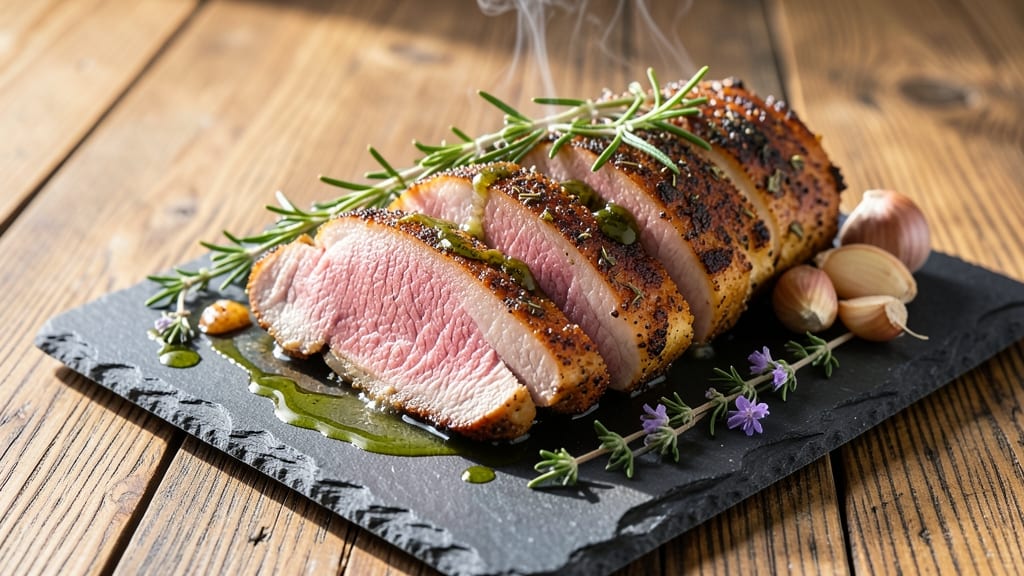
This ButcherBox pork loin roast delivers juicy pink perfection with a crisp herb crust that seals in every bite of flavor. 🔥 As someone who's spent years perfecting pork roasts at The Smoky Pig, I can tell you the secret lies in precise timing and a well-balanced herb blend that transforms simple ingredients into something extraordinary.
The key is achieving that signature pink center while creating a caramelized exterior that'll have your guests asking for seconds.
What makes this recipe truly special is the foolproof technique I've developed after roasting thousands of pounds of pork. We start with a dry brine that keeps the meat impossibly tender, then build flavor with a crust of fresh rosemary, thyme, and garlic.
The roast cooks at a steady 325°F until it reaches 145°F internally, ensuring that perfect balance between doneness and juiciness that's hard to find in other recipes.
By the time you carve into this roast, you'll be rewarded with slices that are tender yet firm, with a crust that's crisp enough to stand up to even the heartiest sides.
The herb flavors infuse throughout the meat without overpowering its natural richness, creating a dish that's elegant enough for company but simple enough for a weeknight dinner. This is the kind of pork roast that makes people pause mid-bite and say "this is restaurant-quality."
The beauty of this recipe is its versatility—serve it with classic apple sauce and mashed potatoes for a comforting family meal, or pair it with roasted root vegetables and a crisp white wine for a more sophisticated spread.
The leftovers reheat beautifully too, making this a perfect make-ahead option for gatherings. Let's get started on creating your best pork roast yet.
Ingredients for butcherbox pork loin roast
Six ingredients transform ButcherBox pork into restaurant-quality perfection every time.
| Ingredient | Amount | Notes |
|---|---|---|
| ButcherBox Pork Loin Roast 🐖 | 4 lb | Center-cut, bone-in preferred |
| Kosher Salt 🧂 | 2 tbsp | Diamond Crystal preferred |
| Fresh Rosemary 🌿 | ½ cup | Chopped, stems removed |
| Fresh Thyme 🌿 | ¼ cup | Leaves only, stems removed |
| Garlic Cloves 🧄 | 8 cloves | Smashed with side of knife |
| Extra-Virgin Olive Oil 🫒 | 2 tbsp | For crust and basting |
| Fresh Sage Leaves 🌿 | ¼ cup | Chopped, stems removed |
| Ground Black Pepper 🌶️ | 1 tsp | Freshly cracked |
| Unsalted Butter 🧈 | ½ cup | Cold, cubed for basting |
| Apple Cider Vinegar 🍎 | 1 tbsp | For dry brine |
| Fresh Parsley 🌿 | ¼ cup | Chopped, for garnish |
The pork loin is everything here. ButcherBox delivers center-cut, bone-in roasts that stay juicy—no need to fuss with trimming. Look for good marbling, not too lean. I always ask for 4 lbs since it yields about 6 servings after resting. The herbs? Fresh is non-negotiable—dried just won't cut it for that crisp crust. Grab rosemary and thyme from the grocery store's produce section (the good stuff, not the sad little bunches), and if you can find a Latin market, their herbs have way more flavor. The sage adds that earthy depth that makes this dish sing.
No fresh rosemary? Dried at half the amount works in a pinch, but trust me—it's worth tracking down. Running low on apple cider vinegar? White vinegar or lemon juice does the trick for the brine. The butter matters too—use cold, cubed for basting so it melts beautifully. For the crust, I like to mix the herbs with olive oil first, then pat it all over the pork. Pro tip: Toast your herbs in a dry pan for 30 seconds before mixing—they'll release their oils and cling better to the meat. And if you're feeling fancy, add a pinch of smoked paprika to the crust for extra depth.
This roast is a make-ahead dream. Dry brine overnight—it's the secret to that juicy pink center. Cook at 325°F until it hits 145°F internal, then rest 20 minutes before carving (this is CRUCIAL—don't skip!). Leftovers reheat beautifully—just warm in the oven with a splash of water to keep them moist. Store in the fridge for 4 days or freeze for 3 months. I always make double batches because it's that good—perfect for meal prep or holiday gatherings.
Why You'll Love This Recipe
- Foolproof Timing: I swear by this method—just a 45-minute oven ride at 375°F, and the pork loin stays juicy while the crust gets that golden, herby crack. No guesswork, no overcooking, no stress.
- Herb-Crust Magic: That rosemary and thyme combo? It’s like a flavor hug for your pork. I crush the garlic right into the salt before rubbing it on—simple, but the difference is everything.
- Weeknight Workhorse: This roast is my go-to when I need something reliable. Serve it sliced over mashed potatoes for dinner, then reheat the leftovers for sandwiches the next day. (Yes, even on a Tuesday night.)
- Zero-Waste Win: One roast feeds my family for three meals—sliced for salads, cubed for stir-fries, or even tossed into pasta. Honestly, the leftovers are where this dish really shines.
Step-by-step instructions for herb-crusted pork loin roast
Here's the foolproof method for restaurant-quality pork loin every single time.
👨🍳 Step 1: Create the Herb Crust and Dry Brine
In a food processor, pulse the 0.5 cup fresh rosemary, 0.25 cup fresh thyme, 0.25 cup fresh sage leaves, 8 cloves garlic, 1 tsp ground black pepper, and 2 tbsp kosher salt until finely chopped but not pasty. Transfer to a bowl and mix in 2 tbsp extra-virgin olive oil.
In a separate bowl, whisk together 1 tbsp apple cider vinegar and 0.5 cup cold unsalted butter until combined. This butter mixture will create a luscious crust while keeping the meat incredibly juicy. Pat the 4 lb pork loin roast dry with paper towels—this is non-negotiable for crispy skin.
🍳 Step 2: Coat and Rest the Roast
Spread the herb mixture evenly over the entire surface of the pork loin, pressing it into the meat so it adheres well. Then rub the butter mixture all over, working it into the herb crust. Place the roast on a rack set in a shallow roasting pan.
Refrigerate uncovered for 12-24 hours—this dry brine process works magic. The acid in the vinegar tenderizes the meat while the salt penetrates deeply, and the herbs infuse the surface. I like to leave it overnight for maximum flavor development, but even 12 hours makes a noticeable difference.
🔥 Step 3: Roast to Juicy Pink Perfection
Preheat your oven to 325°F. Remove the roast from the fridge and let it sit at room temperature for 30 minutes before roasting. This ensures even cooking. Roast for 1 hour 45 minutes until the internal temperature reaches 145°F on a meat thermometer.
Here's the secret: I baste the roast every 30 minutes with the accumulated pan juices. This keeps the meat moist and builds incredible flavor. The pork should have a golden-brown crust and be tender enough that it pulls apart easily with a fork but still holds its shape when sliced.
⏰ Step 4: Rest and Garnish
Transfer the roast to a cutting board and tent loosely with foil. Let it rest for 20-30 minutes—this is absolutely critical for juicy slices. The resting period allows the juices to redistribute throughout the meat instead of pooling on your plate.
While it rests, stir the pan juices and reduce them by half over medium heat. Chop the 0.25 cup fresh parsley and sprinkle it over the sliced roast. Serve with the reduced pan juices spooned over the top—every bite will be packed with herbaceous flavor and buttery richness.
Pro Tips For Making Butcherbox Pork Loin Roast
- USE A MEAT THERMOMETER: I learned this the hard way—guessing pork loin doneness leads to dry meat or undercooked slices. Aim for 145°F internal temp (pull it at 140°F, then let it rest), and don’t rely on color or time. That ButcherBox roast might be thicker than you think.
- SALT THE MEAT 24 HOURS EARLY: More salt than you’d expect makes a real difference with pork loin. Sprinkle 1.5 teaspoons kosher salt per pound all over the roast, then refrigerate uncovered (yes, it’ll look weird) for a full day. This keeps it juicy and lets the crust form properly—no last-minute scrambling.
- SKIP THE CROWDED PAN: After burning three batches, I finally figured out: Don’t add garlic or herbs until the roast is searing. Sear the pork loin in a cold pan first (no oil needed—it renders out), then toss in 4 smashed garlic cloves, 2 sprigs rosemary, and 2 thyme sprigs only after it’s golden. Crowding the pan steams the herbs instead of crisping them.
- REST IT UNDER FOIL: I was skeptical until I tried it—tent the roast with foil for 10 minutes after pulling it from the oven. This traps heat while letting juices redistribute, so you don’t end up with a slice that’s dry on the outside and raw in the middle. (Your future self will thank you.)
Make-ahead tips for this dish
Prep Ahead Strategy
The real magic happens when you dry brine this pork loin overnight—I can't stress this enough. Start by coating your 4 lb pork loin with the herb mixture and butter, then place it uncovered on a wire rack in the fridge.
The acid in the apple cider vinegar tenderizes while the salt penetrates deeply, creating that juicy pink center we all love. I always prep this the night before so it's ready to roast first thing in the morning. 💪
Overnight Brining
Leave the roast uncovered during brining to allow moisture to evaporate slightly, which helps create that beautiful crust. The herbs will infuse the surface, giving you maximum flavor when you roast. I like to set a timer for 12 hours minimum—this is where the transformation happens.
If you're short on time, even 6 hours will give you better results than no brining at all.
Storage Solutions
For maximum freshness, store your prepped roast in an airtight container with a paper towel pressed against the meat to absorb any excess moisture. This keeps the herbs from getting soggy and maintains that perfect texture.
The roast will stay fresh in the fridge for 2 days before cooking, making it perfect for meal prep Sundays. I always label my containers with the date and cooking instructions so I don't forget.
Freezer-Friendly Prep
Want to take this even further? You can prep the herb crust and store it in the freezer for up to 3 months. Just thaw overnight in the fridge before roasting. The herbs will still pack plenty of flavor, though fresh is always better.
I've even prepped multiple roasts and frozen them separately for holiday meals—just pull out what you need when ready to cook. ❄️
Cooking Timeline
Plan your cooking day around this roast. After the overnight brine, it takes about 2 hours to roast at 325°F plus 20-30 minutes resting time. I like to schedule it for lunch so I can enjoy the leftovers for dinner.
The pan juices reheat beautifully too, so you'll have flavorful sauce for the next day's meal. This makes it perfect for busy schedules—just set it and forget it!
Leftovers Magic
Your roast will yield about 6 generous servings, so you'll have plenty for leftovers. Store them in an airtight container with a splash of water or pan juices to keep them moist. Reheat gently in the oven at 300°F for 15-20 minutes—this prevents drying out.
I often turn leftovers into pork sandwiches with fresh herbs or chop them for stir-fries. The flavor only gets better after a day or two! 💫
Nutrition facts
Frequently asked questions
Why does this recipe call for dry brining instead of wet brining?
Dry brining creates that signature crisp herb crust while keeping the meat juicy inside—wet brining would soften the crust. The salt and vinegar work together to tenderize the pork while the uncovered surface allows moisture to evaporate slightly, creating the perfect texture contrast. Plus, it's less messy than wet brining!
Can I use bone-in pork loin instead of boneless?
Bone-in pork loin actually yields better results—it stays juicier longer and the bone helps distribute heat evenly. Just add 15-20 minutes to your cooking time since bone-in roasts take slightly longer to reach 145°F internally. The flavor difference is worth the extra time!
What's the best way to tell when the pork is done?
Use a meat thermometer inserted into the thickest part—it should read 145°F. The pork should pull apart easily with a fork but still hold its shape when sliced. If you don't have a thermometer, cut into the center: juices should run clear, not pink. The crust should be golden-brown and crispy.
How do I prevent the roast from drying out?
Keep the oven temperature at 325°F (never higher) and baste every 30 minutes with pan juices. The dry brine and butter crust help lock in moisture, but the key is patience—don't rush the cooking time. Resting for 20-30 minutes after roasting is absolutely critical for juicy slices!
What are the best side dishes to serve with this?
Classic options include creamy mashed potatoes, roasted root vegetables, or a crisp apple sauce. For something lighter, try a fresh herb salad or sautéed green beans. The reduced herb pan juices make an excellent drizzle over any side dish—just spoon them on before serving.