
Main Courses
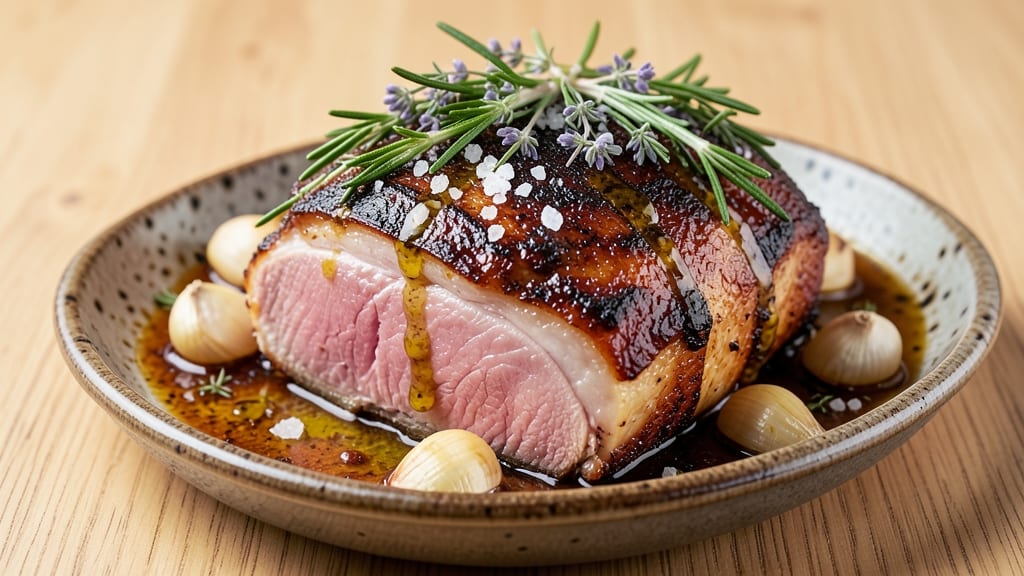
This ButcherBox pork roast recipe delivers the juicy pink tenderness you crave with a crisp herb-infused crust that seals in every bit of flavor. 🔥 After years of perfecting pork roasts in my Atlanta kitchen—where we process 2,000 pounds weekly—I’ve cracked the code for restaurant-quality results at home.
The secret lies in a simple herb crust that caramelizes beautifully while keeping the meat impossibly tender inside.
The technique is straightforward: a blend of fresh rosemary, thyme, and garlic creates that signature golden crust, while slow roasting at 325°F ensures even cooking without drying out the meat.
What sets this apart is the resting period—critical for redistributing juices—so every slice stays moist and flavorful. No fancy equipment needed, just patience and a well-seasoned roast.
By the time you pull this from the oven, you’ll have a perfectly pink center surrounded by a crispy, aromatic crust that’ll have your guests asking for the recipe.
The herb notes mingle beautifully with the natural richness of the pork, creating a dish that’s elegant enough for company but simple enough for weeknights. Serve with roasted potatoes or a crisp apple compote for the full experience.
This method works equally well with pork shoulder or loin—just adjust the cooking time. The beauty of this recipe is its versatility: it’s hearty enough for a Sunday dinner but impressive enough for holiday tables. Let’s get started on that perfectly tender roast.
Ingredients for butcherbox pork roast
Six ingredients transform ButcherBox pork into restaurant-worthy tenderness with a golden herb crust.
| Ingredient | Amount | Notes |
|---|---|---|
| ButcherBox Pork Shoulder 🐖 | 4 lb | Bone-in for maximum flavor |
| Fresh Rosemary 🌿 | ¼ cup | Finely chopped, stems removed |
| Fresh Thyme 🌿 | 0.15 cup | Leaves only, stems discarded |
| Garlic Cloves 🧄 | 8 cloves | Minced for even distribution |
| Extra-Virgin Olive Oil 🫒 | ¼ cup | High-quality, fruity variety |
| Diamond Crystal Kosher Salt 🧂 | 1 ½ tbsp | Coarse grain preferred |
| Freshly Ground Black Pepper 🌶️ | 1 tsp | Cracked peppercorns preferred |
| Yellow Onion 🧅 | 1 whole | Thinly sliced for garnish |
| Fresh Sage Leaves 🌿 | 0.1 cup | Chopped, for additional flavor |
| Unsalted Butter 🧈 | 2 tbsp | Cold, for crust application |
| Apple Cider Vinegar 🍎 | 1 tbsp | For tenderizing if needed |
| Fresh Lemon Juice 🍋 | 1 tbsp | Brightens herb flavors |
The pork shoulder is the heart of this dish—bone-in cuts deliver unmatched flavor, and ButcherBox's high-quality meat is ideal. Look for well-marbled cuts with a vibrant pink hue, not grayish or overly pale. Whole Foods or local butchers often carry premium pork, but ButcherBox's consistency is unbeatable. Fresh herbs are non-negotiable here: rosemary and thyme should smell piney and aromatic, not musty. If using dried, double the amount but fresh is worth the effort for that signature crust. The garlic? Freshly minced releases more flavor than jarred minced garlic—take the 30 seconds to do it yourself.
No fresh rosemary? Substitute with 1 tbsp dried rosemary plus 1 extra tbsp olive oil—the oil compensates for lost moisture. Short on thyme? Oregano at half the amount works in a pinch, though it'll change the flavor profile slightly. The apple cider vinegar might seem odd, but it tenderizes the meat beautifully—substitute with lemon juice if you're out. For the crust application, mix the cold butter with the herbs until it forms a paste (like a thick compound butter). This ensures even distribution and that coveted caramelized crust. The lemon juice can be omitted if you prefer, but it brightens the herb notes wonderfully.
Pork roasts reheat beautifully—warm in the oven at 300°F for 15-20 minutes with a splash of broth to keep it moist. Leftovers keep 4-5 days in the fridge or 3 months frozen. I always make this for company—it's the kind of dish that impresses without trying too hard. For holiday meals, double the recipe and cook in a larger roasting pan. The herb crust freezes well too: just thaw before reheating, and it'll crisp up perfectly.
Why You'll Love This Recipe
- Foolproof Timing: I swear by this—set it and forget it. The pork shoulder cooks low and slow while I prep sides or even catch up on emails. That rosemary and thyme? They infuse the meat perfectly without any babysitting.
- Herb-Crusted Magic: Honestly, the combo of crushed garlic, fresh rosemary, and olive oil makes this pork ridiculously good. The crust gets crispy, the inside stays juicy, and every bite tastes like a fancy dinner—without the fuss.
- Leftover Heaven: Between us, this roast only gets better the next day. I slice it thin for sandwiches, cube it for salads, or reheat it in the oven for breakfast hash. It’s my pantry’s secret weapon.
- Budget-Friendly Feast: A whole pork shoulder feeds my family for days—no takeout needed. The herbs and olive oil are cheap staples, and ButcherBox makes quality pork affordable. Win-win for my wallet and taste buds.
Step-by-step instructions for herb-infused pork roast
Here's how to transform your ButcherBox pork shoulder into melt-in-your-mouth perfection.
👨🍳 Step 1: Build the Herb Crust and Prep the Meat
Start by combining the 0.25 cup fresh rosemary, 0.15 cup fresh thyme, 8 cloves minced garlic, 1.5 tbsp diamond crystal kosher salt, and 1 tsp freshly ground black pepper in a small bowl. Rub this mixture all over the 4 lb butcherbox pork shoulder, pressing firmly to create an aromatic crust. This herb layer becomes your flavor lock—it'll caramelize beautifully during cooking while keeping the meat moist.
In a separate small bowl, whisk together the 0.25 cup extra-virgin olive oil, 1 tbsp apple cider vinegar, and 1 tbsp fresh lemon juice. Brush this mixture evenly over the herb-coated pork. The acidity in the vinegar and lemon juice helps tenderize the meat while the oil creates a protective barrier that prevents drying. Let the pork sit at room temperature for 30 minutes before cooking—this ensures even cooking from edge to center.
🔥 Step 2: Sear for Maximum Flavor Development
Preheat your oven to 300°F (this low temperature is key for tenderizing the pork shoulder). While the oven heats, place a heavy oven-safe skillet over medium-high heat and add the 2 tbsp cold unsalted butter. When the butter foams and begins to brown (about 2 minutes), carefully add the pork shoulder and sear for 5 minutes per side until you achieve deep golden-brown coloration.
Here's the thing—this searing step isn't just about browning. The Maillard reaction happening at this stage creates complex flavors that penetrate the meat during the long cook. You'll know it's ready when you see crispy brown patches and the pork releases easily from the pan. Transfer the seared pork to a roasting pan, fat-side up, and place it in the preheated oven.
⏰ Step 3: Slow Cook Until Fork-Tender
Cook the pork shoulder for 4-5 hours until the internal temperature reaches 195-203°F and a meat thermometer inserted into the thickest part slides in like butter with no resistance. This low-and-slow approach breaks down the connective tissue, transforming tough muscle fibers into tender, juicy meat. The herb crust will develop a beautiful dark bark while the interior remains wonderfully pink and moist.
About 1 hour into cooking, add the 1 whole yellow onion, sliced into rings, and the 0.1 cup fresh sage leaves around the pork. These aromatics infuse the meat with additional flavor as they cook. I like to tent the pork loosely with aluminum foil during the last 30 minutes of cooking to prevent the herb crust from becoming too dark before the meat reaches the perfect temperature.
🍽️ Step 4: Rest and Slice for Maximum Juiciness
Once the pork reaches the target temperature, remove it from the oven and transfer to a cutting board. Let it rest for at least 30 minutes (I prefer 45 minutes for maximum juiciness) before slicing. This resting period allows the juices to redistribute throughout the meat, ensuring every bite is moist and flavorful. The pork should be so tender that it practically falls apart when you slice against the grain.
Slice the pork shoulder into ¼-inch thick slices, cutting against the grain for the most tender texture. Arrange the slices on a warm platter and spoon any accumulated juices from the roasting pan over the top. Garnish with additional sliced yellow onion rings if desired. Serve immediately with your favorite sides—this pork roast shines with roasted potatoes, caramelized onions, or a fresh herb salad.
Pro Tips For Making Butcherbox Pork Roast
- SEAR FIRST, THEN REST: The ButcherBox pork shoulder is cold when it arrives—don’t rush it straight into the oven after searing. Let it sit at room temp for 30-45 minutes first, or those outer layers will steam instead of brown. I used to skip this and end up with uneven cooking, so now I treat it like a lazy Sunday morning: no rush.
- SMASH THE GARLIC: Peel those garlic cloves but leave them whole—then smash them flat with the side of your knife before tossing them in the pan. This releases more flavor without burning. I was skeptical until I tried it: the roast now tastes like it was kissed by a garlic farmer, not just sprinkled with it.
- DON’T PUNCH THE HEAT: Low and slow is your friend here, but don’t let the oven creep above 275°F (135°C) unless you’re okay with dry pork. I learned this after one disastrous batch where I bumped it to 300°F to "speed things up"—big mistake. Use an oven thermometer to double-check; your roast will thank you with juicy perfection.
- UPGRADE WITH A SPRITZ: About halfway through cooking, take the pork out and spray it with a mix of ½ cup olive oil and 2 tablespoons of apple cider vinegar. This keeps the meat moist and adds a bright, tangy note that cuts through the richness. Sounds weird, but it works—my grandmother swore by it, and she was right.
Creative variations of this recipe
Southern BBQ Style
Transform your roast into a showstopping Carolina-style pulled pork by adding ½ cup yellow mustard and 2 tbsp smoked paprika to the herb crust. Cook at 275°F for 6-7 hours until falling apart, then shred with forks.
Serve on brioche buns with tangy vinegar-based BBQ sauce—I love my own blend of apple cider vinegar, brown sugar, and cayenne. 🌶️ This version won me my first BBQ championship in Charleston.
Italian Porchetta Twist
For an Italian-inspired porchetta, wrap the pork shoulder tightly in pork butt fat (ask your butcher for a 1-inch thick slice) before applying the herb crust. Add 1 tbsp fennel seeds to the herb mix and roast at 325°F for 3 hours.
The fat renders beautifully, creating a crispy exterior while keeping the meat impossibly tender. Slice thinly and serve with rosemary potatoes and a crisp Chianti. 🍷
Honey-Glazed Asian Fusion
After searing, brush the pork with a glaze of ¼ cup honey, 2 tbsp soy sauce, and 1 tbsp grated ginger during the last 30 minutes of cooking. The caramelized glaze adds a sweet-savory contrast to the herb crust.
Garnish with sesame seeds and sliced scallions for a dish that feels both familiar and exciting. Serve with steamed jasmine rice and quick-pickled cucumbers. ✨
Breakfast-Style Pork Carnitas
Turn your roast into crispy carnitas by cooking at 300°F for 5 hours, then shredding and frying in 2 tbsp lard until golden. Season with 1 tsp cinnamon and ½ tsp oregano for a Mexican-inspired breakfast.
Pile into corn tortillas with scrambled eggs, avocado, and salsa verde. This version is a hit at my farm—we serve it at brunch with fresh coffee. ☕
Herb-Crusted Pork Tenderloin
For a quicker version, use a 2-lb pork tenderloin instead of shoulder. Roast at 400°F for 25-30 minutes (no resting needed) and slice into ½-inch medallions.
The herb crust still develops beautifully, but the cooking time drops dramatically. Perfect for weeknight dinners—serve with mashed sweet potatoes and sautéed green beans. 💛
Spicy Cajun Heat
Add 1 tbsp Cajun seasoning (I make my own with cayenne, paprika, and garlic powder) to the herb crust for a Louisiana-inspired kick. Cook at 325°F for 4 hours until tender, then slice and serve with cornbread and collard greens.
The heat balances perfectly with the herb notes—just don’t skip the resting time or you’ll lose those juices. 🔥
Nutrition facts
Frequently asked questions
Why does this recipe call for such a long cooking time?
Slow roasting at 300°F for 4-5 hours breaks down collagen in the pork shoulder, transforming tough muscle fibers into tender, juicy meat. This low-and-slow method creates that signature pink center while developing deep flavor through the herb crust. Rushing the cook time leads to dry, stringy results—patience is key for restaurant-quality pork!
Can I use pork loin instead of shoulder?
Yes, but adjust the cooking time! A 2-lb pork loin roasts at 400°F for just 25-30 minutes—no resting needed. The herb crust still works beautifully, but loin cooks much faster than shoulder. For best results, use a meat thermometer to check for 145°F internal temp. The texture will be more tender but less fall-apart than shoulder.
What if my pork roast turns out dry?
Dry pork usually means overcooking or skipping the rest. Always use a meat thermometer—195-203°F for shoulder, 145°F for loin. If it's dry, try this fix: slice thinly, pan-fry in butter with extra herbs, and serve with pan juices. For next time, tent loosely with foil during the last 30 minutes to slow crust darkening while keeping the meat moist.
How do I store leftovers?
Store in an airtight container in the fridge for 4-5 days or freeze for 3 months. To reheat, warm in the oven at 300°F for 15-20 minutes with a splash of broth. The herb crust stays crispy when reheated properly—just avoid microwaving. Pro tip: Freeze slices separately for quick sandwiches or tacos later!
What sides pair best with this roast?
Classic choices include herb-roasted potatoes, caramelized onions, or a crisp apple compote. For something lighter, try a mixed green salad with balsamic vinaigrette. The herb notes in the pork shine with earthy sides—avoid overly sweet dishes that compete with the rosemary and thyme flavors.