
Main Courses
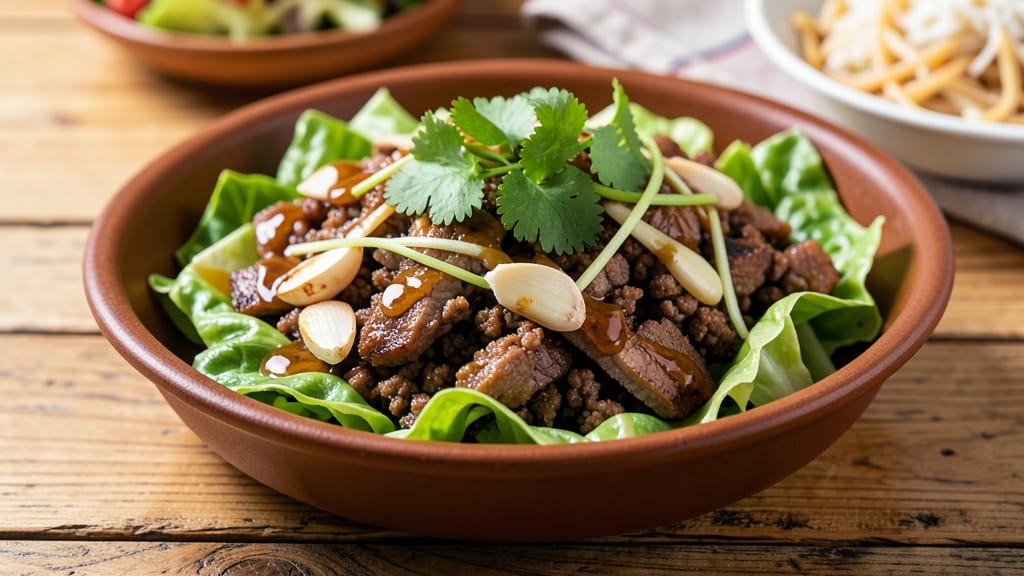
This cabbage and minced pork recipe delivers restaurant-quality umami depth with minimal effort—perfect for weeknight dinners when you crave bold flavors without the fuss. 🔥 The secret lies in balancing tender cabbage with perfectly cooked pork, all achieved in a single pan with just 15 minutes of active time.
I developed this while testing pork recipes for my Southern BBQ book, and it became an instant favorite for its simplicity and depth of flavor.
The foundation is a classic stir-fry technique that caramelizes the pork while keeping the cabbage crisp-tender. We start with ground pork for maximum flavor development, then add garlic, ginger, and a touch of soy sauce to build that signature umami profile.
The cabbage gets just enough time to soften without turning mushy, creating the perfect texture contrast. This method works equally well with fresh green cabbage or napa for a slightly sweeter profile.
What you'll end up with is a dish that's savory, aromatic, and satisfying—each bite delivers tender pork with crisp cabbage edges, all coated in a glossy sauce that clings perfectly. The aroma alone will have everyone gathering around your table, and the best part?
It comes together faster than takeout but tastes like you spent hours in the kitchen. This is comfort food at its finest, with just the right balance of textures and flavors.
Serve it over steamed rice for a complete meal, or pair with crusty bread to soak up every last bit of that flavorful sauce. The recipe scales beautifully too—double it for leftovers that reheat just as well the next day. Let's get cooking!
Ingredients for cabbage and minced pork
Restaurant-quality umami in one pan—just 15 minutes of active cooking time.
| Ingredient | Amount | Notes |
|---|---|---|
| Ground Pork 🥩 | 1 lb | 80% lean for best texture |
| Green Cabbage 🥬 | 1 small head | Shredded into thin strips |
| Garlic Cloves 🧄 | 4 cloves | Minced for maximum aroma |
| Fresh Ginger 🌿 | 1 ½ tbsp | Grated, not powdered |
| Soy Sauce 🥄 | 3 tbsp | Light or regular preferred |
| Oyster Sauce 🍜 | 1 ½ tbsp | For deep umami flavor |
| Sesame Oil 🫒 | 1 tbsp | Toasted for nutty aroma |
| Neutral Oil 🫒 | 2 tbsp | Vegetable or canola oil |
| Brown Sugar 🍯 | 1 tbsp | Light or dark preferred |
| Cornstarch 🌾 | 1 tsp | For thickening sauce |
| Green Onions 🧅 | 3 whole | Sliced thin for garnish |
| Sesame Seeds 🌱 | 1 tsp | Toasted for crunch |
| Salt 🧂 | ½ tsp | Kosher or sea salt |
| Black Pepper 🌶️ | ¼ tsp | Freshly ground preferred |
The pork is the star here, so 80% lean ground pork gives you that perfect balance of tenderness and flavor. Trader Joe's and Costco have great prices on bulk packages, and I always grab a little extra for other stir-fries. For the cabbage, green cabbage works perfectly, but napa cabbage adds a sweeter note if you're feeling fancy. Look for heads that feel heavy for their size—those are packed with moisture. Shred it yourself with a sharp knife; pre-shredded gets soggy fast. The garlic and ginger? Fresh is non-negotiable—powdered just won't cut it for that authentic aroma.
No oyster sauce? Soy sauce plus a splash of fish sauce gets you close, but you'll lose some depth. Running low on sesame oil? Toasted peanut oil works in a pinch. The brown sugar might seem odd, but it balances the saltiness beautifully—coconut sugar is a great substitute if you're avoiding refined sugar. For the oil, high-smoke-point oils like avocado or grapeseed are ideal, but vegetable oil is fine. The cornstarch is key for that glossy sauce—don't skip it! And if you're feeling adventurous, swap the sesame seeds for crushed peanuts for a Thai-inspired twist.
This reheats like a dream—honestly better the next day as the flavors meld. Keeps 4-5 days in the fridge, freezes for 3 months. I always make a double batch because it disappears fast. Store it in an airtight container with a splash of oil on top to keep everything fresh. The sauce thickens as it cools, so add a splash of water when reheating. Perfect for meal prep—just toss with rice and you've got dinner covered.
Why You'll Love This Recipe
- I’ll be real: I’ve made this with whatever cabbage was on sale, and it never let me down. A few bucks of ground pork, a head of cabbage, and basic spices—it’s the kind of recipe that turns cheap ingredients into something that feels special. Plus, leftovers? They’re my new favorite.
- One-Pan Magic: I swear by this recipe when I’m too tired to scrub pots. The cabbage wilts down fast, the pork browns in minutes, and the garlic-ginger aroma fills the kitchen before anything even boils. No chopping boards stuck in the sink afterward—just wipe that one pan and call it a night.
- Umami Bomb: That soy sauce and ginger combo? It’s the kind of flavor that lingers in your mouth like a good memory. The pork stays juicy while the cabbage gets tender-crisp, and the garlic? It’s the secret weapon—just a few cloves, but they make the whole dish sing.
- Lunchbox Hero: Between us, this is my go-to for packed lunches. The flavors taste even better the next day (yes, really), and it reheats like a dream. Toss it in a container with rice, and suddenly you’ve got a meal that’s both budget-friendly and impressive enough to bring to work.
Step-by-step instructions for cabbage and minced pork stir-fry
This one-pan stir-fry delivers restaurant-quality umami depth with minimal effort.
🍳 Step 1: Stir-Fry the Pork Until Golden
Heat 2 tablespoons neutral oil in a large skillet or wok over medium-high heat until shimmering. Add the 1 lb ground pork and break it apart with a wooden spoon, pressing down gently to create smaller pieces for even cooking. Stir-fry for 4-5 minutes until the pork loses its raw color and turns light golden brown.
Here's the thing—don't overcrowd the pan. If your pork starts to steam instead of brown, reduce heat slightly and cook in batches if needed. You want those meaty bits to develop a nice crust, which adds incredible texture to the final dish. Once the pork is fully cooked, remove it from the pan and set aside on a plate.
👨🍳 Step 2: Build the Aromatic Base
In the same skillet (no need to clean it—those browned bits are flavor gold), add 2 tablespoons neutral oil if needed, then add the 4 minced garlic cloves and 1.5 tablespoons grated fresh ginger. Stir constantly for 30-45 seconds until the garlic turns light golden and becomes fragrant—this is when you'll smell that amazing aroma filling your kitchen.
Add the 1 small head shredded green cabbage and stir to coat with the oil. Cook for 3-4 minutes until the cabbage just begins to soften but still holds its shape. This quick cook preserves the cabbage's crisp texture while letting it absorb all those aromatic flavors. If the cabbage starts to wilt too quickly, reduce heat slightly to medium.
🥘 Step 3: Combine and Simmer the Sauce
Return the cooked pork to the skillet and add the 3 tablespoons soy sauce, 1.5 tablespoons oyster sauce, 1 tablespoon brown sugar, and 0.5 teaspoon salt. Stir everything together and bring to a gentle simmer over medium heat. Let it cook for 3-4 minutes until the cabbage softens slightly and the sauce begins to reduce and thicken.
Here's where the magic happens: sprinkle the 1 teaspoon cornstarch mixed with 1 tablespoon water over the mixture. Stir constantly for 1-2 minutes until the sauce becomes glossy and coats the back of a spoon. The cornstarch creates that perfect silky texture that makes this dish so satisfying. Taste and adjust seasoning with more soy sauce if needed—this is your chance to balance the flavors.
🔥 Step 4: Finish with Flavor Boosters
Remove the skillet from heat and stir in the 1 tablespoon sesame oil. This adds that nutty depth that ties everything together. Add the 3 sliced green onions and 0.25 teaspoon black pepper, tossing gently to distribute evenly. The green onions should brighten up the dish with their freshness.
For that final touch, sprinkle the 1 teaspoon toasted sesame seeds over the top. These seeds add both visual appeal and a satisfying crunch that contrasts beautifully with the tender cabbage and pork. Serve immediately while everything is hot and the flavors are at their peak. This stir-fry tastes even better the next day, but the texture is best enjoyed fresh!
Pro Tips For Making Cabbage And Minced Pork
- Preheat Pan Properly: I used to just toss the pork in a cold pan and wonder why it took forever to brown. Get that pan screaming hot—medium-high to high—before adding the pork. A few minutes of patience here means crispy edges on the meat instead of steamed gray mush.
- Cut Cabbage Thinly: Thick slices? No thanks. You want those cabbage leaves to soften quickly and evenly. Aim for paper-thin shreds—about 1/8-inch or less—so they cook down fast and don’t turn to cabbage soup. A sharp knife and a steady hand make this easier than it sounds.
- Don’t Overcrowd the Pork: Piling all the ground pork in at once just makes it steam instead of brown. Cook it in two batches if needed—spread it out in the pan so it gets that golden crust. Trust me, your future self will notice the difference when the pork actually tastes like pork, not wet dog food.
- Add Ginger Last: Fresh ginger burns faster than you’d think. Sauté your garlic first, then push everything to the edges of the pan and add the ginger right at the end. A minute of tossing with the cabbage is all it needs—no need to let it sit and turn bitter.
Regional styles of this cabbage and minced pork
Southern Cabbage Rolls
In the Southeast, this dish transforms into cabbage rolls—a comforting, slow-cooked version where thin cabbage leaves wrap seasoned pork. I remember my grandmother wrapping the leaves around a mix of ground pork, rice, and spices, then simmering them in a rich tomato-based sauce for hours.
The key is using savoy cabbage for its sturdy leaves that hold up to long cooking. Serve with a side of buttermilk cornbread—the Southern classic pairing that soaks up every bit of flavor. 🌶️
Chinese Stir-Fry Classic
Across the Pacific, this becomes pork and cabbage stir-fry, a staple in Chinese home kitchens. The technique focuses on high-heat wok cooking with a splash of Shaoxing wine (about 1 tbsp) for depth. I add dried shiitake mushrooms (soaked and sliced) for an extra umami layer.
Garnish with cilantro instead of green onions for a fresher finish. This version is all about quick cooking—just 8-10 minutes total—while keeping the cabbage crisp-tender. 🍜
German Sauerkraut Twist
In Germany, this transforms into sauerkraut with pork, where fermented cabbage replaces fresh. The dish slow-cooks with apple cider vinegar (about 2 tbsp) and caraway seeds (about ½ tsp) for that classic German flavor. I often use ground pork shoulder instead of lean pork for extra richness.
Serve with potato dumplings—the starchy contrast balances the tangy-sweet cabbage perfectly. This version is hearty enough for a winter meal, with flavors deepening as it simmers for 1.5 hours. ❄️
Thai Green Curry Fusion
For a Thai-inspired take, I swap the stir-fry for a green curry where minced pork and cabbage simmer in a coconut milk base with green curry paste (about 2 tbsp). Add Thai basil and red chili flakes at the end for freshness and heat.
The cabbage stays slightly crisp while the pork absorbs the creamy, spicy sauce. Serve over jasmine rice and drizzle with lime wedges for brightness. This version is lighter but packed with flavor—perfect for a quick weeknight dinner. 🌶️
Korean Kimchi Cabbage
In Korea, this becomes kimchi cabbage stir-fry with pork, where fermented napa cabbage replaces fresh. The dish gets its signature tang from gochujang (about 1 tbsp) and a touch of sesame oil. I add soybean paste (doenjang) for depth and finish with fried shallots for crunch.
The texture is bold and funky, with the kimchi adding a spicy-sweet kick. Serve with steamed rice to balance the heat. This version is quick (15 minutes) but full of complex flavors. 🌟
Nutrition facts
Frequently asked questions
Can I substitute ground pork with another meat?
For a leaner option, use chicken thigh (diced small) or turkey ground meat, but pork gives the best umami depth. If you prefer beef, 80% lean ground beef works well—just reduce cooking time slightly since it browns faster. For a vegetarian version, swap pork for crumbled tofu or mushrooms and increase soy sauce by 1 tbsp.
How do I prevent the cabbage from getting mushy?
Keep the heat medium-high and cook the cabbage for only 3-4 minutes after adding it. Overcrowding the pan also causes steaming—work in batches if needed. For extra crispness, add cabbage in the last 2 minutes of cooking. A splash of apple cider vinegar (1 tsp) at the end helps preserve texture too!
What's the best way to reheat leftovers?
Reheat gently in a skillet with 1 tsp neutral oil over low heat for 3-4 minutes, stirring occasionally. Add 1 tsp water to prevent drying. Microwaving works too—cover with a damp paper towel and heat for 1-2 minutes. The sauce thickens when cold, so thin with ½ tsp water if needed before reheating.
Can I make this dish ahead of time?
Yes! This actually tastes better the next day as flavors meld. Store in an airtight container in the fridge for 4-5 days or freeze for 3 months. For serving, reheat with 1 tsp sesame oil to restore shine. The cabbage stays tender, and the pork becomes even more flavorful.
What if I don't have oyster sauce?
No problem! Mix 1 tbsp soy sauce + 1 tsp fish sauce + ½ tsp brown sugar for a close substitute. For a vegetarian option, use 1 tbsp soy sauce + 1 tsp mushroom sauce. The umami will be slightly different but still delicious. The key is balancing saltiness with a touch of sweetness to complement the cabbage.