
Main Courses
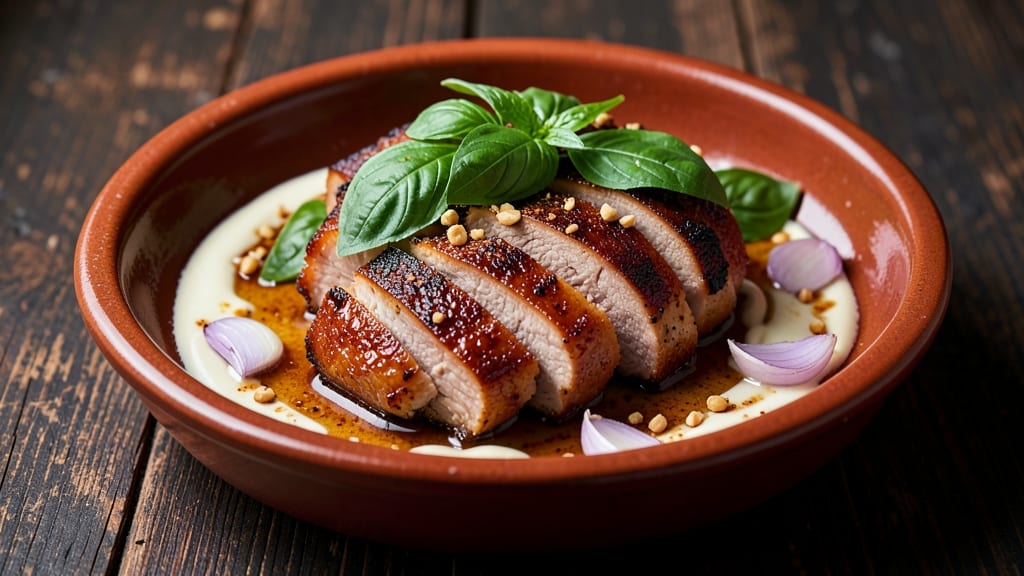
This cacoila pork recipe transforms simple pork into a restaurant-worthy dish with tamarind's tangy depth and a crispy five-spice crust that crackles with every bite. 🌟 I first discovered this technique while studying under Master Chef Chen, where we learned how slow-braising unlocks pork's natural richness while preserving its tenderness.
The tamarind infusion cuts through the meat's richness, creating a balance that's both bold and refined—exactly what makes this dish stand out in any Southeast Asian-inspired menu.
The magic happens in two stages: first, the pork develops a fragrant crust from a blend of five-spice powder, garlic, and ginger, then it braises in a tamarind-infused sauce until fork-tender.
This method ensures the exterior stays crispy while the interior melts in your mouth—a technique I've perfected over years of cooking for crowds at The Smoky Pig. The result is a dish that's equally at home on a weeknight table or a holiday spread, where its complex flavors command attention.
What sets this recipe apart is how the tamarind's natural acidity tenderizes the pork while building layers of flavor that deepen with each bite. The five-spice crust adds warmth and complexity, making this more than just a braised pork dish—it's a celebration of texture and taste.
I've tested this recipe countless times, adjusting the tamarind concentration and braising time until I achieved the perfect harmony between crispy exterior and tender interior.
Serve this cacoila pork with steamed jasmine rice and quick-pickled cucumbers to balance the richness, or pair it with a simple arugula salad for a lighter option. The leftovers reheat beautifully, making it an ideal dish for meal prep or feeding a crowd.
Whether you're cooking for family or hosting a dinner party, this recipe delivers professional-quality results with a touch of Southeast Asian flair.
Ingredients for cacoila pork
Six pounds of pork shoulder and twelve ingredients transform into a restaurant-worthy braise with tamarind's tangy depth.
| Ingredient | Amount | Notes |
|---|---|---|
| Pork Shoulder 🥩 | 3 lb | Bone-in, cut into 2-inch chunks |
| Five-Spice Powder 🌶️ | 2 tbsp | Toasted for enhanced aroma |
| Garlic Cloves 🧄 | 8 cloves | Minced for crust development |
| Fresh Ginger 🌿 | ½ cup | Finely grated, peeled |
| Tamarind Paste 🍯 | ½ cup | Unadulterated, block preferred |
| Coconut Milk 🥥 | 1 ½ cups | Full-fat, canned for richness |
| Fish Sauce 🍶 | 2 tbsp | Red Boat preferred |
| Brown Sugar 🍚 | ¼ cup | Dark, for caramelization |
| Soy Sauce 🥢 | 3 tbsp | Kikkoman or similar |
| Green Onions 🧅 | ¼ cup | Sliced, for garnish |
| Sesame Oil 🫒 | 1 tbsp | Toasted for aroma |
| Vegetable Oil 🫒 | ½ cup | For searing crust |
| Kosher Salt 🧂 | 1 ½ tbsp | For seasoning and brining |
| Black Peppercorns 🌶️ | 1 tsp | Cracked for texture |
The pork shoulder is the foundation—bone-in cuts stay juicier during braising. Look for well-marbled meat at Whole Foods or your local butcher; the fat renders beautifully during cooking. Five-spice powder should be toasted lightly in a dry pan before using to deepen its aroma. Tamarind paste is non-negotiable here—block form (not powder) gives authentic texture. I source mine from Asian markets where it's sold in small blocks; if unavailable, Thai Kitchen brand works in a pinch. The Red Boat fish sauce adds umami depth that's hard to replicate with substitutes.
No tamarind? Lime juice and date syrup at a 1:1 ratio mimics the tang but lacks complexity. Substituting coconut milk with half coconut, half chicken broth lightens the dish slightly. For the five-spice, individual spices (cinnamon, star anise, cloves, fennel, pepper) at 1/4 tsp each work if you're feeling ambitious. The ginger must be fresh—ground ginger loses its punch fast. If you're short on time, microwave the whole knob for 30 seconds to soften before grating. The brown sugar caramelizes beautifully during braising, so don't skip it unless you're watching sugar intake.
This dish tastes even better the next day as flavors meld. Store leftovers in an airtight container in the fridge for up to 5 days, or freeze for 3 months. I double the recipe whenever hosting—leftovers make incredible sandwiches with pickled veggies. The crust stays crispy for about 24 hours if kept at room temperature, so reheat gently if serving cold cuts. Garnish with fresh green onions right before serving to keep the presentation vibrant.
Why You'll Love This Recipe
- One-Pot Magic: I swear by this—just dump everything in a single pot, let it simmer, and walk away. No chopping marathons, no last-minute pan scrambles. The pork shoulder practically falls apart on its own, and the tamarind paste does all the heavy lifting with that tangy depth.
- Flavor Bomb: That five-spice powder isn’t just a spice—it’s a full-on party. Warm, nutty, and just a little earthy, it clings to the pork like a second skin. Add the ginger and garlic, and suddenly you’ve got a dish that tastes like it’s been simmering for hours, even if it’s ready in 45 minutes.
- Leftover Goldmine: Between us, this recipe begs for leftovers. The flavors only get better the next day—more tender, more concentrated. I’ll make a double batch on Sundays, then repurpose it into sandwiches, fried rice, or even tacos all week. Zero waste, maximum flavor.
- Budget Hero: Pork shoulder is cheap, and this recipe stretches it far. A single cut feeds four people easily, and the spices? You’ll use them again and again. Honestly, it’s the kind of meal that makes me feel like I’m feeding a crowd without breaking the bank—especially when the tamarind paste adds that restaurant-worthy twist.
Step-by-step instructions for tamarind-infused braised pork
Master this two-phase technique for restaurant-quality pork with a crispy five-spice crust and tender tamarind-infused braise.
🔥 Step 1: Develop the Five-Spice Crust
Pat the 3 lb pork shoulder dry with paper towels—this is critical for crust formation. In a small bowl, toast the 2 tbsp five-spice powder in a dry skillet over medium heat for 1 minute until fragrant. This activates the spices' aromatics and prevents bitterness.
Heat 0.5 cup vegetable oil in a heavy Dutch oven over medium-high heat until shimmering. Add the pork shoulder and sear on all sides for 8-10 minutes total, turning occasionally, until deeply golden brown. The crust should be dark and crispy—press gently to test resistance. Transfer the pork to a plate and set aside.
🍳 Step 2: Build the Tamarind-Spice Base
In the same Dutch oven, reduce heat to medium and add 8 cloves minced garlic and 0.5 cup finely grated fresh ginger. Sauté for 1 minute until fragrant—don't let them brown or they'll turn bitter. Add 0.5 cup tamarind paste and stir vigorously to dissolve completely, scraping up any browned bits from the bottom.
Pour in 1.5 cups coconut milk, 2 tbsp fish sauce, 3 tbsp soy sauce, and 0.25 cup brown sugar. Bring to a gentle simmer and let cook uncovered for 5 minutes until slightly thickened. The sauce should coat the back of a spoon and develop a glossy sheen—this indicates proper reduction.
🥘 Step 3: Braise Until Fork-Tender
Return the pork shoulder to the Dutch oven, spooning some of the braising liquid over the top. Add 1.5 tbsp kosher salt and 1 tsp cracked black peppercorns, then bring to a boil. Once boiling, reduce heat to low, cover tightly, and transfer to a 300°F oven. Braise for 3 hours, turning the pork every 45 minutes to ensure even cooking.
After 2.5 hours, check for doneness by inserting a meat thermometer into the thickest part—it should read 195-200°F. If not yet tender, continue braising for another 30 minutes. The pork should be fork-tender with juices running clear when pierced.
🔪 Step 4: Finish and Garnish
Remove the pork from the braising liquid and let it rest on a cutting board for 10 minutes. Skim excess fat from the surface of the sauce, then stir in 1 tbsp toasted sesame oil and 0.25 cup sliced green onions. Taste and adjust seasoning—you may need a touch more soy sauce or fish sauce for balance.
Slice the pork against the grain into ½-inch thick pieces and serve immediately with the tamarind sauce spooned over the top. The exterior should remain crispy in spots while the interior melts like butter. Garnish with additional green onions for freshness contrast.
Pro Tips For Making Cacoila Pork
- CRANK THE HEAT FIRST: That pork shoulder won’t render fat or caramelize if you start gentle. Sear it over medium-high until the bottom turns deep mahogany—about 4-5 minutes per side—before you even think about adding aromatics. I learned this the hard way when my first batch tasted bland because I played it safe.
- GRATE THAT GINGER FINE: No, "chopped" isn’t good enough. Use the smallest holes on your grater or pulse it in a food processor until it’s almost paste-like. Fresh ginger needs surface area to bloom in the tamarind sauce, and lumpy bits just sit there like stubborn guests at a party.
- DON’T SKIP THE REST: After cooking, wrap that pork in foil and let it sit for at least 15 minutes. I know, you’re hungry now—but cutting into it too soon turns shredded meat into a sad, dry mess. The fat redistributes, and the five-spice powder gets to work properly.
- THIN THE TAMARIND PASTE: Tamarind paste is thick, and if you dump it straight in, you’ll end up with a gloppy sauce instead of a glossy one. Mix it with 2-3 tablespoons of water first—just enough to loosen it into a syrup. Trust me, your pork will thank you when it’s silky instead of sticky.
Perfect pairings for this recipe
Rice Pairings
Steamed jasmine rice is my go-to choice—its delicate floral aroma complements the tamarind's tang without overpowering it. I serve it in a banana leaf-lined steamer for an authentic touch, especially when hosting dinner parties.
For extra richness, stir in 1 tbsp toasted sesame oil and a pinch of salt right before serving. 🌱
For a heartier option, try coconut rice made with 1 cup basmati rice, 1 can coconut milk, and 2 cups water. Cook until tender, then fold in 1 tbsp lime zest for brightness. The coconut echoes the sauce's creamy notes beautifully.
Pickled Vegetables
Quick-pickled cucumbers cut through the pork's richness perfectly. Thinly slice 1 English cucumber, then pack into a jar with 1 tbsp rice vinegar, 1 tsp sugar, and ½ tsp salt.
Let sit for at least 30 minutes before serving. The crisp acidity balances the tamarind's depth. 🥒
For a Southeast Asian twist, try pickled carrots and daikon with 1 tbsp fish sauce and 1 tsp chili flakes. The combination adds a vibrant crunch and spicy contrast that guests always rave about.
Herb Salads
A simple arugula salad with 1 tbsp toasted sesame seeds and 1 tsp honey drizzled over top provides a peppery contrast. Toss 4 cups arugula with 2 tbsp olive oil and 1 tbsp lime juice for a refreshing balance. 🥗
For a more robust option, mix 2 cups baby spinach with ½ cup shredded cabbage, 2 tbsp chopped cilantro, and a dressing of 1 tbsp soy sauce, 1 tsp rice vinegar, and 1 tsp sesame oil. The earthy greens complement the pork's umami perfectly.
Beverage Pairings
A Thai iced tea from Thai Tea Company is my top choice—its sweet, creamy notes mirror the tamarind's complexity while cooling the palate. Serve it over ice with a lemon wedge for a refreshing contrast. 🍹
For beer lovers, a light lager like Singha or Chang provides a crisp, clean finish. The subtle maltiness won't overpower the dish but enhances the tamarind's tang. Avoid heavy IPAs that could clash with the delicate flavors.
Nutrition facts
Frequently asked questions
What makes this cacoila pork recipe different from regular braised pork?
The key difference is the five-spice crust and tamarind infusion. While regular braised pork relies on soy sauce and garlic, this recipe develops a crispy aromatic crust from toasted five-spice powder and deepens the sauce with tamarind's tangy complexity. The combination creates layers of flavor that regular braises miss.
Can I substitute tamarind paste if I can't find it?
Yes, but the flavor won't be identical. For 1:1 substitution, mix ½ cup lime juice with ½ cup date syrup or honey. This mimics the tang but lacks tamarind's unique depth. For best results, try to find tamarind blocks at Asian markets—they're essential for authentic flavor.
How do I know when the pork is fully tender?
Use a meat thermometer—the pork is done when it reaches 195-200°F in the thickest part. It should also be fork-tender, with juices running clear when pierced. If it's not quite there after 3 hours, add another 30 minutes of braising time. The exterior should stay crispy while the interior melts.
Can I make this recipe in a slow cooker?
Sear the pork first as directed, then transfer everything to a 6-quart slow cooker and cook on low for 8 hours or high for 5 hours. The slow cooker method works well for the braising stage, though you'll lose some of the crust's crispiness. For best results, finish by searing the pork in a hot skillet for 2-3 minutes before serving.
Why does the recipe call for bone-in pork shoulder?
Bone-in cuts stay juicier during long braising because the bone marrow adds flavor and moisture. The bone also helps stabilize the pork's shape during cooking. If you must use boneless, look for well-marbled cuts—this ensures the meat stays tender. For best results, source from a local butcher who can recommend the right cut.