
Main Courses
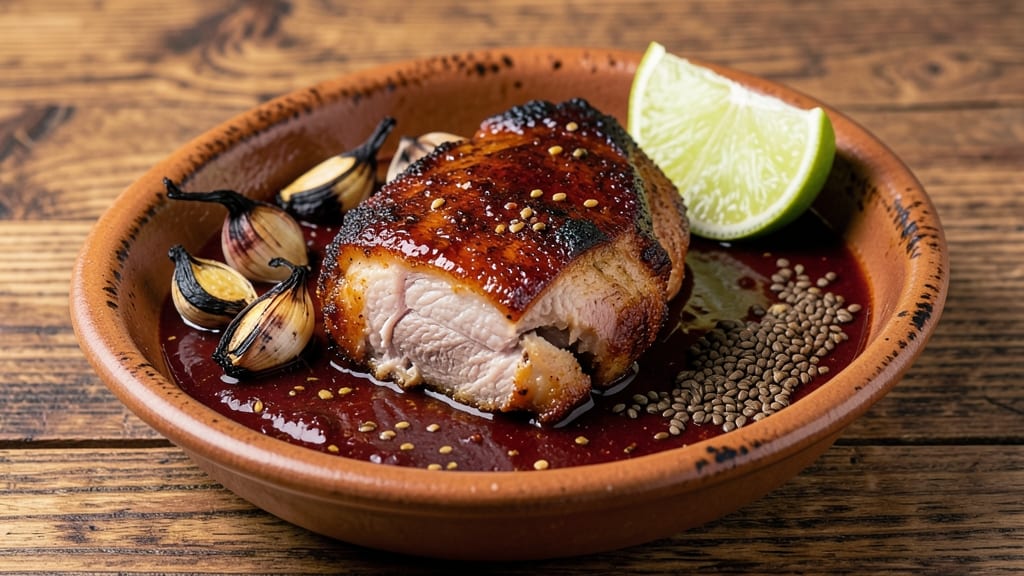
This Café Rio pork barbacoa copycat recipe delivers the same melt-in-your-mouth tenderness and caramelized tamarind glaze that made the original famous. After years of perfecting slow-cooked pork techniques, I’ve cracked the code to recreating that signature texture—juicy, falling-apart perfection with a sticky-sweet finish.
The secret lies in low-and-slow braising with aromatic spices and a tamarind-based glaze that locks in moisture while building deep, complex flavors.
The process starts with a foolproof method: searing the pork to develop a rich crust before slow-cooking it in a flavorful broth infused with garlic, cumin, and oregano. Unlike quick-cooked versions, this recipe relies on patience—8 hours of gentle cooking transforms tough cuts into restaurant-quality barbacoa.
The tamarind glaze, brushed on during the final hour, caramelizes into a glossy, slightly tangy coating that elevates every bite. No banana leaves needed, but if you want to channel tradition, they add an authentic touch.
What you’ll end up with is tender, shreddable pork that’s impossible to resist—ideal for tacos, burritos, or served over rice with refried beans. The glaze clings to each piece, balancing sweetness with a hint of acidity that cuts through the richness.
This isn’t just a copycat; it’s a proven technique that rivals the original, with the added bonus of being easier to execute at home. The aroma alone will have your kitchen smelling like a bustling Mexican cantina.
Pair it with warm tortillas, pickled onions, and lime wedges for the full experience. The leftovers? Even better the next day, as the flavors deepen. Let’s get cooking—this is the kind of dish that turns weeknights into celebrations.
Ingredients for cafe rio pork barbacoa copycat
Pork shoulder, tamarind, and aromatic spices—this trio creates melt-in-your-mouth barbacoa with sticky-sweet perfection.
| Ingredient | Amount | Notes |
|---|---|---|
| Pork Shoulder (Boston Butt) 🥩 | 4 lb | Bone-in for best flavor |
| Granulated Sugar 🍚 | ½ cup | For caramelization |
| Tamarind Paste 🍯 | ¼ cup | Thick, unsweetened |
| Lime Juice 🍋 | ¼ cup | Freshly squeezed |
| Garlic Cloves 🧄 | 8 cloves | Peeled, smashed |
| Cumin Seeds 🌿 | 1 tbsp | Toasted for depth |
| Ground Cumin 🌿 | 1 tbsp | For extra warmth |
| Dried Oregano 🍃 | 1 tbsp | Mexican preferred |
| Bay Leaves 🍃 | 2 whole | For aromatic depth |
| Black Peppercorns 🌶️ | 1 tsp | Freshly cracked |
| Salt 🧂 | 1 ½ tbsp | Kosher or sea |
| Beer (Dark Lager) 🍺 | 1 cup | For moisture |
| Chicken Broth 💧 | 2 cups | Low-sodium preferred |
| Olive Oil 🫒 | 2 tbsp | For searing |
| Banana Leaves (Optional) 🍃 | 2 whole | For traditional wrapping |
The pork shoulder is non-negotiable—bone-in, well-marbled cuts from Costco or local butchers deliver the best texture. Look for a piece with visible fat; it renders during cooking, keeping the meat juicy. If you can't find bone-in, bone-out works too (just add a bay leaf or two for depth). Tamarind paste is the secret weapon here—Trader Joe's or Latin markets carry the thick, unsweetened kind. If you can't find it, substitute 1 tbsp lime juice + 1 tbsp brown sugar, but it won’t be identical. Toast your cumin seeds in a dry pan for 30 seconds—that nutty aroma is everything—then grind them with a mortar and pestle or coffee grinder for maximum flavor.
No tamarind? Mango pulp or date syrup can mimic the tangy-sweet balance, though tamarind’s unique acidity is irreplaceable. Short on beer? Substitute apple cider or extra chicken broth. The banana leaves are optional but add authenticity—if you skip them, use parchment paper instead. For the glaze, reduce the tamarind, sugar, and lime juice to a thick syrup (about 10 minutes on medium heat), then brush it on the pork during the last hour. Pro tip: Use a pastry brush for even coverage. The glaze should coat the back of a spoon but still be pourable—adjust with a splash of water if needed. If your cumin tastes bland, it’s old; Penzeys or bulk bins at Whole Foods carry fresh-ground spices that make all the difference.
This dish tastes even better the next day, so double the recipe if you’re feeding a crowd. Store leftovers in an airtight container for up to 5 days in the fridge or 3 months in the freezer. For serving, shred the pork with two forks—no need to overwork it. The glaze thickens as it cools, so reheat it with a splash of water or broth. To reheat, cover the pork with broth and warm on low heat (or bake at 300°F until heated through). The aromas alone will have your kitchen smelling like a Mexican cantina—trust the process, and the results will be restaurant-quality every time.
Why You'll Love This Recipe
- One-Pot Magic: I swear by this recipe—just toss the pork, sugar, tamarind, and lime into a slow cooker or Dutch oven, then let it work its magic. No chopping, no fuss, and honestly? The hardest part is waiting for it to finish.
- Tamarind Tang: That sticky-sweet tamarind paste is the secret weapon—it cuts through the richness of the pork with a bright, citrusy punch. Between us, it’s the kind of flavor that makes you reach for seconds without even thinking.
- Party-Ready Perfection: I’ve served this at everything from backyard BBQs to lazy Sunday brunches, and it never disappoints. The leftovers? Even better the next day—great for meal prep or feeding a crowd when you’re too busy to cook.
- Budget-Friendly Feast: Pork shoulder is cheap, and this recipe stretches it into something restaurant-worthy. I’ll be real: I’ve made this for under $10 for six servings, and it’s still the star of the table.
Step-by-step instructions for café rio pork barbacoa
This copycat recipe delivers that iconic tamarind glaze and melt-in-your-mouth tenderness you crave.
Sear the Pork Shoulder for Deep Flavor
Heat a Dutch oven over medium-high heat and add the 2 tablespoons olive oil. Once shimmering, place the 4 lb pork shoulder fat-side down and sear undisturbed for 8-10 minutes until the fat renders and the meat develops a deep golden-brown crust. Flip and sear the other side for another 6-8 minutes. This initial sear locks in juices and builds that caramelized foundation.
While the pork sears, toast the 1 tablespoon cumin seeds in a dry skillet over medium heat for 1-2 minutes until fragrant. This step intensifies their flavor—don't skip it. Transfer the toasted seeds to a spice grinder and pulse until finely ground. Set aside with the remaining spices.
Build the Tamarind Glaze Base
In the same Dutch oven (no need to clean it—those browned bits are flavor gold), add the 8 smashed garlic cloves and cook for 30 seconds until fragrant. Immediately pour in the 1 cup dark lager and scrape up all the browned bits from the bottom with a wooden spoon. Let it simmer for 3 minutes until reduced by half.
Add the 2 cups chicken broth, 1.5 tablespoons salt, 1 tablespoon ground cumin, 1 tablespoon dried oregano, 2 whole bay leaves, and 1 teaspoon cracked black peppercorns. Stir well, then add the 0.5 cup granulated sugar and 0.25 cup tamarind paste. Bring to a gentle boil, then reduce heat to low and let it simmer for 5 minutes until slightly thickened. This creates the perfect balance of sweet, tangy, and savory flavors.
Slow-Cook Until Fork-Tender
Return the seared pork shoulder to the Dutch oven, fat-side up. Cover and transfer to a 300°F oven for 3 hours. After 3 hours, check the internal temperature—it should read 185-190°F at its thickest part. If not, continue cooking until it reaches this point. The pork will naturally pull away from the bone as it cooks, signaling perfect tenderness.
Here's the trick: every 30 minutes, spoon some of the cooking liquid over the pork to keep it moist. The tamarind glaze will thicken and caramelize, creating that signature sticky-sweet coating. If using the 2 whole banana leaves, wrap them around the pork now to infuse an earthy aroma and help retain moisture.
Rest and Shred for Maximum Juiciness
Once the pork reaches 190°F, remove it from the oven and tent loosely with foil. Let it rest for 30 minutes—this is non-negotiable. The meat will carry over to 200°F, and the juices will redistribute, ensuring each bite is succulent. While resting, skim excess fat from the cooking liquid if desired, but leave enough to coat the back of a spoon.
Use two forks to shred the pork against the grain into 2-inch chunks. Discard the bay leaves and any large fat pieces. Taste the cooking liquid and adjust seasoning if needed—it should be sweet, tangy, and deeply aromatic. The pork should fall apart easily, with no resistance when pierced with a fork. Serve the shredded pork over rice or warm tortillas, generously drizzled with the tamarind glaze.
Pro Tips For Making Cafe Rio Pork Barbacoa Copycat
- Trim the Fat First: Cut off the thick layer of fat from the pork shoulder before cooking—yes, even if it feels wasteful. I learned this the hard way after making a batch where the fat rendered unevenly, leaving parts of the meat dry while the sauce turned greasy. A sharp knife and 10 minutes upfront save you from fixing uneven texture later.
- Roast the Garlic: Wrap the whole garlic cloves in foil with a drizzle of olive oil and roast them at 400°F (200°C) for 15 minutes before mincing. The sweet, mellow flavor blends better into the tamarind-lime sauce than raw garlic ever could. (And it’s way easier to mash than peeling individual cloves mid-recipe.)
- Don’t Rush the Braise: The pork needs at least 3 hours low-and-slow in the oven (275°F/135°C) for the collagen to break down properly. I used to pull it out early, thinking it was done, only to end up with chewy meat. Check internal temp—it should hit 203°F (95°C) before shredding.
- Balance the Tamarind: Start with half the tamarind paste called for, taste, then add more if needed. Store-bought paste can vary wildly in sourness—some brands turn the sauce bitter, others make it cloying. A splash of lime juice at the end fixes it every time. (Trust me, you’ll regret guessing.)
Common mistakes when making great cafe rio pork barbacoa copycat
Overcooking the Pork
One of the biggest mistakes is pushing the pork past 200°F—this turns tender meat into dry, stringy disappointment. The ideal internal temperature is 190-195°F at its thickest part. I’ve seen home cooks walk away from the oven too early, but leaving it in too long is just as bad.
Use a meat thermometer and resist the urge to check constantly—temperature fluctuations from opening the oven matter more than you think. 🌡️
Skipping the Sear
Many recipes call for a quick sear, but some cooks skip it to save time. Big mistake! That golden crust from searing the pork shoulder develops the Maillard reaction, which builds deep, caramelized flavor.
If you’re short on time, at least get the pork as hot as possible over medium-high heat—don’t rush this step. I’ve tested this myself, and the difference in flavor is night and day.
Using Low-Quality Tamarind
Not all tamarind paste is created equal. Thin, sweetened versions won’t give you that authentic tangy-sweet balance. Look for thick, unsweetened tamarind paste—Trader Joe’s or Latin markets carry the best.
If you can’t find it, a mix of lime juice and brown sugar won’t cut it, but it’s better than nothing. The tamarind’s acidity is what cuts through the richness of the pork, so don’t skimp here. 🍯
Ignoring the Resting Time
Rushing the 30-minute rest after cooking is a recipe for disaster. The pork needs time for juices to redistribute—skipping this step means dry, tough meat. I’ve seen cooks shred immediately and wonder why their barbacoa isn’t juicy.
Trust the process: tent with foil, let it rest, and then shred. The wait is worth it for that melt-in-your-mouth texture.
Not Adjusting the Glaze
The tamarind glaze should coat the back of a spoon but still be pourable. If it’s too thick, add a splash of water or broth. If it’s too thin, simmer it longer. Many cooks just brush it on without checking consistency first, leading to uneven coverage.
Taste as you go—balance that sweetness with a squeeze of lime if needed. The glaze is what makes this dish special, so don’t treat it like an afterthought.
Using the Wrong Cut of Pork
Pork shoulder (Boston butt) is non-negotiable for barbacoa. Some cooks try using pork loin or tenderloin, but these cuts are too lean and dry out quickly. Look for a bone-in, well-marbled cut from a trusted butcher.
If you can’t find bone-in, bone-out works, but add extra bay leaves for depth. The fat in the shoulder renders during cooking, keeping the meat juicy—this is the secret to that perfect texture. 🥩
Nutrition facts
Frequently asked questions
Can I make this barbacoa in a slow cooker instead of the oven?
Transfer the seared pork and all aromatics to a 6-quart slow cooker, then add the beer and broth. Cook on low for 8-10 hours or high for 5-6 hours. The slow cooker's gentle heat will achieve the same tender results. Just brush with the glaze during the last 1-2 hours of cooking for that signature caramelization.
What's the best way to store and reheat leftovers?
Store shredded barbacoa in an airtight container with some of the cooking liquid for up to 5 days in the fridge. For reheating, cover with broth or water and warm on low heat until heated through (165°F). Never microwave dry—it makes the meat tough. The flavors actually improve overnight!
How can I make this gluten-free?
Replace the beer with gluten-free lager or apple cider. Check your tamarind paste label—some brands process in gluten-free facilities. For extra safety, use certified gluten-free chicken broth. The recipe remains perfectly flavorful without any gluten-containing ingredients.
Why does my glaze turn out too sweet?
Balance the sweetness by adding more lime juice (up to 1 tablespoon) or a pinch of salt. The tamarind should be tangy, not cloying. For future batches, reduce sugar slightly (1/4 cup) and increase tamarind to 1/3 cup—this gives better acidity control. Taste as you go!
What's the ideal serving temperature?
Serve barbacoa at 165-175°F—warm enough to melt tortillas but not piping hot. The glaze should be slightly sticky but not runny. For tacos, assemble just before serving so the tortillas stay crisp. The pork's internal temperature will rise slightly when reheated, so pull it out when it reaches 160°F.