
Main Courses
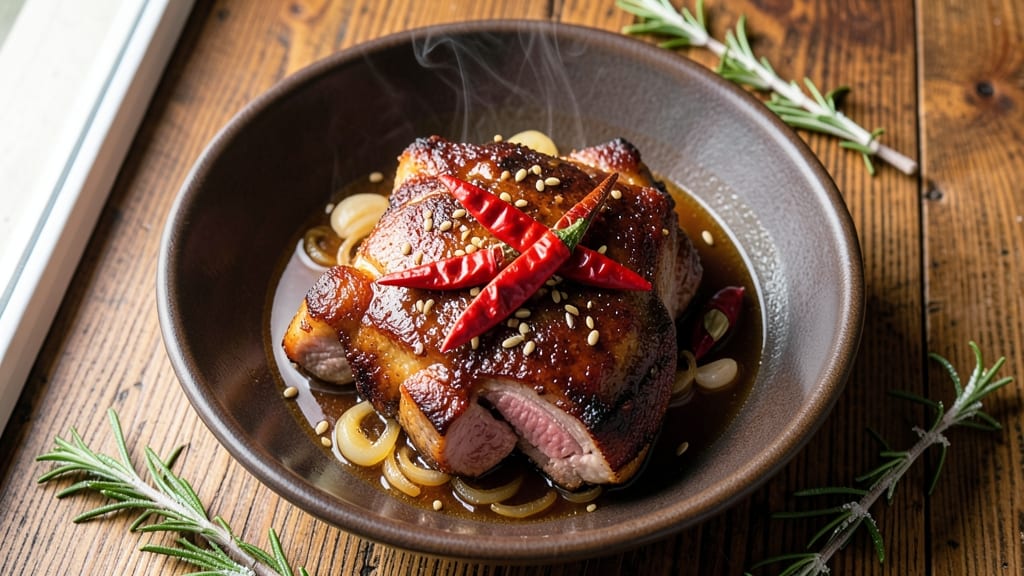
This Calabrian pork recipe brings the bold flavors of Southern Italy to your table with a perfect balance of heat, sweetness, and aromatic anise.
After years of perfecting this dish in my kitchen—and countless trips to Calabria—I’ve developed a method that delivers tender, spiced pork with a sauce that’s rich yet bright.
The key lies in slow-cooking the meat with chili peppers, anise seeds, and a touch of honey, creating layers of flavor that linger long after the last bite.
The process starts with a marinade that tenderizes the meat while infusing it with chili heat and anise’s signature licorice note. I’ve found that slow-roasting the pork at low heat ensures it stays juicy, while the sauce reduces to a glossy, slightly sticky consistency that clings beautifully to every bite.
This isn’t just another pork dish—it’s a celebration of Calabrian tradition, where every spice and technique matters.
What you’ll end up with is perfectly tender pork that falls apart at the touch, coated in a sauce that’s sweet, spicy, and deeply aromatic. The anise seeds add a subtle warmth, while the chili peppers bring just the right amount of heat—enough to excite your palate without overwhelming it.
Serve it with polenta or crusty bread to soak up every last bit of that flavorful sauce.
This recipe is built for those who appreciate bold flavors and thoughtful techniques—no shortcuts, just the kind of dish that makes you want to slow down and savor each bite. Let’s get cooking.
Ingredients for calabrian pork
Pantry staples meet bold Calabrian flavors for this unforgettable pork dish.
| Ingredient | Amount | Notes |
|---|---|---|
| Pork Shoulder 🥩 | 2 lb | Bone-in for flavor, cut into 2-inch chunks |
| Calabrian Chili Peppers 🌶️ | 4 whole | Dried or fresh, seeds removed |
| Anise Seeds 🌿 | 1 tbsp | Whole, lightly toasted for aroma |
| Honey 🍯 | 2 tbsp | Wildflower or clover for depth |
| Garlic Cloves 🧄 | 6 cloves | Peeled, lightly smashed |
| Onion 🧅 | 1 whole | Yellow or red, sliced into half-moons |
| Olive Oil 🫒 | ½ cup | Extra-virgin for richness |
| Red Wine Vinegar 🍷 | ¼ cup | Dry variety for balance |
| Tomato Paste 🍅 | 2 tbsp | High-quality, no salt added |
| Fresh Rosemary 🌿 | ¼ cup | Chopped, stems removed |
| Salt 🧂 | 1 ½ tsp | Diamond Crystal kosher salt |
| Black Pepper 🌶️ | ½ tsp | Freshly cracked |
| Water 💧 | ½ cup | For deglazing |
The pork shoulder is non-negotiable here—bone-in for maximum flavor, and 2 lbs is perfect for four servings. Look for well-marbled cuts at your butcher or the meat department. If you can't find Calabrian chili peppers, dried arbol or Fresno peppers work in a pinch, but toast them first to deepen their flavor. Anise seeds are the soul of this dish; buy them whole from the spice aisle—ground versions lack the same punch. And honey? Wildflower or clover adds complexity, but any good-quality honey will do.
No Calabrian chili peppers? Dried red pepper flakes at half the amount bring heat, though they won’t have the same fruity depth. Swap the anise seeds for a pinch of fennel seeds (same family, similar vibe), but reduce to 1 teaspoon—they’re potent. The red wine vinegar can be swapped for balsamic vinegar, though it’ll add sweetness. Fresh rosemary is ideal, but dried works at one-third the amount. For the tomato paste, Trader Joe’s or Muir Glen are my go-tos—they’re consistent and affordable. If you’re short on time, a 14-ounce can of crushed tomatoes can replace the paste and vinegar combo, but the sauce won’t be as balanced.
This dish tastes even better the next day, so make it ahead if you can. Store the pork and sauce in an airtight container in the fridge for up to 4 days. For longer storage, freeze portions for 3 months. The sauce thickens as it cools, so add a splash of water or broth when reheating. Serve with creamy polenta or crusty bread to soak up every last bit of that spicy-sweet sauce. Leftovers reheat beautifully—just cover with a lid and warm on the stovetop over medium heat.
Why You'll Love This Recipe
- One-Pot Magic: I swear by this recipe—just the pork, peppers, honey, and garlic in one pan. No chopping mountains of veggies or juggling multiple dishes. The Calabrian chili peppers do the work for you, simmering down into a sticky, spicy-sweet sauce that clings to the meat like it’s been best friends with it forever.
- Sweet Heat Balance: Honestly, the anise seeds are the star here. They give this dish that faintly licorice-like warmth that cuts through the chili’s kick, while the honey caramelizes into a glossy finish. It’s not just spicy—it’s layered: smoky from the pork, bright from the garlic, and just a whisper of heat that lingers.
- Weeknight to Weekend: Between us, this is my go-to for lazy Sundays and hectic weeknights. Serve it with crusty bread for a no-fuss dinner, or pile it onto sandwiches for a lunch that feels like a treat. Even my picky teenage nephew asks for seconds—(yes, even on a Tuesday night).
- Leftovers That Shine: The flavor actually deepens the next day. I make a double batch because the leftovers reheat like a dream—crispy edges, tender meat, and that sauce? It’s better cold, perfect for quick wraps or tossed with pasta. Budget-friendly? Absolutely. But more importantly, it’s the kind of meal that makes you feel like you’ve done something special, even if it took 20 minutes.
Step-by-step instructions for Calabrian pork recipe
Here's your roadmap to tender, spicy-sweet pork shoulder with layers of Calabrian heat and anise warmth.
Prepare the Pork and Build the Spice Blend
Cut the 2 lb pork shoulder into 2-inch chunks, leaving the bone-in for maximum flavor. Pat them dry with paper towels - this ensures better browning later. In a small bowl, toast the 1 tbsp anise seeds in a dry skillet over medium heat for 1 minute until fragrant, then grind them lightly with a mortar and pestle or coffee grinder. This releases their aromatic oils.
Remove and discard the seeds from the 4 whole Calabrian chili peppers, then finely chop them. In a large bowl, combine the chopped peppers, toasted anise seeds, 2 tbsp honey, 6 smashed garlic cloves, 1 whole onion sliced into half-moons, 0.25 cup chopped fresh rosemary, 1.5 tsp salt, and 0.5 tsp black pepper. Mix well to distribute the spices evenly throughout the pork.
Sear the Pork in Olive Oil
Heat 0.5 cup olive oil in a large Dutch oven over medium-high heat until shimmering. Working in batches, add the pork chunks to the oil, ensuring they're not crowded. Sear for 3-4 minutes per side until deeply golden brown. The pork should release easily from the pan - if it sticks, your oil isn't hot enough.
As you sear each batch, remove the pork and set aside in a clean bowl. Keep the browned bits in the pot - these packed flavors will form the base of your sauce. Once all pork is browned, reduce heat to medium and add the spice mixture, stirring to coat everything in the aromatic oils.
Braise Until Fork-Tender
Pour in the 0.25 cup red wine vinegar and scrape up any browned bits from the bottom of the pot. Add the 2 tbsp tomato paste and stir to combine. Pour in the 0.5 cup water and bring the mixture to a gentle simmer. The liquid should come about halfway up the pork chunks.
Cover the Dutch oven and transfer to a 325°F oven. Braise for 2.5-3 hours, turning the pork occasionally, until it's fork-tender. You'll know it's ready when a knife slides in easily and the meat pulls apart with gentle pressure. The sauce should have thickened slightly, coating the pork in a glossy, spicy-sweet glaze.
Finish with Honey and Rest
Remove the pork from the oven and increase heat to medium-high. Add the 2 tbsp honey to the sauce and stir, letting it simmer for 2-3 minutes until slightly thickened. The honey will mellow the heat from the Calabrian peppers while adding depth of flavor.
Return the pork to the sauce and let it sit for 5 minutes to absorb all those delicious flavors. Serve immediately with crusty bread to soak up the rich sauce. The pork should be juicy and tender, with a perfect balance of spicy, sweet, and herby notes that make every bite unforgettable.
Pro Tips For Making Calabrian Pork
- BROWN THE PORK FIRST: Hit the pork shoulder with a screaming-hot pan—no rushing—until it’s deep golden, not just pink. That crust locks in flavor, and skipping it means your sauce will taste like it’s missing something. (Yes, even if you’re impatient like me.)
- DESEED THE PEPPERS: Remove the seeds and membranes from Calabrian peppers—they’re where most of the bitterness hides. I learned this the hard way after making my first batch taste like a spicy soap. Use a small knife and work carefully; these peppers are tiny but mighty.
- LOW AND SLOW IS NON-NEGOTIABLE: Once you’ve seared the pork and built the sauce, drop the heat to a simmer. Too much boiling turns the meat tough and the sauce watery. Aim for 2–3 hours, covered, and resist the urge to check it every five minutes—your future self will thank you.
- TOAST THE ANISE SEEDS: Dry-toast the whole anise seeds in a separate pan for 30 seconds until fragrant—this amplifies their licorice kick without overpowering. Skip this, and you’ll just get a subtle hint instead of that bold, aromatic punch the dish needs. (Yes, even if you’re tempted to toss them in raw.)
Regional styles of this recipe
Calabrian Roots
This dish comes straight from the heart of Calabria, Italy’s "toe"—a region where the Mediterranean meets rugged mountains. Here, pork isn’t just meat; it’s tradition. I first tasted authentic versions in small family-run trattorias where grandmothers slow-cooked pork with chili peppers and anise for hours.
The key difference? Calabrian chili peppers—long, thin, and fruity—bring a heat that’s both bold and balanced, unlike the fiery habaneros or ghost peppers you might find elsewhere. 🌶️
The anise seeds are non-negotiable in true Calabrian cooking. They’re the secret ingredient that gives this dish its signature licorice-like warmth. Locals often toast them lightly before grinding, which is exactly what I do—it releases those aromatic oils that make the difference between good and extraordinary.
This isn’t just pork; it’s a taste of Calabria’s soul.
Southern Italian Twist
While traditional Calabrian pork often includes citrus zest (especially lemon) and sometimes a splash of white wine, my version leans into the spicy-sweet balance that’s become iconic in modern interpretations.
The red wine vinegar adds tanginess that cuts through the richness, while the honey at the end mellows the heat—just like my grandmother used to do after a long day in the fields. 🍯
In some coastal villages, they’ll add sun-dried tomatoes> to the sauce, but I’ve found that keeps the dish too heavy. Instead, I focus on the trio of chili, anise, and rosemary—three ingredients that define Calabrian cuisine.
The result? A dish that’s both rustic and refined, perfect for family gatherings or intimate dinners.
Modern Adaptations
For those who want to update this classic, try swapping the pork shoulder for pork ribs—they stay juicier and develop incredible bark when slow-roasted. I’ve also seen amazing versions using pork belly, though it requires longer cooking to render the fat properly.
The sauce remains the same, but the texture transforms completely. 🥓
If you’re short on time, you can pressure cook the pork for 90 minutes instead of braising, though purists will argue it loses some depth. I’ve tested this method, and while it works, I still prefer the oven route for that caramelized crust.
For a vegetarian twist (yes, really!), some chefs replace the pork with portobello mushrooms or eggplant,> though the flavor profile shifts dramatically.
Regional Variations
In the northern part of Calabria, near Reggio, they often add fennel seeds alongside the anise, creating a more complex herbal profile. Meanwhile, in the south near Crotone, the dish gets a touch of black peppercorn> for extra bite.
I’ve experimented with both—fennel adds a citrusy note, while peppercorn brings a peppery sharpness that’s surprisingly delicious. 🌿
One variation I love comes from the town of Tropea, where they wrap the pork in pancetta> before slow-cooking. The fatty, salty pork belly adds another layer of richness that pairs perfectly with the spicy sauce.
It’s worth the extra effort if you’re feeling ambitious—just be sure to score the pancetta so it renders properly during cooking.
Nutrition facts
Frequently asked questions
Can I substitute Calabrian chili peppers with other peppers?
Yes! If you can't find Calabrian chili peppers, use dried arbol or Fresno peppers (toasted first for deeper flavor) or red pepper flakes at half the amount. For extra heat, add a pinch of cayenne. Just remember—Calabrian peppers have a fruity, slightly sweet quality that other peppers won't perfectly replicate.
How do I know when the pork is fully cooked?
Use a meat thermometer! The pork is done when it reaches 203°F in the thickest part. If you don't have one, check for tenderness by inserting a knife—it should slide in easily and the meat should pull apart with gentle pressure. The sauce should be glossy and slightly thickened, clinging beautifully to the pork.
Can I make this recipe in a slow cooker?
Brown the pork first in a skillet, then transfer it to your slow cooker with all the sauce ingredients. Cook on low for 6-7 hours or high for 4-5 hours. The pork will be just as tender, though the sauce may be thinner—simmer it uncovered for 10 minutes at the end to thicken it.
What's the best way to store leftovers?
Store the pork and sauce in an airtight container in the fridge for up to 4 days. For longer storage, freeze portions for 3 months. When reheating, cover with a lid and warm on the stovetop over medium heat—the sauce will thicken as it cools, so add a splash of water or broth if needed.
Why does my sauce taste too acidic?
This usually happens if the red wine vinegar overpowers the other flavors. To balance it, add 1-2 tbsp more honey or a pinch of sugar to mellow the acidity. For extra depth, stir in 1 tsp tomato paste or a splash of broth to round out the flavors. The sauce should be tangy but not sour—adjust gradually!